AL-FAHADSNLE PREPARATION
HomeAdult NursingOncology & Critical Care Nursing
Adult NursingChapter 9 of 17

Oncology & Critical Care Nursing

تمريض الأورام والعناية الحرجة
بِسْمِ اللّهِ الرَّحْمَٰنِ الرَّحِيمِ
Prayer for knowledgeدعاء طلب العلم
اللَّهُمَّ انْفَعْنِي بِمَا عَلَّمْتَنِي، وَعَلِّمْنِي مَا يَنْفَعُنِي، وَزِدْنِي عِلْمًا“O Allah, benefit me by what You have taught me, teach me what benefits me, and increase me in knowledge.”
«رَبِّ زِدْنِي عِلْمًا»“My Lord, increase me in knowledge.” Qur’an, Ṭā-Hā 20:114 · سورة طه، الآية ١١٤

In this chapterفي هذا الفصل

23 sections · 120 questions · 99 flashcards · 10 clinical casesالأقسام: 23 · الأسئلة: 120 · البطاقات التعليمية: 99 · الحالات السريرية: 10

Key terms (12)المصطلحات الأساسية
Staging and grading (TNM)التدريج المرحلي والتدريج النسيجي (نظام TNM)
Staging describes how far the disease has spread, recorded by the TNM system (Tumour size, Nodes involved, Metastases), while grading describes how abnormal the cells look; the stage is the strongest determinant of treatment and prognosis.يصف التدريج المرحلي مدى انتشار المرض ويُسجَّل بنظام TNM (حجم الورم والعقد المصابة والانبثاثات)، بينما يصف التدريج النسيجي مدى شذوذ الخلايا؛ والمرحلة هي أقوى محدِّد للعلاج والإنذار.
Myelosuppressionتثبيط النقي
Effect of chemotherapy on rapidly dividing bone marrow cells, giving three problems at once: neutropenia with infection risk, anaemia with fatigue and breathlessness, and thrombocytopenia with bruising and bleeding.تأثير العلاج الكيميائي في خلايا نقي العظم السريعة الانقسام، ويسبّب ثلاث مشكلات معاً: قلة العدلات مع خطر العدوى، وفقر الدم مع التعب وضيق النفس، ونقص الصفيحات مع الكدمات والنزف.
Vesicant and extravasationالمادة المنفِّطة والتسرّب خارج الوعاء
A vesicant is a drug that causes blistering, tissue necrosis and permanent damage if it leaks from the vein into surrounding tissue (extravasation); the infusion is stopped, the cannula is left in place and the drug aspirated before drug-specific measures.المادة المنفِّطة دواء يسبّب التنفّط وتنخّر النسج وتلفاً دائماً إذا تسرّب من الوريد إلى النسيج المحيط (التسرّب خارج الوعاء)؛ ويُوقَف التسريب وتُترك القنية (الكانيولا) في مكانها ويُسحَب الدواء قبل اتخاذ الإجراءات الخاصة بكل دواء.
Brachytherapy (sealed source)المعالجة الكثبية (المصدر المغلق)
Radiotherapy in which a radioactive source is placed inside the body so that the patient is a radiation source while it is in place, requiring time, distance and shielding; unlike external beam radiotherapy, after which the patient is not radioactive.معالجة شعاعية يوضَع فيها مصدر مشعّ داخل الجسم فيصبح المريض مصدراً للإشعاع ما دام المصدر موجوداً، وتُطبَّق فيها مبادئ الزمن والمسافة والتدريع؛ بخلاف المعالجة الشعاعية الخارجية التي لا يكون المريض بعدها مشعّاً.
Malignant spinal cord compressionانضغاط النخاع الشوكي الخبيث
Oncologic emergency in which new back pain (often worse lying flat or at night) precedes limb weakness, a sensory level and late bladder or bowel dysfunction; new back pain in known cancer is treated as cord compression until proved otherwise, with urgent imaging and, when neurological signs are present, steroids.حالة طوارئ سرطانية يسبق فيها ألم الظهر الجديد (الذي يشتد غالباً بالاستلقاء أو ليلاً) ضعفَ الأطراف ومستوى حسّياً واضطراب المثانة والأمعاء المتأخر؛ ويُعامَل ألم الظهر الجديد لدى مريض سرطان معروف على أنه انضغاط نخاع حتى يثبت العكس، مع تصوير عاجل، وستيرويدات عند وجود علامات عصبية.
Superior vena cava obstructionانسداد الوريد الأجوف العلوي
Compression of the vein returning blood from the head, neck and arms by a tumour or thrombus, giving swelling of the face, neck and arms, distended chest wall veins, breathlessness and headache worse on bending forward; the patient is sat upright and given oxygen.انضغاط الوريد العائد بالدم من الرأس والعنق والذراعين بورم أو خثرة، ويسبّب تورّم الوجه والعنق والذراعين وتوسّع أوردة جدار الصدر وضيق النفس وصداعاً يشتد بالانحناء للأمام؛ ويُجلَس المريض منتصباً ويُعطى الأكسجين.
Hypercalcaemia of malignancyفرط كالسيوم الدم الناجم عن الخباثة
Raised calcium from bone destruction or tumour-secreted factors, summarised as stones, bones, groans and moans; it is easily mistaken for disease progression or opioid effect and is treated with generous intravenous rehydration first, then a bisphosphonate.ارتفاع الكالسيوم الناجم عن تخريب العظم أو عوامل يفرزها الورم، ويُختصر بعبارة الحصى والعظام والأنين والتأوّه؛ ويُخلَط بسهولة بينه وبين تقدّم المرض أو أثر المواد الأفيونية، ويُعالَج بالإماهة الوريدية الغزيرة أولاً ثم بأحد البيسفوسفونات.
Early warning scoreدرجة الإنذار المبكر
Each vital sign is scored against a normal range and the total triggers a defined response, because most in-hospital arrests are preceded by hours of abnormal observations that were recorded but not acted on.تُسجَّل درجة لكل علامة حيوية مقارنةً بالمجال الطبيعي ويستدعي المجموع استجابة محدّدة، لأن معظم حالات توقّف القلب داخل المستشفى تسبقها ساعات من القياسات غير الطبيعية التي سُجّلت دون التصرف بشأنها.
Sepsisالإنتان (الإنتان الدموي)
Infection plus organ dysfunction, which may present with a low rather than high temperature, confusion, reduced urine output and rising lactate; the first-hour bundle comprises cultures, lactate, antibiotics, oxygen and intravenous fluid, without delaying antibiotics for cultures.عدوى مصحوبة بخلل وظيفي عضوي، وقد تتظاهر بحرارة منخفضة لا مرتفعة، وبتخليط وانخفاض إدرار البول وارتفاع اللاكتات؛ وتشمل حزمة الساعة الأولى المزارع واللاكتات والمضادات الحيوية والأكسجين والسوائل الوريدية دون تأخير المضادات الحيوية بانتظار المزارع.
Shock (compensatory stage)الصدمة (مرحلة التعويض)
Inadequate tissue perfusion with four mechanisms (hypovolaemic, cardiogenic, distributive, obstructive); in the compensatory stage tachycardia, cool clammy skin and falling urine output occur while blood pressure is still normal, so a normal pressure does not exclude shock.عدم كفاية تروية النسج، وله أربع آليات (نقص الحجم، قلبي المنشأ، توزيعي، انسدادي)؛ وفي مرحلة التعويض يحدث تسرّع القلب وبرودة الجلد ورطوبته وانخفاض إدرار البول بينما يبقى ضغط الدم طبيعياً، فلا يستبعد الضغط الطبيعي الصدمة.
Tension pneumothoraxاسترواح الصدر الضاغط
Air trapped in the pleural space under increasing pressure that collapses the lung and pushes the mediastinum across; it is a clinical diagnosis treated immediately by decompression without waiting for a chest X-ray, and may be caused by positive-pressure ventilation.هواء محبوس في جوف الجنب تحت ضغط متزايد يؤدي إلى انهيار الرئة ويدفع المنصف إلى الجهة الأخرى؛ وهو تشخيص سريري يُعالَج فوراً بتخفيف الضغط دون انتظار صورة الصدر، وقد تسبّبه التهوية بالضغط الإيجابي.
Anaphylaxisالتأق (الحساسية المفرطة)
Severe allergic reaction with stridor, wheeze, hypotension and urticaria; the trigger is removed and intramuscular adrenaline is given first and immediately in the anterolateral thigh, whereas antihistamines and steroids are only second-line.تفاعل تحسسي شديد يتظاهر بصرير وأزيز وهبوط ضغط وشرى؛ ويُزال المُطلِق ويُعطى الأدرينالين عضلياً أولاً وفوراً في الجهة الأمامية الوحشية من الفخذ، أما مضادات الهيستامين والستيرويدات فخطّ ثانٍ فقط.
Chapter outline (23 sections)مخطط الفصل
  1. Learning Objectivesأهداف التعلّم
  2. 9.1 · Cancer: Principles and Treatment٩٫١ · السرطان: المبادئ والعلاج
  3. 9.2 · Common Cancers and Their Presentations٩٫٢ · السرطانات الشائعة وتظاهراتها
  4. 9.3 · Chemotherapy and Its Effects٩٫٣ · العلاج الكيميائي وآثاره
  5. 9.4 · Organ Toxicity, Oral Treatment and Trials٩٫٤ · سمّية الأعضاء والعلاج الفموي والتجارب
  6. 9.5 · Extravasation of a Vesicant٩٫٥ · تسرّب دواء منفِّط خارج الوعاء
  7. 9.6 · Radiotherapy and Radiation Safety٩٫٦ · العلاج الشعاعي والسلامة الإشعاعية
  8. 9.7 · Oncologic Emergencies٩٫٧ · طوارئ الأورام
  9. 9.8 · Living With and Beyond Cancer٩٫٨ · التعايش مع السرطان وما بعده
  10. 9.9 · Nutrition, Newer Toxicities and What Patients Take at Home٩٫٩ · التغذية والسمّيات الأحدث وما يتناوله المرضى في المنزل
  11. 9.10 · Recognising the Deteriorating Patient٩٫١٠ · تمييز المريض المتدهور
  12. 9.11 · Shock: Types and Stages٩٫١١ · الصدمة: الأنواع والمراحل
  13. 9.12 · Airway, Ventilation and the Ventilator Alarms٩٫١٢ · المجرى والتهوية وإنذارات جهاز التنفّس
  14. 9.13 · Advanced Respiratory Support and Tracheostomy٩٫١٣ · الدعم التنفّسي المتقدّم وفغر الرغامى
  15. 9.14 · Weaning and Decannulation٩٫١٤ · الفطام ونزع الأنبوب
  16. 9.15 · Monitoring, Lines and the Complications of Intensive Care٩٫١٥ · المراقبة والخطوط ومضاعفات العناية المركّزة
  17. 9.16 · Assessing the Patient Who Cannot Tell You٩٫١٦ · تقييم المريض غير القادر على الإفصاح
  18. 9.17 · Transfer, Handover, Lines and Life After Intensive Care٩٫١٧ · النقل والتسليم والخطوط والحياة بعد العناية المركّزة
  19. 9.18 · Critical Emergencies٩٫١٨ · الطوارئ الحرجة
  20. 9.19 · Poisoning and Circulatory Assessment٩٫١٩ · التسمّم وتقييم الدوران
  21. 9.20 · Patients, Families and Staff in Serious Illness٩٫٢٠ · المرضى والأسر والطاقم في المرض الخطير
  22. 9.21 · When Treatment Can No Longer Achieve Its Goal٩٫٢١ · حين لا يعود العلاج يحقّق غرضه
  23. 9.22 · Cancer and Critical Care in the Saudi Setting٩٫٢٢ · السرطان والعناية الحرجة في السياق السعودي

Start learningبدء التعلّم Learning objectivesأهداف التعلّم Test yourselfالاختبار الذاتي

Learning Objectivesأهداف التعلّم

1
Distinguish benign from malignant disease and explain staging and grading.
التمييز بين المرض الحميد والخبيث وشرح تحديد المرحلة والتدرّج.
2
Identify cancer risk factors, warning signs and the role of screening.
تحديد عوامل خطر السرطان وعلاماته التحذيرية ودور المسح.
3
Name the main treatment modalities and the intent of treatment.
تسمية وسائط العلاج الرئيسة وقصد العلاج.
4
Explain why chemotherapy causes its characteristic side effects.
شرح لماذا يسبّب العلاج الكيميائي آثاره الجانبية المميّزة.
5
State the timing of the nadir and its clinical significance.
ذكر توقيت الحضيض ودلالته السريرية.
6
Manage the side effects of myelosuppression and mucositis.
تدبير آثار تثبيط النقي والتهاب المخاطيات.
7
Handle cytotoxic drugs safely and teach the same to families.
التعامل الآمن مع الأدوية السامّة للخلايا وتعليم الأسر ذلك.
8
Recognise vesicant extravasation and act in the correct order.
تمييز تسرّب المنفِّط خارج الوعاء والتصرّف بالترتيب الصحيح.
9
Teach skin care during external beam radiotherapy.
تعليم العناية بالجلد أثناء العلاج الشعاعي بالحزمة الخارجية.
10
Apply radiation safety using time, distance and shielding.
تطبيق السلامة الإشعاعية بالوقت والمسافة والتدريع.
11
Recognise spinal cord compression and superior vena cava obstruction.
تمييز انضغاط النخاع الشوكي وانسداد الوريد الأجوف العلوي.
12
Recognise hypercalcaemia of malignancy and its management.
تمييز فرط كالسيوم الخباثة وتدبيره.
13
Use early warning scores and activate a rapid response appropriately.
استخدام درجات الإنذار المبكّر وتفعيل الاستجابة السريعة بشكل مناسب.
14
Recognise sepsis and complete the first-hour bundle.
تمييز الإنتان واستكمال حزمة الساعة الأولى.
15
Interpret the mean arterial pressure and state its target.
تفسير متوسّط الضغط الشرياني وذكر هدفه.
16
Distinguish the four types of shock and define obstructive shock.
التمييز بين أنواع الصدمة الأربعة وتعريف الصدمة الانسدادية.
17
Recognise the compensatory stage of shock before the blood pressure falls.
تمييز المرحلة التعويضية للصدمة قبل هبوط الضغط.
18
Recognise right mainstem intubation and state the action.
تمييز تنبيب القصبة الرئيسية اليمنى وذكر الإجراء.
19
State the two uses of capnography.
ذكر استخدامي قياس ثاني أكسيد الكربون بالزفير.
20
Distinguish high pressure from low pressure ventilator alarms.
التمييز بين إنذارات الضغط المرتفع والمنخفض في جهاز التنفّس.
21
List the elements of the ventilator care bundle.
سرد عناصر حزمة رعاية جهاز التنفّس.
22
Prevent ICU delirium and intensive care acquired weakness.
منع هذيان العناية المركّزة والضعف المكتسب فيها.
23
Recognise and act on tension pneumothorax, tamponade and anaphylaxis.
تمييز استرواح الصدر الضاغط والسطام والتأق والتصرّف تجاهها.
24
Support patients and families in serious illness and recognise staff distress.
دعم المرضى والأسر في المرض الخطير وتمييز كرب الطاقم.
25
Apply the Saudi context: common cancers, screening uptake and surge planning.
تطبيق السياق السعودي: السرطانات الشائعة والإقبال على المسح والتخطيط لمواجهة الزيادة المفاجئة في أعداد المرضى.

9.1 · Cancer: Principles and Treatment٩٫١ · السرطان: المبادئ والعلاج

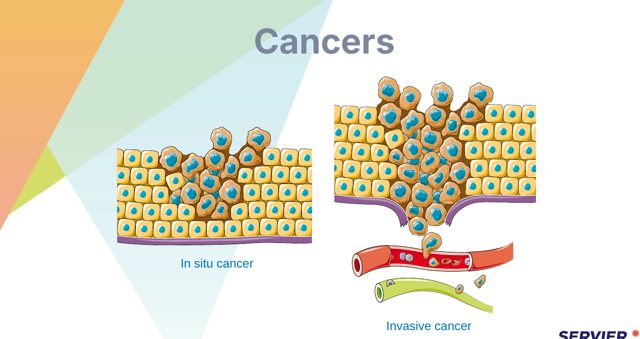
In situ versus invasive cancer: invasive tumour cells breach the basement membrane and enter blood and lymphatic vessels
In situ versus invasive cancer: invasive tumour cells breach the basement membrane and enter blood and lymphatic vesselsالسرطان الموضعي مقابل السرطان الغازي: تخترق الخلايا الورمية الغازية الغشاء القاعدي وتدخل الأوعية الدموية واللمفاويةServier Medical Art · CC BY 4.0
🟢BENIGN
  • Grows LOCALLY
  • Usually ENCAPSULATED
  • Does NOT spread
  • Cells resemble the tissue of origin
حميد — ينمو موضعياً ومحفَّظ عادةً ولا ينتشر، وتشبه خلاياه نسيج المنشأ.
🔴MALIGNANT
  • INVADES surrounding tissue
  • Can METASTASISE
  • Through the blood, the lymphatics, or across body cavities
  • Cells poorly resemble the tissue of origin
خبيث — يغزو النسيج المحيط وقد ينتقل عبر الدم أو اللمف أو عبر التجاويف الجسمية، وتشبه خلاياه نسيج المنشأ شبهاً ضعيفاً.

STAGING describes how far the disease has spread; GRADING describes how abnormal the cells look. The TNM system records the size of the Tumour, whether Nodes are involved, and whether there are Metastases — and the stage is the single strongest determinant of treatment and prognosis.

تحديد المرحلة يصف مدى انتشار المرض، والتدرّج يصف مدى شذوذ مظهر الخلايا. ونظام TNM يسجّل حجم الورم وإصابة العقد ووجود نقائل — والمرحلة أقوى محدّد منفرد للعلاج والإنذار.

Risk factors divide into those that can be changed and those that cannot. Modifiable: tobacco, obesity, physical inactivity, diet, alcohol, sun exposure, and certain infections such as hepatitis B and C and human papillomavirus. Non-modifiable: age, sex, genetics and family history. Screening aims to detect cancer or its precursors before symptoms appear, and it only works if people attend — which is why uptake, not just the existence of a programme, is what determines whether it saves lives.

عوامل الخطر تنقسم إلى ما يمكن تغييره وما لا يمكن. فالقابلة للتعديل: التبغ والسمنة وقلّة النشاط البدني والنظام الغذائي والكحول والتعرّض للشمس وعدوى معيّنة كالتهاب الكبد ب وج وفيروس الورم الحليمي البشري. وغير القابلة للتعديل: العمر والجنس والوراثة والقصّة العائلية. والمسح يهدف إلى كشف السرطان أو طلائعه قبل ظهور الأعراض، وهو لا ينفع إلا إن حضر الناس — ولهذا فالإقبال لا مجرّد وجود البرنامج هو ما يحدّد هل ينقذ أرواحاً.

The warning signs worth teaching are a change in bowel or bladder habit, a sore that does not heal, unusual bleeding or discharge, a lump anywhere, difficulty swallowing or persistent indigestion, an obvious change in a wart or mole, and a nagging cough or hoarseness — together with unexplained weight loss, night sweats and persistent fatigue. Diagnosis rests on biopsy, which gives the tissue diagnosis, supported by imaging and, in some cancers, tumour markers.

العلامات التحذيرية الجديرة بالتعليم هي تغيّر في عادة الأمعاء أو المثانة وقرحة لا تلتئم ونزف أو إفراز غير معتاد وكتلة في أيّ مكان وصعوبة بلع أو عسر هضم مستمرّ وتغيّر واضح في ثؤلول أو شامة وسعال ملحّ أو بحّة — مع نقص وزن غير مفسَّر وتعرّق ليلي وتعب مستمرّ. والتشخيص يقوم على الخزعة التي تعطي التشخيص النسيجي، مدعومةً بالتصوير وواسمات الأورام في بعض السرطانات.

Treatment uses several modalities, often together. Surgery removes the tumour and may be curative, debulking or palliative. Chemotherapy acts on rapidly dividing cells throughout the body. Radiotherapy damages the DNA of cells in a defined area. Hormonal therapy is used where the tumour depends on a hormone. Targeted therapy and immunotherapy act on specific molecular features or harness the immune system. Stem cell transplantation follows marrow-ablating treatment. Treatment intent is curative, adjuvant, neoadjuvant or palliative, and knowing which applies changes how the nurse frames every conversation.

العلاج يستخدم عدّة وسائط معاً غالباً. فالجراحة تزيل الورم وقد تكون شافية أو مُصغِّرة أو تلطيفية. والعلاج الكيميائي يعمل على الخلايا السريعة الانقسام في الجسم كلّه. والعلاج الشعاعي يُتلف الحمض النووي لخلايا في منطقة محدّدة. والعلاج الهرموني يُستخدَم حيث يعتمد الورم على هرمون. والعلاج الموجّه والمناعي يعملان على سمات جزيئية محدّدة أو يسخّران المناعة. وزرع الخلايا الجذعية يتبع علاجاً مُفنياً للنقي. وقصد العلاج شافٍ أو مساعد أو مساعد تمهيدي أو تلطيفي، ومعرفة أيّها ينطبق تغيّر كيف تؤطّر الممرضة كلّ حديث.

🔑
Memory aid
مفتاح للحفظ
Staging says how far it has spread and drives treatment. Grading says how abnormal the cells look.
تحديد المرحلة يبيّن مدى الانتشار ويقود العلاج. والتدرّج يبيّن مدى شذوذ مظهر الخلايا.
⭐
Key point
نقطة أساسية
A screening programme only saves lives if people attend it. Uptake is the nursing target, not the existence of the programme.
برنامج المسح لا ينقذ أرواحاً إلا إن حضره الناس. فالإقبال هو الهدف التمريضي لا وجود البرنامج.

9.2 · Common Cancers and Their Presentations٩٫٢ · السرطانات الشائعة وتظاهراتها

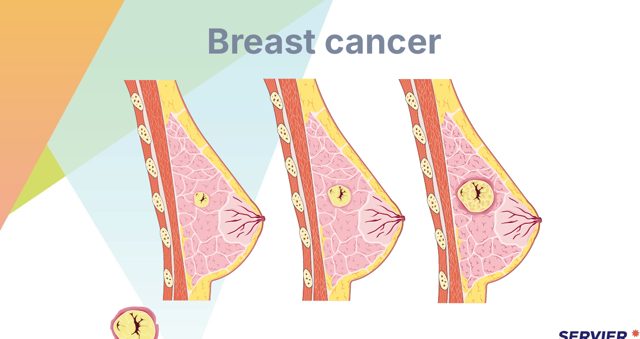
Breast cancer: three sagittal sections of the breast (pectoral muscle, ribs, lobules, fat and ducts leading to the nipple) with a tumour that enlarges from one panel to the next
Breast cancer: three sagittal sections of the breast (pectoral muscle, ribs, lobules, fat and ducts leading to the nipple) with a tumour that enlarges from one panel to the nextسرطان الثدي: ثلاثة مقاطع سهمية للثدي (العضلة الصدرية والأضلاع والفُصيصات والدهن والقنوات المؤدّية إلى الحلمة) مع ورم يزداد حجمه من مقطع إلى الذي يليهServier Medical Art · CC BY 4.0
•A few specific cancers worth recognising by presentationبضعة سرطانات محدّدة جديرة بالتعرّف عليها من خلال تظاهرها
LungA persistent cough, or a CHANGE in a chronic cough; haemoptysis; breathlessness; chest pain; hoarseness; recurrent chest infection; weight loss. The change in an existing cough is the one that is missed, because the cough was already there.الرئة — سعال مستمرّ أو تغيّر في سعال مزمن، ونفث دم، وضيق نفس، وألم صدري، وبحّة، وتكرّر التهابات الصدر، ونقص وزن. وتغيّر السعال الموجود أصلاً هو الذي يُغفَل، لأن السعال كان موجوداً من قبل.
BreastA new lump, a change in shape or size, skin dimpling or puckering, nipple change or inversion, discharge especially if bloodstained, or persistent pain in one area.الثدي — كتلة جديدة، أو تغيّر في الشكل أو الحجم، أو تنقّر الجلد أو تغضّنه، أو تغيّر الحلمة أو انقلابها إلى الداخل، أو إفراز خاصةً إن كان دموياً، أو ألم مستمرّ في منطقة واحدة.
ColorectalA change in bowel habit persisting, rectal bleeding, iron deficiency anaemia in a man or a post-menopausal woman — which is a red flag in its own right — abdominal pain, and weight loss.القولون والمستقيم — تغيّر مستمرّ في عادة الأمعاء، ونزف مستقيمي، وفقر الدم بعوز الحديد لدى رجل أو امرأة بعد انقطاع الطمث — وهو علامة إنذار قائمة بذاتها — وألم بطني، ونقص وزن.
Prostate and bladderUrinary symptoms, and visible haematuria, which is investigated in everyone — painless haematuria especially.البروستات والمثانة — أعراض بولية، وبيلة دموية مرئية يُحقَّق فيها لدى الجميع، ولا سيّما البيلة الدموية غير المؤلمة.
And the general red flagsUnexplained weight loss, night sweats, persistent fatigue, an unexplained lump, a non-healing ulcer, and unexplained bleeding from anywhere.وعلامات الإنذار العامّة — نقص وزن غير مفسَّر، وتعرّق ليلي، وتعب مستمرّ، وكتلة غير مفسَّرة، وقرحة لا تلتئم، ونزف غير مفسَّر من أيّ موضع.

Skin cancer is worth teaching about in a country with intense sun.

سرطان الجلد يستحقّ التعليم عنه في بلد بشمس شديدة.

1
A — Asymmetry
One half unlike the other.
عدم التناظر — نصف لا يشبه الآخر.
2
B — Border irregular
Ragged or blurred edges.
الحافّة غير منتظمة — حواف متعرّجة أو غير واضحة.
3
C — Colour uneven
More than one shade, or a change in colour.
اللون غير متجانس — أكثر من درجة لونية واحدة، أو تغيّر في اللون.
4
D — Diameter enlarging
Or larger than the others on that person.
القطر يتّسع — أو أكبر من بقيّة الشامات لدى الشخص نفسه.
5
E — EVOLUTION
Change over time — and this is the most important one. A mole that is different from how it was, or different from the others, is shown to someone.
التطوّر — تغيّر عبر الزمن: وهذه الأهمّ. وتُعرَض على شخص ما الشامة التي اختلفت عمّا كانت عليه أو عن بقيّة الشامات.
6
Plus a non-healing lesion
An ulcer or a sore that does not heal within a few weeks — which may be basal or squamous cell carcinoma, and is far commoner than melanoma.
مع آفة لا تلتئم — قرحة أو تقرّح لا يلتئم خلال أسابيع قليلة — وقد تكون سرطانة قاعدية الخلايا أو حرشفية الخلايا، وهي أشيع بكثير من الورم الميلانيني.

And the prevention message that belongs with it: avoid the sun in the middle of the day, cover up, use broad-spectrum high-factor protection and reapply it — and note that in a hot climate the practical difficulty is not knowledge but shade and timing, so the advice is framed around what is actually possible.

ورسالة الوقاية المصاحبة لها: تجنّب الشمس منتصف اليوم والتغطّي واستخدام واقٍ واسع الطيف عالي المعامل وإعادة وضعه — ويُلاحَظ أن الصعوبة العملية في مناخ حارّ ليست المعرفة بل الظلّ والتوقيت، ولذلك تُصاغ النصيحة حول ما هو ممكن فعلاً.
•Bone metastases — common in breast, prostate, lung, kidney and thyroid cancerالنقائل العظمية — شائعة في سرطان الثدي والبروستات والرئة والكلية والغدة الدرقية
PAINOften severe — and it responds well to a single dose of palliative radiotherapy, which is worth knowing because it is under-offered.الألم — شديد غالباً ويستجيب جيّداً لجرعة واحدة من الأشعّة الملطّفة، وهذا جدير بالمعرفة لأنه لا يُعرَض بالقدر الكافي.
PATHOLOGICAL FRACTUREA fracture through weakened bone, from minimal or no trauma — so new bone pain in someone with cancer is assessed, not treated with analgesia alone.كسر مرضي — كسر عبر عظم ضعيف بأدنى رضّ أو بدونه، ولذلك يُقيَّم ألم العظم الجديد لدى المصاب بالسرطان ولا يُكتفى فيه بالمسكّنات.
HYPERCALCAEMIAStones, bones, groans and moans — and it is an oncologic emergency, treated with fluids and bisphosphonates.فرط كالسيوم الدم — «حصيات وعظام وأنين وشكوى» — وهو حالة إسعافية ورمية تُعالَج بالسوائل والبيسفوسفونات.
And SPINAL CORD COMPRESSIONThe one that must not be missed — see the emergencies section. New back pain in a patient with known cancer is cord compression until proved otherwise.وانضغاط النخاع الشوكي — الذي يجب ألّا يُغفَل — انظر قسم الطوارئ. ويُعدّ ألم الظهر الجديد لدى مريض معروف إصابته بالسرطان انضغاطاً للنخاع حتى يثبت العكس.
🔑
Memory aid
مفتاح للحفظ
Warning changes in a mole: asymmetry, irregular border, uneven colour, enlarging diameter, and any evolution or change.
التغيّرات المنذرة في الشامة: عدم تناظر وحافّة غير منتظمة ولون غير متساوٍ وقطر متّسع وأيّ تطوّر أو تغيّر.
🚩
Watch out
تنبيه
New or worsening limb pain in a patient with bone metastases may precede a pathological fracture. Handle gently and assess rather than mobilising harder.
الألم الطرفي الجديد أو المتفاقم لدى مريض بنقائل عظمية قد يسبق كسراً مرضياً. يُتعامَل مع المريض برفق، ويُجرى التقييم ولا يُزاد التحريك.
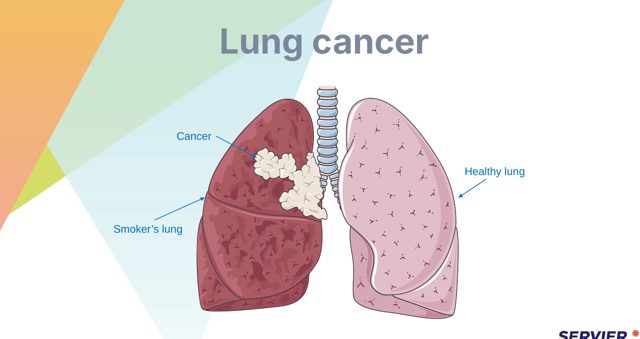
Lung cancer: a pale tumour mass near the hilum of a darkened smoker's lung, beside a healthy pink lung
Lung cancer: a pale tumour mass near the hilum of a darkened smoker's lung, beside a healthy pink lungسرطان الرئة: كتلة ورمية شاحبة قرب سُرّة رئة مدخّن داكنة اللون، بجوار رئة سليمة وردية اللونServier Medical Art · CC BY 4.0

9.3 · Chemotherapy and Its Effects٩٫٣ · العلاج الكيميائي وآثاره

Chemotherapy kills RAPIDLY DIVIDING cells, and because it cannot distinguish cancer cells from the body’s own fast-dividing tissues, its side effects fall predictably on the bone marrow, the lining of the gastrointestinal tract, and the hair follicles. Every side effect in this section follows from that one sentence.

العلاج الكيميائي يقتل الخلايا سريعة الانقسام، ولأنه لا يستطيع تمييز خلايا السرطان عن أنسجة الجسم سريعة الانقسام تقع آثاره الجانبية بشكل متوقّع على نقي العظم وبطانة السبيل الهضمي وجريبات الشعر. وكلّ أثر جانبي في هذا القسم ينتج عن هذه الجملة الواحدة.

NADIRday 7 to 14, most often around day 10الحضيض — اليوم ٧ إلى ١٤ وغالباً نحو اليوم ١٠
What it isthe point at which the blood counts fall to their LOWEST after a cycleما هو — النقطة التي تهبط فيها تعدادات الدم إلى أدناها بعد دورة
Why it mattersthat is when he is most at risk of infection and bleedingلماذا يهمّ — حينها يكون أكثر عرضةً للعدوى والنزف

The practical consequence: a patient who becomes unwell in that window is assessed urgently, and he is taught to know his own nadir — because a fever on day 10 means something different from a fever on day 20, and he is the one who has to make that judgement at home.

العاقبة العملية: أن المريض الذي يتوعّك في تلك النافذة يُقيَّم عاجلاً ويُعلَّم أن يعرف حضيضه هو — فحمّى في اليوم العاشر تعني شيئاً مختلفاً عن حمّى في اليوم العشرين، والمريض هو من عليه أن يُصدر هذا الحكم في المنزل.

1
Myelosuppression — three at once
Neutropenia with infection risk; anaemia with fatigue and breathlessness; thrombocytopenia with bruising and bleeding.
تثبيط النقي — ثلاثة معاً: قلّة عدلات مع خطر العدوى، وفقر دم مع التعب وضيق النفس، ونقص صفيحات مع الكدمات والنزف.
2
Mucositis
The whole gastrointestinal lining — painful mouth, difficulty eating, and diarrhoea. Regular mouth care is prevention, not comfort.
التهاب المخاطيات — البطانة الهضمية كلّها: ألم في الفم، وصعوبة في الأكل، وإسهال. رعاية الفم المنتظمة وقاية لا مجرّد راحة.
3
Nausea and vomiting
Anticipatory, acute and delayed — and antiemetics are given BEFORE, regularly, not when he asks, because once anticipatory nausea is established it is very difficult to treat.
الغثيان والتقيّؤ — استباقي وحادّ ومتأخّر: تُعطى مضادات القيء مسبقاً وبانتظام لا عند طلب المريض، لأن الغثيان الاستباقي متى ترسّخ يصعب علاجه كثيراً.
4
Alopecia
Distressing out of proportion to its medical significance — warned about in advance, with practical options discussed before it happens rather than after.
الثعلبة — مكربة بما يفوق دلالتها الطبّية — يُنبَّه إليها مسبقاً وتُناقَش الخيارات العملية قبل حدوثها لا بعده.
5
Fatigue
The most commonly reported and least treated symptom — cumulative, and not relieved by rest.
التعب — الأكثر إبلاغاً والأقلّ علاجاً — وهو تراكمي ولا يزول بالراحة.
6
And fertility
Discussed BEFORE treatment starts, because preservation options exist and they cannot be taken afterwards. The conversation not had is the harm.
والخصوبة — تُناقَش قبل بدء العلاج لأن خيارات الحفظ موجودة ولا يمكن اللجوء إليها بعد ذلك. فالحوار الذي لم يُجرَ هو الضرر نفسه.
•Cytotoxic drugs are hazardous to those who HANDLE them, not only to the patientالأدوية السامّة للخلايا خطرة على من يتعامل معها، لا على المريض وحده
Preparation in a designated areaWith the required protective equipment — not on a ward bench.التحضير في منطقة مخصّصة — بمعدّات الحماية المطلوبة، لا على طاولة في الجناح.
Gloves and gown for administrationAnd for handling body fluids for a defined period afterwards — which is the part most often forgotten, because the drug has ‘been given’.قفّازات ورداء واقٍ للإعطاء — وكذلك لتداول سوائل الجسم مدّةً محدّدة بعده، وهو الجزء الذي يُنسى في أغلب الأحيان لأن الدواء «أُعطي» فعلاً.
Spill kit available and knownBefore it is needed — and everyone knows where it is and how to use it.طقم الانسكاب متاح ومعروف — قبل الحاجة إليه، ويعرف الجميع مكانها وطريقة استخدامها.
And staff who are pregnant or breastfeedingFollow local policy on handling — which exists and should be raised proactively rather than left for the individual to ask about.أفراد الطاقم الحوامل أو المرضعات — تُتَّبع السياسة المحلّية في التعامل مع هذه الأدوية، وهي موجودة وينبغي طرحها استباقياً بدلاً من ترك الأمر للفرد ليسأل عنها.
⭐
Key point
نقطة أساسية
The nadir is around day seven to fourteen after a cycle, most often about day ten. A fever in that window is a medical emergency.
الحضيض نحو اليوم السابع إلى الرابع عشر بعد الدورة وغالباً نحو العاشر. والحمّى في تلك النافذة حالة طبية طارئة.
🚩
Watch out
تنبيه
Staff who are pregnant, breastfeeding or trying to conceive should not handle cytotoxic drugs, and everyone handling them needs the correct protective equipment and a spill kit.
أفراد الطاقم الحوامل أو المرضعات أو من يحاولن الحمل لا ينبغي أن يتعاملن مع الأدوية السامّة للخلايا، وكلّ من يتعامل معها يحتاج معدّات الحماية الصحيحة وطقم انسكاب.

9.4 · Organ Toxicity, Oral Treatment and Trials٩٫٤ · سمّية الأعضاء والعلاج الفموي والتجارب

•Several agents damage SPECIFIC organs — and each has its own monitoringعدّة أدوية تُتلف أعضاءً محدّدة بعينها — ولكلٍّ منها مراقبته الخاصة
Anthracyclines — CARDIOTOXICSuch as doxorubicin. They cause a CUMULATIVE, dose-related cardiomyopathy — so a baseline assessment of cardiac function is done before treatment and repeated, and there is a lifetime maximum cumulative dose. Report new breathlessness, oedema or reduced exercise tolerance.الأنثراسيكلينات — سامّة للقلب، مثل الدوكسوروبيسين: تسبّب اعتلال عضلة قلبية تراكمياً مرتبطاً بالجرعة — ولذلك يُجرى تقييم أساسي لوظيفة القلب قبل العلاج ويُكرَّر، وثمّة حدّ أقصى تراكمي للجرعة طوال العمر. يُبلَّغ عن ضيق النفس الجديد أو الوذمة أو انخفاض تحمّل الجهد.
Bleomycin — PULMONARY fibrosisReport a new dry cough or breathlessness — and note the point that catches people out: high-concentration oxygen can worsen the lung damage, so it is flagged for any future anaesthetic.البليوميسين — تليّف رئوي: يُبلَّغ عن السعال الجاف الجديد أو ضيق النفس — ومن النقاط التي تخفى على الكثيرين أن الأكسجين عالي التركيز قد يسوّئ التلف الرئوي، ولذلك يُنبَّه إليه عند أيّ تخدير مستقبلي.
Cisplatin — NEPHROTOXIC and OTOTOXICNeeds vigorous hydration before and after, with renal function and urine output monitored — and hearing loss and tinnitus reported, because it is permanent.السيسبلاتين — سامّ للكلية والأذن: يحتاج إماهةً قوية قبله وبعده مع مراقبة وظائف الكلية وكمية البول، ويُبلَّغ عن فقد السمع والطنين لأنه دائم.
Vinca alkaloids — PERIPHERAL NEUROPATHYNumbness, tingling, weakness and constipation from autonomic effect — reported early, because it is dose-limiting and can be permanent. And vincristine is FATAL if given by the intrathecal route — which is why it is prepared and labelled in a way that makes that impossible.قلويدات الفينكا — اعتلال عصبي طرفي: خدر ووخز وضعف وإمساك ناتج عن التأثير على الجهاز العصبي الذاتي — يُبلَّغ عنه مبكراً لأنه يحدّ من الجرعة وقد يكون دائماً. والفينكريستين قاتل إن أُعطي داخل القراب — ولهذا يُحضَّر ويُوسَم بطريقة تجعل ذلك مستحيلاً.

Oral chemotherapy is taken at home and is often mistakenly regarded as MILDER. It is the same class of drug with the same toxicity and the same handling precautions.

العلاج الكيميائي الفموي يُؤخَذ في المنزل وكثيراً ما يُعدّ خطأً أخفّ. وهو الصنف نفسه بالسميّة نفسها واحتياطات التداول نفسها.

1
Take it EXACTLY as prescribed
Timing, food, and the schedule — and never make up a missed dose without advice.
يُؤخَذ الدواء تماماً كما وُصِف — من حيث التوقيت والطعام والجدول — ولا تُعوَّض جرعة فائتة أبداً دون مشورة.
2
Handle it with gloves at home
Do not crush or split the tablets, and store them away from children.
يُتعامَل معه بقفّازات في المنزل — لا تُسحَق الأقراص ولا تُقسَّم، وتُحفَظ بعيداً عن الأطفال.
3
Know the side effects and what to report
Fever, mouth ulcers, diarrhoea, bleeding, a rash — with a number that is answered.
معرفة الآثار الجانبية وما يجب الإبلاغ عنه — الحمّى وقرح الفم والإسهال والنزف والطفح الجلدي — مع رقم هاتف يُجاب عليه.
4
And NEVER run out or stop without advice
An oral cytotoxic is not a tablet to skip because he feels sick — he rings.
ويجب ألّا ينفد الدواء أبداً ولا يُوقَف دون مشورة — فالدواء السامّ للخلايا الفموي ليس قرصاً يُترك لأن المريض يشعر بالتوعّك، بل يتّصل هاتفياً بالفريق.
5
Plus safe disposal
Unused tablets returned to the pharmacy, not thrown away.
مع تخلّص آمن — تُعاد الأقراص غير المستخدَمة إلى الصيدلية ولا تُرمى.

Patients are often offered entry to a CLINICAL TRIAL, and the nursing role is to PROTECT THE INTEGRITY OF THE CONSENT.

يُعرَض على المرضى غالباً الدخول في تجربة سريرية، ودور التمريض هو حماية سلامة الموافقة.

•What that actually meansما يعنيه ذلك فعلاً
Participation is ENTIRELY VOLUNTARYAnd he may withdraw at any time WITHOUT affecting his care — said explicitly, because he will assume otherwise.المشاركة طوعية تماماً — ويستطيع المريض الانسحاب في أيّ وقت دون أثر على رعايته — ويُقال ذلك صراحةً لأنه سيفترض خلاف ذلك.
A trial is not the same as proven treatmentHe may receive the standard treatment rather than the new one, and the new one may turn out to be worse — which is the whole reason the trial exists.التجربة ليست علاجاً مثبَتاً — قد يتلقّى العلاج المعياري بدلاً من الجديد، وقد يتبيّن أن الجديد أسوأ — وهذا هو سبب وجود التجربة أصلاً.
Watch for THERAPEUTIC MISCONCEPTIONBelieving the trial is being offered because it is better for HIM personally — which is the commonest misunderstanding, and the one that invalidates consent without anyone noticing.يُحذَر من سوء الفهم العلاجي — الاعتقاد أن التجربة تُعرَض لأنها أفضل له شخصياً — وهو أشيع أنواع سوء الفهم، وهو الذي يُبطل الموافقة دون أن يلاحظ أحد.
So check what he has understoodAsk him to explain it back — and escalate to the research team if what he says does not match what he signed.فيُتحقَّق ممّا فهمه — يُطلَب منه أن يعيد شرحه — ويُصعَّد الأمر إلى فريق البحث إن لم يتطابق قوله مع ما وقّع عليه.
•Two closing pointsنقطتان ختاميتان
Most regimens go through CENTRAL venous accessBecause repeated cytotoxic infusions damage peripheral veins, and because a vesicant is far safer given centrally. A PICC line, a tunnelled line or an implanted port — each with its own care and infection risk, and each requiring the daily question: is it still needed?معظم الأنظمة تمرّ عبر مدخل وريدي مركزي، لأن التسريبات المتكرّرة للأدوية السامّة للخلايا تُتلف الأوردة الطرفية، ولأن إعطاء المنفِّط مركزياً أكثر أماناً بكثير. وقد يكون خطاً مركزياً مُدخَلاً محيطياً (PICC) أو خطاً مُنفَّقاً أو منفذاً مزروعاً — ولكلٍّ منها عنايته الخاصة وخطر العدوى المرتبط به، ويستلزم كلٌّ منها السؤال اليومي: هل ما زالت الحاجة إليه قائمة؟
And cancer decisions are made by a MULTIDISCIPLINARY TEAMSurgeons, oncologists, radiologists, pathologists, specialist nurses and allied professionals meeting together — which is why a patient is sometimes told a plan will be confirmed after a meeting, and why that wait is worth explaining rather than leaving him to interpret the silence.وقرارات السرطان يتّخذها فريق متعدّد التخصّصات — جرّاحون وأطباء أورام وأطباء أشعّة واختصاصيو علم الأمراض وممرّضون متخصّصون وغيرهم من المهنيين يجتمعون معاً — ولهذا يُقال للمريض أحياناً إن الخطة ستُؤكَّد بعد اجتماع، ولهذا أيضاً يجدر شرح هذا الانتظار بدلاً من ترك المريض يفسّر الصمت.
🚩
Watch out
تنبيه
Anthracyclines are cardiotoxic and the damage is cumulative. Cardiac function is assessed before and during treatment, and the patient reports breathlessness, ankle swelling or palpitations.
الأنثراسيكلينات سامّة للقلب والضرر تراكمي. وتُقيَّم وظيفة القلب قبل العلاج وأثناءه ويُبلِّغ المريض عن ضيق نفس أو تورّم كاحلين أو خفقان.
⭐
Key point
نقطة أساسية
Oral chemotherapy is the same drug with the same toxicity. Teach safe storage, hand washing, no crushing, and what to do about a missed dose.
العلاج الكيميائي الفموي هو الدواء نفسه بالسمّية نفسها. يُعلَّم المريض التخزين الآمن وغسل اليدين وعدم سحق الأقراص وما يجب فعله عند تفويت جرعة.
⭐
Key point
نقطة أساسية
In a clinical trial, participation is voluntary and the patient may withdraw at any time without any effect on his care. Confirm he understands both.
في التجربة السريرية تكون المشاركة طوعية ويستطيع المريض الانسحاب في أيّ وقت دون أثر على رعايته. ويُتحقَّق من فهمه للأمرين.

9.5 · Extravasation of a Vesicant٩٫٥ · تسرّب دواء منفِّط خارج الوعاء

A VESICANT is a drug that causes blistering, tissue necrosis and PERMANENT damage if it leaks out of the vein into the surrounding tissue. Extravasation is that leak — and it can destroy tendons and nerves and require surgical reconstruction.

المنفِّط دواء يسبّب تنفّطاً ونخراً نسيجياً وتلفاً دائماً إن تسرّب من الوريد إلى النسيج المحيط. والتسرّب خارج الوعاء هو ذلك التسرّب وقد يدمّر الأوتار والأعصاب ويستلزم إعادة بناء جراحية.

Pain or burningat the site during infusion — believed, alwaysألم أو حرقة في الموضع أثناء التسريب — تُصدَّق دائماً
Swellingand a slowed or stopped flowتورّم وجريان بطيء أو متوقّف
No blood returnand redness or blanching at the siteبلا عود دم واحمرار أو شحوب في الموضع
1
1 — STOP the infusion immediately
The moment it is suspected — not after checking with someone.
١ — يُوقَف التسريب فوراً: لحظة الاشتباه، لا بعد الرجوع إلى أحد.
2
2 — Do NOT remove the cannula
The counter-intuitive step. Leaving it in allows the residual drug to be ASPIRATED back through it, and it is the route for an antidote where one exists.
٢ — لا تُنزَع القنيّة: الخطوة المخالفة للحدس. فإبقاؤها يتيح شفط الدواء المتبقّي عبرها، وهي سبيل إعطاء الترياق حيثما وُجد.
3
3 — ASPIRATE what you can
Through the cannula, gently — every millilitre withdrawn is drug that will not damage tissue.
٣ — يُشفَط ما أمكن: عبر القنيّة برفق — فكلّ ملّيلتر يُسحَب هو دواء لن يُتلف النسيج.
4
4 — THEN remove it, and follow the drug-specific protocol
Warm or cold compress, and an antidote, DEPEND ON THE DRUG — and getting it the wrong way round makes it worse.
٤ — ثم تُنزَع القنيّة ويُتَّبع البروتوكول الخاصّ بالدواء: فالكمادة الدافئة أو الباردة والترياق يتوقّفان على الدواء، وعكس ذلك يزيد الأمر سوءاً.
5
5 — Elevate the limb
And MARK the affected area with a pen so the extent can be tracked.
٥ — يُرفَع الطرف وتُعلَّم المنطقة المصابة بقلم ليمكن تتبّع امتدادها.
6
6 — Photograph, escalate, document
Notify the medical team and the specialist oncology or extravasation service URGENTLY, give analgesia, and complete an incident report.
٦ — التصوير والتصعيد والتوثيق — يُبلَّغ الفريق الطبي وخدمة الأورام أو خدمة التسرّب المتخصّصة عاجلاً، ويُعطى مسكّن للألم، ويُستكمل تقرير الحادثة.
•And the prevention, which is where the real work isوالوقاية، وفيها يكمن العمل الحقيقي
A vesicant is far safer given CENTRALLYWhich is why most regimens go through a central venous access device rather than a peripheral cannula.المنفِّط أأمن بكثير مركزياً — ولهذا تمرّ معظم الأنظمة عبر وسيلة مدخل وريدي مركزي لا عبر قنيّة طرفية.
If peripheral, use a NEW, well-secured cannulaIn a large vein, not over a joint, and not in the antecubital fossa or the back of the hand where damage is hardest to repair.إن كان طرفياً فقنيّة جديدة مثبّتة جيّداً في وريد كبير، لا فوق مفصل، ولا في الحفرة المرفقية ولا في ظهر اليد حيث يصعب إصلاح التلف.
Check blood return BEFORE, DURING and AFTERAnd observe the site throughout — not once at the start.يُفحَص عود الدم قبل الإعطاء وأثناءه وبعده، ويُراقَب الموضع طوال الوقت — لا مرّة واحدة في البداية.
And BELIEVE the patientPain or burning at the site is extravasation until proved otherwise — a patient told it is normal and to sit still is how tissue is lost.ويُصدَّق المريض — فالألم أو الحرقة في الموضع تسرّب حتى يُثبَت خلافه — وإخبار المريض بأن ذلك طبيعي وبأن عليه أن يبقى ساكناً هو سبيل فقدان النسيج.
🚩
Watch out
تنبيه
In extravasation, stop the infusion but leave the cannula in place — it is needed to aspirate the drug and to give any antidote. Removing it first is the classic error.
عند حدوث التسرّب خارج الوعاء يُوقَف التسريب مع ترك القنية في مكانها — فهي لازمة لشفط الدواء وإعطاء أيّ ترياق. ونزعها أولاً هو الخطأ الكلاسيكي.

9.6 · Radiotherapy and Radiation Safety٩٫٦ · العلاج الشعاعي والسلامة الإشعاعية

Radiotherapy damages the DNA of cells in the treated area, and because it is local, its side effects are local too — with the important exception of fatigue, which is systemic, cumulative and the most commonly reported effect of all.

يُتلف العلاج الشعاعي الحمض النووي لخلايا المنطقة المعالَجة، ولأنه موضعي فآثاره الجانبية موضعية أيضاً — باستثناء مهمّ هو التعب، وهو جهازي وتراكمي وأكثر الآثار إبلاغاً على الإطلاق.

1
Wash gently with lukewarm water and a mild soap
Pat dry — do not rub.
يُغسَل الجلد برفق بماء فاتر وصابون لطيف — ويُجفَّف بالتربيت لا بالفرك.
2
Do NOT remove the marks
The treatment field markings must stay for the course.
لا تُزال العلامات — فعلامات حقل العلاج يجب أن تبقى طوال دورة العلاج.
3
Apply only what the team has approved
No talc, perfume, deodorant or metallic-containing products on the field, and nothing applied in the hours before treatment.
لا يُوضَع إلا ما وافق عليه الفريق — لا مسحوق التلك ولا عطر ولا مزيل رائحة ولا منتجات تحتوي على معادن على منطقة الحقل، ولا شيء يُوضَع في الساعات السابقة للعلاج.
4
Wear loose cotton clothing
And avoid friction over the area.
تُلبَس ملابس قطنية واسعة — ويُتجنَّب الاحتكاك بالمنطقة.
5
No heat or cold to the field
No hot water bottle, no ice pack — the skin cannot signal damage normally.
لا حرارة ولا برودة على الحقل — لا قربة ماء ساخن ولا كمادة ثلج، فالجلد لا يُنبّه إلى التلف كالمعتاد.
6
And protect it from the sun
During treatment and for a long period afterwards — which matters especially in this climate, and is the instruction most often not given.
ويُحمى الجلد من الشمس — أثناء العلاج ولفترة طويلة بعده — وهذا مهمّ بوجه خاص في هذا المناخ، وهي التعليمة التي يغلب ألّا تُعطى.
☀️EXTERNAL beam radiotherapy
  • The radiation comes from a machine outside the body
  • The patient is NOT radioactive
  • At any time, including immediately after treatment
  • No precautions are needed around him
  • And saying so plainly matters — families avoid contact out of fear nobody corrected
العلاج الشعاعي بالحزمة الخارجية — يأتي الإشعاع من جهاز خارج الجسم؛ والمريض ليس مشعّاً في أيّ وقت، بما في ذلك مباشرةً بعد العلاج، ولا تلزم أيّ احتياطات حوله. والتصريح بذلك بوضوح مهمّ — فالأسر تتجنّب الملامسة خوفاً لم يصحّحه أحد.
☢️BRACHYTHERAPY / sealed source
  • A radioactive source is placed INSIDE the body
  • He IS a radiation source while it is in place
  • TIME, DISTANCE, SHIELDING — the three principles
  • Minimise time in the room; maximise distance; use shielding per protocol
  • Restrictions on pregnant staff and on children visiting
المعالجة الكثبية / المصدر المغلق — يُوضَع مصدر مشعّ داخل الجسم؛ ويكون المريض مصدراً للإشعاع ما دام المصدر في موضعه. الوقت والمسافة والتدريع — المبادئ الثلاثة: تقليل الوقت في الغرفة، وزيادة المسافة، واستخدام التدريع وفق البروتوكول. وتُفرَض قيود على العاملات الحوامل وعلى زيارة الأطفال.

That distinction is the most examined thing in this section, and it is the one families most need explained: a patient having external beam radiotherapy can be held, hugged and sat with, and a patient who has been left alone because nobody said so has been harmed by an omission.

ذلك التمييز أكثر ما يُختبَر في هذا القسم، وهو ما تحتاج الأسر إلى شرحه أكثر من غيره: أن مريض العلاج الشعاعي بالحزمة الخارجية يمكن ضمّه واحتضانه والجلوس معه، وأن المريض الذي يُترك وحيداً لأن أحداً لم يقل ذلك قد أُصيب بضرر نتيجة إغفال.

•Site-specific effects worth anticipatingآثار خاصّة بالموضع ينبغي توقّعها
Head and neckMucositis, dry mouth, taste change, and difficulty swallowing — which together cause weight loss, so dietetic input is arranged early rather than when he has lost weight. And dental assessment BEFORE treatment, because extraction afterwards risks osteoradionecrosis.الرأس والعنق — التهاب مخاطيات وجفاف فم وتغيّر طعم وصعوبة بلع — وهذه معاً تسبّب نقص الوزن، ولذلك يُرتَّب العون الغذائي مبكراً لا بعد أن يفقد المريض وزنه. ويُجرى تقييم الأسنان قبل العلاج، لأن القلع بعده يعرّض للنخر العظمي الإشعاعي.
ChestOesophagitis and, later, pneumonitis — so a new cough or breathlessness is reported.الصدر — التهاب مريء ولاحقاً التهاب رئة، ولذلك يُبلَّغ عن أيّ سعال جديد أو ضيق نفس.
Abdomen and pelvisNausea, diarrhoea, cystitis, and later bowel and bladder change.البطن والحوض — غثيان وإسهال والتهاب مثانة، ولاحقاً تغيّر في وظيفة الأمعاء والمثانة.
And the skin everywhereReaction builds over the course and PEAKS AFTER it finishes — which patients do not expect, and which is why the care continues after the last fraction.والجلد في كلّ مكان — يتصاعد التفاعل خلال الدورة ويبلغ ذروته بعد انتهائها — وهو أمر لا يتوقّعه المرضى، ولهذا تستمر العناية بعد الجرعة الأخيرة.
🚩
Watch out
تنبيه
Do not wash off the radiotherapy markings, and use no lotions, heat, cold or sun on the treated area.
لا تُغسَل علامات العلاج الشعاعي، ولا تُستخدَم لوشنات ولا حرارة ولا برودة، ولا تُعرَّض المنطقة المعالَجة للشمس.
🔑
Memory aid
مفتاح للحفظ
Radiation protection: time, distance and shielding. A dislodged source is never touched with bare hands — long forceps and a lead container.
الحماية من الإشعاع: الوقت والمسافة والتدريع. والمصدر المنزاح لا يُلمَس بيد عارية أبداً — ملقط طويل وحاوية رصاصية.
⭐
Key point
نقطة أساسية
A patient having external beam radiotherapy is not radioactive. Say so explicitly, because families often assume otherwise and isolate themselves needlessly.
المريض الذي يتلقّى علاجاً شعاعياً بالحزمة الخارجية ليس مشعّاً. وينبغي التصريح بذلك صراحةً، فالأسر تفترض خلافه وتعزل نفسها دون داعٍ.

9.7 · Oncologic Emergencies٩٫٧ · طوارئ الأورام

1
New or worsening BACK PAIN
Often worse lying flat or at night — and the pain usually PRECEDES the neurology by weeks, which is the window in which it can be treated.
ألم ظهر جديد أو متفاقم — وغالباً ما يزداد عند الاستلقاء أو ليلاً، ويسبق العلامات العصبية بأسابيع، وهي النافذة التي يمكن فيها العلاج.
2
Then limb WEAKNESS
And difficulty walking or climbing stairs.
ثم ضعف الأطراف — وصعوبة المشي أو صعود الدرج.
3
A SENSORY LEVEL and altered sensation
Numbness or tingling with a definable upper border.
مستوى حسّي وإحساس متغيّر — خدر أو وخز له حدّ علوي يمكن تحديده.
4
And bladder or bowel dysfunction
A LATE sign — and by then the damage is largely done.
وخلل المثانة أو الأمعاء — علامة متأخّرة، وعندها يكون الضرر قد وقع في معظمه.
5
So the rule is short
New back pain in a patient with known cancer is cord compression until proved otherwise — imaged urgently, with dexamethasone offered when there are neurological symptoms or signs (otherwise considered only for severe pain or a haematological malignancy), and flat bed rest until the spine is cleared. The function preserved is the function he had when treatment started.
فالقاعدة قصيرة — ألم الظهر الجديد لدى مريض معروف إصابته بالسرطان يُعدّ انضغاطاً للنخاع حتى يُثبَت خلاف ذلك — ويُجرى تصوير عاجل، ويُعرَض الديكساميثازون عند وجود أعراض أو علامات عصبية (ولا يُنظَر فيه بخلاف ذلك إلا للألم الشديد أو الخباثة الدموية)، ويُلزَم الاستلقاء المسطّح على السرير إلى أن يُقرَّر سلامة العمود الفقري. والوظيفة التي يُحافَظ عليها هي الوظيفة التي كانت لدى المريض عند بدء العلاج.

Superior vena cava obstruction occurs when a tumour or thrombus compresses the vein returning blood from the head, neck and arms. It gives swelling of the face, neck and arms, distended veins over the neck and chest wall, breathlessness, cough, hoarseness, and a headache that is worse on bending forward or lying down. Sit the patient upright, give oxygen, avoid intravenous access and blood pressure measurement in the upper limbs where possible, keep him calm since anxiety worsens the breathlessness, and escalate urgently.

انسداد الوريد الأجوف العلوي يحدث حين يضغط ورم أو خثرة الوريد العائد بالدم من الرأس والعنق والذراعين. ويعطي تورّم الوجه والعنق والذراعين وأوردة بارزة على العنق وجدار الصدر وضيق نفس وسعالاً وبحّة وصداعاً أسوأ عند الانحناء للأمام أو الاستلقاء. يُجلَس المريض منتصباً، ويُعطى الأكسجين، ويُتجنَّب المدخل الوريدي وقياس الضغط في الطرفين العلويين حيثما أمكن، ويُبقى هادئاً لأن القلق يزيد ضيق النفس، ويُصعَّد الأمر عاجلاً.

Hypercalcaemia of malignancy develops from bone destruction or tumour-secreted factors, and its features are summarised as stones, bones, groans and moans: renal stones and polyuria with thirst and dehydration; bone pain; abdominal groans — nausea, vomiting, constipation and anorexia; and psychic moans — fatigue, weakness, confusion, drowsiness and, if severe, coma. It is easily mistaken for disease progression or opioid effect. Treatment is generous intravenous rehydration first, followed by a bisphosphonate, with careful fluid balance and monitoring of the calcium and renal function.

فرط كالسيوم الخباثة ينشأ من تدمير عظمي أو عوامل يفرزها الورم، وسماته تُلخَّص بحصيات وعظام وأنين وشكوى: حصيات كلوية وبوال مع عطش وجفاف؛ وألم عظمي؛ وأنين بطني — غثيان وتقيّؤ وإمساك وفقد شهيّة؛ وشكوى نفسية — تعب وضعف وتشوّش ونعاس وغيبوبة إن اشتدّ. ويسهل أن يُظَنّ تقدّماً للمرض أو أثراً أفيونياً. والعلاج إماهة وريدية سخيّة أولاً يتبعها بيسفوسفونات مع ميزان سوائل دقيق ومراقبة الكالسيوم ووظيفة الكلى.

Three further emergencies are covered elsewhere but belong on this list: neutropenic sepsis, where a fever in a neutropenic patient needs cultures and antibiotics within the hour; tumour lysis syndrome, with its high potassium, phosphate and urate and low calcium; and malignant pericardial effusion progressing to cardiac tamponade, which presents with breathlessness, distended neck veins, muffled heart sounds and hypotension, and is a form of obstructive shock. Raised intracranial pressure from brain metastases and massive haemorrhage complete the group.

ثلاث حالات طارئة أخرى مغطّاة في مواضع أخرى لكنها تنتمي إلى هذه القائمة: الإنتان بقلّة العدلات حيث تحتاج الحمّى لدى مريض قليل العدلات مزارع ومضادات حيوية خلال الساعة؛ ومتلازمة انحلال الورم بارتفاع البوتاسيوم والفوسفات والبولات وانخفاض الكالسيوم؛ والانصباب التاموري الخبيث المتقدّم إلى سطام القلب ويتظاهر بضيق نفس وأوردة عنق بارزة وأصوات قلب مكتومة وهبوط ضغط وهو شكل من الصدمة الانسدادية. وارتفاع الضغط داخل القحف من نقائل دماغية والنزف الهائل يُكملان المجموعة.

🚩
Watch out
تنبيه
New or worsening back pain in a patient with cancer is spinal cord compression until proved otherwise. The pain comes before the weakness, and that is the window in which function can be saved.
يُعدّ ألم الظهر الجديد أو المتفاقم لدى مريض بسرطان انضغاطاً للنخاع الشوكي حتى يثبت العكس. فالألم يسبق الضعف، وتلك هي النافذة التي يمكن فيها إنقاذ الوظيفة.
🔑
Memory aid
مفتاح للحفظ
Hypercalcaemia: stones, bones, groans and moans. Treat with generous fluids first, then a bisphosphonate.
فرط الكالسيوم: حصيات وعظام وأنين وشكوى. يُعالَج بسوائل سخيّة أولاً ثم ببيسفوسفونات.

9.8 · Living With and Beyond Cancer٩٫٨ · التعايش مع السرطان وما بعده

Cancer pain is managed on the analgesic ladder: non-opioid, then a weak opioid, then a strong opioid, with adjuvants at every step. Two points are specific to cancer.

ألم السرطان يُدبَّر بسلّم المسكّنات: غير أفيوني ثم أفيوني ضعيف ثم قوي مع أدوية مساعدة في كلّ درجة. ونقطتان خاصّتان بالسرطان.

⏰Regular AND breakthrough
  • Regular analgesia around the clock for background pain
  • PLUS a breakthrough dose available and given
  • ‘As required’ alone is undertreatment
  • And breakthrough doses used repeatedly mean the background dose is too low — that is the signal to act on
منتظم واختراقي — تسكين منتظم على مدار الساعة للألم الأساسي، مع جرعة اختراق متاحة وتُعطى فعلاً. «عند الطلب» وحده علاج ناقص. واستخدام جرعات الاختراق مراراً يعني أن الجرعة الأساسية منخفضة — وهذه هي الإشارة التي يُتصرَّف بناءً عليها.
🗣️The opioid fears — addressed, not dismissed
  • Addiction in cancer pain is rare, and fear of it causes real undertreatment
  • Tolerance is not addiction, and needing more does not mean the disease has won
  • Starting morphine does not mean the end is near — which is what most patients actually believe
  • Constipation is universal — a laxative is prescribed WITH the opioid, not after
  • And nausea usually settles in days, which is worth saying before it starts
مخاوف الأفيونيات — تُعالَج ولا يُستهان بها: الإدمان في ألم السرطان نادر، والخوف منه يسبّب نقصاً حقيقياً في التسكين؛ والتحمّل ليس إدماناً، والحاجة إلى جرعة أكبر لا تعني أن المرض قد انتصر؛ وبدء المورفين لا يعني اقتراب النهاية — وهو ما يعتقده معظم المرضى فعلاً؛ والإمساك شامل — فيُوصَف مليّن مع الأفيوني لا بعده؛ والغثيان يهدأ عادةً خلال أيام، وهذا يستحق أن يُقال قبل أن يبدأ.
•Lymphoedema — once established it is CHRONIC, so prevention is the whole pointالوذمة اللمفية — متى ترسّخت أصبحت مزمنة، ولذلك فالوقاية هي المقصود كلّه
It follows removal or irradiation of lymph nodesMost familiarly of the axilla after breast cancer surgery.يتبع إزالة العقد اللمفية أو تشعيعها — وأكثر ما يُعرَف في الإبط بعد جراحة سرطان الثدي.
Protect the limbAvoid injury, burns, cuts, insect bites and sunburn; gloves for washing up and gardening; and treat any break in the skin promptly.يُحمى الطرف — يُتجنَّب التعرّض للإصابة والحروق والجروح ولدغات الحشرات وحروق الشمس؛ وتُلبَس القفازات عند غسل الأواني والبستنة؛ وتُعالَج أيّ جروح في الجلد فوراً.
And on THAT armNo blood pressure cuff, no venepuncture, no cannula, no injection — which is flagged above the bed and on the record, because it will otherwise be done by someone who does not know.وعلى تلك الذراع — لا كفّة ضغط ولا وخز وريدي ولا قنيّة ولا حقن — ويُوضَع تنبيه فوق السرير وفي السجل، وإلا فسيفعل ذلك شخص لا يعلم.
Report early swelling immediatelyTightness of a ring or a sleeve is the first sign — and early treatment works far better than late.يُبلَّغ عن التورّم المبكّر فوراً — ضيق خاتم أو كمّ أول علامة — والعلاج المبكّر أنجع بكثير من المتأخّر.
Plus infectionCellulitis in a lymphoedematous limb is an urgent problem, and each episode makes the lymphoedema worse.مع العدوى — التهاب النسيج الخلوي في طرف موذم مشكلة عاجلة، وكلّ نوبة تزيد الوذمة اللمفية سوءاً.

After a mastectomy or axillary surgery: care covers the wound and drain — measuring and recording output, and teaching him to manage it at home if discharged with it — arm and shoulder exercises as prescribed and started on time, because delay causes a frozen shoulder, and body image, which is asked about rather than waited for. And the practical thing nobody arranges: prosthesis and bra fitting, and the information about reconstruction, which many women are never told is an option.

بعد استئصال الثدي أو جراحة الإبط: تشمل الرعاية الجرح والمنزح — بقياس الناتج وتسجيله، وتعليم المريض التعامل معه في المنزل إن خرج به — وتمارين الذراع والكتف كما تُوصَف وتبدأ في وقتها لأن التأخير يسبّب تجمّد الكتف، وصورة الجسد التي يُسأل عنها بدلاً من انتظار الحديث عنها. وهناك الأمر العملي الذي لا يرتّبه أحد: تركيب الثدي الصناعي وحمّالة الصدر، والمعلومات عن إعادة البناء التي لا تُخبَر كثير من النساء بأنها خيار متاح.

1
Survivorship begins when treatment ENDS
And patients are frequently unprepared for it.
مرحلة النجاة تبدأ حين ينتهي العلاج — والمرضى غير مستعدّين له غالباً.
2
The expected relief comes with FEAR OF RECURRENCE
Which peaks around follow-up appointments and scans — predictable, and worth naming in advance.
الارتياح المتوقّع يأتي مع خوف من النكس — يبلغ ذروته حول المواعيد والمسوح — ويمكن التنبؤ به، ويحسن التحدّث عنه مسبقاً.
3
And support falls away exactly then
The appointments stop, the visitors stop, and everyone expects him to be fine — which is when many people struggle most.
والدعم يتلاشى حينها بالضبط — تتوقّف المواعيد ويتوقّف الزوّار، ويتوقّع الجميع أن يكون بخير — وهو الوقت الذي يعاني فيه كثيرون أشدّ المعاناة.
4
Late effects continue
Fatigue, neuropathy, cardiac and endocrine effects, fertility, and second cancers — so follow-up is not only about recurrence.
الآثار المتأخّرة تستمرّ — تعب واعتلال عصبي وآثار قلبية وصماوية، وتأثّر الخصوبة، وسرطانات ثانية — فالمتابعة ليست للنكس وحده.
5
So give him a written summary
What he had, what to watch for, what follow-up is arranged, and who to contact — which is the single most useful thing handed over at the end of treatment.
فتُعطى للمريض خلاصة مكتوبة — ماذا تلقّى، وما الذي يراقبه، وما المتابعة المرتَّبة، وبمن يتّصل — وهي أنفع شيء يُسلَّم عند نهاية العلاج.
🚩
Watch out
تنبيه
After axillary surgery, no blood pressure, venepuncture, cannulation or injection in that arm. Lymphoedema is chronic once established, so prevention is the whole point.
بعد جراحة الإبط لا قياس ضغط ولا وخز وريدي ولا قنيّة ولا حقن في تلك الذراع. فالوذمة اللمفية مزمنة بمجرّد ترسّخها والوقاية هي المقصود كلّه.
⭐
Key point
نقطة أساسية
Cancer analgesia is given regularly by the clock with a breakthrough dose available, and laxatives are prescribed at the same time as the opioid.
مسكّن السرطان يُعطى بانتظام بالساعة مع توفّر جرعة اختراق، وتُوصَف المليّنات في وقت وصف الأفيوني.

9.9 · Nutrition, Newer Toxicities and What Patients Take at Home٩٫٩ · التغذية والسمّيات الأحدث وما يتناوله المرضى في المنزل

Cancer CACHEXIA is progressive loss of weight and especially of MUSCLE, driven by the disease itself, and its defining feature is that it is NOT fully reversed by feeding alone — which distinguishes it from simple undernutrition and is why ‘just eat more’ fails and makes the family feel they have failed too.

الدنف السرطاني فقدان تدريجي للوزن، وخاصّةً للعضلات، يقوده المرض نفسه، وسمته المعرِّفة أنه لا ينعكس تماماً بالتغذية وحدها — وهذا ما يميّزه عن سوء التغذية البسيط، وهو سبب إخفاق عبارة «كُل أكثر» وشعور الأسرة بأنها هي أيضاً قد أخفقت.

•What actually helpsما يفيد فعلاً
Treat the reversible causes firstNausea, constipation, mouth pain, taste change, depression and pain — each of which independently stops someone eating.تُعالَج الأسباب العكوسة أولاً — غثيان وإمساك وألم فم وتغيّر طعم واكتئاب وألم — وكلٌّ منها يمنع المريض من الأكل بمفرده.
Small, frequent, high-calorieRather than three meals — and food he actually wants, not what is nutritionally ideal.صغيرة ومتكرّرة وعالية السعرات — لا ثلاث وجبات — وطعام يريده المريض فعلاً لا ما هو الأمثل غذائياً.
Dietetic referral earlyNot when the weight has already gone.إحالة تغذوية مبكّرة — لا بعد فقد الوزن.
And take the pressure OFF the familyMealtimes become a battleground — explaining that the weight loss is driven by the disease relieves a guilt that is doing real harm at home.ويُزال الضغط عن الأسرة — فأوقات الطعام تصير ساحة معركة — وشرح أن فقدان الوزن يقوده المرض يخفّف شعوراً بالذنب يُلحق ضرراً حقيقياً في المنزل.

Taste change is very common and rarely asked about. Patients describe a persistent metallic taste, food tasting of nothing, or a sudden aversion to foods they previously liked — particularly meat. Practical answers: plastic rather than metal cutlery, cold or room-temperature food, which has less smell, stronger flavours, marinades and sauces, rinsing the mouth before eating, and trying different protein sources when meat has become impossible. Asking about it is what makes any of that available — nobody volunteers a symptom they assume is trivial.

تغيّر الطعم شائع جداً ونادراً ما يُسأل عنه. فالمرضى يصفون طعماً معدنياً مستمرّاً أو طعاماً بلا طعم أو نفوراً مفاجئاً من أطعمة أحبّوها خاصّةً اللحم. والأجوبة العملية: أدوات مائدة بلاستيكية لا معدنية، وطعام بارد أو بحرارة الغرفة لأن رائحته أقل، ونكهات أقوى، ومتبّلات وصلصات، ومضمضة الفم قبل الأكل، وتجربة مصادر بروتين أخرى حين يصبح اللحم متعذّراً. والسؤال عن هذا العَرَض هو ما يتيح كلّ ذلك — فلا أحد يذكر عَرَضاً يظنّه تافهاً.

☠️CHEMOTHERAPY toxicity
  • Falls on rapidly dividing tissue
  • Marrow, gut lining, hair
  • Predictable in timing — the nadir
  • Managed by supportive care and dose adjustment
سميّة العلاج الكيميائي — تقع على النسيج سريع الانقسام: النقي وبطانة الأمعاء والشعر؛ ويمكن التنبؤ بتوقيتها — الحضيض؛ وتُدبَّر بالرعاية الداعمة وتعديل الجرعة.
🛡️IMMUNOTHERAPY toxicity
  • Works by RELEASING the immune system against the tumour
  • So the toxicities are AUTOIMMUNE in character
  • Can affect almost ANY organ — colitis, hepatitis, pneumonitis, thyroiditis, adrenal insufficiency, skin
  • Unpredictable in timing — including weeks or months after treatment stops
  • Treated with STEROIDS, not by stopping and waiting
سميّة العلاج المناعي — يعمل بإطلاق الجهاز المناعي ضد الورم، ولذلك تكون السميّات مناعية ذاتية الطابع؛ وقد تصيب أيّ عضو تقريباً — التهاب القولون والكبد والرئة والغدة الدرقية وقصور الكظر والجلد؛ وهي غير متوقّعة التوقيت، وقد تظهر بعد أسابيع أو أشهر من توقّف العلاج؛ وتُعالَج بالستيرويدات لا بالإيقاف والانتظار.

Two consequences follow. A new symptom in a patient on immunotherapy is an immune-related adverse event until proved otherwise — diarrhoea is colitis, breathlessness is pneumonitis, fatigue may be endocrine — and it is escalated rather than managed symptomatically. And because it can appear long after the drug has stopped, he carries an alert card, and anyone treating him elsewhere needs to know he has had it.

ويترتّب على ذلك أمران. أولهما أن أيّ عرَض جديد في مريض على علاج مناعي حدث ضائر مناعي حتى يُثبَت خلافه — فالإسهال التهاب قولون وضيق النفس التهاب رئة والتعب قد يكون صمّاوياً — ويُصعَّد الأمر بدلاً من تدبيره بالأعراض فقط. ولأنه قد يظهر بعد توقّف الدواء بوقت طويل فهو يحمل بطاقة تنبيه، وكلّ من يعالجه في مكان آخر يحتاج إلى معرفة أنه تلقّى هذا العلاج.

•Traditional and complementary remedies — very commonly used and very commonly not mentionedالعلاجات التقليدية والتكميلية — شائعة الاستخدام جداً، وكثيراً ما لا تُذكَر
Ask about it ROUTINELY and without judgementBecause he expects disapproval — and a person who expects disapproval says ‘nothing’ when asked what he takes.يُسأل عنها روتينياً وبلا حكم — فالمريض يتوقّع الاستنكار، ومن يتوقّع الاستنكار يقول «لا شيء» حين يُسأل عمّا يتناوله.
Some interact with cancer treatmentSt John’s wort, high-dose antioxidants, certain herbal preparations and grapefruit — which can reduce the effectiveness of the treatment or increase its toxicity.بعضها يتداخل مع علاج السرطان — مثل نبتة القدّيس يوحنا ومضادات الأكسدة بجرعات عالية وبعض المستحضرات العشبية والجريب فروت — وقد يقلّل فعالية العلاج أو يزيد سميّته.
So the aim is not to forbidIt is to know — so the interaction can be checked, and so he does not stop telling you things.فالهدف ليس المنع بل المعرفة — ليمكن التحقّق من التداخل، وكي لا يتوقّف المريض عن إخبار الفريق بما يتناوله.
But be clear where one REPLACES treatmentThat is a different conversation, and it is had directly — including finding out what is driving it, which is often fear of the treatment rather than belief in the alternative.لكن يجب الوضوح حيثما يحلّ أحدها محلّ العلاج — فهذا حوار مختلف يُجرى بصراحة، ويشمل معرفة الدافع إليه، وهو في الغالب الخوف من العلاج لا الإيمان بالبديل.
🤝PALLIATIVE care
  • Symptom-focused care
  • Can run ALONGSIDE active treatment
  • From DIAGNOSIS, not from the end
  • Early palliative care improves quality of life
  • And in some cancers, SURVIVAL
الرعاية الملطّفة — تركّز على الأعراض وتجري مع العلاج الفعّال من التشخيص لا من النهاية. والرعاية الملطّفة المبكّرة تحسّن جودة الحياة، وفي بعض السرطانات تحسّن البقاء على قيد الحياة.
🕯️HOSPICE / terminal care
  • About the LAST part of life
  • A different service, at a different point
  • Not the same thing at all
  • So a referral to palliative care is NOT a signal that treatment has been abandoned
  • And saying so explicitly, AT the referral, is part of making it work
دار المحتضرين والرعاية النهائية — عن الجزء الأخير من الحياة؛ خدمة مختلفة في مرحلة مختلفة، وليست الشيء نفسه إطلاقاً. فالإحالة إلى الرعاية الملطّفة ليست إشارة إلى التخلّي عن العلاج، والتصريح بذلك صراحةً عند الإحالة جزء من نجاحها.
🚩
Watch out
تنبيه
Diarrhoea in a patient on immunotherapy is not assumed to be gastroenteritis. It may be immune colitis, treated with corticosteroids, and it can perforate the bowel if managed as an infection.
الإسهال لدى مريض على علاج مناعي لا يُفترَض أنه التهاب معدة وأمعاء. فقد يكون التهاب قولون مناعياً يُعالَج بالستيرويدات القشرية وقد ينثقب المعي إن دُبِّر كعدوى.
⭐
Key point
نقطة أساسية
Cachexia is not reversed by feeding alone. Families often believe the person is dying because he is not eating, rather than not eating because he is dying — explain this gently and explicitly.
الدنف لا يُعكَس بالتغذية وحدها. والأسر تعتقد غالباً أن الشخص يموت لأنه لا يأكل لا أنه لا يأكل لأنه يموت — ويُشرَح ذلك برفق وصراحةً.
🚩
Watch out
تنبيه
Ask about traditional and complementary remedies routinely and without judgement. Some interact with treatment, and practices that breach the skin carry real risk in a thrombocytopenic or neutropenic patient.
يُسأل عن العلاجات التقليدية والتكميلية روتينياً ودون حكم. فبعضها يتداخل مع العلاج والممارسات التي تخرق الجلد تحمل خطراً حقيقياً لدى مريض قليل الصفيحات أو العدلات.
⭐
Key point
نقطة أساسية
Palliative care runs alongside active treatment from diagnosis and is not the same as terminal care. The belief that it means giving up delays referral and worsens symptom control.
الرعاية الملطّفة تجري إلى جانب العلاج الفعّال من التشخيص وليست الرعاية النهائية. والاعتقاد بأنها تعني الاستسلام يؤخّر الإحالة ويسوّئ ضبط الأعراض.

9.10 · Recognising the Deteriorating Patient٩٫١٠ · تمييز المريض المتدهور

Most in-hospital arrests are preceded by HOURS of abnormal observations that were RECORDED but NOT ACTED ON. That is why early warning scores exist: each vital sign is scored against a normal range, and the total triggers a defined response.

معظم حالات توقّف القلب داخل المستشفى تسبقها ساعات من قياسات شاذّة سُجّلت ولم يُتّخذ بشأنها أي إجراء. ولهذا توجد درجات الإنذار المبكّر: فكلّ علامة حيوية تُدرَّج مقابل مدى طبيعي والمجموع يُطلق استجابةً محدّدة.

•Three rules that make the score work — and without which it does notثلاث قواعد تجعل الدرجة مفيدة — ومن دونها لا تنفع
The TREND beats the numberA score of 4 that was 0 four hours ago is more worrying than a stable 4 — so the chart is read across, not glanced at.الاتّجاه يغلب الرقم — درجة ٤ كانت صفراً قبل أربع ساعات أكثر إقلاقاً من درجة ٤ مستقرّة — ولذلك يُقرأ المخطّط عبر الزمن لا بنظرة عابرة.
The RESPIRATORY RATE is the most sensitive and the least often countedIt changes first — and it is the observation most often estimated or copied from the last set.معدّل التنفّس أكثر العلامات حساسية وأقلّها عدّاً — يتغيّر أولاً — وهو القياس الذي يُقدَّر تقديراً أو يُنسخ من المجموعة السابقة في أغلب الأحيان.
And a normal score does NOT overrule your concern‘He just does not look right’ is a clinical finding — and the escalation criteria in every system include worry, precisely for this.والدرجة الطبيعية لا تُبطل القلق — «لا يبدو على ما يرام» علامة سريرية — وتتضمّن معايير التصعيد في كلّ نظام القلقَ تحديداً لهذا السبب.
1
A — AIRWAY
Patent? Talking? Any noise — stridor, gurgling, snoring — means a problem. Fix it before moving on.
المجرى — سالك؟ يتكلّم؟ وأيّ صوت — صرير أو قرقرة أو شخير — يعني مشكلة. تُعالَج قبل الانتقال.
2
B — BREATHING
Rate, depth, effort, saturations, oxygen delivered, auscultation.
التنفّس — المعدّل والعمق والجهد والتشبّع والأكسجين المُعطى والإصغاء (التسمّع).
3
C — CIRCULATION
Pulse, blood pressure, capillary refill, urine output, skin, bleeding — and gain intravenous access.
الدوران — النبض والضغط وعود الشعيرات وإدرار البول والجلد والنزف — وتأمين مدخل وريدي.
4
D — DISABILITY
Conscious level, pupils, and GLUCOSE — which is the one skipped, and it is treatable in seconds.
العجز العصبي — مستوى الوعي والحدقتان والغلوكوز — وهو الذي يُغفَل، ويمكن علاجه في ثوانٍ.
5
E — EXPOSURE
Temperature, rashes, wounds, drains, the back and the legs — and the thing nobody has looked at.
التعرية — الحرارة والطفح والجروح والمنازح والظهر والساقان — والشيء الذي لم ينظر إليه أحد.
6
And treat what you find at each step
Before moving to the next — which is the whole discipline of ABCDE and the reason it is not a checklist.
ويُعالَج ما يُكتشف في كلّ خطوة — قبل الانتقال إلى التالية — وهذا هو جوهر نهج ABCDE وسبب كونه ليس مجرّد قائمة مراجعة.
🦠SEPSIS — infection PLUS organ dysfunction
  • Fever OR a LOW temperature — and the low one is more sinister
  • Tachycardia, tachypnoea, hypotension
  • Confusion or a change in behaviour — often the first sign in an older person
  • Reduced urine output, mottled skin, a rising lactate
  • And it can present without a fever — in the old, the immunosuppressed and the very young
الإنتان — عدوى مع خلل عضوي: حمّى أو حرارة منخفضة — والمنخفضة أشدّ نذيراً بالسوء؛ وتسرّع القلب وتسرّع التنفّس وهبوط الضغط؛ والتخليط أو تغيّر السلوك — وهو غالباً أولى العلامات لدى المسنّ؛ وانخفاض إدرار البول وجلد مرقّط وارتفاع اللاكتات؛ وقد يتظاهر الإنتان دون حمّى — لدى المسنّين ومثبَّطي المناعة والصغار جداً.
⏱️And the response is TIME-critical
  • Blood cultures, lactate and urine output measured
  • Antibiotics, oxygen and intravenous fluid GIVEN
  • Within the first hour
  • Cultures BEFORE antibiotics — but antibiotics are NOT delayed for cultures
  • Every hour of delay to antibiotics increases mortality
والاستجابة حرجة زمنياً — خلال الساعة الأولى: تُؤخذ مزارع الدم ويُقاس اللاكتات وإدرار البول، وتُعطى المضادات الحيوية والأكسجين والسوائل الوريدية. تُؤخذ المزارع قبل المضادات الحيوية — لكن لا تُؤخَّر المضادات الحيوية انتظاراً للمزارع. وكلّ ساعة تأخير في إعطاء المضادات الحيوية ترفع الوفيات.
⭐
Key point
نقطة أساسية
The respiratory rate is the most sensitive early sign of deterioration and the one most often left unrecorded. A partial set of observations gives a falsely reassuring score.
معدّل التنفّس أكثر العلامات حساسية في كشف التدهور المبكّر وأكثرها بقاءً دون تسجيل. والمجموعة الجزئية من القياسات تعطي درجة مطمئنة زوراً.
🚩
Watch out
تنبيه
A mean arterial pressure below about 65 mmHg means the organs are not being perfused adequately. Treat it rather than simply recording it.
متوسّط الضغط الشرياني دون نحو ٦٥ ملم زئبق يعني أن الأعضاء لا تُروّى بكفاية. يُعالَج ولا يُكتفى بتسجيله.

9.11 · Shock: Types and Stages٩٫١١ · الصدمة: الأنواع والمراحل

Shock is inadequate tissue perfusion, and it has four mechanisms. Hypovolaemic — not enough volume, from haemorrhage, burns, vomiting, diarrhoea or third-space loss. Cardiogenic — the pump has failed, most often after myocardial infarction. Distributive — the volume is normal but the vessels have dilated so it is in the wrong place, which covers septic, anaphylactic and neurogenic shock. Obstructive — a physical obstruction to blood flowing into or out of the heart, which is the definition to know, caused by tension pneumothorax, cardiac tamponade or massive pulmonary embolism.

الصدمة تروية نسيجية غير كافية، ولها أربع آليات. نقص الحجم — حجم غير كافٍ من نزف أو حروق أو تقيّؤ أو إسهال أو فقد للحيّز الثالث. والقلبية — فشلت المضخّة بعد احتشاء عضلة القلب غالباً. والتوزيعية — الحجم طبيعي لكن الأوعية توسّعت فهو في المكان الخطأ، وتشمل الصدمة الإنتانية والتأقية والعصبية. والانسدادية — عائق مادّي يمنع جريان الدم إلى القلب أو منه، وهو التعريف الواجب معرفته، ويسبّبه استرواح الصدر الضاغط أو سطام قلب أو انصمام رئوي هائل.

Shock progresses through stages, and recognising the compensatory stage is what allows intervention before harm. In it the body compensates: the sympathetic response gives tachycardia, tachypnoea, cool clammy pale skin from vasoconstriction, restlessness and anxiety, a narrowing pulse pressure and a falling urine output — while the blood pressure is still normal. That is the crucial point: a normal blood pressure does not exclude shock, and waiting for hypotension means waiting until compensation has failed.

والصدمة تتقدّم عبر مراحل، وتمييز المرحلة التعويضية هو ما يتيح التدخّل قبل الضرر. ففيها يعوّض الجسم: فالاستجابة الودّية تعطي تسرّع نبض وتسرّع تنفّس وجلداً بارداً رطباً شاحباً من التقبّض الوعائي وتململاً وقلقاً وضغط نبض متضيّقاً وإدرار بول هابطاً — والضغط ما زال طبيعياً. وتلك النقطة الحاسمة: الضغط الطبيعي لا ينفي الصدمة، وانتظار هبوطه يعني الانتظار حتى يفشل التعويض.

In the progressive stage compensation fails: the blood pressure falls, the conscious level deteriorates, the skin becomes mottled, the urine output falls further, and a metabolic acidosis with a rising lactate develops as tissues metabolise anaerobically. In the refractory stage the organs fail irreversibly. Management principles across all types: oxygen, large-bore intravenous access, fluid resuscitation where appropriate, treat the cause, monitor continuously and measure the urine output — and in cardiogenic shock be cautious with fluids, since the problem is a failing pump rather than an empty tank.

في المرحلة التقدّمية يفشل التعويض: فيهبط الضغط ويتدهور مستوى الوعي ويصير الجلد مرقّطاً ويهبط إدرار البول أكثر وينشأ حماض استقلابي مع لاكتات مرتفعة مع استقلاب الأنسجة لاهوائياً. وفي المرحلة المعندة تفشل الأعضاء بلا رجعة. ومبادئ التدبير في كلّ الأنواع: أكسجين ومدخل وريدي واسع وإنعاش بالسوائل حيث يناسب ومعالجة السبب ومراقبة مستمرّة وقياس إدرار البول — ويُتوخّى الحذر مع السوائل في الصدمة القلبية، فالمشكلة مضخّة فاشلة لا خزّان فارغ.

🤜VASOPRESSORS — squeeze the pipes
  • Such as noradrenaline
  • CONSTRICT the vessels to raise the blood pressure
  • Used in DISTRIBUTIVE shock
  • During or after fluid resuscitation if the pressure stays low — never instead of the VOLUME
  • Squeezing an empty tank achieves nothing
مقبّضات الأوعية — تعصر الأنابيب — مثل النورأدرينالين: تضيّق الأوعية لرفع الضغط، وتُستخدَم في الصدمة التوزيعية أثناء الإنعاش بالسوائل أو بعده إذا بقي الضغط منخفضاً، لا بديلاً عن الحجم. فعصر خزّان فارغ لا يحقّق شيئاً.
💪INOTROPES — help the pump
  • Such as dobutamine
  • INCREASE the force of cardiac contraction
  • Used where the PUMP is weak
  • Cardiogenic shock and low cardiac output
  • A different problem, a different drug
مقوّيات القلب — تساعد المضخّة — مثل الدوبوتامين: تزيد قوّة تقلّص القلب حيث تكون المضخّة ضعيفة، أي في الصدمة القلبية وانخفاض النتاج القلبي. مشكلة مختلفة، ودواء مختلف.

Both are given through a CENTRAL line wherever possible, on a dedicated pump, and never bolused or flushed — a flush delivers a bolus and causes a hypertensive surge or an arrhythmia. Peripheral extravasation causes tissue necrosis, so the site is checked continuously.

وكلاهما يُعطى عبر خطّ مركزي حيثما أمكن على مضخّة مخصّصة ولا يُدفَعان ولا يُغسَلان أبداً — فالغسل يُعطي جرعة دفعة واحدة ويسبّب ارتفاعاً مفاجئاً في الضغط أو اضطرابَ نظم. والتسرّب خارج الوعاء في الخطّ المحيطي يسبّب نخر النسيج، ولذلك يُفحَص الموضع باستمرار.

🚩
Watch out
تنبيه
In the compensatory stage of shock the blood pressure is still normal. Tachycardia, tachypnoea, cool skin and restlessness are the signs — waiting for hypotension is waiting for compensation to fail.
في المرحلة التعويضية للصدمة يكون الضغط ما زال طبيعياً. وتسرّع النبض والتنفّس والجلد البارد والتململ هي العلامات — وانتظار هبوط الضغط انتظار لفشل التعويض.
🔑
Memory aid
مفتاح للحفظ
Obstructive shock is a physical block to flow into or out of the heart: tension pneumothorax, tamponade or massive pulmonary embolism.
الصدمة الانسدادية سدّ مادّي لجريان الدم إلى القلب أو منه: استرواح الصدر الضاغط أو سطام أو انصمام رئوي هائل.

9.12 · Airway, Ventilation and the Ventilator Alarms٩٫١٢ · المجرى والتهوية وإنذارات جهاز التنفّس

The ventilator alarms divide into TWO groups, and the distinction is simple once the logic is clear.

إنذارات جهاز التنفّس تنقسم إلى مجموعتين والتمييز بسيط بمجرّد وضوح المنطق.

⬆️HIGH PRESSURE — meeting RESISTANCE
  • Something is OBSTRUCTING flow
  • Secretions needing suction
  • The patient biting or coughing
  • A kinked tube, or the tube against the carina
  • Bronchospasm, or a PNEUMOTHORAX
  • Reduced compliance — stiff lungs
ضغط مرتفع — يواجه مقاومة: شيء يعيق الجريان: إفرازات تحتاج إلى شفط، أو عضّ المريض للأنبوب أو سعاله، أو أنبوب منثنٍ أو أنبوب ملاصق للكارينا، أو تشنّج قصبي أو استرواح صدري، أو انخفاض المطاوعة — رئتان متيبّستان.
⬇️LOW PRESSURE — a LEAK
  • Air is escaping somewhere
  • A DISCONNECTION — check the whole circuit
  • A leaking or deflated cuff
  • The tube displaced out of the airway
  • Or a leak in the circuit itself
ضغط منخفض — تسرّب: الهواء يهرب من مكان ما: انفصال — تُفحَص الدارة كلّها، أو كفّة مسرّبة أو مفرَّغة من الهواء، أو أنبوب منزاح خارج المجرى، أو تسرّب في دارة الجهاز نفسها.

The rule that resolves any alarm: look at the PATIENT before the machine. Is he ventilating? Is his chest moving? What are his saturations? And if you cannot immediately resolve it, disconnect and ventilate by hand with oxygen while someone finds the problem — which converts an equipment problem into one you can control.

القاعدة التي تحلّ أيّ إنذار: يُنظَر إلى المريض قبل الجهاز. هل يتهوّى؟ هل يتحرّك صدره؟ وما نسبة تشبّعه بالأكسجين؟ وإن تعذّر حلّها فوراً فيُفصَل المريض عن الجهاز ويُهوَّى يدوياً بالأكسجين بينما يبحث شخص آخر عن المشكلة — وهذا يحوّل مشكلة الجهاز إلى مشكلة يمكن التحكّم بها.

1
Head of the bed at 30 to 45 degrees
Unless contraindicated — because a supine position allows aspiration of secretions.
رأس السرير بين ٣٠ و٤٥ درجة ما لم يكن ممنوعاً — فالاستلقاء على الظهر يسمح باستنشاق الإفرازات.
2
Regular oral care with toothbrushing
Per your protocol — the mouth is the reservoir.
رعاية فموية منتظمة بتفريش الأسنان وفق البروتوكول المعتمد — فالفم هو الخزّان.
3
Daily sedation interruption and assessment of readiness to wean
Which shortens ventilation, and shorter ventilation is the best pneumonia prevention there is.
إيقاف تهدئة يومي وتقييم جاهزية الفطام — فهو يقصّر مدّة التهوية، وتقصير التهوية خير وقاية من ذات الرئة.
4
Subglottic suction where the tube allows
And cuff pressure checked and maintained in range — too low allows aspiration, too high causes tracheal damage.
شفط تحت المزمار حيث يسمح الأنبوب — وضغط الكفّة مفحوص ومحفوظ ضمن المدى المطلوب — فانخفاضه يتيح الاستنشاق وارتفاعه يسبّب تلف الرغامى.
5
Thromboprophylaxis and stress ulcer prophylaxis
As prescribed — both part of the bundle.
وقاية خثارية ووقاية من قرحة الكرب — كما تُوصَف، وكلتاهما جزء من الحزمة.
6
And hand hygiene, which is the whole of the rest
Every element of the bundle is undone by one contaminated hand.
ونظافة اليدين وهي كلّ الباقي — فكلّ عنصر في الحزمة تُبطله يد ملوّثة واحدة.
🔑
Memory aid
مفتاح للحفظ
High pressure alarm — something is blocking: secretions, biting, kinks, bronchospasm. Low pressure alarm — something is leaking: disconnection, cuff leak, extubation.
إنذار الضغط المرتفع — شيء يسدّ: إفرازات أو عضّ أو انثناء أو تشنّج قصبي. وإنذار الضغط المنخفض — شيء يتسرّب: انفصال أو تسرّب كفّة أو نزع أنبوب.
🚩
Watch out
تنبيه
Breath sounds on the right only after intubation means the tube is in the right main bronchus. Notify and withdraw it slightly until the sounds are equal.
أصوات التنفّس في اليمين فقط بعد التنبيب تعني أن الأنبوب في القصبة الرئيسية اليمنى. يُبلَّغ عن ذلك ويُسحَب الأنبوب قليلاً حتى تتساوى الأصوات.

9.13 · Advanced Respiratory Support and Tracheostomy٩٫١٣ · الدعم التنفّسي المتقدّم وفغر الرغامى

In severe acute respiratory distress syndrome, PRONE POSITIONING — nursing the patient face down for extended periods — improves oxygenation by recruiting collapsed dependent lung. It is effective but hazardous.

في متلازمة الضائقة التنفّسية الحادّة الشديدة تحسّن الوضعية الانبطاحية — أي تمريض المريض على وجهه لفترات طويلة — الأكسجة بتجنيد الرئة السفلية المنهارة. وهي فعّالة لكنها خطرة.

•What makes it hazardous — and what the nursing isما الذي يجعلها خطرة — وما دور التمريض
The turn itself is the dangerous momentPerformed by a trained team with a defined number of people and a designated person for the AIRWAY — whose only job is the tube.التقليب نفسه هو اللحظة الخطرة — يُجرى بفريق مدرَّب بعدد محدّد من الأشخاص وبشخص مخصّص للمجرى لا عمل له إلا الأنبوب.
Pressure areas are different when proneFace, forehead, chin, chest, iliac crests, knees and dorsum of the feet — and the FACE is where the damage happens, particularly around the eyes and the tube.مناطق الضغط مختلفة في الوضع الانبطاحي — الوجه والجبهة والذقن والصدر وعرفا الحرقفة والركبتان وظهر القدمين — والوجه هو موضع التلف، ولا سيّما حول العينين والأنبوب.
Protect the EYESLubricated and closed — corneal injury in the prone patient is common and preventable.تُحمى العينان — مرطَّبتان ومغلقتان — فإصابة القرنية لدى المريض في الوضع الانبطاحي شائعة ويمكن الوقاية منها.
And secure EVERY line and tube before turningBecause an unplanned extubation in the prone position is an emergency you cannot easily reach.ويُثبَّت كلّ خطّ وأنبوب قبل التقليب — لأن خروج الأنبوب غير المخطَّط له في الوضع الانبطاحي حالة طارئة يصعب الوصول إليها.

A tracheostomy needs specific emergency preparedness. Keep at the bedside: a spare tube of the SAME size and one a size SMALLER, tracheal dilators, a suction unit, and the emergency algorithm.

فغر الرغامى يحتاج تأهّباً إسعافياً محدّداً. يُحتفَظ عند السرير بأنبوب احتياطي بالمقاس نفسه وآخر أصغر منه بمقاس واحد، وموسّعات رغامية، ووحدة شفط، والخوارزمية الإسعافية.

1
If he becomes distressed — think TUBE first
Blocked, displaced, or misplaced — these are the causes, in that order of frequency.
إن صار المريض مكروباً فيُفكَّر بالأنبوب أولاً — مسدود أو منزاح أو في غير موضعه — وهذه هي الأسباب بهذا الترتيب من حيث التكرار.
2
Give oxygen to BOTH the face and the stoma
Until you know which route is working — and this is the step most often missed.
يُعطى الأكسجين للوجه والفغرة معاً — إلى أن يُعرَف أيّ طريق يعمل — وهذه هي الخطوة الأكثر إغفالاً.
3
Remove the inner tube, then try to pass a suction catheter
If it passes, the tube is patent; if it does not, it is blocked or displaced.
يُنزَع الأنبوب الداخلي ثم يُحاوَل تمرير قسطرة الشفط — فمرورها يعني أن الأنبوب سالك، وعدم مرورها يعني أنه مسدود أو منزاح.
4
Then, if the catheter will not pass, deflate the cuff
Per the algorithm.
ثم، إن لم تمرّ القسطرة، تُفرَّغ الكفّة — وفق الخوارزمية.
5
And know whether the airway is PATENT above
A LARYNGECTOMY patient has NO connection between mouth and trachea — so oxygen to the face achieves nothing and mouth-to-mouth is useless. This must be signed above the bed, because it changes everything in an emergency.
ويُعرَف هل المجرى سالك أعلاه — فمريض استئصال الحنجرة بلا صلة بين الفم والرغامى، ولذلك لا يُجدي الأكسجين للوجه ولا الإنعاش من الفم إلى الفم. ويجب أن يكون ذلك مُعلَناً فوق السرير، لأنه يغيّر كلّ شيء في الطارئ.
🚩
Watch out
تنبيه
A distressed tracheostomy patient has a blocked or displaced tube until proved otherwise. Remove and inspect the inner cannula first — it is the commonest and most easily corrected cause.
المريض المكروب بفغر رغامى لديه أنبوب مسدود أو منزاح حتى يثبت العكس. تُنزَع القنية الداخلية وتُفحَص أولاً — فهي أشيع سبب وأسهله تصحيحاً.
⭐
Key point
نقطة أساسية
Cuff pressure too high causes tracheal ischaemia and later stenosis; too low allows secretions to pass into the lungs and causes aspiration.
ضغط الكفّة المرتفع جداً يسبّب إقفار الرغامى وتضيّقاً لاحقاً؛ والمنخفض جداً يتيح مرور الإفرازات للرئتين ويسبّب استنشاقاً.
Flange / neck plateOuter cannulaCuffInto tracheaBEDSIDE, ALWAYS:spare tube same sizeone size smallerobturatorworking suctionTracheostomy - cuff pressure checked each shift; too high injures, too low aspirates
Tracheostomy tube (schematic). After a laryngectomy, unlike a tracheostomy, there is no connection between the mouth and the trachea, so oxygen to the face achieves nothingأنبوب فغر الرغامى (مخطط توضيحي). وبعد استئصال الحنجرة — بخلاف فغر الرغامى — لا يوجد اتّصال بين الفم والرغامى، فلا يفيد إعطاء الأكسجين على الوجهنص المخطط: الشفة / صفيحة العنق؛ القنية الخارجية؛ الكُفّة؛ داخل الرغامى. بجانب السرير دائماً: أنبوب احتياطي بالمقاس نفسه، وأنبوب أصغر بمقاس واحد، والمِسداد، وجهاز شفط يعمل. فغر الرغامى: يُفحص ضغط الكُفّة في كلّ مناوبة؛ فارتفاعه يُحدث أذية، وانخفاضه يسمح بالاستنشاق.Educational schematic (AL-FAHAD diagram, not a patient image) · مخطط تعليمي توضيحي وليس صورة لمريض

9.14 · Weaning and Decannulation٩٫١٤ · الفطام ونزع الأنبوب

Weaning from ventilation begins with a DAILY ASSESSMENT OF READINESS rather than a fixed timetable.

الفطام من التهوية يبدأ بتقييم جاهزية يومي لا بجدول ثابت.

1
Is the reason for ventilation RESOLVING?
The first question — and if not, nothing else matters.
هل سبب التهوية في طور الزوال؟ — السؤال الأول، وإن لم يكن كذلك فلا شيء آخر يهمّ.
2
Is he oxygenating adequately on MODEST support?
Low oxygen requirement and low pressures.
هل يتأكسج كفايةً على دعم متواضع؟ — حاجة منخفضة إلى الأكسجين وضغوط منخفضة.
3
Is he haemodynamically stable?
Off, or on minimal, vasopressor support.
هل هو مستقرّ ديناميكياً دموياً؟ — دون دعم برافعات الضغط أو بحدّ أدنى منه.
4
Is sedation minimised, and is he ALERT enough?
To protect his own airway and to cough — which is what extubation actually depends on.
هل قلّت التهدئة وهو يقظ كفايةً؟ — ليحمي مجراه ويسعل — وهذا ما يعتمد عليه نزع التنبيب فعلاً.
5
Then a spontaneous breathing trial
Observed closely — for rising rate, falling volumes, distress, tachycardia, sweating and rising carbon dioxide.
ثم تجربة تنفّس تلقائي — تُراقَب عن كثب بحثاً عن ارتفاع المعدّل، وانخفاض الحجوم، والكرب، وتسرّع القلب، والتعرّق، وارتفاع ثاني أكسيد الكربون.
6
And a failed trial is INFORMATION, not a setback
Rest him and try again tomorrow — pushing on through a failing trial causes fatigue and delays the eventual success.
والتجربة الفاشلة معلومة لا نكسة — يُراح المريض وتُعاد المحاولة غداً — فالمضيّ في تجربة فاشلة يسبّب الإنهاك ويؤخّر النجاح في النهاية.
•Decannulation of a tracheostomy — a GRADED process, not a single eventنزع أنبوب فغر الرغامى — عملية متدرّجة لا حدث واحد
The cuff is deflated for increasing periodsWhile his ability to PROTECT HIS OWN AIRWAY is assessed — which is the thing being tested, not his breathing.تُفرَّغ الكفّة لفترات متزايدة — بينما تُقيَّم قدرته على حماية مجراه، وهذا هو ما يُختبَر لا تنفّسه.
The tube may be downsizedAnd a speaking valve or capping trial used — which also gives him back his voice, and that matters more to him than the timetable does.قد يُصغَّر الأنبوب — وتُستخدَم صمّامة نطق أو تجربة سدّ، وهو ما يعيد إليه صوته أيضاً، وهذا يهمّه أكثر من الجدول الزمني.
Swallowing is assessed BEFORE oral intakeA patient with a tracheostomy is at high risk of aspiration, and silent aspiration — with no cough at all — is common. So it is a formal assessment, not a sip of water to see what happens.يُقيَّم البلع قبل التناول الفموي — فمريض فغر الرغامى معرَّض بشدّة للاستنشاق، والاستنشاق الصامت — دون أيّ سعال — شائع. ولذلك فهو تقييم رسمي، لا رشفة ماء لمعرفة ما سيحدث.
And after decannulation, keep the equipmentAt the bedside for a defined period — because if it fails, it fails quickly, and the stoma closes.وبعد نزع الأنبوب تُبقى المعدّات عند السرير مدّةً محدّدة — لأنه إن فشل فإنه يفشل سريعاً، وتنغلق الفغرة.
📞Critical care OUTREACH
  • A team of experienced critical care staff
  • Who review deteriorating WARD patients on request
  • And follow up those recently discharged FROM intensive care
  • Reduces arrests, admissions and readmissions
  • And calling early is not a failure — it is what the service is for
الخدمة الممتدّة للعناية الحرجة — فريق من العاملين ذوي الخبرة في العناية الحرجة يراجع مرضى الجناح المتدهورين عند الطلب ويتابع من خرجوا حديثاً من العناية المركّزة؛ وهي تقلّل حالات توقّف القلب والإدخالات وإعادة الإدخال. والاستدعاء المبكّر ليس فشلاً — بل هو ما وُجدت الخدمة من أجله.
📋Structured HANDOVER
  • Because a critical care handover carries an enormous amount
  • A defined format, every time, so nothing depends on memory
  • Uninterrupted, with the lines, drugs and outstanding results named
  • And what is PENDING — the result not back, the review not done
  • Which is where things fall between shifts
تسليم منظّم — لأن تسليم العناية الحرجة يحمل قدراً هائلاً من المعلومات: صيغة محدّدة كلّ مرّة فلا يعتمد شيء على الذاكرة، دون مقاطعة، مع تسمية الخطوط والأدوية والنتائج المعلّقة؛ وما هو معلّق — النتيجة التي لم تصل والمراجعة التي لم تُجرَ — وهو الموضع الذي يضيع فيه الأمر بين المناوبات.
⭐
Key point
نقطة أساسية
A failed spontaneous breathing trial is information, not a setback. Stop it and resume support rather than pushing through, and repeat the assessment the next day.
تجربة التنفّس التلقائي الفاشلة معلومة لا نكسة. تُوقَف التجربة ويُستأنَف الدعم ولا يُستمرّ فيها قسراً، ويُعاد التقييم في اليوم التالي.
🚩
Watch out
تنبيه
Post-extubation swallowing difficulty is common and often missed. Assess the swallow before allowing oral intake.
صعوبة البلع بعد نزع الأنبوب شائعة وتُغفَل غالباً. يُقيَّم البلع قبل السماح بالتناول الفموي.

9.15 · Monitoring, Lines and the Complications of Intensive Care٩٫١٥ · المراقبة والخطوط ومضاعفات العناية المركّزة

An arterial line gives continuous blood pressure measurement and allows repeated blood gas sampling. Its nursing care: keep the transducer levelled at the phlebostatic axis and re-level with position changes, keep the pressurised flush system running, ensure all connections are Luer-locked and visible since disconnection causes rapid exsanguination, check the circulation distal to the site regularly, label the line clearly, and never inject a drug into an arterial line. A central venous catheter allows vasoactive drugs, parenteral nutrition and pressure measurement; the risks are infection, thrombosis and, at insertion, pneumothorax.

الخطّ الشرياني يعطي قياس ضغط مستمرّاً ويتيح أخذ عيّنات غازات دم متكرّرة. ورعايته التمريضية: يُبقى المحوّل مسوّى عند المحور الفلبوستاتيكي وتُعاد التسوية مع تغيّر الوضعية، ويُبقى نظام الغسل المضغوط عاملاً، ويُتأكَّد أن كلّ الوصلات مقفلة بلوير ومرئية فالانفصال يسبّب نزفاً سريعاً حتى الموت، ويُفحَص الدوران القاصي للموقع بانتظام، ويُوسَم الخطّ بوضوح، ولا يُحقَن دواء في خطّ شرياني أبداً. والقسطرة الوريدية المركزية تتيح أدوية وعائية فعّالة وتغذية وريدية وقياس ضغط؛ والمخاطر عدوى وخثار واسترواح صدر عند الإدخال.

ICU delirium is common, distressing, independently associated with worse outcomes and longer stay — and it is largely PREVENTABLE.

هذيان العناية المركّزة شائع ومكرب ومرتبط ارتباطاً مستقلاً بنتائج أسوأ وإقامة أطول — وهو قابل للمنع إلى حدّ بعيد.

1
REORIENTATE repeatedly
Where he is, what has happened, what day it is — every contact, because he will not retain it.
يُعاد توجيه المريض مراراً — أين هو، وماذا حدث، وأيّ يوم هذا — عند كلّ تواصل، لأنه لن يحتفظ بذلك.
2
Promote a normal SLEEP-WAKE cycle
Daylight, dim at night, and cluster care to allow uninterrupted periods.
تُعزَّز دورة نوم ويقظة طبيعية — ضوء نهاري وخفوت ليلاً، وتجميع إجراءات الرعاية لإتاحة فترات متواصلة.
3
Glasses and hearing aids IN
The cheapest intervention there is — and the one most often left in a drawer.
النظّارات والمعينات السمعية موضوعة — أرخص تدخّل موجود، وأكثره إغفالاً إذ تُترك غالباً في الدرج.
4
MOBILISE early
Even passively, and sitting out — which reduces delirium, weakness and length of stay together.
يُحرَّك المريض مبكّراً — حتى بالتحريك السلبي وإجلاسه خارج السرير — فهذا يقلّل الهذيان والضعف ومدّة الإقامة معاً.
5
Minimise sedation, treat PAIN, review the drugs
Untreated pain causes delirium, and several sedatives make it worse.
تُقلَّل التهدئة ويُعالَج الألم وتُراجَع الأدوية — فالألم غير المعالَج يسبّب الهذيان، وعدّة مهدّئات تزيده سوءاً.
6
And bring the FAMILY in
Familiar faces, voices and objects — which is treatment, not visiting.
وتُشرَك الأسرة — وجوه وأصوات وأشياء مألوفة: وهي علاج لا زيارة.

Intensive care acquired weakness develops within days of critical illness and immobility, and it prolongs ventilation and delays recovery for months afterwards; early mobilisation and physiotherapy are the countermeasures. The critically ill patient is also at high risk of pressure injury — from immobility, poor perfusion, vasopressors, moisture and devices, so the skin under every tube, line, mask and collar is inspected — and needs stress ulcer prophylaxis, thromboprophylaxis and early enteral nutrition, since the gut is used where it works, as Chapter 05 sets out.

الضعف المكتسب في العناية المركّزة ينشأ خلال أيام من المرض الحرج والجمود، ويطيل التهوية ويؤخّر التعافي أشهراً بعدها؛ والتحريك المبكّر والعلاج الطبيعي هما الإجراءان المضادّان. والمريض الحرج معرَّض أيضاً بدرجة عالية لخطر إصابات الضغط — من الجمود وضعف التروية ورافعات الضغط والرطوبة والأجهزة، فيُفحَص الجلد تحت كلّ أنبوب وخطّ وقناع وطوق — ويحتاج وقاية من قرحة الكرب ومن الخثار، وتغذية معوية مبكّرة، فالأمعاء تُستخدَم حيث تعمل كما يبيّن الفصل الخامس.

🚩
Watch out
تنبيه
Never inject a drug into an arterial line, and keep every connection visible and Luer-locked — an arterial disconnection causes rapid blood loss.
لا يُحقَن دواء في خطّ شرياني أبداً، وتُبقى كلّ وصلة مرئية ومقفلة بلوير — فانفصال الخطّ الشرياني يسبّب فقد دم سريعاً.
⭐
Key point
نقطة أساسية
ICU delirium is prevented by reorientation, a normal sleep-wake cycle, early mobilisation, minimal sedation, glasses and hearing aids, and family presence.
هذيان العناية المركّزة يُمنَع بإعادة التوجيه ودورة نوم ويقظة طبيعية وتحريك مبكّر وتهدئة أدنى ونظّارة ومعينة سمعية وحضور الأسرة.

9.16 · Assessing the Patient Who Cannot Tell You٩٫١٦ · تقييم المريض غير القادر على الإفصاح

Pain in intensive care is systematically under-recognised, for one reason: the patient often cannot report it. A sedated, ventilated or delirious patient has no way to say he is in pain — and the absence of a complaint is taken as the absence of pain.

الألم في العناية المركّزة لا يُتعرَّف عليه بالقدر الكافي بصورة منهجية لسبب واحد: أن المريض كثيراً ما لا يستطيع الإبلاغ عنه. فالمريض المهدّأ أو الموصول بجهاز التنفّس أو الهاذي لا سبيل له إلى القول إنه متألّم، ويُؤخَذ غياب الشكوى على أنه غياب الألم.

1
Use a validated BEHAVIOURAL pain tool
Not an impression. Scored, recorded, and acted on like any other observation.
تُستخدَم أداة ألم سلوكية مصدَّقة — لا انطباع شخصي — فتُسجَّل درجتها وتُوثَّق ويُتصرَّف بناءً عليها كأيّ قياس آخر.
2
What it looks at
Facial expression — grimacing, brow lowering; body movement; muscle tension; and compliance with the ventilator.
ما الذي تقيّمه الأداة — تعبير الوجه (التجهّم وانخفاض الحاجبين) وحركة الجسم وتوتّر العضلات وتوافق المريض مع جهاز التنفّس.
3
Assess BEFORE and AFTER a procedure
Turning, suctioning, line insertion and dressing changes are painful — and analgesia is given in advance, not offered after.
يُقيَّم الألم قبل الإجراء وبعده — فالتقليب والشفط وإدخال الخطوط وتبديل الضمادات مؤلمة، ويُعطى المسكّن مسبقاً لا بعد ذلك.
4
And beware the trap
A patient who is paralysed by a neuromuscular blocking agent CANNOT show any of these signs — so he must be adequately sedated and analgesed as a matter of protocol, because he has no way to tell you and no way to move.
ويُحذَر الفخّ — فالمشلول بحاصر عصبي عضلي لا يستطيع إظهار أيّ من هذه العلامات، ولذلك يجب أن يُهدَّأ ويُعطى مسكّنات كافية بحكم البروتوكول، لأنه لا يملك وسيلة ليخبر ولا وسيلة ليتحرّك.
📏SEDATION is SCORED, not estimated
  • A validated sedation scale lets the team set a TARGET level and titrate to it
  • Rather than sedating by habit or convenience
  • OVER-sedation prolongs ventilation, lengthens stay and increases delirium
  • UNDER-sedation causes distress, agitation and self-extubation
  • Daily sedation interruption where protocol allows, to assess and to shorten ventilation
التهدئة تُدرَّج لا تُقدَّر — بمقياس مصدَّق يتيح للفريق تحديد مستوى مستهدَف ومعايرة التهدئة إليه بدلاً من التهدئة بالعادة أو لتيسير العمل. فالإفراط في التهدئة يطيل التهوية والإقامة ويزيد الهذيان، ونقصها يسبّب الكرب والهياج والنزع الذاتي للأنبوب. ويُجرى إيقاف التهدئة اليومي حيث يسمح البروتوكول، للتقييم ولتقصير التهوية.
🔍DELIRIUM is SCREENED, not noticed
  • With a validated tool at least once a SHIFT
  • Not simply noticed when a patient becomes agitated
  • Because the HYPOACTIVE form — quiet, withdrawn, slowed — is the COMMONEST
  • And it is the one nobody reports, because he looks settled
  • And it carries the worse outcome of the two
الهذيان يُفحَص لا يُلاحَظ — بأداة مصدَّقة مرّةً كلّ مناوبة على الأقلّ، لا بمجرّد ملاحظته حين يهتاج المريض؛ لأن الشكل الخامل — الهادئ المنسحب البطيء — هو الأشيع، وهو الذي لا يُبلَّغ عنه لأن المريض يبدو مستقرّاً، وهو صاحب العاقبة الأسوأ من الشكلين.

The prevention of delirium is largely non-pharmacological and largely nursing: orientation, familiar faces and objects, glasses and hearing aids in, early mobilisation, day-night lighting, treating pain, and avoiding the drugs that cause it — which is more effective than anything given to treat it once established.

منع الهذيان غير دوائي إلى حدّ بعيد وتمريضي: توجيه المريض ووجوه وأشياء مألوفة ونظّارات ومعينات سمعية وتحريك مبكّر وإضاءة نهارية ليلية وعلاج الألم وتجنّب الأدوية المسبّبة له — وهذا أنجع من أيّ علاج يُعطى بعد ترسّخه.

•A ventilated patient CAN hear and understand youالمريض الموصول بجهاز التنفّس يستطيع أن يسمع ما يُقال ويفهمه
Even when he cannot respondAnd the inability to speak is consistently reported afterwards as one of the MOST DISTRESSING parts of the experience — frightening, isolating, and remembered.حتى حين لا يستطيع الاستجابة — ويُبلَّغ باطّراد بعد ذلك عن العجز عن الكلام بوصفه من أشدّ أجزاء التجربة كرباً — مخيفاً وعازلاً عن الآخرين ومحفوراً في الذاكرة.
So talk to himExplain everything before you do it; say who you are, where he is, what day it is, and what is happening — every time, because he will not retain it.فيُتحدَّث إليه — يُشرَح كلّ شيء قبل فعله؛ ويُعرِّف المتحدّث بنفسه، ويُخبَر المريض أين هو وأيّ يوم هذا وما الذي يحدث — في كلّ مرّة، لأنه لن يحتفظ بذلك.
Give him a way to communicateA board, pen and paper, a picture chart, yes/no signals — agreed and written above the bed so everyone uses the same one.تُتاح له وسيلة للتواصل — لوح أو قلم وورق أو مخطّط صور أو إشارات نعم/لا — يُتَّفَق عليها وتُكتب فوق السرير ليستخدم الجميع الوسيلة نفسها.
And never talk ACROSS himA conversation about his prognosis over his bed is heard — and it is remembered, sometimes for years.ولا يُتحدَّث فوقه أبداً — فحديث عن إنذاره فوق سريره يُسمَع، ويبقى عالقاً في الذاكرة أحياناً لسنوات.

Two further elements of daily intensive care. Sleep is fragmented and shallow — disrupted by noise, light, alarms, conversation and interventions — and poor sleep DRIVES delirium. Practically: cluster care to allow uninterrupted periods, dim lights at night, reduce alarm volume where safe, keep voices down, and question whether an observation at 3am changes anything. And early mobilisation — even passive movement and sitting out — reduces weakness, delirium and length of stay, and is started far earlier than instinct suggests.

عنصران آخران من عناصر العناية المركّزة اليومية. فالنوم مجزّأ وسطحي — يعطّله الضجيج والضوء والإنذارات والحديث والتدخّلات — وسوء النوم يقود الهذيان. وعملياً: تجميع إجراءات الرعاية لإتاحة فترات متواصلة، وخفض الإضاءة ليلاً، وخفض صوت الإنذارات حيث يكون ذلك آمناً، وخفض الأصوات، والتساؤل عمّا إذا كان قياس في الثالثة فجراً يغيّر شيئاً. والتحريك المبكّر — حتى الحركة السلبية والجلوس خارج السرير — يقلّل الضعف والهذيان ومدّة الإقامة، ويُبدأ به أبكر بكثير ممّا يوحي به الحدس.

🚩
Watch out
تنبيه
The absence of a complaint is not the absence of pain. Assume that what would hurt you hurts him, give analgesia before painful procedures, and use a behavioural pain score.
غياب الشكوى ليس غياب الألم. يُفترَض أن ما يؤلم عادةً يؤلم المريض أيضاً، ويُعطى مسكّن قبل الإجراءات المؤلمة، وتُستخدَم درجة ألم سلوكية.
🚩
Watch out
تنبيه
Hypoactive delirium — the quiet, withdrawn patient who causes no trouble — is the commonest type and the most often missed, and it carries a worse outcome than the agitated form.
الهذيان الخامل — المريض الهادئ المنسحب الذي لا يسبّب متاعب — النمط الأشيع وأكثره إغفالاً ويرتبط بنتائج أسوأ من الشكل الهائج.
⭐
Key point
نقطة أساسية
A ventilated patient can hear and understand. Explain everything, never talk over him, use yes and no questions and a communication board, and keep an adapted call bell in reach.
المريض الموصول بجهاز التنفّس يسمع ويفهم. يُشرَح كلّ شيء، ولا يُتحدَّث فوقه، وتُستخدَم أسئلة نعم/لا ولوحة تواصل، ويُبقى جرس نداء معدَّل في متناوله.

9.17 · Transfer, Handover, Lines and Life After Intensive Care٩٫١٧ · النقل والتسليم والخطوط والحياة بعد العناية المركّزة

Transporting a critically ill patient — to imaging, theatre or another unit — is one of the HIGHEST-RISK periods in his stay, because monitoring, equipment and staffing are all reduced at exactly the moment he is moved.

نقل مريض حرج — للتصوير أو غرفة العمليات أو وحدة أخرى — من أعلى الفترات خطراً في إقامته، فالمراقبة والمعدّات وعدد العاملين كلّها تقلّ في اللحظة نفسها التي يُحرَّك فيها.

1
STABILISE before you move
Airway, breathing, circulation — a deterioration in a lift happens without the team, the equipment or the light.
يُثبَّت المريض قبل التحريك — المجرى والتنفّس والدوران — فالتدهور في مصعد يحدث بلا فريق ولا معدّات ولا ضوء.
2
Secure EVERY tube and line
And know how much oxygen, battery and drug you have — calculated for the journey plus a delay, because there is always a delay.
يُثبَّت كلّ أنبوب وخطّ — ويُعرَف مقدار الأكسجين والبطّارية والدواء المتوافر — محسوباً للرحلة مضافاً إليه تأخير، لأن هناك تأخيراً دائماً.
3
Take the right people and the right equipment
Including a bag-valve mask, emergency drugs and suction — and someone whose only job is the airway.
يُصطحَب الأشخاص والمعدّات المناسبون — ومنها كيس الإنعاش اليدوي بصمّام وقناع والأدوية الإسعافية وجهاز الشفط — وشخص لا عمل له إلا المجرى الهوائي.
4
Monitor throughout — not just on arrival
The journey is when it happens.
تُجرى المراقبة طوال الوقت — لا عند الوصول فقط — ففي الرحلة يحدث ذلك.
5
And tell the receiving unit BEFORE you leave
That you are coming, and what you are bringing — so they are ready rather than surprised.
وتُخبَر الوحدة المستقبِلة قبل المغادرة — بأن المريض قادم وبما سيُصطحَب معه — لتكون جاهزة لا مفاجَأة.
•Survival is NOT the end of the story — post-intensive care syndromeالنجاة ليست نهاية القصة — متلازمة ما بعد العناية المركّزة
PHYSICALProfound weakness — including critical illness neuromyopathy — fatigue, breathlessness, and difficulty with ordinary tasks that lasts months to years.بدنياً — ضعف عميق، بما في ذلك الاعتلال العصبي العضلي الناتج عن المرض الحرج، وتعب وضيق نفس وصعوبة في المهام المعتادة تدوم أشهراً إلى سنوات.
COGNITIVEMemory and concentration impairment — which patients describe as not being able to think, and which is frequently not warned about at all.معرفياً — ضعف ذاكرة وتركيز، يصفه المرضى بأنهم لا يستطيعون التفكير، وكثيراً ما لا يُحذَّرون منه إطلاقاً.
PSYCHOLOGICALAnxiety, depression and post-traumatic stress — often related to delusional memories from delirium, which feel entirely real and which he may be afraid to describe.نفسياً — قلق واكتئاب وكرب تالٍ للصدمة، وغالباً ما ترتبط بذكريات وهمية من الهذيان تبدو حقيقية تماماً وقد يخشى المريض وصفها.
And it affects the FAMILY tooAnxiety, depression and post-traumatic stress in relatives — who watched it and were not treated.ويصيب الأسرة أيضاً — قلق واكتئاب وكرب تالٍ للصدمة لدى الأقارب، الذين شاهدوا ذلك ولم يُعالَجوا.
So warn about it BEFORE dischargeNaming it is the intervention — a person who expects weakness and disturbed sleep copes with them; one who does not concludes something has gone wrong. Plus a patient diary, follow-up, and rehabilitation where it exists.فيُحذَّر منه قبل الخروج — فتسميته هي التدخّل: من يتوقّع الضعف واضطراب النوم يتأقلم معهما، ومن لا يتوقّعهما يستنتج أن أمراً ما قد ساء. وتُضاف إلى ذلك يوميات المريض والمتابعة وإعادة التأهيل حيثما وُجدت.
💉CENTRAL line care
  • Full aseptic technique for insertion and access
  • Scrub the hub, every time
  • Dressing intact, dated and changed per protocol
  • Site inspected every shift for redness, discharge or tenderness
  • And the daily question: does he still NEED it?
رعاية الخطّ المركزي — تقنية عقيمة كاملة عند الإدخال والوصول؛ وتُفرَك وصلة القسطرة في كلّ مرّة؛ والضماد سليم ومؤرَّخ ويُغيَّر وفق البروتوكول؛ ويُفحَص الموضع كلّ مناوبة بحثاً عن احمرار أو إفراز أو ألم عند اللمس؛ والسؤال اليومي: هل ما زال بحاجة إليه؟
🩸Arterial line care
  • Clearly LABELLED as arterial — because an accidental injection into an artery causes limb ischaemia
  • Kept visible, never covered by bedding
  • Because a disconnection bleeds rapidly and silently
  • Alarms ON and audible
  • And the limb checked for perfusion regularly
رعاية الخطّ الشرياني — موسوم بوضوح بأنه شرياني لأن الحقن العرضي في شريان يسبّب إقفار الطرف؛ ومرئي دائماً لا تغطّيه الأغطية: فالانفصال ينزف بسرعة وصمت؛ والإنذارات مفعَّلة ومسموعة؛ وتُفحَص تروية الطرف بانتظام.
⭐
Key point
نقطة أساسية
The most neglected element of the line infection bundle is asking daily whether the line is still needed and removing it promptly when it is not.
العنصر الأكثر إهمالاً في حزمة عدوى الخطوط هو السؤال يومياً هل ما زال الخطّ لازماً ونزعه فوراً حين لا يكون.
⭐
Key point
نقطة أساسية
Post-intensive care syndrome is physical, cognitive and psychological, and it lasts months. Warn patients and families in advance, because they assume recovery will be quick.
متلازمة ما بعد العناية المركّزة بدنية ومعرفية ونفسية وتدوم شهوراً. يُحذَّر المرضى والأسر مسبقاً فهم يفترضون أن التعافي سيكون سريعاً.

9.18 · Critical Emergencies٩٫١٨ · الطوارئ الحرجة

🫁TENSION PNEUMOTHORAX
  • Air trapped in the pleural space under INCREASING pressure
  • It collapses the lung, then pushes the mediastinum ACROSS
  • Obstructing venous return to the heart
  • Severe breathlessness, absent breath sounds and hyper-resonance on one side
  • Tachycardia, hypotension, distended neck veins; tracheal deviation late
استرواح الصدر الضاغط — هواء محبوس في الحيّز الجنبي بضغط متزايد: يتسبّب في انهيار الرئة ثم يدفع المنصف إلى الجهة المقابلة فيسدّ العود الوريدي إلى القلب. ضيق نفس شديد، وغياب أصوات التنفّس وفرط الرنين في جهة واحدة، وتسرّع قلب وهبوط ضغط وانتفاخ أوردة العنق؛ وانحراف الرغامى متأخّر.
⚡And it is a CLINICAL diagnosis
  • Treated IMMEDIATELY — not after a chest X-ray
  • Waiting for imaging is how patients die of it
  • Urgent decompression, then a chest drain
  • And it can be CAUSED by positive-pressure ventilation
  • So sudden deterioration with a high-pressure ventilator alarm is this until excluded
وهو تشخيص سريري — يُعالَج فوراً لا بعد صورة صدر؛ فانتظار التصوير هو ما يموت بسببه المرضى. يُجرى تخفيف ضغط عاجل ثم تُوضَع أنبوبة صدرية. وقد يحدث بسبب التهوية بالضغط الإيجابي، ولذلك يُعدّ التدهور المفاجئ مع إنذار ضغط مرتفع في جهاز التنفّس استرواحاً ضاغطاً حتى يثبت العكس.
1
ANAPHYLAXIS — the features
Stridor and swelling of the tongue and throat; wheeze and breathlessness; hypotension and tachycardia; usually with urticaria and flushing.
التأق — صرير وتورّم اللسان والحلق، وأزيز وضيق نفس، وهبوط ضغط وتسرّع قلب، ويصاحبه عادةً شرى واحمرار.
2
Remove the trigger; call for help
Stop the infusion, remove the sting.
يُزال المحرِّض وتُستدعى المساعدة — يُوقَف التسريب وتُزال اللسعة.
3
ADRENALINE, intramuscular, anterolateral thigh
First and immediately — repeated after five minutes if there is no improvement.
أدرينالين عضلياً في الفخذ الأمامي الوحشي — أولاً وفوراً، ويُكرَّر بعد خمس دقائق إن لم يحدث تحسّن.
4
Oxygen and a large fluid challenge
The circulation has emptied into the tissues.
أكسجين وتحدّي سائل كبير — فقد تسرّب محتوى الدوران إلى الأنسجة.
5
Position by the dominant problem
Hypotensive: flat with legs raised. NEVER sit or stand him up suddenly.
الوضعية بحسب المشكلة السائدة — لدى هابط الضغط: الاستلقاء مع رفع الساقين؛ ولا يُجلَس المريض أو يُوقَف فجأةً أبداً.
6
Antihistamines and steroids are SECOND-line
They do not treat the acute reaction, and giving them first is the classic fatal error.
مضادات الهيستامين والستيرويدات خطّ ثانٍ — فهي لا تعالج التفاعل الحادّ، وإعطاؤها أولاً هو الخطأ المميت الكلاسيكي.
•The other two that must be recognised immediatelyالحالتان الأخريان اللتان يجب تمييزهما فوراً
MASSIVE HAEMORRHAGEActivate the massive transfusion protocol; direct pressure; two large-bore cannulae and cross-match; keep him WARM, because cold blood does not clot; and remember that hypotension is a LATE sign — the young compensate until they do not.النزف الهائل — يُفعَّل بروتوكول نقل الدم الهائل؛ ضغط مباشر؛ قنيّتان واسعتا العيار وإجراء المطابقة؛ ويُبقى المريض دافئاً لأن الدم البارد لا يتخثّر؛ ويُراعى أن هبوط الضغط علامة متأخّرة — فالشباب يعوّضون حتى يفشل تعويضهم.
CARDIAC ARRESTEarly recognition; high-quality chest compressions with MINIMAL interruption; early defibrillation for a shockable rhythm; and reversible causes actively sought — the 4 Hs and 4 Ts, which are the whole of what changes an outcome once compressions are running.توقّف القلب — تمييز مبكّر؛ وضغطات صدر عالية الجودة بأقلّ انقطاع؛ ونزع الرجفان المبكّر عند وجود نظم قابل للصدم؛ والبحث الفعّال عن الأسباب القابلة للعكس — الـ 4 H والـ 4 T، وهي كلّ ما يغيّر النتيجة متى استمرّت الضغطات.
🚩
Watch out
تنبيه
Tension pneumothorax is a clinical diagnosis treated with immediate needle decompression. Do not wait for a chest radiograph.
استرواح الصدر الضاغط تشخيص سريري يُعالَج بتخفيف ضغط فوري بالإبرة. ولا تُنتظَر صورة صدر.
🚩
Watch out
تنبيه
In anaphylaxis, intramuscular adrenaline into the thigh is given immediately, before antihistamines and steroids. Do not sit the patient up if he is hypotensive.
في التأق يُعطى الأدرينالين العضلي في الفخذ فوراً قبل مضادّات الهيستامين والستيرويدات. ولا يُجلَس المريض إن كان هابط الضغط.

9.19 · Poisoning and Circulatory Assessment٩٫١٩ · التسمّم وتقييم الدوران

In poisoning or overdose, whether accidental or deliberate, the approach is ABCDE FIRST and identification of the agent SECOND — supportive care keeps the patient alive while the substance is identified and any antidote considered.

في التسمّم أو الجرعة الزائدة سواء عرَضاً أو عمداً فالنهج ABCDE أولاً وتحديد العامل ثانياً — فالرعاية الداعمة تُبقي المريض حيّاً بينما تُحدَّد المادّة ويُنظَر في استعمال أيّ ترياق.

1
Establish WHAT, HOW MUCH, WHEN and by what ROUTE
And whether anything else was taken with it — including alcohol, which changes everything.
يُحدَّد ماذا وكم ومتى وبأيّ طريق — وهل أُخذ شيء آخر معه، بما في ذلك الكحول الذي يغيّر كلّ شيء.
2
Bring the containers
Ask the family to bring in the packets, bottles and blister strips — which answers more than any history.
تُحضَر العبوات — يُطلَب من الأسرة إحضار العلب والزجاجات وشرائط الأقراص — فهي تجيب عن أكثر ممّا يجيب عنه أيّ سرد للقصة.
3
Contact the poisons service EARLY
Rather than after treatment has been started — they change management more often than people expect.
يُتّصَل بخدمة السموم مبكّراً — لا بعد بدء العلاج — فهي تغيّر التدبير أكثر ممّا يتوقّع الناس.
4
Monitor closely, and expect DELAYED effects
Several agents deteriorate hours after a well-looking presentation — paracetamol above all, which is why the timed level matters and the appearance does not.
تُجرى مراقبة دقيقة وتُتوقَّع آثار متأخّرة — فمع عدّة عوامل يتدهور المريض بعد ساعات من مظهر يبدو جيّداً — ولا سيّما الباراسيتامول، ولهذا يهمّ المستوى المقيس في وقت محدّد ولا يهمّ المظهر.
5
And in a deliberate overdose, treat BOTH
The physical emergency and the mental health need — with a psychosocial assessment once he is medically fit, and the same standard of care, analgesia and courtesy as anyone else.
وفي جرعة زائدة عمدية يُعالَج الأمران معاً — الحالة البدنية والحاجة النفسية — مع تقييم نفسي اجتماعي متى أصبح المريض مستقرّاً طبياً، وبالمستوى نفسه من الرعاية والتسكين والكياسة المقدَّمة لأيّ شخص آخر.

Where the overdose may have been deliberate, the physical treatment and the psychological response run together. Treat the medical problem fully and without judgement — patients who have self-harmed report being treated dismissively, and that both worsens outcomes and deters them from seeking help again. Ensure a mental health assessment is arranged before discharge, maintain safety, and communicate with the same courtesy given to any other patient.

حيث قد تكون الجرعة الزائدة متعمّدة يجري العلاج البدني والاستجابة النفسية معاً. تُعالَج المشكلة الطبية كاملةً ودون حكم — فالمرضى الذين آذوا أنفسهم يذكرون أنهم عوملوا باستخفاف، وذلك يزيد سوء النتائج ويثبّطهم عن طلب المساعدة مجدّداً. ويُتأكَّد من ترتيب تقييم صحّة نفسية قبل الخروج، وتُحفَظ السلامة، ويُتواصَل بالكياسة نفسها المقدَّمة لأيّ مريض آخر.

⏱️CAPILLARY REFILL time
  • Press a nail bed or the sternum for five seconds and release
  • Colour should return in under TWO seconds
  • Longer suggests poor peripheral perfusion
  • But it is affected by cold, age and lighting
  • So it is one sign among several, not a verdict
زمن عود الشعيرات — يُضغَط على سرير ظفر أو على القصّ خمس ثوانٍ ثم يُرفَع الضغط؛ ويجب أن يعود اللون خلال أقلّ من ثانيتين؛ وأطول من ذلك يوحي بضعف التروية المحيطية؛ لكنه يتأثّر بالبرد والعمر والإضاءة، فهو علامة من عدّة علامات لا حكم قاطع.
💧URINE OUTPUT
  • Often the EARLIEST reliable sign of falling perfusion
  • Because the kidney is sacrificed early to protect the brain and heart
  • Measured hourly in an acutely unwell patient
  • Recorded as a number — including a zero
  • A falling output over three hours is a finding, not a fluid chart entry
إدرار البول — أبكر علامة موثوقة لهبوط التروية غالباً، لأن الكلية يُضحَّى بها مبكّراً لحماية الدماغ والقلب؛ ويُقاس كلّ ساعة لدى المريض المصاب بتوعّك حادّ؛ ويُسجَّل رقماً — بما في ذلك الصفر؛ وانخفاض الإدرار على مدى ثلاث ساعات يُعدّ موجودة سريرية لا مجرّد بند في مخطّط السوائل.
🚩
Watch out
تنبيه
In poisoning, do not induce vomiting. Manage ABCDE, establish what was taken and when, and contact the poisons information service rather than relying on memory.
في التسمّم لا يُحدَث التقيّؤ. يُتّبَع نهج ABCDE، ويُحدَّد ما تناوله المريض ومتى، ويُتواصَل مع خدمة معلومات السموم ولا يُعتمَد على الذاكرة.
⭐
Key point
نقطة أساسية
Capillary refill should return in under two seconds. A falling urine output is often the earliest measurable sign that the circulation is failing.
ينبغي أن يكون زمن عود الشعيرات أقلّ من ثانيتين. وهبوط إدرار البول غالباً أبكر علامة قابلة للقياس على فشل الدوران.

9.20 · Patients, Families and Staff in Serious Illness٩٫٢٠ · المرضى والأسر والطاقم في المرض الخطير

Breaking bad news is done badly so often that it is worth stating again.

إبلاغ الأخبار السيّئة كثيراً ما يُؤدّى بسوء، حتى إنه يستحقّ الذكر مجدّداً.

1
A private setting, with enough time
Not a corridor, not standing, and not with a bleep going.
مكان خاصّ بوقت كافٍ — لا في ممرّ، ولا في وضع الوقوف، ولا مع رنين جهاز النداء.
2
Find out what he ALREADY knows
And how much he wants to know — which are two different questions, and both are asked.
يُستقصى ما يعرفه المريض أصلاً — وكم يريد أن يعرف، وهما سؤالان مختلفان يُطرح كلاهما.
3
A brief warning shot
‘I’m afraid the results are not what we hoped’ — which gives him a second to prepare.
جملة تحذير تمهيدية موجزة — «أخشى أن النتائج ليست كما كنّا نأمل» — تمنحه ثانيةً ليستعدّ.
4
Then the information, clearly and in small pieces
Plain words, and stop after each one.
ثم المعلومة بوضوح وبقطع صغيرة — كلمات بسيطة، مع التوقّف بعد كلّ جزء.
5
Then STOP and allow the reaction
Silence, tears, anger or nothing at all — and he will not hear the next sentence, so do not deliver the plan into it.
ثم التوقّف وإتاحة المجال لردّ الفعل — صمتاً أو دموعاً أو غضباً أو لا شيء على الإطلاق — فلن يسمع الجملة التالية، ولذلك لا تُقدَّم الخطة في أثنائها.
6
And close with what happens next
A concrete next step, a named contact, and a time — plus a second conversation, because he retained almost nothing of the first.
والختام بما سيحدث تالياً — خطوة ملموسة، وجهة اتّصال محدّدة بالاسم، ووقت — مع محادثة ثانية، لأنه لم يحتفظ بشيء يُذكر من الأولى.
•Families in intensive care face a particular kind of distressتواجه الأسر في العناية المركّزة نوعاً خاصاً من الكرب
What they are looking atA critically ill relative who is unresponsive, surrounded by equipment they do not understand, in an environment that feels hostile — and they are frightened of touching him.ما ينظرون إليه — قريب في حالة حرجة غير مستجيب، محاط بمعدّات لا يفهمونها، في بيئة تبدو معادية؛ وهم يخافون من لمسه.
What helpsHonest, consistent information from a small number of people, repeated, in words they can use; time and access; and being SHOWN what they may do — hold his hand, talk to him, help with mouth care.ما يساعد — معلومات صادقة متّسقة ومكرّرة من عدد قليل من الأشخاص بكلمات يستطيعون استخدامها؛ ووقت وإمكانية الوصول؛ وأن يُرَوا ما يجوز لهم فعله — الإمساك بيده والحديث إليه والمساعدة في العناية بالفم.
What does notDifferent messages from different staff — which is the single commonest complaint in intensive care, and it destroys trust faster than bad news does.ما لا يساعد — رسائل مختلفة من أفراد مختلفين من الطاقم، وهي الشكوى الأكثر شيوعاً في العناية المركّزة، وتهدم الثقة أسرع ممّا تفعل الأخبار السيّئة.
Plus the practicalSomewhere to sit, somewhere to sleep, food, a phone charger, and a place to pray — which sound trivial and determine whether a family can stay.مع العملي — مكان للجلوس والنوم وطعام وشاحن هاتف ومكان للصلاة، وهي أمور تبدو تافهة لكنها تحدّد ما إذا كانت الأسرة تستطيع البقاء.

End-of-life decisions in critical care arise when treatment is no longer achieving its goal, and they include limitations of treatment and decisions about resuscitation. The principle carries across unchanged: a decision not to escalate is NEVER a decision to withdraw care — symptom control, dignity, mouth care, positioning, communication and family support continue undiminished, and frequently increase. And the decision is explained as what it IS: a judgement that a particular treatment will not achieve what it is for, not a judgement about the value of his life.

قرارات نهاية الحياة في العناية الحرجة تنشأ حين لا يعود العلاج يحقّق هدفه وتشمل تحديدات العلاج وقرارات الإنعاش. والمبدأ ينتقل دون تغيير: أن قرار عدم التصعيد ليس قرار سحب الرعاية أبداً — فضبط الأعراض والكرامة والعناية بالفم ووضعية الجسم والتواصل ودعم الأسرة تستمرّ دون انتقاص، وتزداد غالباً. ويُشرح القرار على حقيقته: هو حكم بأن علاجاً معيّناً لن يحقّق الغرض الذي وُضع من أجله، لا حكم على قيمة حياة المريض.

😔The effect on STAFF is real
  • Repeated exposure to death, distress and moral difficulty
  • Produces compassion fatigue and burnout
  • And in critical care and oncology the exposure is CONSTANTوفي العناية الحرجة والأورام يكون هذا التعرّض مستمرّاً بلا انقطاع
  • MORAL DISTRESS — knowing the right action and being prevented from taking itالضيق الأخلاقي — معرفة الإجراء الصحيح مع المنع من اتخاذه
  • Which is one of the main routes into burnout in these settingsوهو أحد المسارات الرئيسة المؤدّية إلى الاحتراق في هذه البيئات
الأثر على الطاقم حقيقي — التعرّض المتكرّر للموت والكرب والصعوبة الأخلاقية يُنتج إجهاد الرحمة والاحتراق.
✅And what actually helps
  • Debrief after a difficult death — briefly, and without blame
  • Supervision, and permission to say it was hard
  • Recognising that this is OCCUPATIONALإدراك أن هذا الأثر مهني المنشأ
  • So the response is staffing, workload, and control over the workولذلك تكون الاستجابة بتوفير العدد الكافي من العاملين وضبط عبء العمل ومنح العاملين تحكّماً في عملهم
  • Not resilience training for the individual, which locates the problem in the wrong personلا تدريب الفرد على المرونة النفسية، فذلك يضع المشكلة في الشخص الخطأ
وما يساعد فعلاً — استخلاص المعلومات بعد وفاة صعبة بإيجاز ودون لوم؛ والإشراف؛ والإذن بقول إنه كان صعباً.
⭐
Key point
نقطة أساسية
When a family asks that the patient not be told, explore what they fear rather than agreeing or refusing. The patient's own wishes govern, and many already suspect the truth.
حين تطلب أسرة عدم إخبار المريض فيُستكشَف ما يخافونه بدلاً من الموافقة أو الرفض. فرغبات المريض هي الحاكمة وكثيرون يشتبهون بالحقيقة أصلاً.
⭐
Key point
نقطة أساسية
A decision not to escalate treatment is never a decision to stop caring. Symptom control, dignity and family support continue and often intensify.
قرار عدم تصعيد العلاج ليس قرار إيقاف الرعاية أبداً. فضبط الأعراض والكرامة ودعم الأسرة تستمرّ وتشتدّ غالباً.

9.21 · When Treatment Can No Longer Achieve Its Goal٩٫٢١ · حين لا يعود العلاج يحقّق غرضه

A treatment is considered FUTILE when it can no longer achieve THE GOAL IT WAS STARTED FOR — NOT when the patient is simply very unwell, and NOT as a judgement about whether a life is worth living.

يُعدّ العلاج غير مجدٍ حين لا يعود يستطيع تحقيق الهدف الذي بُدئ لأجله — لا حين يكون المريض متوعّكاً جداً فحسب ولا كحكم على ما إذا كانت حياة تستحقّ العيش.

•Which produces three consequencesويترتّب على ذلك ثلاث نتائج
It is a clinical judgement about a TREATMENTNot about a person — and framing it that way is what allows a family to hear it.هو حكم سريري عن علاج لا عن شخص — وتأطيره بهذه الطريقة هو ما يتيح للأسرة أن تسمعه.
A decision not to escalate is NEVER a decision to withdraw CARESymptom control, dignity, mouth care, positioning, communication and family support continue undiminished — and frequently increase.قرار عدم التصعيد ليس قرار سحب الرعاية أبداً — فضبط الأعراض والكرامة والعناية بالفم ووضعية الجسم والتواصل ودعم الأسرة تستمرّ دون انتقاص، وتزداد غالباً.
And it is a TEAM decision within a defined frameworkNot one made at the bedside by one person — and in this setting it involves the family and, where they wish, a religious adviser.وهو قرار فريق ضمن إطار محدّد — لا يتّخذه شخص واحد عند السرير — وتشارك فيه الأسرة في هذا السياق، ومعها مستشار ديني حيثما رغبوا.
1
PREPARE the family in advance
An unexpected conversation about withdrawing treatment is far harder than one that follows honest updates — so the ground is laid over days, not sprung in a meeting.
تُهيَّأ الأسرة مسبقاً — فالحديث غير المتوقَّع عن سحب العلاج أصعب بكثير من حديث يأتي بعد تحديثات صادقة، ولذلك يُمهَّد له على مدى أيام ولا يُفاجَأ به في اجتماع.
2
Make sure they have understood
Ask what they have taken from it, and correct gently — because families frequently leave a meeting having heard something different from what was said.
يُتأكَّد من أنهم فهموا — يُسألون عمّا فهموه منه ويُصحَّح ذلك برفق، لأن الأسر كثيراً ما تغادر الاجتماع وقد سمعت شيئاً مختلفاً عمّا قيل.
3
Be present, and afterwards
The nurse is the person still there when the meeting ends — and that is when the real questions are asked.
الحضور أثناء الاجتماع وبعده — فالممرضة هي من يبقى حين ينتهي الاجتماع، وحينئذٍ تُطرح الأسئلة الحقيقية.
4
Advocate for what they have said
Including where the family’s view differs from the team’s — and where the patient’s own previously expressed wishes are known.
الدفاع عمّا قالوه — بما في ذلك حين يختلف رأي الأسرة عن رأي الفريق، وحين تكون رغبات المريض نفسه المعبَّر عنها سابقاً معروفة.
5
And attend to the practical
Space, time, privacy, and permission to be there — which is most of what they will remember.
والاهتمام بالجانب العملي — مساحة ووقت وخصوصية وإذن بالحضور، وهو معظم ما سيتذكّرونه.
•In this setting, several things carry particular weight — and are ACTIVELY OFFERED rather than waited forفي هذا السياق تحظى أمور عدّة بأهمية خاصة — وتُعرَض عرضاً فعّالاً بدلاً من انتظار طلبها
The presence of family at the bedsideOften many people, and often continuously — which is accommodated rather than restricted where it can be, because it is how care is understood here.حضور الأسرة عند السرير — كثيرون وباستمرار غالباً: يُستوعَب لا يُقيَّد حيثما أمكن، لأنه الطريقة التي تُفهَم بها الرعاية هنا.
Space and time for religious practicePrayer, recitation of Qur’an, and the presence of a religious adviser — offered, with somewhere to do it.مساحة ووقت للممارسة الدينية — الصلاة وتلاوة القرآن ووجود مستشار ديني — تُعرَض عليهم مع توفير مكان لأدائها.
Facing the body toward the qiblahAnd attention to modesty and to who may be present — asked about rather than assumed.توجيه الجسد نحو القبلة — وانتباه للحشمة ولمن يجوز حضوره: يُسأل عن ذلك ولا يُفترَض.
And observance of the rites after deathWashing, shrouding and prompt burial — which means delays caused by paperwork are not a neutral inconvenience here, and the nurse who anticipates them is doing something that matters a great deal to the family.ومراعاة الشعائر بعد الوفاة — الغسل والتكفين والدفن السريع؛ وهذا يعني أن التأخير الناجم عن الإجراءات الورقية ليس مجرّد إزعاج محايد هنا، وأن الممرضة التي تستبق ذلك تفعل أمراً يهمّ الأسرة كثيراً.
⭐
Key point
نقطة أساسية
Withdrawing a treatment that is not working is not withdrawing care. Say explicitly what will continue — symptom control, comfort, hygiene, presence and dignity.
سحب علاج لا يعمل ليس سحب رعاية. ويُذكَر صراحةً ما سيستمرّ — ضبط الأعراض والراحة والنظافة والحضور والكرامة.

9.22 · Cancer and Critical Care in the Saudi Setting٩٫٢٢ · السرطان والعناية الحرجة في السياق السعودي

Breastthe commonest cancer among Saudi WOMEN — roughly a third of all cancers in womenالثدي — أشيع سرطان بين السعوديات: نحو ثلث جميع السرطانات لدى النساء
Median ageat diagnosis is about a decade YOUNGER than in Western populationsالعمر الوسيط عند التشخيص أصغر بنحو عقد منه في المجتمعات الغربية
Colorectalthe commonest among Saudi MEN, third among women — and the second commonest cancer overall, after breastالقولون والمستقيم — أشيع سرطان بين الرجال السعوديين وثالث بين النساء، وثاني أشيع سرطان عموماً بعد سرطان الثدي
Presentationa high proportion present at an ADVANCED stageالتظاهر — نسبة عالية تحضر بمرحلة متقدّمة

The younger median age at breast cancer diagnosis changes practice, and in a specific way: a breast lump in a woman in her thirties or forties here is not reassured on the basis of age, and screening and awareness messages aimed at older women miss the group who actually present.

العمر الوسيط الأصغر عند تشخيص سرطان الثدي يغيّر الممارسة وبطريقة محدّدة: أن كتلة ثدي في امرأة في الثلاثينات أو الأربعينات هنا لا يُطمأَن إليها على أساس العمر، كما أن رسائل المسح والتوعية الموجّهة إلى النساء الأكبر سنّاً تُغفل الفئة التي تحضر فعلاً.

•Why so many present late — and each barrier has a nursing responseلماذا يحضر كثيرون متأخّرين — ولكلّ عائق استجابة تمريضية
Low awareness of the early signsAnd the belief that a painless lump is harmless — which is exactly backwards.قلّة الوعي بالعلامات المبكّرة — والاعتقاد أن كتلةً غير مؤلمة غير ضارّة، وهذا عكس الصواب تماماً
Fear of the diagnosis and of the treatmentParticularly fear of mastectomy and of what it means socially.الخوف من التشخيص والعلاج — خاصّةً من استئصال الثدي ومن معناه اجتماعياً
Embarrassment about examinationWhich is addressed by female staff, privacy and explanation — practical, not attitudinal.الحرج من الفحص — يُعالَج بطاقم نسائي وخصوصية وشرح؛ وهي حلول عملية لا موقفية
And concern about the family consequencesMarriage prospects, for herself or for a daughter or sister — real concerns, not irrational ones.وقلق من العواقب الأسرية — فرص الزواج لها أو لابنتها أو أختها؛ وهي مخاوف حقيقية لا مخاوف غير عقلانية

That gives the nurse a clear and evidence-based role: raise screening OPPORTUNISTICALLY whenever a patient is in contact with the service for another reason; explain what the test actually involves, because the imagined version is worse; correct the specific belief rather than giving general information; and make the referral rather than the recommendation — a woman told to ‘get it checked’ frequently does not, and one given an appointment usually does.

ذلك يعطي الممرضة دوراً واضحاً مبنياً على الأدلّة: يُطرح الفحص انتهازياً كلّما كان المريض على تواصل مع الخدمة لسبب آخر؛ ويُشرح ما ينطوي عليه الاختبار فعلاً لأن الصورة المتخيَّلة أسوأ؛ ويُصحَّح الاعتقاد المحدّد بدلاً من إعطاء معلومات عامة؛ وتُجرى الإحالة لا التوصية — فالمرأة التي يُكتفى بإخبارها بضرورة «إجراء الفحص» كثيراً ما لا تفعل، أمّا التي تُعطى موعداً فتفعل عادةً.

•Two further contextual points for critical careنقطتان سياقيتان إضافيتان للعناية الحرجة
Mass gatherings — Hajj and UmrahCreate the possibility of a SURGE in critically ill or injured patients — from heat illness, crowd injury, respiratory infection and cardiac events in an elderly population with chronic disease. Which makes surge planning, triage capability and heat-illness protocols part of ordinary preparedness here, not a contingency.التجمّعات الكبرى — الحجّ والعمرة — تخلق إمكان تدفّق مرضى حرجين أو مصابين: من أمراض الحرارة وإصابات الحشود والعدوى التنفّسية والأحداث القلبية لدى فئة مسنّة مصابة بأمراض مزمنة؛ وهذا يجعل التخطيط للتدفّق والقدرة على الفرز وبروتوكولات أمراض الحرارة جزءاً من الاستعداد المعتاد هنا لا حالة طارئة محتملة.
And a highly multinational workforceExpectations about hierarchy, directness and speaking up differ substantially — which matters most in exactly the settings covered by this chapter, where the ability to escalate a concern quickly determines outcomes. So expectations are stated explicitly, and a nod is checked rather than assumed to mean agreement.وقوى عاملة متعدّدة الجنسيات — التوقّعات عن الهرمية والمباشرة وإبداء الرأي تختلف جوهرياً، وهذا أهمّ ما يكون في الأوضاع التي يغطّيها هذا الفصل بالذات، حيث تحدّد القدرة على تصعيد أيّ مصدر قلق بسرعة النتائج؛ ولذلك تُذكَر التوقّعات صراحةً، ويُتحقَّق من إيماءة الرأس بدلاً من افتراض أنها تعني الموافقة.
⭐
Key point
نقطة أساسية
Breast cancer here is diagnosed at a median age of about 50, younger than in Western populations. A lump in a woman in her thirties or forties is not dismissed as too young.
سرطان الثدي هنا يُشخَّص بعمر وسيط نحو ٥٠ سنة، أصغر منه في المجتمعات الغربية. والكتلة لدى امرأة في الثلاثينات أو الأربعينات لا تُهمَل بحجّة صغر السنّ.
⭐
Key point
نقطة أساسية
Colorectal cancer is the commonest cancer in Saudi men, yet screening uptake is below ten per cent and many present late. Raising screening opportunistically is real nursing work.
سرطان القولون والمستقيم أشيع سرطان لدى الرجال السعوديين، ومع ذلك الإقبال على المسح دون عشرة بالمئة وكثير من الحالات تتظاهر متأخّرة. وطرح المسح انتهازياً عمل تمريضي حقيقي.

Test yourselfالاختبار الذاتي

Loading… جارٍ التحميل…

Medical disclaimer. The content of this platform is for education and exam preparation only. It is not medical advice and does not replace consultation with a qualified physician or other licensed healthcare professional, or current clinical guidelines. Do not use it to diagnose or treat any person. إخلاء المسؤولية الطبية: محتوى هذه المنصة مخصص للتعليم والتحضير للاختبار فقط، وليس نصيحة طبية، ولا يغني عن استشارة الطبيب المختص أو الممارس الصحي المرخّص، ولا عن الإرشادات السريرية الحالية. ولا يجوز استخدامه لتشخيص أي شخص أو علاجه.