
Oncology & Critical Care Nursing
In this chapterفي هذا الفصل
Key terms (12)المصطلحات الأساسية
Chapter outline (23 sections)مخطط الفصل
- Learning Objectivesأهداف التعلّم
- 9.1 · Cancer: Principles and Treatment٩٫١ · السرطان: المبادئ والعلاج
- 9.2 · Common Cancers and Their Presentations٩٫٢ · السرطانات الشائعة وتظاهراتها
- 9.3 · Chemotherapy and Its Effects٩٫٣ · العلاج الكيميائي وآثاره
- 9.4 · Organ Toxicity, Oral Treatment and Trials٩٫٤ · سمّية الأعضاء والعلاج الفموي والتجارب
- 9.5 · Extravasation of a Vesicant٩٫٥ · تسرّب دواء منفِّط خارج الوعاء
- 9.6 · Radiotherapy and Radiation Safety٩٫٦ · العلاج الشعاعي والسلامة الإشعاعية
- 9.7 · Oncologic Emergencies٩٫٧ · طوارئ الأورام
- 9.8 · Living With and Beyond Cancer٩٫٨ · التعايش مع السرطان وما بعده
- 9.9 · Nutrition, Newer Toxicities and What Patients Take at Home٩٫٩ · التغذية والسمّيات الأحدث وما يتناوله المرضى في المنزل
- 9.10 · Recognising the Deteriorating Patient٩٫١٠ · تمييز المريض المتدهور
- 9.11 · Shock: Types and Stages٩٫١١ · الصدمة: الأنواع والمراحل
- 9.12 · Airway, Ventilation and the Ventilator Alarms٩٫١٢ · المجرى والتهوية وإنذارات جهاز التنفّس
- 9.13 · Advanced Respiratory Support and Tracheostomy٩٫١٣ · الدعم التنفّسي المتقدّم وفغر الرغامى
- 9.14 · Weaning and Decannulation٩٫١٤ · الفطام ونزع الأنبوب
- 9.15 · Monitoring, Lines and the Complications of Intensive Care٩٫١٥ · المراقبة والخطوط ومضاعفات العناية المركّزة
- 9.16 · Assessing the Patient Who Cannot Tell You٩٫١٦ · تقييم المريض غير القادر على الإفصاح
- 9.17 · Transfer, Handover, Lines and Life After Intensive Care٩٫١٧ · النقل والتسليم والخطوط والحياة بعد العناية المركّزة
- 9.18 · Critical Emergencies٩٫١٨ · الطوارئ الحرجة
- 9.19 · Poisoning and Circulatory Assessment٩٫١٩ · التسمّم وتقييم الدوران
- 9.20 · Patients, Families and Staff in Serious Illness٩٫٢٠ · المرضى والأسر والطاقم في المرض الخطير
- 9.21 · When Treatment Can No Longer Achieve Its Goal٩٫٢١ · حين لا يعود العلاج يحقّق غرضه
- 9.22 · Cancer and Critical Care in the Saudi Setting٩٫٢٢ · السرطان والعناية الحرجة في السياق السعودي
Start learningبدء التعلّم Learning objectivesأهداف التعلّم Test yourselfالاختبار الذاتي
Learning Objectivesأهداف التعلّم
9.1 · Cancer: Principles and Treatment٩٫١ · السرطان: المبادئ والعلاج
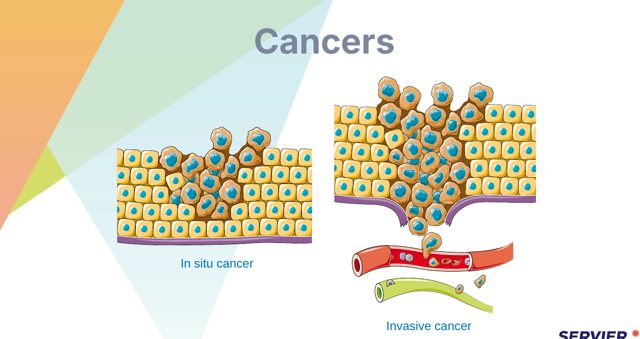
- Grows LOCALLY
- Usually ENCAPSULATED
- Does NOT spread
- Cells resemble the tissue of origin
- INVADES surrounding tissue
- Can METASTASISE
- Through the blood, the lymphatics, or across body cavities
- Cells poorly resemble the tissue of origin
STAGING describes how far the disease has spread; GRADING describes how abnormal the cells look. The TNM system records the size of the Tumour, whether Nodes are involved, and whether there are Metastases — and the stage is the single strongest determinant of treatment and prognosis.
تحديد المرحلة يصف مدى انتشار المرض، والتدرّج يصف مدى شذوذ مظهر الخلايا. ونظام TNM يسجّل حجم الورم وإصابة العقد ووجود نقائل — والمرحلة أقوى محدّد منفرد للعلاج والإنذار.
Risk factors divide into those that can be changed and those that cannot. Modifiable: tobacco, obesity, physical inactivity, diet, alcohol, sun exposure, and certain infections such as hepatitis B and C and human papillomavirus. Non-modifiable: age, sex, genetics and family history. Screening aims to detect cancer or its precursors before symptoms appear, and it only works if people attend — which is why uptake, not just the existence of a programme, is what determines whether it saves lives.
عوامل الخطر تنقسم إلى ما يمكن تغييره وما لا يمكن. فالقابلة للتعديل: التبغ والسمنة وقلّة النشاط البدني والنظام الغذائي والكحول والتعرّض للشمس وعدوى معيّنة كالتهاب الكبد ب وج وفيروس الورم الحليمي البشري. وغير القابلة للتعديل: العمر والجنس والوراثة والقصّة العائلية. والمسح يهدف إلى كشف السرطان أو طلائعه قبل ظهور الأعراض، وهو لا ينفع إلا إن حضر الناس — ولهذا فالإقبال لا مجرّد وجود البرنامج هو ما يحدّد هل ينقذ أرواحاً.
The warning signs worth teaching are a change in bowel or bladder habit, a sore that does not heal, unusual bleeding or discharge, a lump anywhere, difficulty swallowing or persistent indigestion, an obvious change in a wart or mole, and a nagging cough or hoarseness — together with unexplained weight loss, night sweats and persistent fatigue. Diagnosis rests on biopsy, which gives the tissue diagnosis, supported by imaging and, in some cancers, tumour markers.
العلامات التحذيرية الجديرة بالتعليم هي تغيّر في عادة الأمعاء أو المثانة وقرحة لا تلتئم ونزف أو إفراز غير معتاد وكتلة في أيّ مكان وصعوبة بلع أو عسر هضم مستمرّ وتغيّر واضح في ثؤلول أو شامة وسعال ملحّ أو بحّة — مع نقص وزن غير مفسَّر وتعرّق ليلي وتعب مستمرّ. والتشخيص يقوم على الخزعة التي تعطي التشخيص النسيجي، مدعومةً بالتصوير وواسمات الأورام في بعض السرطانات.
Treatment uses several modalities, often together. Surgery removes the tumour and may be curative, debulking or palliative. Chemotherapy acts on rapidly dividing cells throughout the body. Radiotherapy damages the DNA of cells in a defined area. Hormonal therapy is used where the tumour depends on a hormone. Targeted therapy and immunotherapy act on specific molecular features or harness the immune system. Stem cell transplantation follows marrow-ablating treatment. Treatment intent is curative, adjuvant, neoadjuvant or palliative, and knowing which applies changes how the nurse frames every conversation.
العلاج يستخدم عدّة وسائط معاً غالباً. فالجراحة تزيل الورم وقد تكون شافية أو مُصغِّرة أو تلطيفية. والعلاج الكيميائي يعمل على الخلايا السريعة الانقسام في الجسم كلّه. والعلاج الشعاعي يُتلف الحمض النووي لخلايا في منطقة محدّدة. والعلاج الهرموني يُستخدَم حيث يعتمد الورم على هرمون. والعلاج الموجّه والمناعي يعملان على سمات جزيئية محدّدة أو يسخّران المناعة. وزرع الخلايا الجذعية يتبع علاجاً مُفنياً للنقي. وقصد العلاج شافٍ أو مساعد أو مساعد تمهيدي أو تلطيفي، ومعرفة أيّها ينطبق تغيّر كيف تؤطّر الممرضة كلّ حديث.
9.2 · Common Cancers and Their Presentations٩٫٢ · السرطانات الشائعة وتظاهراتها
Skin cancer is worth teaching about in a country with intense sun.
سرطان الجلد يستحقّ التعليم عنه في بلد بشمس شديدة.
And the prevention message that belongs with it: avoid the sun in the middle of the day, cover up, use broad-spectrum high-factor protection and reapply it — and note that in a hot climate the practical difficulty is not knowledge but shade and timing, so the advice is framed around what is actually possible.
ورسالة الوقاية المصاحبة لها: تجنّب الشمس منتصف اليوم والتغطّي واستخدام واقٍ واسع الطيف عالي المعامل وإعادة وضعه — ويُلاحَظ أن الصعوبة العملية في مناخ حارّ ليست المعرفة بل الظلّ والتوقيت، ولذلك تُصاغ النصيحة حول ما هو ممكن فعلاً.
9.3 · Chemotherapy and Its Effects٩٫٣ · العلاج الكيميائي وآثاره
Chemotherapy kills RAPIDLY DIVIDING cells, and because it cannot distinguish cancer cells from the body’s own fast-dividing tissues, its side effects fall predictably on the bone marrow, the lining of the gastrointestinal tract, and the hair follicles. Every side effect in this section follows from that one sentence.
العلاج الكيميائي يقتل الخلايا سريعة الانقسام، ولأنه لا يستطيع تمييز خلايا السرطان عن أنسجة الجسم سريعة الانقسام تقع آثاره الجانبية بشكل متوقّع على نقي العظم وبطانة السبيل الهضمي وجريبات الشعر. وكلّ أثر جانبي في هذا القسم ينتج عن هذه الجملة الواحدة.
The practical consequence: a patient who becomes unwell in that window is assessed urgently, and he is taught to know his own nadir — because a fever on day 10 means something different from a fever on day 20, and he is the one who has to make that judgement at home.
العاقبة العملية: أن المريض الذي يتوعّك في تلك النافذة يُقيَّم عاجلاً ويُعلَّم أن يعرف حضيضه هو — فحمّى في اليوم العاشر تعني شيئاً مختلفاً عن حمّى في اليوم العشرين، والمريض هو من عليه أن يُصدر هذا الحكم في المنزل.
9.4 · Organ Toxicity, Oral Treatment and Trials٩٫٤ · سمّية الأعضاء والعلاج الفموي والتجارب
Oral chemotherapy is taken at home and is often mistakenly regarded as MILDER. It is the same class of drug with the same toxicity and the same handling precautions.
العلاج الكيميائي الفموي يُؤخَذ في المنزل وكثيراً ما يُعدّ خطأً أخفّ. وهو الصنف نفسه بالسميّة نفسها واحتياطات التداول نفسها.
Patients are often offered entry to a CLINICAL TRIAL, and the nursing role is to PROTECT THE INTEGRITY OF THE CONSENT.
يُعرَض على المرضى غالباً الدخول في تجربة سريرية، ودور التمريض هو حماية سلامة الموافقة.
9.5 · Extravasation of a Vesicant٩٫٥ · تسرّب دواء منفِّط خارج الوعاء
A VESICANT is a drug that causes blistering, tissue necrosis and PERMANENT damage if it leaks out of the vein into the surrounding tissue. Extravasation is that leak — and it can destroy tendons and nerves and require surgical reconstruction.
المنفِّط دواء يسبّب تنفّطاً ونخراً نسيجياً وتلفاً دائماً إن تسرّب من الوريد إلى النسيج المحيط. والتسرّب خارج الوعاء هو ذلك التسرّب وقد يدمّر الأوتار والأعصاب ويستلزم إعادة بناء جراحية.
9.6 · Radiotherapy and Radiation Safety٩٫٦ · العلاج الشعاعي والسلامة الإشعاعية
Radiotherapy damages the DNA of cells in the treated area, and because it is local, its side effects are local too — with the important exception of fatigue, which is systemic, cumulative and the most commonly reported effect of all.
يُتلف العلاج الشعاعي الحمض النووي لخلايا المنطقة المعالَجة، ولأنه موضعي فآثاره الجانبية موضعية أيضاً — باستثناء مهمّ هو التعب، وهو جهازي وتراكمي وأكثر الآثار إبلاغاً على الإطلاق.
- The radiation comes from a machine outside the body
- The patient is NOT radioactive
- At any time, including immediately after treatment
- No precautions are needed around him
- And saying so plainly matters — families avoid contact out of fear nobody corrected
- A radioactive source is placed INSIDE the body
- He IS a radiation source while it is in place
- TIME, DISTANCE, SHIELDING — the three principles
- Minimise time in the room; maximise distance; use shielding per protocol
- Restrictions on pregnant staff and on children visiting
That distinction is the most examined thing in this section, and it is the one families most need explained: a patient having external beam radiotherapy can be held, hugged and sat with, and a patient who has been left alone because nobody said so has been harmed by an omission.
ذلك التمييز أكثر ما يُختبَر في هذا القسم، وهو ما تحتاج الأسر إلى شرحه أكثر من غيره: أن مريض العلاج الشعاعي بالحزمة الخارجية يمكن ضمّه واحتضانه والجلوس معه، وأن المريض الذي يُترك وحيداً لأن أحداً لم يقل ذلك قد أُصيب بضرر نتيجة إغفال.
9.7 · Oncologic Emergencies٩٫٧ · طوارئ الأورام
Superior vena cava obstruction occurs when a tumour or thrombus compresses the vein returning blood from the head, neck and arms. It gives swelling of the face, neck and arms, distended veins over the neck and chest wall, breathlessness, cough, hoarseness, and a headache that is worse on bending forward or lying down. Sit the patient upright, give oxygen, avoid intravenous access and blood pressure measurement in the upper limbs where possible, keep him calm since anxiety worsens the breathlessness, and escalate urgently.
انسداد الوريد الأجوف العلوي يحدث حين يضغط ورم أو خثرة الوريد العائد بالدم من الرأس والعنق والذراعين. ويعطي تورّم الوجه والعنق والذراعين وأوردة بارزة على العنق وجدار الصدر وضيق نفس وسعالاً وبحّة وصداعاً أسوأ عند الانحناء للأمام أو الاستلقاء. يُجلَس المريض منتصباً، ويُعطى الأكسجين، ويُتجنَّب المدخل الوريدي وقياس الضغط في الطرفين العلويين حيثما أمكن، ويُبقى هادئاً لأن القلق يزيد ضيق النفس، ويُصعَّد الأمر عاجلاً.
Hypercalcaemia of malignancy develops from bone destruction or tumour-secreted factors, and its features are summarised as stones, bones, groans and moans: renal stones and polyuria with thirst and dehydration; bone pain; abdominal groans — nausea, vomiting, constipation and anorexia; and psychic moans — fatigue, weakness, confusion, drowsiness and, if severe, coma. It is easily mistaken for disease progression or opioid effect. Treatment is generous intravenous rehydration first, followed by a bisphosphonate, with careful fluid balance and monitoring of the calcium and renal function.
فرط كالسيوم الخباثة ينشأ من تدمير عظمي أو عوامل يفرزها الورم، وسماته تُلخَّص بحصيات وعظام وأنين وشكوى: حصيات كلوية وبوال مع عطش وجفاف؛ وألم عظمي؛ وأنين بطني — غثيان وتقيّؤ وإمساك وفقد شهيّة؛ وشكوى نفسية — تعب وضعف وتشوّش ونعاس وغيبوبة إن اشتدّ. ويسهل أن يُظَنّ تقدّماً للمرض أو أثراً أفيونياً. والعلاج إماهة وريدية سخيّة أولاً يتبعها بيسفوسفونات مع ميزان سوائل دقيق ومراقبة الكالسيوم ووظيفة الكلى.
Three further emergencies are covered elsewhere but belong on this list: neutropenic sepsis, where a fever in a neutropenic patient needs cultures and antibiotics within the hour; tumour lysis syndrome, with its high potassium, phosphate and urate and low calcium; and malignant pericardial effusion progressing to cardiac tamponade, which presents with breathlessness, distended neck veins, muffled heart sounds and hypotension, and is a form of obstructive shock. Raised intracranial pressure from brain metastases and massive haemorrhage complete the group.
ثلاث حالات طارئة أخرى مغطّاة في مواضع أخرى لكنها تنتمي إلى هذه القائمة: الإنتان بقلّة العدلات حيث تحتاج الحمّى لدى مريض قليل العدلات مزارع ومضادات حيوية خلال الساعة؛ ومتلازمة انحلال الورم بارتفاع البوتاسيوم والفوسفات والبولات وانخفاض الكالسيوم؛ والانصباب التاموري الخبيث المتقدّم إلى سطام القلب ويتظاهر بضيق نفس وأوردة عنق بارزة وأصوات قلب مكتومة وهبوط ضغط وهو شكل من الصدمة الانسدادية. وارتفاع الضغط داخل القحف من نقائل دماغية والنزف الهائل يُكملان المجموعة.
9.8 · Living With and Beyond Cancer٩٫٨ · التعايش مع السرطان وما بعده
Cancer pain is managed on the analgesic ladder: non-opioid, then a weak opioid, then a strong opioid, with adjuvants at every step. Two points are specific to cancer.
ألم السرطان يُدبَّر بسلّم المسكّنات: غير أفيوني ثم أفيوني ضعيف ثم قوي مع أدوية مساعدة في كلّ درجة. ونقطتان خاصّتان بالسرطان.
- Regular analgesia around the clock for background pain
- PLUS a breakthrough dose available and given
- ‘As required’ alone is undertreatment
- And breakthrough doses used repeatedly mean the background dose is too low — that is the signal to act on
- Addiction in cancer pain is rare, and fear of it causes real undertreatment
- Tolerance is not addiction, and needing more does not mean the disease has won
- Starting morphine does not mean the end is near — which is what most patients actually believe
- Constipation is universal — a laxative is prescribed WITH the opioid, not after
- And nausea usually settles in days, which is worth saying before it starts
After a mastectomy or axillary surgery: care covers the wound and drain — measuring and recording output, and teaching him to manage it at home if discharged with it — arm and shoulder exercises as prescribed and started on time, because delay causes a frozen shoulder, and body image, which is asked about rather than waited for. And the practical thing nobody arranges: prosthesis and bra fitting, and the information about reconstruction, which many women are never told is an option.
بعد استئصال الثدي أو جراحة الإبط: تشمل الرعاية الجرح والمنزح — بقياس الناتج وتسجيله، وتعليم المريض التعامل معه في المنزل إن خرج به — وتمارين الذراع والكتف كما تُوصَف وتبدأ في وقتها لأن التأخير يسبّب تجمّد الكتف، وصورة الجسد التي يُسأل عنها بدلاً من انتظار الحديث عنها. وهناك الأمر العملي الذي لا يرتّبه أحد: تركيب الثدي الصناعي وحمّالة الصدر، والمعلومات عن إعادة البناء التي لا تُخبَر كثير من النساء بأنها خيار متاح.
9.9 · Nutrition, Newer Toxicities and What Patients Take at Home٩٫٩ · التغذية والسمّيات الأحدث وما يتناوله المرضى في المنزل
Cancer CACHEXIA is progressive loss of weight and especially of MUSCLE, driven by the disease itself, and its defining feature is that it is NOT fully reversed by feeding alone — which distinguishes it from simple undernutrition and is why ‘just eat more’ fails and makes the family feel they have failed too.
الدنف السرطاني فقدان تدريجي للوزن، وخاصّةً للعضلات، يقوده المرض نفسه، وسمته المعرِّفة أنه لا ينعكس تماماً بالتغذية وحدها — وهذا ما يميّزه عن سوء التغذية البسيط، وهو سبب إخفاق عبارة «كُل أكثر» وشعور الأسرة بأنها هي أيضاً قد أخفقت.
Taste change is very common and rarely asked about. Patients describe a persistent metallic taste, food tasting of nothing, or a sudden aversion to foods they previously liked — particularly meat. Practical answers: plastic rather than metal cutlery, cold or room-temperature food, which has less smell, stronger flavours, marinades and sauces, rinsing the mouth before eating, and trying different protein sources when meat has become impossible. Asking about it is what makes any of that available — nobody volunteers a symptom they assume is trivial.
تغيّر الطعم شائع جداً ونادراً ما يُسأل عنه. فالمرضى يصفون طعماً معدنياً مستمرّاً أو طعاماً بلا طعم أو نفوراً مفاجئاً من أطعمة أحبّوها خاصّةً اللحم. والأجوبة العملية: أدوات مائدة بلاستيكية لا معدنية، وطعام بارد أو بحرارة الغرفة لأن رائحته أقل، ونكهات أقوى، ومتبّلات وصلصات، ومضمضة الفم قبل الأكل، وتجربة مصادر بروتين أخرى حين يصبح اللحم متعذّراً. والسؤال عن هذا العَرَض هو ما يتيح كلّ ذلك — فلا أحد يذكر عَرَضاً يظنّه تافهاً.
- Falls on rapidly dividing tissue
- Marrow, gut lining, hair
- Predictable in timing — the nadir
- Managed by supportive care and dose adjustment
- Works by RELEASING the immune system against the tumour
- So the toxicities are AUTOIMMUNE in character
- Can affect almost ANY organ — colitis, hepatitis, pneumonitis, thyroiditis, adrenal insufficiency, skin
- Unpredictable in timing — including weeks or months after treatment stops
- Treated with STEROIDS, not by stopping and waiting
Two consequences follow. A new symptom in a patient on immunotherapy is an immune-related adverse event until proved otherwise — diarrhoea is colitis, breathlessness is pneumonitis, fatigue may be endocrine — and it is escalated rather than managed symptomatically. And because it can appear long after the drug has stopped, he carries an alert card, and anyone treating him elsewhere needs to know he has had it.
ويترتّب على ذلك أمران. أولهما أن أيّ عرَض جديد في مريض على علاج مناعي حدث ضائر مناعي حتى يُثبَت خلافه — فالإسهال التهاب قولون وضيق النفس التهاب رئة والتعب قد يكون صمّاوياً — ويُصعَّد الأمر بدلاً من تدبيره بالأعراض فقط. ولأنه قد يظهر بعد توقّف الدواء بوقت طويل فهو يحمل بطاقة تنبيه، وكلّ من يعالجه في مكان آخر يحتاج إلى معرفة أنه تلقّى هذا العلاج.
- Symptom-focused care
- Can run ALONGSIDE active treatment
- From DIAGNOSIS, not from the end
- Early palliative care improves quality of life
- And in some cancers, SURVIVAL
- About the LAST part of life
- A different service, at a different point
- Not the same thing at all
- So a referral to palliative care is NOT a signal that treatment has been abandoned
- And saying so explicitly, AT the referral, is part of making it work
9.10 · Recognising the Deteriorating Patient٩٫١٠ · تمييز المريض المتدهور
Most in-hospital arrests are preceded by HOURS of abnormal observations that were RECORDED but NOT ACTED ON. That is why early warning scores exist: each vital sign is scored against a normal range, and the total triggers a defined response.
معظم حالات توقّف القلب داخل المستشفى تسبقها ساعات من قياسات شاذّة سُجّلت ولم يُتّخذ بشأنها أي إجراء. ولهذا توجد درجات الإنذار المبكّر: فكلّ علامة حيوية تُدرَّج مقابل مدى طبيعي والمجموع يُطلق استجابةً محدّدة.
- Fever OR a LOW temperature — and the low one is more sinister
- Tachycardia, tachypnoea, hypotension
- Confusion or a change in behaviour — often the first sign in an older person
- Reduced urine output, mottled skin, a rising lactate
- And it can present without a fever — in the old, the immunosuppressed and the very young
- Blood cultures, lactate and urine output measured
- Antibiotics, oxygen and intravenous fluid GIVEN
- Within the first hour
- Cultures BEFORE antibiotics — but antibiotics are NOT delayed for cultures
- Every hour of delay to antibiotics increases mortality
9.11 · Shock: Types and Stages٩٫١١ · الصدمة: الأنواع والمراحل
Shock is inadequate tissue perfusion, and it has four mechanisms. Hypovolaemic — not enough volume, from haemorrhage, burns, vomiting, diarrhoea or third-space loss. Cardiogenic — the pump has failed, most often after myocardial infarction. Distributive — the volume is normal but the vessels have dilated so it is in the wrong place, which covers septic, anaphylactic and neurogenic shock. Obstructive — a physical obstruction to blood flowing into or out of the heart, which is the definition to know, caused by tension pneumothorax, cardiac tamponade or massive pulmonary embolism.
الصدمة تروية نسيجية غير كافية، ولها أربع آليات. نقص الحجم — حجم غير كافٍ من نزف أو حروق أو تقيّؤ أو إسهال أو فقد للحيّز الثالث. والقلبية — فشلت المضخّة بعد احتشاء عضلة القلب غالباً. والتوزيعية — الحجم طبيعي لكن الأوعية توسّعت فهو في المكان الخطأ، وتشمل الصدمة الإنتانية والتأقية والعصبية. والانسدادية — عائق مادّي يمنع جريان الدم إلى القلب أو منه، وهو التعريف الواجب معرفته، ويسبّبه استرواح الصدر الضاغط أو سطام قلب أو انصمام رئوي هائل.
Shock progresses through stages, and recognising the compensatory stage is what allows intervention before harm. In it the body compensates: the sympathetic response gives tachycardia, tachypnoea, cool clammy pale skin from vasoconstriction, restlessness and anxiety, a narrowing pulse pressure and a falling urine output — while the blood pressure is still normal. That is the crucial point: a normal blood pressure does not exclude shock, and waiting for hypotension means waiting until compensation has failed.
والصدمة تتقدّم عبر مراحل، وتمييز المرحلة التعويضية هو ما يتيح التدخّل قبل الضرر. ففيها يعوّض الجسم: فالاستجابة الودّية تعطي تسرّع نبض وتسرّع تنفّس وجلداً بارداً رطباً شاحباً من التقبّض الوعائي وتململاً وقلقاً وضغط نبض متضيّقاً وإدرار بول هابطاً — والضغط ما زال طبيعياً. وتلك النقطة الحاسمة: الضغط الطبيعي لا ينفي الصدمة، وانتظار هبوطه يعني الانتظار حتى يفشل التعويض.
In the progressive stage compensation fails: the blood pressure falls, the conscious level deteriorates, the skin becomes mottled, the urine output falls further, and a metabolic acidosis with a rising lactate develops as tissues metabolise anaerobically. In the refractory stage the organs fail irreversibly. Management principles across all types: oxygen, large-bore intravenous access, fluid resuscitation where appropriate, treat the cause, monitor continuously and measure the urine output — and in cardiogenic shock be cautious with fluids, since the problem is a failing pump rather than an empty tank.
في المرحلة التقدّمية يفشل التعويض: فيهبط الضغط ويتدهور مستوى الوعي ويصير الجلد مرقّطاً ويهبط إدرار البول أكثر وينشأ حماض استقلابي مع لاكتات مرتفعة مع استقلاب الأنسجة لاهوائياً. وفي المرحلة المعندة تفشل الأعضاء بلا رجعة. ومبادئ التدبير في كلّ الأنواع: أكسجين ومدخل وريدي واسع وإنعاش بالسوائل حيث يناسب ومعالجة السبب ومراقبة مستمرّة وقياس إدرار البول — ويُتوخّى الحذر مع السوائل في الصدمة القلبية، فالمشكلة مضخّة فاشلة لا خزّان فارغ.
- Such as noradrenaline
- CONSTRICT the vessels to raise the blood pressure
- Used in DISTRIBUTIVE shock
- During or after fluid resuscitation if the pressure stays low — never instead of the VOLUME
- Squeezing an empty tank achieves nothing
- Such as dobutamine
- INCREASE the force of cardiac contraction
- Used where the PUMP is weak
- Cardiogenic shock and low cardiac output
- A different problem, a different drug
Both are given through a CENTRAL line wherever possible, on a dedicated pump, and never bolused or flushed — a flush delivers a bolus and causes a hypertensive surge or an arrhythmia. Peripheral extravasation causes tissue necrosis, so the site is checked continuously.
وكلاهما يُعطى عبر خطّ مركزي حيثما أمكن على مضخّة مخصّصة ولا يُدفَعان ولا يُغسَلان أبداً — فالغسل يُعطي جرعة دفعة واحدة ويسبّب ارتفاعاً مفاجئاً في الضغط أو اضطرابَ نظم. والتسرّب خارج الوعاء في الخطّ المحيطي يسبّب نخر النسيج، ولذلك يُفحَص الموضع باستمرار.
9.12 · Airway, Ventilation and the Ventilator Alarms٩٫١٢ · المجرى والتهوية وإنذارات جهاز التنفّس
The ventilator alarms divide into TWO groups, and the distinction is simple once the logic is clear.
إنذارات جهاز التنفّس تنقسم إلى مجموعتين والتمييز بسيط بمجرّد وضوح المنطق.
- Something is OBSTRUCTING flow
- Secretions needing suction
- The patient biting or coughing
- A kinked tube, or the tube against the carina
- Bronchospasm, or a PNEUMOTHORAX
- Reduced compliance — stiff lungs
- Air is escaping somewhere
- A DISCONNECTION — check the whole circuit
- A leaking or deflated cuff
- The tube displaced out of the airway
- Or a leak in the circuit itself
The rule that resolves any alarm: look at the PATIENT before the machine. Is he ventilating? Is his chest moving? What are his saturations? And if you cannot immediately resolve it, disconnect and ventilate by hand with oxygen while someone finds the problem — which converts an equipment problem into one you can control.
القاعدة التي تحلّ أيّ إنذار: يُنظَر إلى المريض قبل الجهاز. هل يتهوّى؟ هل يتحرّك صدره؟ وما نسبة تشبّعه بالأكسجين؟ وإن تعذّر حلّها فوراً فيُفصَل المريض عن الجهاز ويُهوَّى يدوياً بالأكسجين بينما يبحث شخص آخر عن المشكلة — وهذا يحوّل مشكلة الجهاز إلى مشكلة يمكن التحكّم بها.
9.13 · Advanced Respiratory Support and Tracheostomy٩٫١٣ · الدعم التنفّسي المتقدّم وفغر الرغامى
In severe acute respiratory distress syndrome, PRONE POSITIONING — nursing the patient face down for extended periods — improves oxygenation by recruiting collapsed dependent lung. It is effective but hazardous.
في متلازمة الضائقة التنفّسية الحادّة الشديدة تحسّن الوضعية الانبطاحية — أي تمريض المريض على وجهه لفترات طويلة — الأكسجة بتجنيد الرئة السفلية المنهارة. وهي فعّالة لكنها خطرة.
A tracheostomy needs specific emergency preparedness. Keep at the bedside: a spare tube of the SAME size and one a size SMALLER, tracheal dilators, a suction unit, and the emergency algorithm.
فغر الرغامى يحتاج تأهّباً إسعافياً محدّداً. يُحتفَظ عند السرير بأنبوب احتياطي بالمقاس نفسه وآخر أصغر منه بمقاس واحد، وموسّعات رغامية، ووحدة شفط، والخوارزمية الإسعافية.
9.14 · Weaning and Decannulation٩٫١٤ · الفطام ونزع الأنبوب
Weaning from ventilation begins with a DAILY ASSESSMENT OF READINESS rather than a fixed timetable.
الفطام من التهوية يبدأ بتقييم جاهزية يومي لا بجدول ثابت.
- A team of experienced critical care staff
- Who review deteriorating WARD patients on request
- And follow up those recently discharged FROM intensive care
- Reduces arrests, admissions and readmissions
- And calling early is not a failure — it is what the service is for
- Because a critical care handover carries an enormous amount
- A defined format, every time, so nothing depends on memory
- Uninterrupted, with the lines, drugs and outstanding results named
- And what is PENDING — the result not back, the review not done
- Which is where things fall between shifts
9.15 · Monitoring, Lines and the Complications of Intensive Care٩٫١٥ · المراقبة والخطوط ومضاعفات العناية المركّزة
An arterial line gives continuous blood pressure measurement and allows repeated blood gas sampling. Its nursing care: keep the transducer levelled at the phlebostatic axis and re-level with position changes, keep the pressurised flush system running, ensure all connections are Luer-locked and visible since disconnection causes rapid exsanguination, check the circulation distal to the site regularly, label the line clearly, and never inject a drug into an arterial line. A central venous catheter allows vasoactive drugs, parenteral nutrition and pressure measurement; the risks are infection, thrombosis and, at insertion, pneumothorax.
الخطّ الشرياني يعطي قياس ضغط مستمرّاً ويتيح أخذ عيّنات غازات دم متكرّرة. ورعايته التمريضية: يُبقى المحوّل مسوّى عند المحور الفلبوستاتيكي وتُعاد التسوية مع تغيّر الوضعية، ويُبقى نظام الغسل المضغوط عاملاً، ويُتأكَّد أن كلّ الوصلات مقفلة بلوير ومرئية فالانفصال يسبّب نزفاً سريعاً حتى الموت، ويُفحَص الدوران القاصي للموقع بانتظام، ويُوسَم الخطّ بوضوح، ولا يُحقَن دواء في خطّ شرياني أبداً. والقسطرة الوريدية المركزية تتيح أدوية وعائية فعّالة وتغذية وريدية وقياس ضغط؛ والمخاطر عدوى وخثار واسترواح صدر عند الإدخال.
ICU delirium is common, distressing, independently associated with worse outcomes and longer stay — and it is largely PREVENTABLE.
هذيان العناية المركّزة شائع ومكرب ومرتبط ارتباطاً مستقلاً بنتائج أسوأ وإقامة أطول — وهو قابل للمنع إلى حدّ بعيد.
Intensive care acquired weakness develops within days of critical illness and immobility, and it prolongs ventilation and delays recovery for months afterwards; early mobilisation and physiotherapy are the countermeasures. The critically ill patient is also at high risk of pressure injury — from immobility, poor perfusion, vasopressors, moisture and devices, so the skin under every tube, line, mask and collar is inspected — and needs stress ulcer prophylaxis, thromboprophylaxis and early enteral nutrition, since the gut is used where it works, as Chapter 05 sets out.
الضعف المكتسب في العناية المركّزة ينشأ خلال أيام من المرض الحرج والجمود، ويطيل التهوية ويؤخّر التعافي أشهراً بعدها؛ والتحريك المبكّر والعلاج الطبيعي هما الإجراءان المضادّان. والمريض الحرج معرَّض أيضاً بدرجة عالية لخطر إصابات الضغط — من الجمود وضعف التروية ورافعات الضغط والرطوبة والأجهزة، فيُفحَص الجلد تحت كلّ أنبوب وخطّ وقناع وطوق — ويحتاج وقاية من قرحة الكرب ومن الخثار، وتغذية معوية مبكّرة، فالأمعاء تُستخدَم حيث تعمل كما يبيّن الفصل الخامس.
9.16 · Assessing the Patient Who Cannot Tell You٩٫١٦ · تقييم المريض غير القادر على الإفصاح
Pain in intensive care is systematically under-recognised, for one reason: the patient often cannot report it. A sedated, ventilated or delirious patient has no way to say he is in pain — and the absence of a complaint is taken as the absence of pain.
الألم في العناية المركّزة لا يُتعرَّف عليه بالقدر الكافي بصورة منهجية لسبب واحد: أن المريض كثيراً ما لا يستطيع الإبلاغ عنه. فالمريض المهدّأ أو الموصول بجهاز التنفّس أو الهاذي لا سبيل له إلى القول إنه متألّم، ويُؤخَذ غياب الشكوى على أنه غياب الألم.
- A validated sedation scale lets the team set a TARGET level and titrate to it
- Rather than sedating by habit or convenience
- OVER-sedation prolongs ventilation, lengthens stay and increases delirium
- UNDER-sedation causes distress, agitation and self-extubation
- Daily sedation interruption where protocol allows, to assess and to shorten ventilation
- With a validated tool at least once a SHIFT
- Not simply noticed when a patient becomes agitated
- Because the HYPOACTIVE form — quiet, withdrawn, slowed — is the COMMONEST
- And it is the one nobody reports, because he looks settled
- And it carries the worse outcome of the two
The prevention of delirium is largely non-pharmacological and largely nursing: orientation, familiar faces and objects, glasses and hearing aids in, early mobilisation, day-night lighting, treating pain, and avoiding the drugs that cause it — which is more effective than anything given to treat it once established.
منع الهذيان غير دوائي إلى حدّ بعيد وتمريضي: توجيه المريض ووجوه وأشياء مألوفة ونظّارات ومعينات سمعية وتحريك مبكّر وإضاءة نهارية ليلية وعلاج الألم وتجنّب الأدوية المسبّبة له — وهذا أنجع من أيّ علاج يُعطى بعد ترسّخه.
Two further elements of daily intensive care. Sleep is fragmented and shallow — disrupted by noise, light, alarms, conversation and interventions — and poor sleep DRIVES delirium. Practically: cluster care to allow uninterrupted periods, dim lights at night, reduce alarm volume where safe, keep voices down, and question whether an observation at 3am changes anything. And early mobilisation — even passive movement and sitting out — reduces weakness, delirium and length of stay, and is started far earlier than instinct suggests.
عنصران آخران من عناصر العناية المركّزة اليومية. فالنوم مجزّأ وسطحي — يعطّله الضجيج والضوء والإنذارات والحديث والتدخّلات — وسوء النوم يقود الهذيان. وعملياً: تجميع إجراءات الرعاية لإتاحة فترات متواصلة، وخفض الإضاءة ليلاً، وخفض صوت الإنذارات حيث يكون ذلك آمناً، وخفض الأصوات، والتساؤل عمّا إذا كان قياس في الثالثة فجراً يغيّر شيئاً. والتحريك المبكّر — حتى الحركة السلبية والجلوس خارج السرير — يقلّل الضعف والهذيان ومدّة الإقامة، ويُبدأ به أبكر بكثير ممّا يوحي به الحدس.
9.17 · Transfer, Handover, Lines and Life After Intensive Care٩٫١٧ · النقل والتسليم والخطوط والحياة بعد العناية المركّزة
Transporting a critically ill patient — to imaging, theatre or another unit — is one of the HIGHEST-RISK periods in his stay, because monitoring, equipment and staffing are all reduced at exactly the moment he is moved.
نقل مريض حرج — للتصوير أو غرفة العمليات أو وحدة أخرى — من أعلى الفترات خطراً في إقامته، فالمراقبة والمعدّات وعدد العاملين كلّها تقلّ في اللحظة نفسها التي يُحرَّك فيها.
- Full aseptic technique for insertion and access
- Scrub the hub, every time
- Dressing intact, dated and changed per protocol
- Site inspected every shift for redness, discharge or tenderness
- And the daily question: does he still NEED it?
- Clearly LABELLED as arterial — because an accidental injection into an artery causes limb ischaemia
- Kept visible, never covered by bedding
- Because a disconnection bleeds rapidly and silently
- Alarms ON and audible
- And the limb checked for perfusion regularly
9.18 · Critical Emergencies٩٫١٨ · الطوارئ الحرجة
- Air trapped in the pleural space under INCREASING pressure
- It collapses the lung, then pushes the mediastinum ACROSS
- Obstructing venous return to the heart
- Severe breathlessness, absent breath sounds and hyper-resonance on one side
- Tachycardia, hypotension, distended neck veins; tracheal deviation late
- Treated IMMEDIATELY — not after a chest X-ray
- Waiting for imaging is how patients die of it
- Urgent decompression, then a chest drain
- And it can be CAUSED by positive-pressure ventilation
- So sudden deterioration with a high-pressure ventilator alarm is this until excluded
9.19 · Poisoning and Circulatory Assessment٩٫١٩ · التسمّم وتقييم الدوران
In poisoning or overdose, whether accidental or deliberate, the approach is ABCDE FIRST and identification of the agent SECOND — supportive care keeps the patient alive while the substance is identified and any antidote considered.
في التسمّم أو الجرعة الزائدة سواء عرَضاً أو عمداً فالنهج ABCDE أولاً وتحديد العامل ثانياً — فالرعاية الداعمة تُبقي المريض حيّاً بينما تُحدَّد المادّة ويُنظَر في استعمال أيّ ترياق.
Where the overdose may have been deliberate, the physical treatment and the psychological response run together. Treat the medical problem fully and without judgement — patients who have self-harmed report being treated dismissively, and that both worsens outcomes and deters them from seeking help again. Ensure a mental health assessment is arranged before discharge, maintain safety, and communicate with the same courtesy given to any other patient.
حيث قد تكون الجرعة الزائدة متعمّدة يجري العلاج البدني والاستجابة النفسية معاً. تُعالَج المشكلة الطبية كاملةً ودون حكم — فالمرضى الذين آذوا أنفسهم يذكرون أنهم عوملوا باستخفاف، وذلك يزيد سوء النتائج ويثبّطهم عن طلب المساعدة مجدّداً. ويُتأكَّد من ترتيب تقييم صحّة نفسية قبل الخروج، وتُحفَظ السلامة، ويُتواصَل بالكياسة نفسها المقدَّمة لأيّ مريض آخر.
- Press a nail bed or the sternum for five seconds and release
- Colour should return in under TWO seconds
- Longer suggests poor peripheral perfusion
- But it is affected by cold, age and lighting
- So it is one sign among several, not a verdict
- Often the EARLIEST reliable sign of falling perfusion
- Because the kidney is sacrificed early to protect the brain and heart
- Measured hourly in an acutely unwell patient
- Recorded as a number — including a zero
- A falling output over three hours is a finding, not a fluid chart entry
9.20 · Patients, Families and Staff in Serious Illness٩٫٢٠ · المرضى والأسر والطاقم في المرض الخطير
Breaking bad news is done badly so often that it is worth stating again.
إبلاغ الأخبار السيّئة كثيراً ما يُؤدّى بسوء، حتى إنه يستحقّ الذكر مجدّداً.
End-of-life decisions in critical care arise when treatment is no longer achieving its goal, and they include limitations of treatment and decisions about resuscitation. The principle carries across unchanged: a decision not to escalate is NEVER a decision to withdraw care — symptom control, dignity, mouth care, positioning, communication and family support continue undiminished, and frequently increase. And the decision is explained as what it IS: a judgement that a particular treatment will not achieve what it is for, not a judgement about the value of his life.
قرارات نهاية الحياة في العناية الحرجة تنشأ حين لا يعود العلاج يحقّق هدفه وتشمل تحديدات العلاج وقرارات الإنعاش. والمبدأ ينتقل دون تغيير: أن قرار عدم التصعيد ليس قرار سحب الرعاية أبداً — فضبط الأعراض والكرامة والعناية بالفم ووضعية الجسم والتواصل ودعم الأسرة تستمرّ دون انتقاص، وتزداد غالباً. ويُشرح القرار على حقيقته: هو حكم بأن علاجاً معيّناً لن يحقّق الغرض الذي وُضع من أجله، لا حكم على قيمة حياة المريض.
- Repeated exposure to death, distress and moral difficulty
- Produces compassion fatigue and burnout
- And in critical care and oncology the exposure is CONSTANTوفي العناية الحرجة والأورام يكون هذا التعرّض مستمرّاً بلا انقطاع
- MORAL DISTRESS — knowing the right action and being prevented from taking itالضيق الأخلاقي — معرفة الإجراء الصحيح مع المنع من اتخاذه
- Which is one of the main routes into burnout in these settingsوهو أحد المسارات الرئيسة المؤدّية إلى الاحتراق في هذه البيئات
- Debrief after a difficult death — briefly, and without blame
- Supervision, and permission to say it was hard
- Recognising that this is OCCUPATIONALإدراك أن هذا الأثر مهني المنشأ
- So the response is staffing, workload, and control over the workولذلك تكون الاستجابة بتوفير العدد الكافي من العاملين وضبط عبء العمل ومنح العاملين تحكّماً في عملهم
- Not resilience training for the individual, which locates the problem in the wrong personلا تدريب الفرد على المرونة النفسية، فذلك يضع المشكلة في الشخص الخطأ
9.21 · When Treatment Can No Longer Achieve Its Goal٩٫٢١ · حين لا يعود العلاج يحقّق غرضه
A treatment is considered FUTILE when it can no longer achieve THE GOAL IT WAS STARTED FOR — NOT when the patient is simply very unwell, and NOT as a judgement about whether a life is worth living.
يُعدّ العلاج غير مجدٍ حين لا يعود يستطيع تحقيق الهدف الذي بُدئ لأجله — لا حين يكون المريض متوعّكاً جداً فحسب ولا كحكم على ما إذا كانت حياة تستحقّ العيش.
9.22 · Cancer and Critical Care in the Saudi Setting٩٫٢٢ · السرطان والعناية الحرجة في السياق السعودي
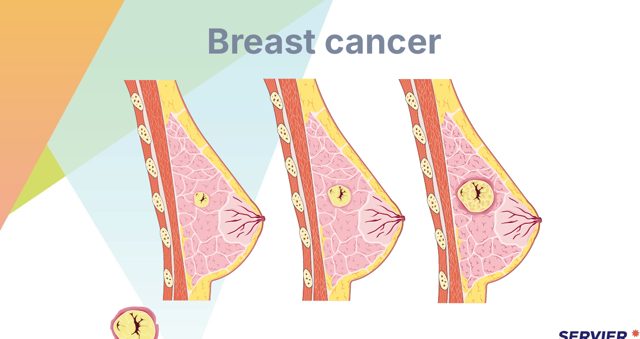
The younger median age at breast cancer diagnosis changes practice, and in a specific way: a breast lump in a woman in her thirties or forties here is not reassured on the basis of age, and screening and awareness messages aimed at older women miss the group who actually present.
العمر الوسيط الأصغر عند تشخيص سرطان الثدي يغيّر الممارسة وبطريقة محدّدة: أن كتلة ثدي في امرأة في الثلاثينات أو الأربعينات هنا لا يُطمأَن إليها على أساس العمر، كما أن رسائل المسح والتوعية الموجّهة إلى النساء الأكبر سنّاً تُغفل الفئة التي تحضر فعلاً.
That gives the nurse a clear and evidence-based role: raise screening OPPORTUNISTICALLY whenever a patient is in contact with the service for another reason; explain what the test actually involves, because the imagined version is worse; correct the specific belief rather than giving general information; and make the referral rather than the recommendation — a woman told to ‘get it checked’ frequently does not, and one given an appointment usually does.
ذلك يعطي الممرضة دوراً واضحاً مبنياً على الأدلّة: يُطرح الفحص انتهازياً كلّما كان المريض على تواصل مع الخدمة لسبب آخر؛ ويُشرح ما ينطوي عليه الاختبار فعلاً لأن الصورة المتخيَّلة أسوأ؛ ويُصحَّح الاعتقاد المحدّد بدلاً من إعطاء معلومات عامة؛ وتُجرى الإحالة لا التوصية — فالمرأة التي يُكتفى بإخبارها بضرورة «إجراء الفحص» كثيراً ما لا تفعل، أمّا التي تُعطى موعداً فتفعل عادةً.
Test yourselfالاختبار الذاتي
Loading… جارٍ التحميل…
Loading… جارٍ التحميل…
Loading… جارٍ التحميل…