اللَّهُمَّ انْفَعْنِي بِمَا عَلَّمْتَنِي، وَعَلِّمْنِي مَا يَنْفَعُنِي، وَزِدْنِي عِلْمًا“O Allah, benefit me by what You have taught me, teach me what benefits me, and increase me in knowledge.”
«رَبِّ زِدْنِي عِلْمًا»“My Lord, increase me in knowledge.” Qur’an, Ṭā-Hā 20:114 · سورة طه، الآية ١١٤
Transferring the performance of a task while retaining accountability for the outcome, which may cover routine tasks in a stable patient but never assessment, care planning, patient teaching or evaluation.نقل أداء مهمة مع بقاء المساءلة عن نتيجتها، ويجوز في المهام الروتينية لدى مريض مستقر، ولا يجوز في التقييم ووضع خطة الرعاية وتثقيف المريض والتقويم.
Rights of medication administrationحقوق إعطاء الدواء
The core check confirmed for every dose: right patient, drug, dose, route and time, completed by the right documentation, reason, response and the patient's right to refuse.التحقّق الأساسي الذي يُؤكَّد عند كل جرعة: المريض الصحيح والدواء الصحيح والجرعة الصحيحة والطريق الصحيح والوقت الصحيح، ويُستكمل بالتوثيق الصحيح والسبب الصحيح والاستجابة الصحيحة وحق المريض في الرفض.
Independent double-checkالتحقق المزدوج المستقل
A check for high-alert drugs in which two people calculate separately and then compare, rather than one reading a number aloud while the other agrees.تحقّق من الأدوية عالية الخطورة يُجري فيه شخصان الحساب كلٌّ على حدة ثم يقارنان النتيجتين، لا أن يقرأ أحدهما الرقم بصوت مرتفع ويوافق الآخر.
Just cultureثقافة العدالة
An approach that distinguishes human error (met with support), at-risk behaviour (met with coaching) and reckless behaviour (the only one that is disciplinary), so that reporting continues and the system can learn.نهج يميّز بين الخطأ البشري (يُقابَل بالدعم) والسلوك المعرِّض للخطر (يُقابَل بالتوجيه) والسلوك المتهوّر (وهو الوحيد الذي يستوجب إجراءً تأديبياً)، بما يحافظ على استمرار الإبلاغ وتعلّم النظام.
Never eventالحدث الذي لا ينبغي أن يقع أبداً
An error so serious and so preventable that it should not occur, such as wrong-site surgery or use of a misplaced nasogastric tube, which is investigated as a system failure by asking which barrier was absent, bypassed or unusable.خطأ بالغ الخطورة وقابل للمنع إلى حدّ يُفترض ألا يقع أبداً، مثل الجراحة في موضع خاطئ أو استخدام أنبوب أنفي معدي في غير موضعه، ويُحقَّق فيه بوصفه إخفاقاً في النظام بالسؤال عن الحاجز الذي غاب أو جرى تجاوزه أو تعذّر استعماله.
Alarm fatigueإجهاد الإنذارات
The loss of response that occurs when monitors alarm constantly and most alarms are false or insignificant, so the important alarm is dismissed with the same reflex as the trivial one.فقدان الاستجابة الذي يحدث حين تُصدر الأجهزة إنذارات متواصلة معظمها كاذب أو غير ذي أهمية، فيُتجاهَل الإنذار المهم بالرد الانعكاسي نفسه الذي يُتجاهَل به الإنذار التافه.
Graded assertivenessالتوكيد المتدرّج
A stepwise way of raising a concern with a more senior person who disagrees, moving from the observation to the question, the concern, the discomfort and request, and then escalation, with documentation of what was raised.أسلوب تدريجي لطرح مصدر قلق على شخص أعلى رتبة لا يوافق عليه، ينتقل من الملاحظة إلى السؤال ثم إبداء القلق ثم عدم الارتياح والطلب ثم التصعيد، مع توثيق ما جرى طرحه.
Missed careالرعاية المُغفَلة
Care that is silently dropped when a ward is short-staffed, usually the invisible tasks such as repositioning, mouth care, mobilisation, teaching and emotional support, with delayed harm such as pressure ulcers and pneumonia.رعاية تُترك بصمت عند نقص الكوادر في الجناح، وتكون عادةً من المهام غير المرئية كتغيير الوضعية والعناية بالفم والتحريك والتثقيف والدعم النفسي، وينجم عنها أذى متأخر كقرحات الضغط والالتهاب الرئوي.
Orthostatic hypotensionهبوط الضغط الانتصابي
A fall in systolic pressure of 20 mmHg or more, or in diastolic pressure of 10 mmHg or more, within three minutes of standing, measured lying then standing, and a reversible contributor to falls.انخفاض الضغط الانقباضي بمقدار 20 ملم زئبق أو أكثر، أو الانبساطي بمقدار 10 ملم زئبق أو أكثر، خلال ثلاث دقائق من الوقوف، ويُقاس في وضعي الاستلقاء ثم الوقوف، وهو عامل قابل للعكس يسهم في السقوط.
Late entryالمدخلة المتأخّرة
Documentation written after the event, which is legitimate only if it is labelled as a late entry and records both the time of the event and the time of writing.توثيق يُكتب بعد وقوع الحدث، ولا يكون مشروعاً إلا إذا وُسم بأنه مدخلة متأخّرة وسُجّل فيه وقت الحدث ووقت الكتابة معاً.
Mass casualty triage (expectant category)الفرز في الحوادث ذات الإصابات الجماعية (فئة المتوقَّع وفاتهم)
A reversal of ordinary triage to the greatest good for the greatest number, sorting by survivability, in which the expectant category, those unlikely to survive even with maximal care, receives comfort care and is reassessed if resources change.انعكاس للفرز المعتاد إلى تحقيق أكبر نفع لأكبر عدد، بالفرز بحسب فرص النجاة، وتتلقى فيه فئة المتوقَّع وفاتهم، أي من يُستبعَد أن ينجوا حتى مع أقصى رعاية، رعاية تلطيفية ويُعاد تقييمها إذا تغيّرت الموارد.
RACEقاعدة RACE للحريق
The fire response: Rescue anyone in immediate danger, Alarm, Contain by closing doors and windows, then Extinguish or Evacuate.الاستجابة للحريق: إنقاذ كل من هو في خطر مباشر، ثم الإنذار، ثم الاحتواء بإغلاق الأبواب والنوافذ، ثم الإطفاء أو الإخلاء.
Apply airway, breathing and circulation as the first prioritisation frame.
تطبيق المجرى والتنفّس والدوران كإطار الأولوية الأول.
2
Use Maslow and the nursing process to prioritise.
استخدام ماسلو وعملية التمريض لترتيب الأولويات.
3
Distinguish acute from chronic and unstable from stable.
التمييز بين الحادّ والمزمن وغير المستقرّ والمستقرّ.
4
Decide which patient to see first.
تقرير أيّ مريض يُرى أولاً.
5
Recognise what the words first and priority signal in a question.
تمييز ما تشير إليه كلمتا أولاً والأولوية في سؤال.
6
State what a registered nurse cannot delegate.
ذكر ما لا تستطيع الممرضة المسجّلة تفويضه.
7
Apply the five rights of delegation.
تطبيق حقوق التفويض الخمسة.
8
Work within scope of practice and decline appropriately.
العمل ضمن نطاق الممارسة والرفض المناسب.
9
Apply the rights of medication administration.
تطبيق حقوق إعطاء الدواء.
10
Use two patient identifiers correctly.
استخدام معرِّفَين للمريض بشكل صحيح.
11
Recognise high-alert medicines and look-alike names.
تمييز الأدوية عالية الخطورة والأسماء المتشابهة.
12
Take a verbal order safely using read-back.
أخذ أمر شفهي بأمان باستخدام إعادة القراءة.
13
State the abbreviations and number formats that must not be used.
ذكر الاختصارات وصيغ الأرقام التي يجب ألّا تُستخدَم.
14
Manage a refused, omitted or crushed dose correctly.
تدبير جرعة مرفوضة أو مُغفَلة أو مسحوقة بشكل صحيح.
15
Explain medication reconciliation at transitions of care.
شرح مطابقة الأدوية عند انتقالات الرعاية.
16
State the correct order of actions after a medication error.
ذكر ترتيب الإجراءات الصحيح بعد خطأ دوائي.
17
Explain a just culture and the value of reporting near misses.
شرح الثقافة العادلة وقيمة الإبلاغ عن الحوادث الوشيكة.
18
Assess falls risk and prevent falls on the ward.
تقييم خطر السقوط ومنع السقوط في الجناح.
19
Define orthostatic hypotension and measure it.
تعريف هبوط الضغط الوضعي وقياسه.
20
Apply the principles governing restraint.
تطبيق المبادئ الحاكمة للتقييد.
21
Identify patients and label specimens safely.
تحديد هوية المرضى ووسم العيّنات بأمان.
22
Hand over using a structured format.
التسليم باستخدام صيغة منظّمة.
23
Explain alarm fatigue and how to reduce it.
شرح إجهاد الإنذار وكيفية تقليله.
24
State the fire response and the use of an extinguisher.
ذكر الاستجابة للحريق واستخدام الطفّاية.
25
State the triage categories and common antidotes.
ذكر فئات الفرز والترياقات الشائعة.
2
15.1 · Deciding What Comes First١٥٫١ · تقرير ما يأتي أولاً
Prioritisation is the skill the licensure examination tests more than any other, and it rests on a small number of frames applied in order.
ترتيب الأولويات هو المهارة التي يختبرها امتحان الترخيص أكثر من أيّ أخرى ويقوم على عدد قليل من الأطر تُطبَّق بالترتيب.
1
Airway, breathing, circulation
A threat to any of these outranks everything else.
المجرى والتنفّس والدوران — التهديد لأيّ منها يفوق كلّ ما عداه.
2
Physiological before psychosocial
Life before comfort, and comfort before information — however distressing the distress.
الفيزيولوجي قبل النفسي الاجتماعي — الحياة قبل الراحة والراحة قبل المعلومة — مهما كان الكرب شديداً.
3
Acute before chronic
A new problem outranks a long-standing one.
الحادّ قبل المزمن — فالمشكلة الجديدة تفوق القديمة.
4
Unstable before stable
A patient whose observations are changing outranks one who is sicker but steady.
غير المستقرّ قبل المستقرّ — فمن تتغيّر قياساته يفوق من هو أشدّ مرضاً لكنه ثابت.
5
Actual before potential
A problem that is happening outranks a risk that might.
الفعلي قبل المحتمل — فالمشكلة الحادثة تفوق خطراً قد يحدث.
•Two habits that help in the exam and on the ward◆ عادتان تفيدان في الامتحان وعلى الجناح
Spot the ranking wordsFirst, initial, priority, most important, best — the question is asking you to rank, not to identify a correct action. Several options are usually correct; only one is first.التقاط كلمات الترتيب — أولاً وأوّلي وأولوية وأهمّ وأفضل: السؤال يطلب ترتيباً لا تحديد إجراء صحيح. وغالباً ما تكون عدّة خيارات صحيحة، ولكن واحداً منها فقط هو الأول.
Ask what happens if this waitsIt separates a task that is merely overdue from one that is becoming dangerous.السؤال عمّا يحدث إن انتظر هذا — فهو يفصل المهمّة المتأخّرة فحسب عن تلك التي تغدو خطرة.
Prioritising a whole shift is a different task from prioritising a single patient, and it is done deliberately rather than by reacting to whoever calls loudest.
ترتيب أولويات مناوبة كاملة هو مهمّة مختلفة عن ترتيب أولويات مريض واحد وتُفعَل عمداً لا بالتفاعل مع من ينادي بأعلى صوت.
1
Review everyone at the start
Before anything else — you cannot rank what you have not seen.
مراجعة الجميع في البداية قبل أي شيء آخر — فلا يمكن ترتيب ما لم يُرَ.
Medications, pre-operative preparation, tests with a window.
تجميع المهامّ الحرجة زمنياً — الأدوية والتحضير للعمليات والفحوص ذات النافذة.
4
Delegate what can be delegated
Properly, with the five rights — not in a rush.
تفويض ما يمكن تفويضه — كما ينبغي وبالحقوق الخمسة، لا على عجل.
5
Defer explicitly, and record it
The difference between a deferred task and a forgotten one is whether the decision was made.
التأجيل صراحةً وتسجيله — فالفرق بين المهمّة المؤجَّلة والمهمّة المنسيّة هو ما إذا كان القرار قد اتُّخذ.
6
Re-prioritise when things change
The plan is a starting point, not a schedule.
إعادة الترتيب حين تتغيّر الأمور — فالخطة نقطة بداية لا جدول.
🔑
Memory aid
مفتاح للحفظ
Airway before breathing before circulation. Then Maslow — physiological before safety before psychological. Then acute before chronic and unstable before stable. Then assessment before intervention.
المجرى قبل التنفّس قبل الدوران. ثم ماسلو — الفيزيولوجي قبل السلامة قبل النفسي. ثم الحادّ قبل المزمن وغير المستقرّ قبل المستقرّ. ثم التقييم قبل التدخّل.
⭐
Key point
نقطة أساسية
When a question says first, initial or priority, all four options may be correct actions. The task is which comes first, not which is right.
حين يقول سؤال أولاً أو مبدئياً أو الأولوية فقد تكون الخيارات الأربعة إجراءات صحيحة. والمهمّة أيّها يأتي أولاً لا أيّها صائب.
🚩
Watch out
تنبيه
A patient whose observations are changing outranks one whose observations are abnormal but steady. A trend matters more than a single value.
المريض الذي تتغيّر قياساته يتقدّم على من قياساته شاذّة لكنها ثابتة. فالاتّجاه يهمّ أكثر من قيمة منفردة.
3
15.2 · Delegation and Scope of Practice١٥٫٢ · التفويض ونطاق الممارسة
Delegation is transferring the performance of a task while retaining accountability for the outcome — which is why it is a clinical decision rather than an administrative one.
التفويض نقل أداء مهمّة مع الاحتفاظ بالمساءلة عن النتيجة — ولهذا هو قرار سريري لا إداري.
1
Right task
Is it within the delegatee’s scope, and one that may be delegated at all?
المهمّة الصحيحة — هل هي ضمن نطاق المفوَّض إليه وقابلة للتفويض إطلاقاً؟
2
Right circumstance
Is this patient stable enough for it?
الظرف الصحيح — هل هذا المريض مستقرّ كفايةً لها؟
3
Right person
Is this individual trained, competent and permitted — not the job title in general?
الشخص الصحيح — هل هذا الفرد بعينه مدرَّب وكفؤ ومسموح له — لا المسمّى الوظيفي عموماً؟
4
Right direction
Clear and specific, with what to report and when.
التوجيه الصحيح — واضح ومحدّد، مع بيان ما يجب الإبلاغ عنه ومتى.
5
Right supervision
Are you available, and did you check the result?
الإشراف الصحيح — هل الإشراف متاح وهل فُحصت النتيجة؟
✅May be delegatedيجوز تفويضها
Routine, predictable tasks with a known outcomeمهام روتينية ومتوقّعة النتيجة
In a stable patientلدى مريض مستقرّ
Observations, hygiene, positioning, feeding, mobilityالقياسات الحيوية والنظافة والوضعية والتغذية والحركة
Recording and reporting what was observedتسجيل ما لوحظ والإبلاغ عنه
يجوز تفويضه — مهامّ روتينية متوقّعة بنتيجة معروفة في مريض مستقرّ.
⛔Never delegatedلا تُفوَّض أبداً
The initial assessmentالتقييم الأوّلي
Nursing judgement and care planningالحكم التمريضي وتخطيط الرعاية
Patient teachingتثقيف المريض
Evaluation of outcomesتقويم النتائج
All require professional judgement, not the performance of a procedureكلها تتطلّب حكماً مهنياً، لا مجرّد تنفيذ إجراء
•Two consequences that are examined◆ نتيجتان تُختبَران في الامتحان
Accountability does not transferIf it is done badly or not done, that remains yours — which is why the decision to delegate is itself the thing you are accountable for.المساءلة لا تنتقل — فإن أُدّيت المهمّة بسوء أو لم تُؤدَّ ظلّت المساءلة على المفوِّض؛ ولهذا فإن قرار التفويض نفسه هو ما يُساءَل عنه.
The duty runs both waysA person asked to accept a task she is not trained for must say so at the time rather than attempt it — and a nurse asked to work beyond her own scope declines, says why, and escalates. Declining is not insubordination; attempting it is the offence.الواجب في الاتّجاهين — على من يُطلب منه قبول مهمّة لم يُدرَّب عليها أن يصرّح بذلك في حينه بدلاً من محاولة تنفيذها، وعلى من يُطلب منه العمل خارج نطاق ممارسته أن يرفض ويبيّن السبب ويصعّد الأمر إلى المستوى الأعلى. الرفض ليس عصياناً بل المحاولة هي المخالفة.
🔑
Memory aid
مفتاح للحفظ
The five rights of delegation: the right task, the right circumstance, the right person, the right direction, and the right supervision.
A registered nurse cannot delegate assessment, planning, evaluation, teaching, or the care of an unstable patient — and delegating a task never transfers the accountability for it.
الممرضة المسجّلة لا تستطيع تفويض التقييم أو التخطيط أو التقويم أو التثقيف أو رعاية مريض غير مستقرّ — والتفويض لا ينقل المساءلة عنها أبداً.
⭐
Key point
نقطة أساسية
Declining a task outside your competence is the safe answer, not obstruction. Say plainly that you have not been trained for it and offer what you can do.
رفض مهمّة خارج نطاق الكفاءة هو الجواب الآمن لا عرقلة. يُصرَّح بوضوح بعدم التدرّب عليها ويُعرَض ما يمكن تقديمه.
The rights of medication administration are the core check, confirmed for every dose.
حقوق إعطاء الدواء هي الفحص الجوهري وتُؤكَّد لكلّ جرعة.
Patienttwo identifiers — never the bed numberالمريض — معرِّفان اثنان، ولا يُعتمد رقم السرير أبداً
Drugagainst the chart and the labelالدواء — يُطابَق بالسجلّ والملصق
Dosecalculated and checkedالجرعة — محسوبة ومفحوصة
Routeand the right form for itطريق الإعطاء — والشكل الصحيح له
Timewithin the permitted windowالوقت — ضمن النافذة المسموحة
Add the ones that complete it: the right documentation — signed after giving, never before — the right reason, the right response, and the patient’s right to refuse.
ويُضاف ما يُكملها: التوثيق الصحيح — يُوقَّع بعد الإعطاء لا قبله — والسبب الصحيح والاستجابة الصحيحة وحقّ المريض في الرفض.
1
Check allergy before EVERY drug
Not once on admission — against the chart, the wristband, and by asking where possible.
فحص الحساسية قبل كلّ دواء — لا مرّةً واحدة عند الدخول فحسب، بل بمطابقتها مع السجلّ وسوار المعصم وبالسؤال حيثما أمكن.
2
Read the label three times
Taking it from the shelf, preparing it, and returning or discarding it.
قراءة الملصق ثلاث مرّات — عند الأخذ من الرفّ والتحضير والإعادة أو التخلّص منه.
3
Never give a drug someone else prepared
Unless the whole check was done with you, from the original container.
عدم إعطاء دواء حضّره شخص آخر — إلا إذا أُجري الفحص كلّه بمشاركة معطي الدواء ومن العبوة الأصلية.
4
Never give from an unlabelled container
No exceptions.
عدم الإعطاء من وعاء غير موسوم — بلا استثناء.
5
Independent double-check for high-alert drugs
Two people calculating separately and comparing — not one reading aloud while the other agrees.
فحص مزدوج مستقلّ للأدوية عالية الخطورة — يحسب شخصان كلٌّ على حدة ثم يقارنان — لا أن يقرأ أحدهما بصوت عالٍ ويوافقه الآخر.
Verbal and telephone orders are avoided wherever a written order is possible, because they are a major source of error. Where unavoidable: write it down as you receive it, read it back, have it confirmed, and have it signed within the required period.
الأوامر الشفهية والهاتفية تُتجنَّب حيثما أمكن أمر مكتوب، فهي مصدر خطأ رئيس. وحيث لا مفرّ: يُكتب الأمر لحظة تلقّيه، ويُقرأ على المُملي مرّة أخرى (إعادة القراءة)، ويُطلب تأكيده، ويُوقَّع خلال المدّة المطلوبة.
•Situations that recur◆ مواقف متكرّرة
A refused doseIt is the patient’s right. Establish why — side effects, a belief about the drug, taste, timing, or simply not having been told what it is for. Then document the refusal, the reason, and that you explained the consequences.جرعة مرفوضة — الرفض حقّ المريض: يُستقصى السبب (آثار جانبية أو اعتقاد بشأن الدواء أو الطعم أو التوقيت أو ببساطة عدم إخباره بدواعي استعماله)، ثم يُوثَّق الرفض وسببه وأنه جرى شرح العواقب.
A missed or omitted doseDocument that it was not given and why — a blank in the signature column tells the next nurse nothing.جرعة فائتة أو مُغفَلة — يُوثَّق أنها لم تُعطَ ولماذا؛ فالخانة الفارغة في عمود التوقيع لا تُعلِم الممرضة التالية بشيء.
A dose you are unsure aboutAn unfamiliar drug, an unusual dose, an illegible order — stop and check. ‘It looked like a lot’ after the event is not a defence.جرعة يُشَكّ فيها (دواء غير مألوف أو جرعة غير معتادة أو أمر غير مقروء) — يُتوقَّف ويُتحقَّق منها. فقول «بدت كبيرة» بعد وقوع الحدث ليس دفاعاً.
A patient who is nil by mouth or asleepNeither is a reason to sign for a dose that was not given.مريض ممنوع من تناول أي شيء عن طريق الفم أو نائم — ليس أيٌّ منهما سبباً للتوقيع على جرعة لم تُعطَ.
Finally, the environment. Interruptions during a medication round are a documented cause of error, and the risk rises with each one. Protect the round: use whatever local signal exists — a tabard, a sign, a designated zone — and note the corollary that is easy to forget: interrupting a colleague who is drawing up a drug is not a neutral act.
وأخيراً البيئة. فالمقاطعات أثناء جولة الأدوية سبب موثّق للخطأ والخطر يرتفع مع كلّ واحدة. تُحمى الجولة: تُستخدَم أيّ إشارة محلّية — سترة أو لافتة أو منطقة مخصّصة — ويُلاحَظ ما يترتّب على ذلك مما يسهل نسيانه: أن مقاطعة زميل يسحب دواءً ليست فعلاً محايداً.
🔑
Memory aid
مفتاح للحفظ
The rights: right patient, drug, dose, route, time — plus documentation, reason, response, and the patient's right to refuse.
الحقوق: المريض والدواء والجرعة والطريق والوقت الصحيحة — مع التوثيق والسبب والاستجابة وحقّ المريض في الرفض.
🚩
Watch out
تنبيه
Ask the patient to state his own name and date of birth rather than confirm one you have said. A room or bed number is never an identifier.
يُطلب من المريض ذكر اسمه وتاريخ ميلاده بنفسه لا تأكيد ما قيل له. ورقم الغرفة أو السرير ليس معرِّفاً أبداً.
🚩
Watch out
تنبيه
Never write a trailing zero — 1.0 mg can be read as 10 mg. Always write a leading zero — .5 mg can be read as 5 mg.
لا يُكتب صفر لاحق أبداً — فـ١٫٠ ملغ قد تُقرأ ١٠ ملغ. ويُكتب الصفر السابق دائماً — فـ٫٥ ملغ قد تُقرأ ٥ ملغ.
⭐
Key point
نقطة أساسية
Check with the pharmacist before crushing any tablet. A modified-release or enteric-coated preparation delivers its whole dose at once if crushed.
يُتحقَّق مع الصيدلي قبل سحق أيّ قرص. فالمستحضر مديد التحرّر أو المغلّف معوياً يوصّل جرعته كلّها دفعةً إن سُحق.
5
15.4 · Tubes, Sharps and the Things on the Trolley١٥٫٤ · الأنابيب والحادّات وما على العربة
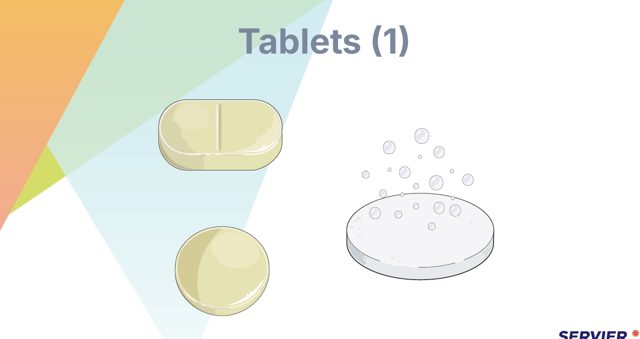
Tablet forms: a scored oblong tablet, a round tablet and an effervescent tablet giving off gas bubbles as it dissolvesأشكال من الأقراص الدوائية: قرص مستطيل ذو خطّ للتقسيم، وقرص مستدير، وقرص فوّار تتصاعد منه فقاعات الغاز أثناء ذوبانهServier Medical Art · CC BY 4.0
Giving medication through an enteral feeding tube is a distinct skill with its own errors.
إعطاء الدواء عبر أنبوب تغذية معوي مهارة متمايزة بأخطائها الخاصّة.
1
Confirm the tube position FIRST
Before anything is given — the check that prevents the never event.
تأكيد موضع الأنبوب أولاً — قبل إعطاء أيّ شيء، وهو الفحص الذي يمنع «الحدث الذي لا ينبغي أن يقع أبداً».
2
Use a liquid formulation where one exists
Rather than crushing by default.
استخدام شكل سائل حيث يوجد — لا السحق افتراضياً.
3
Never crush modified-release or enteric-coated
Crushing a modified-release tablet delivers the whole dose at once, and destroying an enteric coat exposes the stomach or destroys the drug. Check before crushing anything.
عدم سحق المستحضر مديد التحرّر أو المغلَّف معوياً أبداً — فسحق القرص مديد التحرّر يوصل الجرعة كلّها دفعةً واحدة، وإتلاف الغلاف المعوي يعرّض المعدة للأذى أو يُتلف الدواء. يُتحقَّق قبل سحق أيّ شيء.
4
Give each drug SEPARATELY
Flushing between each — mixing them causes interactions and blocks the tube.
إعطاء كلّ دواء منفصلاً — مع غسل الأنبوب بين الأدوية؛ فخلطها يسبّب تداخلات ويسدّ الأنبوب.
5
Flush before and after
With the volume your policy specifies.
غسل الأنبوب قبل الإعطاء وبعده — بالحجم الذي تحدّده السياسة المعتمدة.
6
Use an enteral-specific syringe
Which will not connect to an intravenous line — a forcing function, not a preference.
استخدام محقنة مخصّصة للتغذية المعوية — لا تتّصل بخطّ وريدي؛ فهي وظيفة قسرية لا مسألة تفضيل.
Expiry and stock checking is unglamorous and prevents real harm: check the date on every item before use — ampoule, bag, flush, dressing pack, test strip and reagent — and note that test strips and reagents also expire once opened, which is the one most often missed. Rotate stock so the oldest is used first, and never use an item whose packaging is damaged or wet.
فحص الانتهاء والمخزون عمل غير لافت لكنه يمنع أذىً حقيقياً: يُفحص التاريخ على كلّ بند قبل الاستخدام — أمبولة وكيس ومحقنة غسل وحزمة ضماد وشريط فحص وكاشف — ويُلاحَظ أن أشرطة الفحص والكواشف تنتهي صلاحيتها أيضاً بعد فتحها وهو الأكثر إغفالاً. وتُدوَّر المخزونات فيُستخدم الأقدم أولاً، ولا يُستخدَم أبداً بند تغليفه تالف أو مبلَّل.
•Sharps — every such injury is preventable◆ الأدوات الحادّة — كلّ إصابة من هذا النوع يمكن تجنّبها
Never re-sheath a needleA recognised and entirely avoidable mechanism of injury.عدم إعادة غمد الإبرة أبداً — آلية إصابة معروفة ويمكن تجنّبها تماماً.
Take the container to the point of useRather than carrying a used sharp across the room to the container.نقل الحاوية إلى موضع الاستخدام — لا حمل أداة حادّة مستعملة عبر الغرفة إلى الحاوية.
Dispose immediately, yourselfThe person who used it disposes of it — never leave it for someone else, and never on a tray or a bed.التخلّص من الأداة الحادّة فوراً على يد مستخدمها نفسه — من استخدمها يتخلّص منها، ولا تُترك لغيره، ولا توضع على صينية أو سرير أبداً.
Do not overfillClose and replace at the fill line — an overfilled container injures the person who empties it.عدم ملء الحاوية فوق الحدّ — تُغلَق وتُستبدَل عند خطّ الامتلاء؛ فالحاوية المفرطة الامتلاء تُصيب من يُفرغها.
If injuredEncourage bleeding, wash with soap and water, do not scrub, cover — then report immediately, because post-exposure prophylaxis is time-critical.عند الإصابة — يُشجَّع النزف ويُغسَل الجرح بالماء والصابون دون فرك ويُغطّى، ثم يُبلَّغ فوراً لأن العلاج الوقائي بعد التعرّض حرج زمنياً.
Where electronic prescribing and barcode verification are in use they reduce error substantially — the system checks the patient, the drug, the dose and the timing, and warns about allergies and interactions. But two cautions apply.
حيث يُستخدَم وصف الأدوية إلكترونياً والتحقّق بالباركود فإنهما يقلّلان الخطأ جوهرياً — فالنظام يفحص المريض والدواء والجرعة والتوقيت ويحذّر من الحساسيات والتداخلات. لكن ينطبق عليهما تنبيهان.
•Two cautions about a safety system◆ تنبيهان بشأن نظام السلامة
Alert fatigueAn over-alerting system is clicked through, so the important warning is dismissed with the same reflex as the trivial one.إجهاد التنبيه — النظام مفرط التنبيه يُنقَر عبره فيُرفَض التنبيه المهمّ بالانعكاس نفسه الذي يُرفَض به التافه.
Garbage inThe system is only as good as what is entered — a wrong weight produces a confidently calculated wrong dose.مدخلات رديئة — النظام بجودة ما يُدخَل فيه: وزن خاطئ يُنتج جرعةً خاطئة محسوبة بثقة.
So treat the system as a prompt to think, not an instruction to comply — accountability for the decision remains with the clinician.
لذا يُعامَل النظام كمُنبّه للتفكير لا تعليمة للامتثال — فالمساءلة عن القرار تبقى مع الممارس.
🚩
Watch out
تنبيه
Never crush a modified-release or enteric-coated tablet. Crushing a modified-release preparation delivers the whole of a designed-to-be-slow dose at once and has caused death.
لا يُسحق أبداً قرص مديد التحرّر ولا قرص مغلّف معوياً. فسحق مستحضر مديد التحرّر يُطلق الجرعة كلّها، وهي مصمّمة لتُحرَّر ببطء، دفعةً واحدة وقد سبّب موتاً.
⭐
Key point
نقطة أساسية
Give each drug through an enteral tube separately, flushing between them, and never add medication into the feed bag.
يُعطى كلّ دواء عبر الأنبوب المعوي منفصلاً مع الغسل بينها، ولا يُضاف دواء إلى كيس التغذية أبداً.
🚩
Watch out
تنبيه
Never re-sheath a needle, take the sharps container to the point of use, and dispose of the sharp yourself immediately — never hand it to anyone.
لا تُعاد تغطية الإبرة بغمدها أبداً، وتُنقل حاوية الحادّات إلى موضع الاستخدام، ويتخلّص مستخدم الأداة الحادّة منها بنفسه فوراً — ولا تُناوَل أحداً أبداً.
⭐
Key point
نقطة أساسية
Scanning is not checking. A barcode confirms the box matches the order; it does not confirm the order is still right for this patient today.
المسح ليس فحصاً. فالباركود يؤكّد أن العلبة تطابق الأمر؛ ولا يؤكّد أن الأمر ما زال صحيحاً لهذا المريض اليوم.
6
15.5 · When a Medication Error Happens١٥٫٥ · حين يقع خطأ دوائي
Errors happen to careful people, and what determines the outcome is what is done next. The order is fixed, and the first step is the one that panic displaces.
الأخطاء تحدث للأشخاص الحذرين وما يحدّد النتيجة ما يُفعَل تالياً. والترتيب ثابت والخطوة الأولى هي التي يزيحها الذعر.
1
Assess the patient FIRST
Not the chart, not the policy, not who to tell. Observations, symptoms, and any immediate treatment needed.
تقييم المريض أولاً — لا السجلّ ولا السياسة ولا من يُبلَّغ: قياسات وأعراض وأيّ علاج فوري.
2
Tell the prescriber and the nurse in charge
Immediately — an antidote or a change in monitoring may be needed.
إبلاغ الواصف والممرضة المسؤولة — فوراً فقد يلزم ترياق أو تغيير مراقبة.
3
Monitor as instructed
For the effect of the drug and the effect of the correction.
المراقبة كما يُوجَّه — لأثر الدواء وأثر التصحيح.
4
Document in the clinical record
What happened to the patient — factually, without speculation or blame.
التوثيق في السجلّ السريري — ما حدث للمريض، واقعياً ودون تكهّن أو لوم.
5
Complete the incident report
A separate risk-management document — do not reference it in the notes.
إكمال تقرير الحادثة — وثيقة منفصلة لإدارة المخاطر، ولا يُشار إليها في السجلّ.
6
Be open with the patient
Which is part of the response, not an optional extra.
الصراحة مع المريض — وذلك جزء من الاستجابة لا إضافة اختيارية.
Being open means he is told what happened in plain language, what it means for him, what is being done about it, and that you are sorry. Two things people get wrong: an apology is not an admission of legal liability, and saying nothing is not neutral — a patient who later discovers it concludes he was being concealed from, and that conclusion does more damage than the error.
الصراحة تعني إخباره ماذا حدث بلغة بسيطة وماذا يعني له وماذا يُفعَل بشأنه وأنه يُعتذَر عمّا حدث. وأمران يخطئ فيهما الناس: أن الاعتذار ليس إقراراً بمسؤولية قانونية وأن عدم قول شيء ليس محايداً — فالمريض الذي يكتشفه لاحقاً يستنتج أنه كان يُخفى عنه، وهذا الاستنتاج يُلحق ضرراً أكبر من الخطأ نفسه.
The system matters more than the individual, and a just culture makes three distinctions — only one of which is a disciplinary matter.
النظام يهمّ أكثر من الفرد والثقافة العادلة تُجري ثلاثة تمييزات — واحد منها فقط مسألة تأديبية.
•Three behaviours, three responses◆ ثلاثة سلوكيات وثلاث استجابات
Human errorAn unintended slip — met with support, and a look at why the system allowed it.خطأ بشري — زلّة غير مقصودة: يُقابَل بالدعم والنظر في سبب سماح النظام به.
At-risk behaviourA shortcut that had become normal — met with coaching, and by removing the incentive to take it.سلوك محفوف بالمخاطر — اختصار صار معتاداً: يُقابَل بالتوجيه الإرشادي وبإزالة الحافز إلى اتّباعه.
Reckless behaviourA conscious disregard of a substantial risk — rare, and the only one of the three that is disciplinary.سلوك متهوّر — تجاهل واعٍ لخطر جوهري: نادر، وهو الوحيد من الثلاثة الذي يستوجب إجراءً تأديبياً.
Treating all three the sameIs what destroys a reporting culture — and a ward that stops reporting stops learning.معاملة الثلاثة سواءً — هي ما يدمّر ثقافة الإبلاغ؛ فالجناح الذي يتوقف عن الإبلاغ يتوقف عن التعلّم.
🔑
Memory aid
مفتاح للحفظ
After a medication error: assess the patient first, then inform the prescriber and nurse in charge, then document in the clinical record, then complete the incident report.
بعد خطأ دوائي: يُقيَّم المريض أولاً ثم يُبلَّغ الواصف والممرضة المسؤولة ثم يُوثَّق في السجلّ السريري ثم يُكمَل تقرير الحادثة.
⭐
Key point
نقطة أساسية
The clinical record states what happened to the patient. The incident form is the organisation's learning tool — the clinical notes do not record that an incident form was completed.
السجلّ السريري يذكر ما حدث للمريض. واستمارة الحادثة أداة تعلّم المؤسّسة — والسجلّ السريري لا يسجّل أن استمارة حادثة أُكمِلت.
🚩
Watch out
تنبيه
A service that punishes error stops hearing about it, and cannot then prevent the next one. Report near misses too — they carry the same lesson without the harm.
الخدمة التي تعاقب على الخطأ تتوقّف عن سماع أخباره ولا تستطيع عندها منع التالي. ويُبلَّغ عن الحوادث الوشيكة أيضاً — فهي تحمل الدرس نفسه دون الأذى.
7
15.6 · Falls, Restraint and the Ward Environment١٥٫٦ · السقوط والتقييد وبيئة الجناح
Falls are the commonest patient safety incident in hospital. Assessment is multifactorial — previous falls, gait and balance, muscle strength, vision, cognition, continence, and medications.
السقوط أشيع حوادث سلامة المرضى في المستشفى. والتقييم متعدّد العوامل — سقوط سابق ومشية وتوازن وقوّة عضلية وبصر وإدراك والتحكّم بالمثانة والأمعاء والأدوية.
•The reversible contributors — each is a nursing intervention◆ العوامل المساهمة القابلة للعكس — وكلّ منها تدخّل تمريضي
MedicationsSedatives, antihypertensives, diuretics, hypoglycaemics — and the number of drugs as much as which ones.الأدوية — مهدّئات وخافضات ضغط ومدرّات وخافضات سكر الدم؛ وعدد الأدوية يهمّ بقدر ما تهمّ أنواعها.
ToiletingThe commonest single reason a patient gets up unaided. Offer regularly rather than waiting to be called.الذهاب إلى المرحاض — أشيع سبب منفرد لنهوض المريض بلا مساعدة. يُعرَض عليه ذلك بانتظام بدلاً من انتظار ندائه.
Postural dropEspecially first thing, after bed rest, or after a new antihypertensive — sit before standing.هبوط الضغط الوضعي — خاصّةً أول الصباح أو بعد الراحة في الفراش أو بعد بدء خافض ضغط جديد — يُجلَس قبل الوقوف.
Delirium and confusionLook for the cause — pain, infection, retention, hypoxia — rather than treating the wandering.الهذيان والتشوّش — يُبحث عن السبب (ألم أو عدوى أو احتباس بول أو نقص أكسجة) لا أن يُعالَج التجوال.
Footwear and visionIll-fitting slippers and missing glasses are cheap to fix and commonly missed.الأحذية والبصر — الشباشب غير المناسبة والنظّارات المفقودة: إصلاحها رخيص وكثيراً ما يُغفَل.
1
Bed at its lowest height, brakes on
Every time you leave the bedside.
السرير بأدنى ارتفاع والمكابح مشدودة — في كلّ مرّة يُغادَر فيها جانب السرير.
2
Call bell in reach — and shown how to use it
‘In reach’ means he can reach it from where he is lying.
جرس النداء في المتناول — ويُبيَّن للمريض كيف يستخدمه؛ فـ«في المتناول» تعني أنه يستطيع الوصول إليه من موضع استلقائه.
3
Non-slip, well-fitting footwear
Not socks, and not slippers he shuffles in.
أحذية غير زلقة ملائمة — لا جوارب ولا شباشب يجرّ المريض قدميه فيها.
4
Clear the route and light it
Especially the route to the toilet at night.
إخلاء الطريق وإنارته — خاصّةً الطريق إلى المرحاض ليلاً.
5
Belongings within reach
Water, glasses, hearing aid, phone — so he does not get up for them.
الأغراض في المتناول — ماء ونظّارة ومعين سمعي وهاتف كي لا ينهض لها.
6
Review the medications
The highest-yield intervention, and the one least often done.
مراجعة الأدوية — التدخّل الأعلى عائداً والأقلّ تنفيذاً.
After a fall, the order matters: assess for injury before moving him. Ask specifically about head injury and whether he takes an anticoagulant, take a full set of observations including a blood glucose, and record what happened — including whether it was witnessed, because an unwitnessed fall is treated as a possible head injury.
بعد السقوط يهمّ الترتيب: تُقيَّم الإصابة قبل تحريكه. ويُسأل تحديداً عن إصابة الرأس وهل يتناول مضاد التخثّر، وتُؤخذ مجموعة قياسات كاملة بما فيها سكّر الدم، ويُسجَّل ما حدث — وهل كان مشهوداً، فالسقوط غير المشهود يُعامَل كإصابة رأس محتملة.
Restraint principles carry across unchanged: a last resort, for an immediate risk of serious harm, only when less restrictive measures have failed, properly authorised, time-limited, reviewed and documented — with the patient observed throughout. And the prohibition that matters most: never for staff convenience, never to compensate for short staffing, and never as punishment. Look for the cause first — pain, a full bladder, delirium, fear, or simply wanting the toilet.
مبادئ التقييد تنتقل دون تغيير: ملاذ أخير لخطر أذىً خطير فوري وفقط بعد إخفاق التدابير الأقلّ تقييداً ومُصرَّح به حسب الأصول ومحدود بزمن ومُراجَع وموثَّق — والمريض مراقَب طوال الوقت. والمنع الأهمّ: أبداً لراحة الطاقم ولا للتعويض عن نقص التوظيف ولا كعقاب. ويُبحث عن السبب أولاً — ألم أو مثانة ممتلئة أو هذيان أو خوف أو مجرّد الرغبة في الذهاب إلى المرحاض.
⭐
Key point
نقطة أساسية
Orthostatic hypotension is a fall in systolic pressure of 20 mmHg or more, or diastolic of 10 mmHg or more, on standing. Measure lying then standing, and stay with the patient.
هبوط الضغط الوضعي هو انخفاض الضغط الانقباضي بمقدار ٢٠ ملّيمتر زئبق أو أكثر أو الانبساطي بمقدار ١٠ ملّيمترات زئبق أو أكثر عند الوقوف. يُقاس الضغط مستلقياً ثم واقفاً، ويُلازَم المريض.
🚩
Watch out
تنبيه
Bed rails do not prevent falls and can make them worse — a determined confused patient climbs over and falls from a greater height. They are a considered decision, not a routine one.
حواجز السرير لا تمنع السقوط وقد تزيده سوءاً — فالمريض المشوّش المصمّم يتسلّق فوقها ويسقط من ارتفاع أكبر. وهي قرار مدروس لا روتيني.
🚩
Watch out
تنبيه
A restraint is secured with a quick-release fastening to a fixed part of the bed frame, never to a moveable side rail, because raising the rail then injures the patient.
يُثبَّت التقييد برباط سريع التحرّر إلى جزء ثابت من إطار السرير لا إلى حاجز جانبي متحرّك أبداً، فرفع الحاجز عندها يؤذي المريض.
Equipment is checked before it is needed, not when it is needed — because a trolley that has never been checked is discovered at the worst possible moment.
المعدّات تُفحَص قبل الحاجة إليها لا حين الحاجة — فالعربة التي لم تُفحَص قطّ تُكتشَف في أسوأ لحظة ممكنة.
1
The resuscitation trolley
Checked at the start of every shift, sealed, and the check recorded.
عربة الإنعاش — تُفحَص في بداية كلّ مناوبة ومختومة والفحص مسجَّل.
2
Suction and oxygen
Present, connected, and tested — not assumed because they are on the wall.
الشفط والأكسجين — موجودان وموصولان ومُختبَران — لا يُفترَض ذلك لمجرّد وجودهما على الجدار.
Through the incident system — the blade missing today will be missing next week unless somebody says so.
الإبلاغ عن أيّ بند مفقود — عبر نظام الحوادث؛ فالنصل المفقود اليوم سيظلّ مفقوداً الأسبوع المقبل ما لم يُبلِّغ أحد عنه.
For any procedure involving a side or a level — a limb, an eye, a kidney, a level of the spine — the site is marked before the patient leaves the ward where policy requires it, using an indelible mark, with the patient involved and awake where possible. Then the team time-out before starting confirms the patient, the procedure and the site out loud, with everyone present.
لأيّ إجراء يشمل جهة أو مستوى — طرف أو عين أو كلية أو مستوى فقرة — يُعلَّم الموضع قبل مغادرة المريض الجناح حيث تشترط السياسة بعلامة غير قابلة للمحو بمشاركة المريض ويقظته حيث أمكن. ثم وقفة الفريق قبل البدء يؤكّد المريض والإجراء والموضع بصوت مسموع وبحضور الجميع.
Hand hygiene belongs in any safety chapter because it remains the single most effective measure against healthcare-associated infection — and the point worth repeating is that gloves are not a substitute: hands are decontaminated before putting them on and after taking them off, because gloves leak and hands are contaminated when they are removed.
نظافة اليدين تنتمي إلى أيّ فصل سلامة لأنها تظل الإجراء المنفرد الأكثر فعالية للوقاية من العدوى المرتبطة بالرعاية الصحية — والنقطة الجديرة بالتكرار أن القفّازات ليست بديلاً: فاليدان تُطهَّران قبل لبسها وبعد نزعها لأن القفّازات تسرّب واليدان تتلوّثان عند النزع.
•Self-administration of medicines — under-used, and worth knowing about◆ الإعطاء الذاتي للأدوية — قليل الاستخدام ويستحق المعرفة
What it isWhere a scheme exists, an assessed patient keeps and takes his own medicines in hospital, with the nurse supervising and documenting.ما هو — حيث يوجد برنامج لذلك، يحتفظ مريض جرى تقييمه بأدويته الخاصّة ويأخذها في المستشفى بإشراف الممرضة وتوثيقها.
Why it helpsIt maintains independence and routine, and it reveals problems before discharge rather than after — a patient who cannot open the bottle, cannot read the label, or does not know what a drug is for is identified while you can still help.لماذا يساعد — يحافظ على الاستقلالية والروتين، ويكشف المشكلات قبل الخروج لا بعده: فالمريض الذي لا يستطيع فتح العبوة أو قراءة الملصق أو لا يعرف دواعي استعمال دواء يُحدَّد بينما ما زال بالإمكان مساعدته.
The assessmentCognition, dexterity, vision, understanding, and willingness — and it is reassessed, not assumed to hold.التقييم — الإدراك والبراعة اليدوية والبصر والفهم والاستعداد — ويُعاد تقييمه ولا يُفترض أنه يبقى قائماً.
StorageLocked and individual — the safety condition on which the whole scheme depends.التخزين — مقفل وفردي: شرط السلامة الذي يعتمد عليه البرنامج كلّه.
🚩
Watch out
تنبيه
An alarm set so wide that it never sounds, or permanently silenced, is worse than no monitor at all because it creates false reassurance.
الإنذار المضبوط بحدود واسعة جداً بحيث لا يُصدِر صوتاً أبداً، أو المُسكَت دائماً، أسوأ من عدم وجود جهاز مراقبة أصلاً لأنه يخلق طمأنة كاذبة.
⭐
Key point
نقطة أساسية
The surgical site is marked before the patient leaves the ward, by the operator or their delegate, with the patient awake and involved in confirming it.
يُعلَّم الموقع الجراحي قبل مغادرة المريض الجناح من المُجري أو مفوّضه والمريض مستيقظ ومشارك في تأكيده.
⭐
Key point
نقطة أساسية
Self-administration reveals problems before discharge rather than after — a patient who cannot open the packaging or read the label is identified while there is still time.
الإعطاء الذاتي يكشف المشكلات قبل الخروج لا بعده — فمن لا يستطيع فتح العبوة أو قراءة الملصق يُحدَّد بينما ما زال هناك وقت.
9
15.8 · Systems That Keep Patients Safe١٥٫٨ · الأنظمة التي تُبقي المرضى آمنين
Most harm in hospitals comes not from incompetence but from systems that allow a normal human being to make a predictable mistake — which is why the safeguards are structural.
معظم الأذى في المستشفيات يأتي لا من عدم الكفاءة بل من أنظمة تسمح لإنسان عادي بارتكاب خطأ متوقّع — ولهذا تكون الضمانات بنيوية.
1
Correct patient identification
Two identifiers — name with date of birth or medical record number. Never the bed or room number, because patients move and beds do not.
التعريف الصحيح للمريض — معرِّفان اثنان: الاسم مع تاريخ الميلاد أو رقم السجلّ الطبي. ولا يُعتمد رقم السرير أو الغرفة أبداً، لأن المرضى ينتقلون والأسرّة لا تنتقل.
2
Ask him to state his own name
Rather than asking ‘are you Mr A?’ — which invites a confused or deaf patient to agree.
يُطلب منه ذكر اسمه بنفسه — لا أن يُسأل «هل أنت السيّد أ؟» فهذا يدعو المريض المشوَّش أو الأصمّ إلى الموافقة.
3
Standardised handover
A structured format, so the busy handover cannot omit the item that mattered.
تسليم موحّد — صيغة منظّمة كي لا يُغفَل البند المهمّ حتى في التسليم المزدحم.
4
Read-back for verbal orders
Write it, read it back, have it confirmed.
إعادة القراءة للأوامر الشفهية — يُكتب الأمر ويُقرأ على المُملي مرّة أخرى ويُطلب تأكيده.
5
Safe storage of high-alert drugs
Separated, distinctively labelled, and removed from ward stock where policy says so.
تخزين آمن للأدوية عالية الخطورة — منفصلة وموسومة بوضوح مميّز، وتُزال من مخزون الجناح حيث تنصّ السياسة على ذلك.
Checklists work because they convert memory into a process, and the surgical safety checklist is the model — the value is not the paper but the pause and the shared attention. A checklist completed silently by one person afterwards has been filled in, not used.
قوائم التحقق تنجح لأنها تحوّل الذاكرة إلى عملية، وقائمة التحقق للسلامة الجراحية هي النموذج — والقيمة ليست الورقة بل الوقفة والانتباه المشترك. فالقائمة التي يُكملها شخص واحد بصمت بعدها قد مُلئت لا استُخدمت.
•Two design problems that are treated as discipline problems◆ مشكلتا تصميم تُعامَلان كمشكلتَي انضباط
Alarm fatigueWhen monitors alarm constantly and most alarms are false or clinically insignificant, staff stop responding — and the important alarm is dismissed with the same reflex as the trivial one. The answer is fewer and better alarms, correct limits set for the individual patient, and prompt response to the ones that remain — not telling people to pay more attention.إجهاد الإنذار — حين تُصدر أجهزة المراقبة إنذارات متواصلة ويكون معظمها كاذباً أو غير ذي أهمية سريرية يتوقف العاملون عن الاستجابة، فيُهمَل الإنذار المهمّ بالانعكاس نفسه الذي يُهمَل به التافه. والجواب إنذارات أقلّ وأفضل، وحدود صحيحة تُضبط لكلّ مريض على حدة، واستجابة فورية لما يتبقّى منها — لا إخبار الناس بالانتباه أكثر.
Interruption during safety-critical tasksMeasurably raises error — and the answer is protecting the task, not asking people to concentrate harder.المقاطعة أثناء مهامّ حرجة للسلامة — ترفع الخطأ بصورة قابلة للقياس، والجواب حماية المهمّة لا طلب تركيز أكبر.
Never events are errors so serious and so preventable that they should not occur — and each has a barrier that ought to have stopped it.
الأحداث التي لا ينبغي أن تقع أبداً أخطاء خطيرة وقابلة للمنع إلى حدّ ينبغي معه ألّا تقع — ولكلّ منها حاجز كان ينبغي أن يوقفها.
⚠️The eventالحدث
Wrong-site surgeryجراحة في الموضع الخطأ
Retained instrument or swabأداة أو شاش متبقٍّ في الجسم
Wrong-route medicationدواء بطريق إعطاء خاطئ
Misplaced nasogastric tube usedاستخدام أنبوب أنفي معدي في موضع خاطئ
Site marking and the team time-outتعليم الموضع ووقفة الفريق
The count, done and reconciledالعدّ، مُنفَّذ ومُطابَق
Connectors that will not fit the wrong portموصّلات لا تتناسب مع المنفذ الخاطئ
Position confirmation before useتأكيد الموضع قبل الاستخدام
Bedside check against his own ID bandالتحقّق عند السرير مقابل سوار هويته الخاص
الحاجز الذي أخفق — تعليم الموضع ووقفة الفريق والعدّ والموصّلات.
So a never event is investigated as a system failure: the question is not who did it but which barrier was absent, bypassed or unusable.
فالحدث الذي لا ينبغي أن يقع أبداً يُحقَّق فيه بوصفه إخفاقاً في النظام: فالسؤال ليس من فعله بل أيّ حاجز كان غائباً أو مُتجاوَزاً أو غير قابل للاستخدام.
🚩
Watch out
تنبيه
Specimens are labelled at the bedside in front of the patient immediately after collection — never pre-labelled and never labelled at the desk afterwards.
تُوسَم العيّنات عند السرير أمام المريض فور الجمع — لا تُوسَم مسبقاً ولا عند المكتب بعدها.
⭐
Key point
نقطة أساسية
In SBAR the recommendation must be explicit. Not "I am worried about him" but "I need you to come and see him within thirty minutes."
في SBAR يجب أن تكون التوصية صريحة. لا «يساورني القلق بشأنه» بل «أحتاج أن تأتي وتراه خلال ثلاثين دقيقة».
🚩
Watch out
تنبيه
Never silence an alarm without establishing what caused it, and never adjust a limit simply to stop it sounding.
لا يُسكَت إنذار دون تحديد سببه، ولا يُعدَّل حدّ لمجرّد إيقاف صوته.
10
15.9 · The Record, and Saying Something When It Matters١٥٫٩ · السجلّ وقول شيء حين يهمّ
The clinical record is a legal document and it is corrected in a defined way — and the whole point is that the original must remain readable.
السجلّ السريري وثيقة قانونية ويُصحَّح بطريقة محدّدة — والمقصد كلّه أن يبقى الأصل مقروءاً.
✏️Correcting an errorتصحيح خطأ
A single line through it — still readableخطّ واحد يمرّ عبره — يبقى مقروءاً
The correction alongside, not over itالتصحيح بجانبه، لا فوقه
Signed, dated and timedموقَّع ومؤرَّخ ومُوقَّت
Some services ask for a brief reasonبعض الجهات تطلب سبباً موجزاً
تصحيح خطأ — خطّ واحد عبره والتصحيح إلى جانبه موقّعاً ومؤرّخاً.
⛔Neverممنوع أبداً
Correction fluidسائل التصحيح
Scribbling out or erasingالشطب أو المحو
Removing or replacing a pageإزالة صفحة أو استبدالها
An unreadable original looks like concealment — worse than the errorالنص الأصلي غير المقروء يبدو كإخفاء — أسوأ من الخطأ نفسه
أبداً — سائل تصحيح أو شطب أو إزالة صفحة: فالأصل غير المقروء يبدو إخفاءً.
A late entry — documentation written after the event — is sometimes unavoidable when a shift has been busy or an emergency has taken over. It is legitimate provided it is labelled as one, with the time of the event and the time of writing both recorded. What is not legitimate is writing it into the space where it would have appeared, so that it looks contemporaneous.
المدخلة المتأخّرة — توثيق يُكتَب بعد الحدث — لا مفرّ منها أحياناً حين تكون المناوبة مزدحمة أو حين تستحوذ حالة طارئة على الانتباه. وهي مشروعة شرط وسمها كذلك مع تسجيل وقت الحدث ووقت الكتابة معاً. وغير المشروع كتابتها في المكان الذي كانت ستظهر فيه لتبدو آنيّة.
The hardest safety skill is raising a concern with someone more senior who disagrees with you, and it is the point at which many preventable harms happen. The obstacle is the authority gradient — and the remedy is graded assertiveness: escalate the directness of what you say in defined steps, rather than either staying silent or going straight to confrontation.
أصعب مهارة سلامة هي إبداء القلق لشخص أعلى مرتبةً يخالف الرأي المطروح وهي النقطة التي يحدث فيها كثير من الأذى القابل للمنع. والعائق تدرّج السلطة — والعلاج التوكيد المتدرّج: تصعيد درجة مباشرة ما يُقال بخطوات محدّدة، لا الصمت ولا الانتقال مباشرةً إلى المواجهة.
1
1 — The observation
“I notice the dose is 10 milligrams.” Neutral and factual.
١ — الملاحظة: «ألاحظ أن الجرعة عشرة مليغرامات.» محايدة وواقعية.
2
2 — The question
“Can you help me understand the reasoning?” Gives him a way to correct it himself.
٢ — السؤال: «هل تساعدني في فهم التعليل؟» تتيح له سبيلاً لتصحيحه بنفسه.
3
3 — The concern, using the word
“I am concerned this dose is higher than the usual range.”
٣ — القلق باستخدام الكلمة نفسها: «يساورني القلق من أن هذه الجرعة أعلى من النطاق المعتاد.»
4
4 — The discomfort and the request
“I am not comfortable giving this. I am asking that we check it together.”
٤ — عدم الارتياح والطلب: «لا أشعر بالارتياح لإعطاء هذا، وأطلب أن نفحصه معاً.»
5
5 — Escalate
If it does not land, go up the chain — every service has a route above the person in front of you.
٥ — التصعيد: إن لم يصل الأمر يُصعَّد عبر سلسلة القيادة — فلكلّ جهة مسار أعلى من الشخص المخاطَب.
6
And document
What you raised, to whom, when, and the response.
والتوثيق — ما أُثير ولمن ومتى والردّ.
Finally, a category of harm that is invisible because nothing is done rather than something wrong being done: missed care, sometimes called rationed care.
وأخيراً صنف من الأذى غير مرئي لأن شيئاً لم يُفعَل لا لأن شيئاً خاطئاً فُعل: الرعاية المُغفَلة وتُسمّى أحياناً الرعاية المقنّنة.
•Missed care — what actually gets dropped when a ward is short◆ الرعاية المُغفَلة — ما الذي يُسقَط فعلاً حين ينقص عدد العاملين في الجناح
Never the visible tasksDrugs get given and observations get done — those are checked.ليست المهامّ المرئية أبداً — فالأدوية تُعطى والقياسات تُجرى، وهذه يُتحقَّق منها.
It is the invisible onesRepositioning, mouth care, mobilisation, teaching, emotional support, and talking to families.بل غير المرئية — تغيير الوضعية ورعاية الفم وتحريك المريض والتثقيف والدعم العاطفي والتحدّث مع الأسر.
And the harm is real and delayedPressure ulcers, pneumonia, deconditioning, delirium, readmission — none of which is traced back to the shift where it started.والأذى حقيقي ومؤجَّل — قرح ضغط والتهاب رئوي وتدهور وظيفي وهذيان وإعادة دخول إلى المستشفى — ولا يُردّ شيء منها إلى المناوبة التي بدأ فيها.
So report it as an incidentMissed care is a staffing and system problem, not a personal failing — and it is invisible to management unless somebody records it.لذا يُبلَّغ عنها كحادث — فهي مشكلة توظيف ونظام لا إخفاق شخصي، وتبقى غير مرئية للإدارة ما لم يسجّلها أحد.
🚩
Watch out
تنبيه
Correct a written error with a single line so the original remains legible, then sign, date and time the amendment. Never obliterate, use correction fluid or remove a page.
يُصحَّح الخطأ المكتوب بخطّ واحد ليبقى الأصل مقروءاً ثم يُوقَّع التعديل ويُؤرَّخ ويُوقَّت. ولا يُطمَس ولا يُستخدَم سائل التصحيح ولا تُنزع صفحة.
⭐
Key point
نقطة أساسية
A late entry is legitimate if it is labelled as one, timed with when you are writing it, and states when the events actually happened. A truthful late entry is stronger than a tidy dishonest one.
المدخلة المتأخّرة مشروعة إن وُسمت كذلك ووُقّتت بوقت كتابتها وذكرت متى حدثت الأحداث فعلاً. والمدخلة المتأخّرة الصادقة أقوى من نظيرتها المرتّبة غير الأمينة.
🔑
Memory aid
مفتاح للحفظ
Graded assertiveness: state the observation, then the concern, then the proposed action, then say plainly that you need it addressed and will escalate further.
التوكيد المتدرّج: تُذكر الملاحظة ثم القلق ثم الإجراء المقترَح ثم يُقال بوضوح إن الأمر يحتاج إلى معالجة وإنه سيُصعَّد أكثر.
⭐
Key point
نقطة أساسية
Missed care is a system problem, not a personal failing. Report staffing that regularly makes safe care impossible, because if it is never recorded it is never addressed.
الرعاية المُغفَلة مشكلة نظام لا إخفاق شخصي. يُبلَّغ عن مستويات التوظيف التي تجعل الرعاية الآمنة مستحيلة بانتظام، فإن لم تُسجَّل لن تُعالَج.
11
15.10 · Why Good Nurses Make Errors١٥٫١٠ · لماذا ترتكب الممرضات الجيّدات أخطاءً
The single most important idea in patient safety is that errors are overwhelmingly the product of the system and the conditions, not of carelessness. Competent, conscientious nurses make mistakes in predictable places.
أهمّ فكرة منفردة في سلامة المرضى أن الأخطاء نتاج النظام والظروف بأغلبية ساحقة لا الإهمال. فالممرضات الكفؤات المتحلّيات بالضمير المهني يخطئن في أماكن متوقّعة.
•Where errors happen — and none of these is a character flaw◆ أين تقع الأخطاء — وليس شيء من ذلك عيباً في الشخصية
When interruptedThe single best-documented condition.عند المقاطعة — الظرف الأفضل توثيقاً.
When two things look or sound alikeSimilar packaging, similar names, similar concentrations stored together.حين يتشابه شيئان مظهراً أو صوتاً — تغليف متشابه وأسماء متشابهة وتراكيز متشابهة مخزّنة معاً.
When a step is easy to omitAnd nothing stops you if you do.حين يسهل إغفال خطوة — ولا شيء يمنع من ذلك.
When the safe action takes longerThan the unsafe one — people take the shortcut, and it becomes normal.حين يستغرق الفعل الآمن وقتاً أطول من غير الآمن — فيسلك الناس الطريق المختصر ويصبح معتاداً.
When tired, or working from memoryRather than from a prompt.عند التعب أو العمل من الذاكرة لا من مُنبّه.
What follows practically is that safety is designed in rather than willed in. The measures that work are the ones that do not depend on anyone trying harder.
وما يترتّب على ذلك عملياً أن السلامة تُصمَّم ضمن النظام ولا تتحقّق بالإرادة وحدها. فالتدابير التي تنجح هي التي لا تعتمد على أن يجهد أحد أكثر.
1
Make the unsafe action impossible
Connectors that will not fit the wrong port — the strongest measure there is.
جعل الفعل غير الآمن مستحيلاً — موصّلات لا تناسب المنفذ الخاطئ، وهي أقوى تدبير متاح.
2
Standardise
One way of doing it, one place it is kept, one form.
التوحيد — طريقة واحدة ومكان واحد واستمارة واحدة.
3
Build in the prompt
A checklist, a forcing step in the system, a default that is safe.
بناء المُنبّه ضمن النظام — قائمة أو خطوة إلزامية أو إعداد افتراضي آمن.
4
Protect the task
From interruption — rather than asking for more concentration.
حماية المهمّة — من المقاطعة لا بطلب تركيز أكبر.
5
And LAST — education and policy
The weakest measure, and the one organisations reach for first because it is cheap.
وأخيراً التعليم والسياسة — الأضعف والذي تمدّ المنظّمات يدها إليه أولاً لأنه الأرخص.
Speaking up is where this becomes personal, because the commonest reason a noticed problem is not prevented is that the person who noticed it did not say it clearly enough to be heard.
الجهر بالقلق هو الموضع الذي يصير فيه هذا شخصياً، فأشيع سبب لعدم منع مشكلة مُلاحَظة أن من لاحظها لم يقلها بوضوح كافٍ لتُسمَع.
1
State the observation
“The consent form says the left side.” Factual, not accusatory.
ذكر الملاحظة — «استمارة الموافقة تقول الجهة اليسرى.» واقعية لا اتهامية.
2
State your concern using the word
“I am concerned we are about to operate on the wrong side.”
ذكر القلق باستخدام الكلمة نفسها — «يساورني القلق من أننا على وشك إجراء العملية في الجهة الخطأ.»
3
State the discomfort and the request
“I am not comfortable proceeding. I am asking that we stop and check.”
ذكر عدم الارتياح والطلب — «لا أشعر بالارتياح للمضيّ في الإجراء، وأطلب أن نتوقّف ونتحقّق.»
4
Invoke the process, not your authority
Ask for the checklist or the time-out to be repeated — far harder to refuse than a personal challenge.
الاحتكام إلى العملية لا إلى السلطة الشخصية — يُطلب تكرار قائمة التحقق أو الوقفة، وهو أصعب رفضاً بكثير من التحدّي الشخصي.
5
Escalate if it does not land
Every service has a route above the person in front of you.
التصعيد إن لم يصل — فلكلّ خدمة مسار أعلى من الشخص المخاطَب.
The other half is how a challenge is received, and it matters more than the phrasing. A senior who responds with irritation, or who makes the person feel foolish, has taught the whole team not to raise the next one — and the next one may be the one that mattered. So thank the person who raises it, even when they were wrong, and especially then.
النصف الآخر هو كيف يُستقبَل التحدّي وهو يهمّ أكثر من الصياغة. فالمسؤول الأعلى مرتبةً الذي يردّ بانزعاج أو يُشعر الشخص بالحماقة علّم الفريق كلّه ألّا يثير التالي — وقد يكون التالي هو المهمّ. فيُشكَر من يثيره حتى حين يكون مخطئاً وخاصّةً حينها.
Finally, the person who made the error. A nurse involved in a serious incident is the second victim, and the effects are well described: guilt, intrusive replaying of the event, loss of confidence, and in some cases leaving the profession. She is spoken to promptly and privately, supported rather than interrogated, and checked on days later — because the second person harmed by a serious incident is usually the one who made it.
وأخيراً من ارتكب الخطأ. فالممرضة المتورّطة في حادث خطير تُعدّ الضحية الثانية، والآثار موصوفة جيّداً: شعور بالذنب واسترجاع اقتحامي للحدث وفقدان الثقة وفي بعض الحالات ترك المهنة. يُتحدَّث إليها فوراً وعلى انفراد وتُدعَم لا تُستجوَب ويُطمأنّ عليها بعد أيام — فالشخص الثاني الذي يتضرّر من حادث خطير هو عادةً من ارتكبه.
⭐
Key point
نقطة أساسية
Errors are overwhelmingly the product of the system and the conditions, not carelessness. The useful question after an error is what allowed it, not who did it.
الأخطاء نتاج النظام والظروف بأغلبية ساحقة لا الإهمال. والسؤال النافع بعد خطأ ما الذي أتاحه لا من فعله.
🚩
Watch out
تنبيه
Telling staff to be more careful is not a safety intervention. An incident review that ends in retraining and a reminder to be vigilant has usually not found the cause.
إخبار الطاقم بأن يكونوا أكثر حذراً ليس تدخّلاً لتعزيز السلامة. ومراجعة حادثة تنتهي بإعادة تدريب وتذكير باليقظة لم تجد السبب عادةً.
🔑
Memory aid
مفتاح للحفظ
The two-challenge rule: if you have raised the same concern twice and it has not been acknowledged, stop and escalate to someone else.
قاعدة التحدّيَين: إن طُرح القلق نفسه مرّتين ولم يُقَرّ به فيُتوقَّف ويُصعَّد الأمر إلى شخص آخر.
⭐
Key point
نقطة أساسية
How a challenge is received determines whether the next one is raised — and the next one may be the one that mattered. Thank the person even when they are wrong.
كيفية استقبال التحدّي تحدّد هل يُطرَح التالي — وقد يكون التالي هو المهمّ. يُشكَر الشخص حتى حين يكون مخطئاً.
12
15.11 · Emergencies and Preparedness١٥٫١١ · الطوارئ والتأهّب
The response to fire is remembered as RACE.
الاستجابة للحريق تُتذكَّر كـRACE.
1
R — Rescue
Anyone in immediate danger — moving them horizontally away from the fire first, not down stairs.
الإنقاذ (R) — من هو في خطر فوري: يُنقَلون أفقياً بعيداً عن الحريق أولاً، لا عبر الدرج.
Only a small fire, only if trained and safe — otherwise evacuate.
الإطفاء أو الإخلاء (E) — حريق صغير فقط، وفقط إن كان المتعامل معه مدرَّباً والموقف آمناً — وإلا فالإخلاء.
For the extinguisher, PASS: Pull the pin, Aim at the base of the fire, Squeeze the handle, Sweep side to side. And know before you need it: where the extinguishers and alarms are, the evacuation route, and who cannot walk.
وللطفّاية PASS: يُسحب المسمار ويُصوَّب نحو قاعدة النار ويُعصَر المقبض ويُمسَح جانباً لجانب. ويجب معرفة ما يلي قبل الحاجة: أين الطفّايات والإنذارات وطريق الإخلاء ومن لا يستطيع المشي.
🏥Ordinary triageالفرز العادي
The sickest firstالأشدّ حالة أولاً
Most resource to the most unwellأكبر قدر من الموارد للأشدّ مرضاً
One patient at a timeمريض واحد في كل مرة
The rule you use every dayالقاعدة المستخدمة يومياً
الفرز العادي — الأشدّ مرضاً أولاً وأكثر الموارد للأشدّ توعّكاً.
⚠️Mass casualty — the rule REVERSESإصابات جماعية — القاعدة تنعكس
The greatest good for the greatest numberأكبر خير لأكبر عدد
Sorted by survivability with the resources availableيُرتَّبون حسب فرصة النجاة بالموارد المتاحة
Expectant: those unlikely to survive even with maximal careالمتوقَّع وفاتهم (Expectant): من لا يُتوقَّع نجاتهم حتى مع أقصى رعاية
They receive comfort care — and this is the part staff find hardestيتلقّون رعاية الراحة — وهذا الجزء الأصعب على الطاقم
الإصابات الجماعية — القاعدة تنعكس: أكبر خير لأكبر عدد.
Understanding why it reverses is what makes it bearable: in a mass casualty, spending an hour on one unsurvivable patient costs the lives of several survivable ones. It is not abandonment — the expectant category still receives comfort care, and is reassessed if resources change.
فهم سبب انعكاس القاعدة هو ما يجعلها محتملة: ففي الإصابات الجماعية إنفاق ساعة على مريض غير قابل للنجاة يكلّف أرواح عدّة مرضى قابلين للنجاة. وليس تخلّياً عن المرضى — ففئة المتوقَّع وفاتهم تتلقّى رعاية راحة ويُعاد تقييمها إن تغيّرت الموارد.
•Know your own unit’s cardiac arrest response BEFORE you need it◆ معرفة استجابة الوحدة للسكتة القلبية قبل الحاجة إليها
Where the trolley isAnd that it is checked and sealed.أين توجد العربة — وأنها مفحوصة ومختومة.
How to call the team, and what numberNot looking it up while someone is not breathing.كيفية استدعاء الفريق وأيّ رقم يُستخدَم — لا البحث عنه أثناء توقّف تنفّس مريض.
Where the nearest defibrillator isAnd whether it is charged.أين أقرب مزيل رجفان — وهل هو مشحون.
And your own partCompressions, airway, drugs, documentation, or managing the family — which is a role, not a leftover.والدور الذي يؤدّيه كلّ فرد — ضغطات أو مجرى هوائي أو أدوية أو توثيق أو التعامل مع الأسرة؛ وهو دور محدَّد لا مهمّة متبقّية.
🔑
Memory aid
مفتاح للحفظ
RACE — Rescue, Alarm, Confine, Extinguish or Evacuate. PASS — Pull, Aim at the base of the flames, Squeeze, Sweep.
اختصار RACE — إنقاذ فإنذار فاحتواء فإطفاء أو إخلاء. واختصار PASS — سحب فتوجيه نحو قاعدة اللهب فضغط فمسح.
🔑
Memory aid
مفتاح للحفظ
Triage: red is immediate and survivable with prompt care; yellow can wait a short time; green is the walking wounded; black is dead or not survivable with the resources available.
الفرز: الأحمر فوري وقابل للنجاة برعاية عاجلة؛ والأصفر يستطيع الانتظار قليلاً؛ والأخضر المصابون القادرون على المشي؛ والأسود ميّت أو غير قابل للنجاة بالموارد المتاحة.
🚩
Watch out
تنبيه
Naloxone has a shorter duration of action than most opioids, so observe for recurrence of respiratory depression after the patient wakes.
للنالوكسون مدّة تأثير أقصر من معظم الأفيونيات، فتُراقَب عودة تثبيط التنفّس بعد استيقاظ المريض.
13
15.12 · Safety Practice in the Saudi Setting١٥٫١٢ · ممارسة السلامة في السياق السعودي
Professional practice here is regulated by the Saudi Commission for Health Specialties, which sets registration, classification and continuing professional development requirements — and facilities are accredited by CBAHI, whose standards are what an inspection actually measures. So the safety practices in this chapter are not local custom: they are what the national standards require.
الممارسة المهنية هنا تنظّمها الهيئة السعودية للتخصّصات الصحّية التي تضع اشتراطات التسجيل والتصنيف والتطوير المهني المستمرّ — والمنشآت يعتمدها المركز السعودي لاعتماد المنشآت الصحّية (سباهي – CBAHI) ومعاييره هي ما يقيسه التفتيش فعلاً. فممارسات السلامة في هذا الفصل ليست عرفاً محلّياً، بل ما تشترطه المعايير الوطنية.
One patient safety factor is particular to this setting and deserves stating plainly: the nursing and medical workforce is highly multinational, and a great deal of clinical communication crosses a language boundary — between staff, and between staff and patients.
ثمّة عامل سلامة مرضى خاصّ بهذا السياق يستحقّ الذكر بوضوح: أن القوى العاملة التمريضية والطبّية شديدة التعدّد الجنسيات وكثير من التواصل السريري يعبر حاجزاً لغوياً — بين الطاقم وبين الطاقم والمرضى.
•What that means in practice◆ ما يعنيه ذلك عملياً
Never rely on a nod‘Is that clear?’ invites yes. Ask for it back — “tell me what you are going to do”.عدم الاعتماد على إيماءة الرأس — «هل هذا واضح؟» تستدعي الجواب بنعم؛ يُطلب ترديده: «يُرجى إخباري بما ستفعله».
Write down anything numericDoses, rates, thresholds and times — numbers are the most mis-heard part of any instruction.كتابة أيّ شيء رقمي — الجرعات والمعدّلات والعتبات والأوقات؛ فالأرقام أكثر أجزاء أيّ تعليمة عرضةً لسوء السمع.
Plain wording, no idiomIdiom and indirect phrasing are where meaning is lost.صياغة بسيطة بلا تعابير اصطلاحية — ففي التعابير الاصطلاحية والصياغة غير المباشرة يضيع المعنى.
Use a professional interpreter for patientsNot a family member, and never a child — a relative cannot be neutral and may edit.استخدام مترجم فوري مهني للمرضى — لا قريب ولا طفل أبداً؛ فالقريب لا يستطيع الحياد وقد يعدّل ما يُقال.
Scope of practice differs between countriesA nurse trained elsewhere may have routinely performed what is outside scope here — so orientation covers scope explicitly.نطاق الممارسة يختلف بين البلدان — فالممرضة التي تدرّبت في مكان آخر قد تكون اعتادت أداء ما هو خارج النطاق هنا؛ ولذلك يغطّي التوجيه النطاق صراحةً.
Finally, mass gathering preparedness is a permanent feature of health service planning in the Kingdom rather than an occasional exercise. Hajj and Umrah bring very large numbers of pilgrims, many elderly, many with chronic disease, into a concentrated area in extreme heat.
وأخيراً التأهّب للتجمّعات الكبرىسمة دائمة لتخطيط الخدمات الصحّية في المملكة وليس تمريناً من حين لآخر. فالحجّ والعمرة يجلبان أعداداً كبيرة جداً من الحجّاج كثير منهم مسنّون وكثير منهم مصابون بأمراض مزمنة إلى منطقة مركّزة في حرّ شديد.
Heatheat exhaustion and heat strokeالحرارة — الإنهاك الحراري وضربة الشمس
Crowdscrush injury and tramplingالازدحام — إصابات السحق والدهس
Infectionrespiratory and meningococcal transmissionالعدوى — انتقال تنفّسي وانتقال المكوّرات السحائية
Chronic diseasedecompensating away from homeالأمراض المزمنة — تتدهور بعيداً عن المنزل
So the nursing contributions are specific: triage at scale, heat illness recognition and rapid cooling, working with patients who share no common language, and identification of an unconscious pilgrim with no records and no relatives present. And the preventive one from Chapter 10 that a nurse can act on months in advance: the ACWY meningococcal vaccination requirement, at least ten days before arrival — a conversation that has to happen weeks ahead, not at the airport.
فالمساهمات التمريضية محدّدة: الفرز على نطاق واسع والتعرّف إلى الأمراض الناجمة عن الحرارة والتبريد السريع والعمل مع مرضى لا لغة مشتركة معهم وتعريف حاجّ فاقد للوعي بلا سجلّات ولا أقارب. والمساهمة الوقائية من الفصل العاشر التي تستطيع الممرضة العمل عليها قبل أشهر: اشتراط لقاح المكوّرات السحائية ACWY قبل عشرة أيام على الأقلّ من الوصول — حديث يجب أن يحدث قبل أسابيع لا في المطار.
⭐
Key point
نقطة أساسية
A multinational workforce communicating in a shared second language is a recognised safety risk. Use structured formats, read back what is spoken, and say numbers digit by digit.
قوّة عمل متعدّدة الجنسيات تتواصل بلغة ثانية مشتركة خطر سلامة معروف. تُستخدَم صيغ منظّمة، وتُعاد قراءة المنطوق، وتُنطَق الأرقام رقماً رقماً.
⭐
Key point
نقطة أساسية
Asking for clarification must be unremarkable. A safe unit treats the nurse who asks as careful rather than slow.
طلب التوضيح يجب أن يكون عادياً. فالوحدة الآمنة تعامل الممرضة التي تسأل كحريصة لا كبطيئة.
🚩
Watch out
تنبيه
Know your unit's major incident plan and your own role in it before it is activated. The value of a plan lies entirely in whether those expected to follow it have read it.
تُعرَف خطة الحادثة الكبرى في الوحدة ودور كلّ فرد فيها قبل تفعيلها. فقيمة الخطة كلّها في ما إذا كان من يُتوقَّع منهم اتّباعها قد قرؤوها.
Test yourselfالاختبار الذاتي
Loading… جارٍ التحميل…
Loading… جارٍ التحميل…
Loading… جارٍ التحميل…
Medical disclaimer. The content of this platform is for education and exam preparation only. It is not medical advice and does not replace consultation with a qualified physician or other licensed healthcare professional, or current clinical guidelines. Do not use it to diagnose or treat any person.
إخلاء المسؤولية الطبية: محتوى هذه المنصة مخصص للتعليم والتحضير للاختبار فقط، وليس نصيحة طبية، ولا يغني عن استشارة الطبيب المختص أو الممارس الصحي المرخّص، ولا عن الإرشادات السريرية الحالية. ولا يجوز استخدامه لتشخيص أي شخص أو علاجه.