AL-FAHADSNLE PREPARATION
HomeAdult NursingBurns & Wound Care
Adult NursingChapter 13 of 17

Burns & Wound Care

الحروق والعناية بالجروح
بِسْمِ اللّهِ الرَّحْمَٰنِ الرَّحِيمِ
Prayer for knowledgeدعاء طلب العلم
اللَّهُمَّ انْفَعْنِي بِمَا عَلَّمْتَنِي، وَعَلِّمْنِي مَا يَنْفَعُنِي، وَزِدْنِي عِلْمًا“O Allah, benefit me by what You have taught me, teach me what benefits me, and increase me in knowledge.”
«رَبِّ زِدْنِي عِلْمًا»“My Lord, increase me in knowledge.” Qur’an, Ṭā-Hā 20:114 · سورة طه، الآية ١١٤

In this chapterفي هذا الفصل

20 sections · 58 questions · 99 flashcards · 10 clinical casesالأقسام: 20 · الأسئلة: 58 · البطاقات التعليمية: 99 · الحالات السريرية: 10

Key terms (12)المصطلحات الأساسية
Full-thickness burnحرق كامل السماكة
A burn that is white, waxy, leathery or charred, dry, non-blanching and painless because the nerve endings are destroyed, and that will not heal without grafting.حرق أبيض شمعي أو جلدي أو متفحّم، جافّ لا يبيضّ بالضغط وغير مؤلم لتخرّب النهايات العصبية، ولا يلتئم دون ترقيع.
Total body surface area (TBSA)مساحة سطح الجسم الكلّية (TBSA)
The percentage of the body burned, estimated by the rule of nines in adults and the Lund–Browder chart in children, because it determines fluid resuscitation and referral; superficial redness without blisters is not counted.النسبة المئوية من الجسم المصاب بالحرق، وتُقدَّر بقاعدة التسعات عند البالغين ومخطط لاند وبراودر عند الأطفال لأنها تحدّد الإنعاش السائلي والإحالة، ولا يُحتسب الاحمرار السطحي الخالي من الفقاعات.
Inhalation injuryإصابة الاستنشاق
Airway injury suggested by burns in an enclosed space, facial burns, singed nasal hair, soot, hoarseness or stridor, which is managed by early intubation before the progressive airway swelling closes the airway.إصابة في المجرى الهوائي يُشتبه بها عند الحرق في مكان مغلق أو حروق الوجه أو احتراق شعر الأنف أو وجود السخام أو البحّة أو الصرير، وتُدبَّر بالتنبيب المبكّر قبل أن يغلق التورّم المتدرّج المجرى الهوائي.
Carboxyhaemoglobin (carbon monoxide poisoning)كربوكسي هيموغلوبين (التسمّم بأول أكسيد الكربون)
Haemoglobin bound to carbon monoxide, which the pulse oximeter cannot distinguish from oxyhaemoglobin, so the saturation reads falsely normal and the level must be measured on a blood gas while high-flow oxygen is given.هيموغلوبين مرتبط بأول أكسيد الكربون لا يستطيع مقياس التأكسج النبضي تمييزه عن الأوكسي هيموغلوبين، فتبدو نسبة الإشباع طبيعية على نحو كاذب، ويلزم قياس مستواه في غازات الدم مع إعطاء الأكسجين بتدفّق عالٍ.
Parkland formulaمعادلة باركلاند
A starting fluid estimate of 4 mL × weight in kg × %TBSA of Ringer's lactate over 24 hours, half in the first 8 hours, timed from the injury rather than from arrival and then titrated to the urine output.تقدير ابتدائي للسوائل يساوي 4 مل × الوزن بالكيلوغرام × نسبة مساحة سطح الجسم المحروقة من محلول رينغر لاكتات خلال 24 ساعة، يُعطى نصفه في الساعات الثماني الأولى ويُحتسب من لحظة الإصابة لا من لحظة الوصول، ثم يُعاير بحسب إدرار البول.
Burn shockصدمة الحرق
Hypovolaemic shock without bleeding, caused by inflammatory mediators that make capillaries leak throughout the body so that plasma moves into the tissues and the circulating volume falls.صدمة نقص حجم دون نزف، تنجم عن وسائط التهابية تجعل الشعيرات الدموية تتسرّب في الجسم كلّه فتنتقل البلازما إلى الأنسجة وينخفض حجم الدم الدائر.
Zone of stasisمنطقة الركود
The injured but still viable tissue around the dead centre of a burn, with sluggish perfusion, which can recover or die and deepen the burn, and which hypotension, hypothermia, dehydration, infection and pressure push the wrong way.النسيج المصاب الذي ما زال قابلاً للحياة حول مركز الحرق الميت، ويكون إرواؤه بطيئاً، وقد يتعافى أو يموت فيتعمّق الحرق، ويدفعه نحو الأسوأ هبوط الضغط وانخفاض الحرارة والجفاف والعدوى والضغط الموضعي.
Eschar and escharotomyالخشارة وبضع الخشارة
Eschar is rigid, inelastic burnt skin that cannot expand as oedema develops; in a circumferential limb or chest burn it causes compartment syndrome or restricted ventilation and requires escharotomy.الخشارة جلد محروق صلب غير مرن لا يستطيع التمدّد مع تطوّر الوذمة؛ وفي الحرق الدائري للطرف أو الصدر تسبّب متلازمة الحيّز أو تقييد التهوية وتستدعي إجراء بضع الخشارة.
Hypermetabolic responseاستجابة فرط الاستقلاب
The extreme and prolonged rise in metabolic rate after a major burn, with massive protein breakdown, muscle wasting and impaired healing, which makes early high-calorie, high-protein enteral feeding a treatment.ارتفاع شديد ومطوّل في معدّل الاستقلاب بعد الحرق الكبير مع تحطّم بروتيني هائل وضمور عضلي وضعف الالتئام، مما يجعل التغذية المعوية المبكّرة العالية السعرات والبروتين علاجاً.
Abdominal compartment syndromeمتلازمة الحيّز البطني
A complication of major burn resuscitation in which tissue oedema raises the pressure inside the abdomen, shown by a tense abdomen, rising airway pressures and falling urine output despite adequate fluid, and managed by escalation rather than more fluid.مضاعفة لإنعاش الحروق الكبيرة تؤدّي فيها الوذمة النسيجية إلى ارتفاع الضغط داخل البطن، وتظهر ببطن متوتر وارتفاع ضغوط المجرى الهوائي وانخفاض إدرار البول رغم كفاية السوائل، وتُدبَّر بالتصعيد لا بزيادة السوائل.
Pressure injuryإصابة الضغط
Damage, usually over a bony prominence, from sustained pressure or pressure combined with shear, whose stage 1 is intact skin with non-blanchable redness.تلف يقع عادةً فوق نتوء عظمي ناتج عن ضغط مستمرّ أو ضغط مقترن بالقصّ، وتتمثّل المرحلة الأولى منه بجلد سليم مع احمرار لا يبيضّ بالضغط.
Wound colonisationاستعمار الجرح بالجراثيم
The normal presence of bacteria in every chronic wound, which is not infection, so a swab will always grow something and infection remains a clinical diagnosis.الوجود الطبيعي للجراثيم في كلّ جرح مزمن، وهو ليس عدوى، ولذلك تنمو في المسحة جراثيم دائماً وتبقى العدوى تشخيصاً سريرياً.
Chapter outline (20 sections)مخطط الفصل
  1. Learning Objectivesأهداف التعلّم
  2. 13.1 · Assessing a Burn١٣٫١ · تقييم الحرق
  3. 13.2 · The First Minutes١٣٫٢ · الدقائق الأولى
  4. 13.3 · The Airway and Inhalation Injury١٣٫٣ · المجرى الهوائي وإصابة الاستنشاق
  5. 13.4 · Fluid Resuscitation١٣٫٤ · إنعاش السوائل
  6. 13.5 · Why the Fluid Matters: Burn Shock and the Zone of Stasis١٣٫٥ · لماذا تهمّ السوائل: صدمة الحرق ومنطقة الركود
  7. 13.6 · The Two Phases and Their Electrolytes١٣٫٦ · المرحلتان وشوارِدهما
  8. 13.7 · Complications and Wound Care١٣٫٧ · المضاعفات والعناية بالجرح
  9. 13.8 · Choosing Dressings and Recognising Infection١٣٫٨ · اختيار الضمادات وتمييز العدوى
  10. 13.9 · Toxic Shock and Assessing the Depth of a Wound١٣٫٩ · الصدمة السمّية وتقييم عمق الجرح
  11. 13.10 · Special Situations and Recovery١٣٫١٠ · مواقف خاصّة والتعافي
  12. 13.11 · The History, the Older Patient and Oxygen at Home١٣٫١١ · القصّة والمريض المسنّ والأكسجين في المنزل
  13. 13.12 · Two Burn Situations That Kill Disproportionately١٣٫١٢ · موقفان في الحروق يقتلان بغير تناسب
  14. 13.13 · Cold Injury and Life After the Burn١٣٫١٣ · إصابة البرد والحياة بعد الحرق
  15. 13.14 · When the Burn Is Not Survivable١٣٫١٤ · حين لا يكون الحرق قابلاً للنجاة
  16. 13.15 · Wounds and Skin Integrity١٣٫١٥ · الجروح وسلامة الجلد
  17. 13.16 · When a Wound or the Skin Becomes an Emergency١٣٫١٦ · حين يصير الجرح أو الجلد طارئاً
  18. 13.17 · Leg Ulcers and the Diabetic Foot١٣٫١٧ · قرح الساق والقدم السكّرية
  19. 13.18 · Device Injury, Skin Conditions and Scars١٣٫١٨ · أذيّة الأجهزة والحالات الجلدية والندبات
  20. 13.19 · Burns in the Saudi Setting١٣٫١٩ · الحروق في السياق السعودي

Start learningبدء التعلّم Learning objectivesأهداف التعلّم Test yourselfالاختبار الذاتي

Learning Objectivesأهداف التعلّم

1
Describe the depths of a burn and recognise each by appearance.
وصف أعماق الحرق وتمييز كلّ منها بالمظهر.
2
Explain why a full thickness burn is painless.
بيان لماذا الحرق كامل السماكة غير مؤلم.
3
Estimate burn area using the rule of nines and the palm method.
تقدير مساحة الحرق بقاعدة التسعات وطريقة الكفّ.
4
Explain why children are estimated differently.
بيان لماذا يُقدَّر الأطفال بشكل مختلف.
5
State what is excluded from the total body surface area.
ذكر ما يُستبعَد من مساحة سطح الجسم الكلّية.
6
Carry out the immediate management of a burn.
تنفيذ التدبير الفوري للحرق.
7
Explain why ice and traditional remedies must not be used.
بيان لماذا يجب عدم استخدام الثلج والعلاجات التقليدية.
8
Cool the burn while preventing hypothermia.
تبريد الحرق مع منع انخفاض الحرارة.
9
Recognise inhalation injury and explain early intubation.
تمييز إصابة الاستنشاق وبيان التنبيب المبكّر.
10
Explain why pulse oximetry misleads in carbon monoxide poisoning.
بيان لماذا يضلّل قياس التأكسج النبضي في التسمّم بأول أكسيد الكربون.
11
Apply the Parkland formula and state when the clock starts.
تطبيق معادلة باركلاند وذكر متى تبدأ الساعة.
12
State the endpoint that guides fluid resuscitation.
ذكر النقطة النهائية التي توجّه إنعاش السوائل.
13
Explain the harm of giving too much fluid.
بيان ضرر إعطاء سوائل أكثر من اللازم.
14
Describe the electrolyte picture in each phase of a burn.
وصف صورة الشوارد في كلّ مرحلة من الحرق.
15
Recognise a circumferential burn and the need for escharotomy.
التعرّف على الحرق الدائري (المحيطي) والحاجة إلى بضع الخشارة.
16
Prevent and recognise burn wound infection.
منع عدوى جرح الحرق وتمييزها.
17
Meet the nutritional needs of the hypermetabolic response.
تلبية الحاجات الغذائية لاستجابة فرط الاستقلاب.
18
Manage the three components of burn pain.
تدبير مكوّنات ألم الحرق الثلاثة.
19
Describe burn wound care, dressings and grafting.
وصف العناية بجرح الحرق والضمادات والتطعيم.
20
Manage a chemical burn and an electrical injury.
تدبير الحرق الكيميائي والإصابة الكهربائية.
21
Recognise safeguarding concerns in a child with a burn.
التعرّف على دواعي القلق المتعلّقة بحماية الطفل المصاب بحرق.
22
Position to prevent contractures from the first day.
التوضيع لمنع التقفّعات منذ اليوم الأول.
23
Assess a wound bed and state what delays healing.
تقييم قاع الجرح وذكر ما يؤخّر الالتئام.
24
Stage a pressure injury and apply prevention measures.
تدريج إصابة الضغط وتطبيق تدابير الوقاية.
25
Apply the Saudi context: scald patterns, traditional remedies and referral.
مراعاة السياق السعودي: أنماط الحروق بالماء والسوائل الساخنة، والعلاجات التقليدية، والإحالة.

13.1 · Assessing a Burn١٣٫١ · تقييم الحرق

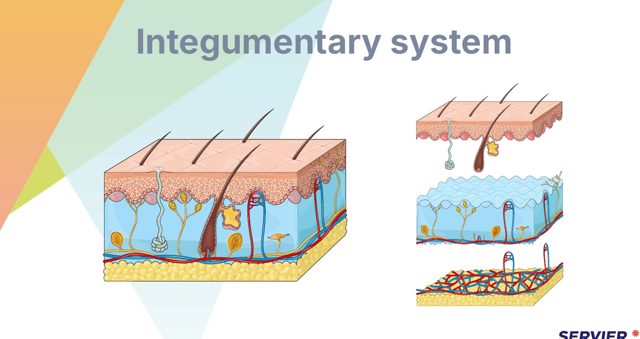
Skin layers in a 3-D block: epidermis, dermis and subcutaneous fat, with hair follicles, sebaceous and sweat glands, nerves and blood vessels; the right panel separates the three layers
Skin layers in a 3-D block: epidermis, dermis and subcutaneous fat, with hair follicles, sebaceous and sweat glands, nerves and blood vessels; the right panel separates the three layersطبقات الجلد في مجسّم ثلاثي الأبعاد: البشرة والأدمة والدهن تحت الجلد، مع بُصيلات الشعر والغدد الدهنية والعرقية والأعصاب والأوعية الدموية؛ ويفصل الشكل الأيمن الطبقات الثلاثServier Medical Art · CC BY 4.0

Burn depth determines healing, treatment and scarring, and each depth has a recognisable appearance.

عمق الحرق يحدّد الالتئام والعلاج والتندّب ولكلّ عمق مظهر مميّز.

1
Superficial — epidermis only
Red, dry, no blisters, blanches on pressure, painful. Heals in days without scarring.
سطحي — البشرة فقط: أحمر جافّ بلا فقاعات يشحب بالضغط ومؤلم؛ يلتئم خلال أيام دون تندّب.
2
Superficial partial thickness
Blisters, moist, red, blanches, very painful. Heals in about two weeks, usually without scarring.
جزئي سطحي — فقاعات ورطب وأحمر ويشحب ومؤلم جداً: يلتئم بنحو أسبوعين وغالباً دون تندّب.
3
Deep partial thickness
Blistered or moist, mottled red and white, sluggish or absent blanching, less painful. Heals slowly and scars.
جزئي عميق — فقاعات أو رطب ومبقّع أحمر وأبيض وشحوب بطيء أو معدوم وأقلّ ألماً: يلتئم ببطء ويتندّب.
4
Full thickness
White, waxy, leathery or charred, dry, does not blanch, and — the key — PAINLESS. Will not heal without grafting.
كامل السماكة — أبيض شمعي جلدي أو متفحّم وجافّ ولا يشحب و— المفتاح — غير مؤلم؛ ولا يلتئم دون تطعيم.
❌What people expect
  • More pain = worse burn
  • So a painless area is reassuring
  • And a screaming patient is the priority
  • Both assumptions are backwards
ما يتوقّعه الناس — ألم أكثر يعني حرقاً أسوأ، فالمنطقة غير المؤلمة مطمئنة، والمريض الصارخ هو الأولوية: والافتراضان معكوسان.
✅The reality
  • The deepest burn is the one that does NOT hurt
  • The nerve endings are destroyed
  • Painless, leathery, non-blanching = full thickness
  • More serious than the blistered area screaming beside it
الواقع — أعمق حرق هو الذي لا يؤلم: فالنهايات العصبية مدمَّرة. غير مؤلم وجلدي ولا يشحب = كامل السماكة، وهو أخطر من المنطقة الفقاعية المؤلمة بشدّة إلى جانبه.

Total body surface area is estimated because it determines fluid resuscitation and referral.

مساحة سطح الجسم الكلّية تُقدَّر لأنها تحدّد الإنعاش السائلي والإحالة.
9%head and neck; each armالرأس والعنق؛ وكلّ ذراع
18%each leg; front of trunk; back of trunkكلّ ساق؛ ومقدّم الجذع؛ ومؤخّره
1%the perineum — and the patient’s own palm including fingersالعجان — وراحة يد المريض نفسها بما فيها الأصابع
Lund–Browderused in children — the rule of nines does not applyلوند–براودر — للأطفال: قاعدة التسعات لا تنطبق
•Two rules about the calculation that change the fluid dose◆ قاعدتان في الحساب تغيّران حجم السوائل
Do NOT count superficial burnsSimple erythema without blisters is not included in the total body surface area — counting it produces an over-estimate and over-resuscitation.لا تُحسَب الحروق السطحية — الحُمامى البسيطة بلا فقاعات لا تُدرَج في مساحة سطح الجسم الكلّية، فحسابها يضخّم التقدير ويؤدّي إلى إفراط في الإنعاش.
A child is not a small adultThe head is proportionally much larger and the legs smaller, and the proportions change with age — so the rule of nines underestimates a head burn and overestimates a leg burn.الطفل ليس بالغاً صغيراً — الرأس أكبر نسبياً بكثير والساقان أصغر، وتتغيّر النسب مع العمر؛ لذا تقلّل قاعدة التسعات من تقدير حرق الرأس وتبالغ في تقدير حرق الساق.
🚩
Watch out
تنبيه
The deepest burn is the one that does not hurt. A full thickness burn is dry, leathery, non-blanching and painless because the nerve endings are destroyed.
الحرق الأعمق هو الذي لا يؤلم. فالحرق كامل السماكة جافّ جلدي لا يشحب وغير مؤلم لأن النهايات العصبية دُمّرت.
🔑
Memory aid
مفتاح للحفظ
Rule of nines in an adult: head 9, each arm 9, front of trunk 18, back of trunk 18, each leg 18, perineum 1.
قاعدة التسعات لدى البالغ: الرأس ٩ وكلّ ذراع ٩ ومقدّم الجذع ١٨ ومؤخّره ١٨ وكلّ ساق ١٨ والعجان ١.
⭐
Key point
نقطة أساسية
Superficial redness without blisters is not counted in the total body surface area. Counting it inflates the figure and leads to over-resuscitation.
الاحمرار السطحي دون فقاعات لا يُحسَب في مساحة سطح الجسم الكلّية. فحسابه يضخّم الرقم ويؤدّي لإفراط في الإنعاش.
⭐
Key point
نقطة أساسية
The patient's own palm including the fingers is about one per cent of his body surface — his palm, not yours.
كفّ المريض نفسه بما فيه الأصابع نحو واحد بالمئة من مساحة سطح جسمه — كفّ المريض نفسه هو المعتمد لا كفّ من يجري التقدير.
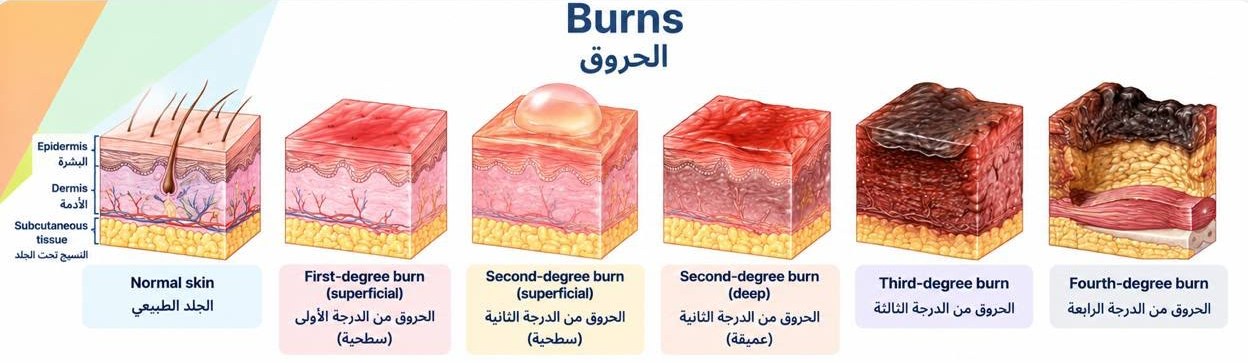
Burn depth compared with normal skin: first-degree, second-degree (superficial and deep), third-degree and fourth-degree burns
Burn depth compared with normal skin: first-degree (superficial) burn limited to the epidermis; second-degree (partial-thickness) burn includes superficial (with a blister, limited to the superficial dermis) and deep (extends to the deeper dermis); third-degree (full-thickness) burn destroys the epidermis and the whole dermis; fourth-degree burn extends beyond the dermis to involve subcutaneous tissue, muscle or boneعمق الحروق مقارنةً بالجلد الطبيعي: الحروق من الدرجة الأولى (سطحية) تقتصر على البشرة؛ والحروق من الدرجة الثانية (جزئية السماكة) تشمل الحروق السطحية (مع فقاعة، وتقتصر على الأدمة السطحية) والحروق العميقة (تمتد إلى الأدمة العميقة)؛ والحروق من الدرجة الثالثة (كاملة السماكة) تدمّر البشرة والأدمة بالكامل؛ والحروق من الدرجة الرابعة تمتد إلى ما بعد الأدمة لتشمل النسيج تحت الجلد أو العضلات أو العظمAdapted from Servier Medical Art · CC BY 4.0

13.2 · The First Minutes١٣٫٢ · الدقائق الأولى

1
Stop the burning process
Remove him from the source; stop him running and roll him on the ground; remove burnt clothing and all jewellery before swelling makes it impossible.
إيقاف عملية الحرق — يُبعَد المريض عن المصدر، ويُمنَع من الركض ويُدحرَج على الأرض، وتُنزَع الملابس المحترقة وكلّ الحليّ قبل أن يجعل التورّم ذلك مستحيلاً.
2
Cool with running water — 20 minutes
Cool or lukewarm. Still worth doing for up to about 3 hours after the injury — so a late arrival is still cooled.
التبريد بماء جارٍ عشرين دقيقة — بارد أو فاتر؛ وما زال التبريد مجدياً حتى نحو ثلاث ساعات بعد الإصابة، فيُبرَّد المصاب الواصل متأخراً أيضاً.
3
Cover with cling film in STRIPS
Laid on, not wrapped around — a circumferential wrap constricts as swelling develops.
التغطية بغشاء لاصق على شكل شرائط — يُوضَع ولا يُلَفّ حول الطرف، فاللفّ الدائري يضيّق مع تطوّر التورّم.
4
Keep the PATIENT warm
Blankets, warm environment, warmed fluids — while the burn itself is cooled.
إبقاء المريض دافئاً — بطّانيات وبيئة دافئة وسوائل مدفّأة، بينما يُبرَّد الحرق نفسه.
5
Analgesia early
And remove anything constricting before the oedema arrives.
تسكين مبكّر — وإزالة أيّ شيء ضاغط قبل وصول الوذمة.

The tension in burn care is that you must cool the burn but keep the patient warm, and these pull in opposite directions. A burned patient loses heat rapidly through damaged skin, and hypothermia worsens the outcome — it deepens the burn, impairs clotting and worsens shock. So cool the burn, not the person: in a large burn, cool in stages or for a shorter period, and monitor the temperature.

يكمن التوتّر في رعاية الحروق في أنه يجب تبريد الحرق مع إبقاء المريض دافئاً وهما يتجاذبان اتّجاهين متعاكسين. فالمريض المحروق يفقد الحرارة بسرعة عبر جلد متضرّر وانخفاض الحرارة يسوّئ النتيجة — فيعمّق الحرق ويُضعف التخثّر ويسوّئ الصدمة. فيُبرَّد الحرق لا الشخص؛ وفي الحرق الواسع يُبرَّد على مراحل أو لمدة أقصر مع مراقبة درجة الحرارة.

•Never applied to a burn◆ ما لا يُوضَع على الحرق أبداً
Ice or iced waterCauses vasoconstriction and deepens the injury.الثلج أو الماء المثلّج — تقبّض وعائي يعمّق الإصابة.
A soaked cloth left in placeIt warms and stops cooling — it must be running water.قطعة قماش مبلّلة متروكة في مكانها — تدفأ وتكفّ عن التبريد؛ ولا بدّ أن يكون الماء جارياً.
Toothpaste, oil, butter, egg white, coffee grounds, ointmentAll traditional, all cause harm — and all must be asked about without reproach, because families will not volunteer them.معجون أسنان وزيت وزبدة وبياض بيض وثفل قهوة ومراهم — كلّها تقليدية وضارّة، ويجب السؤال عنها دون تأنيب لأن الأسر لا تذكرها طوعاً.
Bursting blisters routinelyManaged by local policy — small intact blisters are commonly left, because the blister is a sterile biological dressing.تفجير الفقاعات روتينياً — يخضع تدبيرها للسياسة المحلّية؛ والفقاعات الصغيرة السليمة تُترَك عادةً لأن الفقاعة ضماد بيولوجي معقّم.
🚩
Watch out
تنبيه
Cool with running cool water for about twenty minutes, never with ice. Ice causes vasoconstriction, deepens the injury and accelerates hypothermia.
يُبرَّد الحرق بماء جارٍ بارد نحو عشرين دقيقة ولا يُستخدَم الثلج أبداً. فالثلج يسبّب تقبّضاً وعائياً ويعمّق الإصابة ويسرّع انخفاض الحرارة.
🚩
Watch out
تنبيه
Toothpaste, oil, butter, honey, henna and flour trap heat, introduce infection, obscure the depth and have to be scrubbed off later. Water only.
معجون الأسنان والزيت والزبدة والعسل والحنّاء والدقيق تحبس الحرارة وتُدخل العدوى وتحجب العمق ويلزم إزالتها بالفرك لاحقاً. ماء فقط.
⭐
Key point
نقطة أساسية
Cool the burn but warm the patient. Remove wet clothing, cover the unburned body and monitor the temperature — hypothermia worsens bleeding, acidosis and outcome.
يُبرَّد الحرق ويُدفَّأ المريض. تُنزَع الملابس المبتلّة ويُغطّى الجسم غير المحروق وتُراقَب الحرارة — فانخفاض الحرارة يسوّئ النزف والحماض ويؤثّر سلبًا في النتيجة العلاجية.
🚩
Watch out
تنبيه
Give analgesia intravenously, never intramuscularly, because absorption from poorly perfused tissue is unreliable.
يُعطى المسكّن وريدياً لا عضلياً أبداً، فالامتصاص من نسيج ضعيف التروية غير موثوق.

13.3 · The Airway and Inhalation Injury١٣٫٣ · المجرى الهوائي وإصابة الاستنشاق

The airway is always the first priority in a burn, ahead of the burn itself — because airway swelling develops progressively over hours, and a patient who is talking comfortably now can be in trouble later.

المجرى الهوائي هو دائماً الأولوية الأولى في الحرق قبل الحرق نفسه — فتورّم المجرى يتطوّر تدريجياً عبر ساعات والمريض الذي يتحدّث بارتياح الآن قد تتدهور حالته لاحقاً.

•Signs suggesting inhalation injury — any of these raises the concern◆ علامات توحي بإصابة الاستنشاق — وجود أيّ منها يزيد القلق
Burned in an enclosed spaceThe single most important item in the history.احترق في مكان مغلق — أهمّ بند في القصّة.
Facial burns, singed nasal hair, sootAround the mouth or nose, or in the sputum.حروق وجه وشعر أنف محروق وسخام — حول الفم أو الأنف أو في القشع.
Hoarseness, stridor or a change in voiceThe voice change is the warning — the swelling has reached the larynx.بحّة أو صرير أو تغيّر صوت — تغيّر الصوت هو التحذير: فالتورّم قد بلغ الحنجرة.
Cough, breathlessness, wheezeOr carbonaceous sputum.سعال وضيق نفس وأزيز أو قشع كربوني.

The management principle is early intubation by an experienced clinician, before the airway closes — rather than waiting for deterioration. It is far easier to intubate an airway that is still open, and an attempt made once the swelling is established may fail entirely. So a nurse’s contribution is escalating on the signs above rather than on the observations, which will look normal.

مبدأ التدبير هو التنبيب المبكّر من ممارس خبير قبل انغلاق المجرى — لا انتظار التدهور. فتنبيب مجرى ما زال مفتوحاً أسهل بكثير ومحاولة تُجرى بعد ترسّخ التورّم قد تفشل تماماً. فمساهمة الكادر التمريضي هي التصعيد على العلامات أعلاه لا على القياسات التي ستبدو طبيعية.

Carbon monoxide poisoning must be assumed in anyone burned in an enclosed space, and it contains a trap the nurse must know.

يجب افتراض تسمّم أول أكسيد الكربون لدى كلّ من احترق في مكان مغلق، وهو يحوي فخّاً يجب أن يعرفه الكادر التمريضي.

⚠️The trap
  • Pulse oximetry is falsely NORMAL or high
  • The oximeter cannot distinguish carboxyhaemoglobin from oxyhaemoglobin
  • So the saturation reads 99% in a dying patient
  • A normal saturation does not exclude it
الفخّ — قياس التأكسج النبضي طبيعي أو مرتفع كاذباً: فالجهاز لا يميّز الكربوكسي هيموغلوبين من الأوكسي هيموغلوبين، فتُقرأ نسبة التشبّع ٩٩٪ لدى مريض يحتضر، ونسبة التشبّع الطبيعية لا تستبعد التسمّم.
✅What to do
  • Suspect it on the history, not the number
  • Headache, nausea, confusion, drowsiness — non-specific
  • High-flow oxygen through a non-rebreathing mask
  • Measure carboxyhaemoglobin on a blood gas
الإجراء المناسب — يُشتبه بالتسمّم بالاستناد إلى القصّة لا إلى الرقم؛ والصداع والغثيان والتخليط والنعاس أعراض غير نوعية؛ ويُعطى أكسجين عالي التدفّق عبر قناع غير معيد للتنفّس؛ ويُقاس الكربوكسي هيموغلوبين في غازات الدم.

The classic cherry-red skin is a late and unreliable sign — do not wait for it.

الجلد الكرزي الأحمر الكلاسيكي علامة متأخّرة وغير موثوقة — ولا يُنتظَر ظهورها.

🚩
Watch out
تنبيه
Pulse oximetry is falsely normal in carbon monoxide poisoning — the oximeter cannot distinguish carboxyhaemoglobin from oxyhaemoglobin. Give high-flow oxygen and measure it properly.
قياس التأكسج النبضي طبيعي كاذباً في التسمّم بأول أكسيد الكربون — فالمقياس لا يميّز الكربوكسي هيموغلوبين من الأوكسي هيموغلوبين. يُعطى أكسجين عالي التدفّق ويُقاس الكربوكسي هيموغلوبين قياساً صحيحاً.
🔑
Memory aid
مفتاح للحفظ
Signs of inhalation injury: facial burns, singed nasal hairs, soot in the sputum, hoarseness, stridor, drooling, and any burn in an enclosed space.
علامات إصابة الاستنشاق: حروق وجه وشعر أنف محترق وسخام في القشع وبحّة وصرير وسيلان لعاب وأيّ حرق في مكان مغلق.
🚩
Watch out
تنبيه
Intubate early on the risk of what will happen, not on how the patient looks now. A patient talking comfortably can be impossible to intubate two hours later.
يُنبَّب مبكّراً بناءً على خطر ما سيحدث لا على مظهر المريض الآن. فالمريض الذي يتكلّم بارتياح قد يستحيل تنبيبه بعد ساعتين.

13.4 · Fluid Resuscitation١٣٫٤ · إنعاش السوائل

A major burn causes a massive shift of fluid out of the circulation into the tissues, producing hypovolaemia and shock over the first hours even though no blood has been lost.

الحرق الكبير يسبّب انزياحاً هائلاً للسائل من الدوران إلى الأنسجة مؤدّياً إلى نقص حجم الدم وصدمة خلال الساعات الأولى رغم عدم فقدان أي دم.

1
The formula gives a starting volume
Calculated from weight and percentage burned, per the formula your service uses.
الصيغة تعطي حجماً مبدئياً — يُحسَب من الوزن ونسبة الحرق وفق الصيغة التي تعتمدها الخدمة.
2
The clock starts at the TIME OF INJURY
Not the time he arrives. If he reaches you three hours later, those three hours come out of the first period — so the remaining volume is given faster.
الساعة تبدأ وقت الإصابة — لا وقت وصوله؛ فإن وصل بعد ثلاث ساعات فإن هذه الساعات الثلاث تُخصَم من الفترة الأولى، ولذلك يُعطى الحجم المتبقّي بسرعة أكبر.
3
Half in the first 8 hours
The rest over the following 16 — the front-loading is deliberate.
النصف في أول ثماني ساعات — والباقي خلال الساعات الستّ عشرة التالية — والتحميل المبكّر مقصود.
4
Then adjust against the RESPONSE
The formula is a starting point, not a prescription.
ثم يُعدَّل بحسب الاستجابة — فالصيغة نقطة بداية لا وصفة.
5
Urine output is the endpoint
Which is why a urinary catheter is inserted — it is a monitoring line as much as a drainage one.
إدرار البول هو النقطة النهائية — ولهذا تُوضَع قسطرة بولية، فهي خطّ مراقبة بقدر ما هي خطّ تصريف.
⬇️Under-resuscitation
  • Hypotension, poor perfusion
  • Falling urine output
  • Deepens the burn — the zone of stasis is lost
  • Renal failure
نقص الإنعاش — هبوط ضغط وضعف إرواء وهبوط في إدرار البول، ويعمّق الحرق إذ تُفقَد منطقة الركود، ويؤدّي إلى قصور كلوي.
⬆️Over-resuscitation — also harmful
  • A genuine and under-appreciated risk
  • The tendency to exceed the calculated volume is well described
  • Worse oedema, compartment syndrome
  • Pulmonary oedema, prolonged ventilation
  • Abdominal compartment syndrome
فرط الإنعاش ضارّ أيضاً — خطر حقيقي لا يُقدَّر حقّ قدره، والميل إلى تجاوز الحجم المحسوب موثّق جيداً: وذمة أسوأ ومتلازمة الحيّز، ووذمة رئوية وتطويل التهوية الميكانيكية، ومتلازمة الحيّز البطني.

So the volume is titrated in both directions: the calculated figure is a guide, and the urine output tells you whether to increase or reduce it. Giving more because the number said so is not resuscitation — it is arithmetic.

فالحجم يُعاير في الاتّجاهين: فالرقم المحسوب دليل وإدرار البول يبيّن هل ينبغي الزيادة أم التقليل. وإعطاء المزيد لأن الرقم قال ذلك ليس إنعاشاً — بل حساباً.

🔑
Memory aid
مفتاح للحفظ
Parkland: 4 mL x weight in kg x %TBSA of Ringer's lactate over 24 hours, half in the first 8 hours — timed from the injury, not from arrival.
باركلاند: ٤ مل × الوزن بالكغم × نسبة المساحة المحروقة من محلول رينغر لاكتات خلال ٢٤ ساعة، نصفها في الساعات الثماني الأولى — محسوبة من الإصابة لا من الوصول.
⭐
Key point
نقطة أساسية
Urine output guides the resuscitation — about 0.5 mL per kilogram per hour in an adult. The formula is a starting point and the rate is titrated to the response.
إدرار البول يوجّه الإنعاش — نحو ٠٫٥ مل لكلّ كيلوغرام في الساعة لدى البالغ. والمعادلة نقطة بداية ويُعايَر المعدّل حسب الاستجابة.
🚩
Watch out
تنبيه
Too much fluid deepens the burn, causes pulmonary oedema and can cause compartment syndrome. If the urine output is adequate, the rate comes down.
السوائل الزائدة تعمّق الحرق وتسبّب وذمة رئوية وقد تسبّب متلازمة الحيّز. فإن كان إدرار البول كافياً يُخفَّض المعدّل.

13.5 · Why the Fluid Matters: Burn Shock and the Zone of Stasis١٣٫٥ · لماذا تهمّ السوائل: صدمة الحرق ومنطقة الركود

The formula makes sense only once the underlying physiology does.

الصيغة لا تصير منطقيةً إلا بعد فهم الفيزيولوجيا الكامنة.

1
A major burn releases inflammatory mediators
Systemically, not only at the burn.
الحرق الكبير يُطلق وسائط التهابية — جهازياً لا عند الحرق فقط.
2
Capillaries leak throughout the body
The leak is generalised.
الشعيرات الدموية تتسرّب في الجسم كلّه — والتسريب معمّم.
3
Plasma moves into the tissues
Producing massive oedema, including in unburned areas.
البلازما تنتقل إلى الأنسجة — مسبّبةً وذمة هائلة حتى في مناطق غير محروقة.
4
The circulating volume falls
So he is shocked without having bled — this is burn shock.
يهبط الحجم الدائر — فيُصاب بالصدمة دون نزف: وهذه صدمة الحرق.
5
The leak is worst in the first 8 hours and settles over 24 to 48 hours
Which is why the resuscitation is front-loaded into the first 24.
يبلغ التسريب أشدّه في الساعات الثماني الأولى ويهدأ خلال ٢٤ إلى ٤٨ ساعة — ولهذا يُحمَّل الإنعاش على الساعات الأربع والعشرين الأولى.

The same physiology explains something that changes how the wound is cared for. A burn has three zones.

الفيزيولوجيا نفسها تفسّر شيئاً يغيّر كيفية العناية بالجرح. فللحرق ثلاث مناطق.

•The three zones — and the one you can change◆ المناطق الثلاث — والمنطقة التي يمكن تغييرها
Zone of coagulation — the centreTissue that is already dead and will not recover. Nothing you do changes it.منطقة التخثّر — المركز: نسيج ميت أصلاً ولن يتعافى؛ ولا شيء مما يُفعل يغيّره.
Zone of stasis — around itTissue that is injured but still viable, with sluggish perfusion. It can recover — or it can die and deepen the burn. This is the zone nursing care actually influences.منطقة الركود — حول منطقة التخثّر: نسيج مصاب لكنه قابل للحياة مع بطء في الإرواء، قد يتعافى أو يموت فيعمّق الحرق؛ وهي المنطقة التي تؤثّر فيها الرعاية التمريضية فعلاً.
Zone of hyperaemia — outermostIncreased blood flow; recovers.منطقة فرط الدم — الأبعد خارجاً: زيادة في تدفّق الدم؛ وتتعافى.

What pushes the zone of stasis the wrong way is a short and entirely nursing-controllable list.

ما يدفع منطقة الركود في الاتّجاه الخاطئ قائمة قصيرة يتحكّم بها التمريض تماماً.

Hypotensionand inadequate resuscitationهبوط الضغط ونقص الإنعاش
Hypothermiathe one most often overlookedانخفاض الحرارة — الأكثر إغفالاً
Dehydrationand infectionالجفاف والعدوى
Oedemaand prolonged pressure on the areaالوذمة والضغط المطوّل على المنطقة

Every one of those is something a nurse manages. So ‘the burn got deeper’ is frequently not the burn progressing on its own — it is the zone of stasis being lost to cold, pressure or under-resuscitation.

كلّ واحد منها شيء يتولّاه التمريض. فـ«تعمّق الحرق» كثيراً ما لا يكون تقدّماً ذاتياً للحرق — بل فقدان منطقة الركود للبرد أو الضغط أو نقص الإنعاش.

•Two monitoring points that follow◆ نقطتا مراقبة تترتّبان على ذلك
Urine output is the practical guideTo the adequacy of resuscitation — hourly, against the target for weight.إدرار البول الدليل العملي — لكفاية الإنعاش، ويُقاس كلّ ساعة مقابل الهدف المحدّد بحسب الوزن.
Central venous pressure is unreliable in burnsThe capillary leak and the oedema make it a poor reflection of the circulating volume — so it is not the number to titrate against.الضغط الوريدي المركزي غير موثوق في الحروق — فالتسريب الشعري والوذمة يجعلانه انعكاساً ضعيفاً للحجم الدائر، فليس هو الرقم الذي يُعاير الإنعاش بمقابله.
⭐
Key point
نقطة أساسية
A burn causes capillary leak throughout the body, so the patient is in hypovolaemic shock without bleeding. The leak is greatest in the first eight hours, timed from the burn rather than from arrival.
الحرق يسبّب تسريباً شعرياً في الجسم كلّه، فالمريض في صدمة نقص حجم دون نزف. والتسريب أعظم في الساعات الثماني الأولى محسوبةً من الحرق لا من الوصول.
🚩
Watch out
تنبيه
The zone of stasis can convert to necrosis over one to two days, making the burn deeper. Hypotension, hypothermia, dehydration, infection, pressure and drying all push it the wrong way.
منطقة الركود قد تتحوّل إلى نخر خلال يوم أو يومين فيصير الحرق أعمق. وهبوط الضغط وانخفاض الحرارة والجفاف والعدوى والضغط وجفاف الجرح تدفعها في الاتّجاه الخاطئ.
⭐
Key point
نقطة أساسية
Central venous pressure is unreliable in burns because of the capillary leak and raised abdominal pressure. Urine output remains the practical guide to resuscitation.
الضغط الوريدي المركزي غير موثوق في الحروق بسبب التسريب الشعري وارتفاع ضغط البطن. ويبقى إدرار البول الدليل العملي للإنعاش.

13.6 · The Two Phases and Their Electrolytes١٣٫٦ · المرحلتان وشوارِدهما

A major burn passes through two phases with opposite fluid and electrolyte pictures, and knowing which phase he is in explains almost every abnormal result.

الحرق الكبير يمرّ بمرحلتين بصورتين سائلية وشاردية متعاكستين ومعرفة أيّ مرحلة هو فيها تفسّر كلّ نتيجة شاذّة تقريباً.

💧Emergent / resuscitative — first ~48h
  • Fluid leaks OUT of the circulation into the tissues
  • HYPERkalaemia — burned cells lyse and release intracellular potassium
  • HYPOnatraemia — sodium follows the fluid into the tissues
  • Haemoconcentration — a raised haematocrit because plasma is lost
  • Metabolic acidosis
المرحلة الإسعافية (الإنعاشية) — أول ٤٨ ساعة تقريباً: يتسرّب السائل خارج الدوران إلى الأنسجة؛ فرط بوتاسيوم الدم — تتحلّل الخلايا المحروقة وتُطلق البوتاسيوم داخل الخلوي؛ نقص صوديوم الدم — يتبع الصوديوم السائل إلى الأنسجة؛ تركّز الدم — ارتفاع الهيماتوكريت لفقدان البلازما؛ وحماض استقلابي.
🚽Acute / diuretic — after ~48h
  • The capillaries seal; fluid returns to the circulation and is excreted
  • HYPOkalaemia — potassium is lost in the urine
  • Sodium is also lost in the diuresis
  • Diuresis — a large urine output that is expected, not reassuring
  • Risk of fluid overload as the fluid returns
المرحلة الحادّة (مرحلة الإدرار) — بعد نحو ٤٨ ساعة: تُغلَق الشعيرات فيعود السائل إلى الدوران ويُطرَح؛ نقص بوتاسيوم الدم — يُفقَد البوتاسيوم في البول؛ ويُفقَد الصوديوم أيضاً أثناء الإدرار؛ إدرار بولي غزير متوقّع وليس مطمئناً؛ وخطر فرط الحمل السائلي مع عودة السائل.

So the potassium reverses between the two phases, and it is the examinable point: high early because cells are lysing, low later because it is being urinated out. A potassium result is interpreted by asking which phase he is in before anything else.

فالبوتاسيوم ينعكس بين المرحلتين وهو النقطة القابلة للاختبار: مرتفع مبكّراً لانحلال الخلايا ومنخفض لاحقاً لطرحه بالبول. ونتيجة البوتاسيوم تُفسَّر بسؤال أيّ مرحلة هو فيها قبل أيّ شيء.

•Two consequences that catch people out◆ نتيجتان تُوقعان الناس في الخطأ
A big diuresis at 48–72 hours is EXPECTEDIt is the fluid coming back — not evidence that the resuscitation succeeded and can be reduced further, and not a reason to give more.إدرار كبير عند ٤٨ إلى ٧٢ ساعة متوقّع — إنه السائل العائد، وليس دليلاً على نجاح الإنعاش بحيث يمكن تقليله أكثر، وليس سبباً لإعطاء المزيد.
A raised haematocrit early is haemoconcentrationNot polycythaemia — the plasma has left, the cells have not. It falls as he is resuscitated, which looks like a drop in haemoglobin.ارتفاع الهيماتوكريت مبكّراً تركّز دم — وليس كثرة كريات حمر: فالبلازما غادرت والخلايا لا. وينخفض مع الإنعاش، فيبدو كهبوط في الهيموغلوبين.
🔑
Memory aid
مفتاح للحفظ
First 24 hours: potassium up, sodium down, haematocrit up. After 48 hours the fluid returns: potassium down, haematocrit down, and the risk becomes overload.
الأربع والعشرون ساعة الأولى: بوتاسيوم مرتفع وصوديوم منخفض وهيماتوكريت مرتفع. وبعد ثماني وأربعين ساعة يعود السائل: بوتاسيوم منخفض وهيماتوكريت منخفض ويصير الخطر زيادة الحمل.
⭐
Key point
نقطة أساسية
Hyperkalaemia in the first day comes from lysed cells releasing intracellular potassium. Watch the cardiac monitor — it can be severe enough to cause arrhythmia.
فرط البوتاسيوم في اليوم الأول من خلايا منحلّة تُطلق بوتاسيومها داخل الخلوي. يُنتبَه إلى مرقاب القلب — فقد يكون شديداً بما يكفي لإحداث اضطراب نظم.

13.7 · Complications and Wound Care١٣٫٧ · المضاعفات والعناية بالجرح

A circumferential burn — one that encircles a limb, a digit, the neck or the chest — becomes dangerous as oedema develops beneath rigid, inelastic burnt skin called eschar, which cannot expand.

الحرق الدائري (المحيطي) — الذي يطوّق طرفاً أو إصبعاً أو العنق أو الصدر — يصير خطراً مع تطوّر الوذمة تحت جلد محروق صلب غير مرن يُسمّى الخشارة لا يستطيع التمدّد.

🦾Circumferential LIMB burn
  • Pressure rises beneath the eschar
  • Compartment syndrome — perfusion is cut off
  • Watch: pain, pallor, paraesthesia, pulselessness, cold
  • Check pulses and capillary refill hourly, and elevate
  • Treatment: escharotomy
حرق دائري في الطرف — يرتفع الضغط تحت الخشارة فتنشأ متلازمة الحيّز وينقطع الإرواء؛ العلامات المراقَبة: ألم وشحوب وتنمّل وغياب النبض وبرودة؛ ويُفحص النبض وعود امتلاء الشعيرات كلّ ساعة ويُرفع الطرف؛ والعلاج: بضع الخشارة.
🫁Circumferential CHEST burn
  • The chest wall cannot expand
  • So ventilation is mechanically restricted
  • Rising airway pressures, falling tidal volume
  • Not an airway problem — a chest wall problem
  • Treatment: escharotomy, urgently
حرق دائري في الصدر — جدار الصدر لا يتمدّد فتُقيَّد التهوية ميكانيكياً؛ وترتفع ضغوط المجرى الهوائي ويهبط الحجم المدّي؛ والمشكلة ليست في المجرى الهوائي بل في جدار الصدر؛ والعلاج: بضع الخشارة بصورة عاجلة.

Infection is the leading cause of death once the patient has survived the resuscitation, because the burn destroys the body’s principal barrier and the wound is an ideal culture medium.

العدوى هي السبب الرئيس للوفاة بعد نجاة المريض من الإنعاش، فالحرق يدمّر الحاجز الرئيس للجسم والجرح وسط زرع مثالي.

•Recognising burn wound infection — the signs are different◆ تمييز عدوى جرح الحرق — العلامات مختلفة
The classic signs are unreliableThe burn is already red, swollen, hot and exudative — so ‘redness and swelling’ tells you nothing.العلامات الكلاسيكية غير موثوقة — فالحرق أصلاً أحمر ومتورّم وحارّ ومفرِز، فلا يدلّ «الاحمرار والتورّم» على شيء.
Look for CHANGE insteadA wound that was healing and stops; a change in colour, odour or exudate; new pain in a previously painless area; a graft that fails to take.يُبحَث عن التغيّر بدلاً من ذلك — جرح كان يلتئم فتوقّف، أو تغيّر في اللون أو الرائحة أو الإفراز، أو ألم جديد في منطقة كانت غير مؤلمة، أو طُعم جلدي لم يتثبّت.
And systemic signsFever or hypothermia, tachycardia, falling platelets, rising or falling white count, glucose instability, and confusion — which in a burn patient is sepsis until proved otherwise.وعلامات جهازية — حمّى أو انخفاض حرارة وتسرّع قلب وهبوط الصفيحات وارتفاع أو انخفاض تعداد الكريات البيض واضطراب سكّر الدم وتشوّش — وهو لدى مريض الحرق إنتان إلى أن يثبت العكس.
PreventionMeticulous hand hygiene, aseptic dressing technique, protective isolation per protocol, and early enteral nutrition, which protects the gut barrier.الوقاية — نظافة اليدين الدقيقة وتقنية ضماد معقّمة وعزل وقائي بحسب البروتوكول وتغذية معوية مبكّرة تحمي حاجز الأمعاء.

The hypermetabolic response to a major burn is extreme and prolonged: the metabolic rate can rise enormously and stay elevated for months, with massive protein breakdown, muscle wasting and impaired healing. So nutrition is treatment, not supportive care — high-calorie, high-protein feeding started early, enterally wherever possible, with the intake actually recorded rather than assumed.

استجابة فرط الاستقلاب لحرق كبير شديدة ومطوّلة: فمعدّل الاستقلاب قد يرتفع هائلاً ويبقى مرتفعاً أشهراً مع تحطيم بروتين هائل وضمور عضلي وضعف التئام. فالتغذية علاج لا رعاية داعمة — عالية السعرات والبروتين تبدأ مبكّراً ومعوياً حيثما أمكن مع تسجيل الوارد فعلياً لا افتراضه.

Pain after a burn has three distinct components, and each needs its own plan — which is why a single regular analgesic fails.

للألم بعد الحرق ثلاثة مكوّنات متمايزة ولكلّ منها خطّته — ولهذا يخفق مسكّن منتظم واحد.

1
Background pain
Continuous — needs regular around-the-clock analgesia, not as required.
الألم الخلفي — مستمرّ: يحتاج تسكيناً منتظماً على مدار الساعة لا عند الطلب.
2
Breakthrough pain
Episodic — needs a rescue dose available and given.
الألم الاختراقي — نوبي: يحتاج جرعة إنقاذ متاحة وتُعطى.
3
Procedural pain
Severe, predictable and preventable — dressing changes need additional analgesia given in advance with time to work, not offered afterwards.
الألم الإجرائي — شديد ومتوقَّع وقابل للمنع: يحتاج تغيير الضمادات إلى تسكين إضافي يُعطى مسبقاً بوقت كافٍ ليعمل، لا بعد الإجراء.
4
And the non-drug half
Warn before you touch, give control, allow pauses, and use distraction — an addition to analgesia, never a substitute.
والنصف غير الدوائي — يُنبَّه المريض قبل اللمس، ويُمنَح تحكّماً، وتُتاح له وقفات، وتُستخدَم وسائل الإلهاء — إضافةً إلى التسكين لا بديلاً عنه أبداً.

Wound care: clean the burn, debride loose devitalised tissue, and dress it according to depth and local protocol. Blisters are managed by local policy — small intact blisters are commonly left, because the blister is a sterile biological dressing.

رعاية الجرح: يُنظَّف الحرق ويُزال النسيج الميت السائب ويُضمَّد بحسب العمق والبروتوكول المحلّي. ويخضع تدبير الفقاعات للسياسة المحلّية — الصغيرة السليمة تُترَك عادةً فالفقاعة ضماد بيولوجي معقّم.

🚩
Watch out
تنبيه
A circumferential burn acts as a tourniquet as oedema develops. Check distal pulses, colour, sensation and pain hourly, and escalate for escharotomy — around the chest it restricts breathing and no amount of oxygen will fix it.
الحرق الدائري يعمل كعاصبة مع نشوء الوذمة. تُفحص النبضات القاصية واللون والإحساس والألم كلّ ساعة، ويُصعَّد الأمر لإجراء بضع الخُشارة — وحول الصدر يقيّد التنفّس ولا يُصلحه أيّ قدر من الأكسجين.
⭐
Key point
نقطة أساسية
Infection is the leading cause of death once the patient has survived resuscitation. A burned patient may be hypothermic rather than febrile, so a falling temperature is as significant as a rising one.
العدوى السبب الرئيس للوفاة بعد نجاة المريض من الإنعاش. وقد يكون المريض المحروق منخفض الحرارة لا محموماً، فهبوط الحرارة بأهمّية ارتفاعها.
🔑
Memory aid
مفتاح للحفظ
Burn pain has three components: background pain needing regular analgesia, procedural pain needing extra analgesia timed in advance, and breakthrough pain needing a rescue dose.
ألم الحرق ثلاثة مكوّنات: خلفي يحتاج مسكّناً منتظماً وإجرائي يحتاج مسكّناً إضافياً موقّتاً مسبقاً واختراقي يحتاج جرعة إنقاذ.
🚩
Watch out
تنبيه
Silver sulfadiazine is avoided in pregnancy, in the newborn and in sulphonamide allergy.
سلفاديازين الفضّة يُتجنّب في الحمل وعند حديثي الولادة وفي حساسية السلفوناميد.

13.8 · Choosing Dressings and Recognising Infection١٣٫٨ · اختيار الضمادات وتمييز العدوى

Dressings are chosen to match the wound rather than by habit, and the main variable is exudate. The principle: keep a dry wound moist and absorb from a wet one — a wound that is too dry will not heal, and one that is too wet macerates the surrounding skin.

تُختار الضمادات لتناسب الجرح لا بالعادة، والمتغيّر الرئيس هو الإفراز. والمبدأ: يُبقى الجرح الجافّ رطباً ويُمتصّ الإفراز من الجرح الرطب — فالجافّ جداً لن يلتئم والرطب جداً يُنقّع الجلد المحيط.

•Matching the dressing to the wound◆ مواءمة الضماد مع الجرح
Dry or low exudateA hydrogel to donate moisture, or a film.جافّ أو إفراز قليل — هلام مائي لإعطاء الرطوبة، أو غشاء.
Moderate exudateA foam or hydrocolloid.إفراز متوسّط — رغوة أو غروي مائي.
Heavy exudateAn alginate or a highly absorbent foam — and consider why it is so wet.إفراز غزير — ألجينات أو رغوة عالية الامتصاص — ويُنظَر في سبب هذه الغزارة.
Sloughy or necroticA debriding dressing, or sharp debridement by someone competent.جرح ذو نُسالة أو متنخّر — ضماد منضِّر أو تنضير حادّ يجريه شخص مؤهَّل.
And a cavityLoosely packed, with the packing counted and documented — a retained pack is a never event.والتجويف — يُحشى برخاوة والحشوة تُعدّ وتُوثَّق — فبقاء الحشوة في الجرح حدث لا يجوز أن يقع أبداً.

Wound swabbing is done far more often than it is useful, and understanding why prevents a common harm.

أخذ مسحات من الجروح يُجرى أكثر بكثير ممّا هو نافع وفهم السبب يمنع أذىً شائعاً.

🧫Colonisation — normal
  • Every chronic wound is colonised with bacteria
  • That is normal and is not infection
  • A swab will therefore always grow something
  • Treating a swab result rather than a patient means unnecessary antibiotics
الاستعمار الجرثومي — طبيعي: كلّ جرح مزمن مستعمَر بالجراثيم وهذا طبيعي وليس عدوى؛ والمسحة ستُنمّي شيئاً دائماً؛ ومعالجة نتيجة المسحة بدلاً من المريض تعني مضادات حيوية غير ضرورية.
🔴Infection — clinical
  • Increasing pain, spreading redness, heat, swelling
  • Purulent discharge, offensive odour
  • A wound that stops healing or breaks down
  • Systemic signs — fever, malaise
  • Swab only when you already suspect infection clinically
العدوى — سريرية: ألم متزايد واحمرار منتشر وحرارة وتورّم؛ وإفراز قيحي ورائحة كريهة؛ وجرح يتوقّف التئامه أو ينهار؛ وعلامات جهازية — حمّى ووعكة؛ ولا تؤخذ مسحة إلا حين يُشتبه سريرياً بالعدوى أصلاً.

Surgical site infection follows the same logic and typically appears in the days after operation: increasing rather than settling pain, spreading redness, heat, swelling, discharge, and fever. The discriminator is direction of travel — a wound that hurts less each day is healing; one that hurts more is not.

عدوى موضع الجراحة تتبع المنطق نفسه وتظهر عادةً في الأيام التالية للعملية: ألم يتزايد بدلاً من أن يهدأ واحمرار منتشر وحرارة وتورّم وإفراز وحمّى. والمميّز اتّجاه التطوّر — فالجرح الذي يؤلم أقلّ كلّ يوم يلتئم والذي يؤلم أكثر لا.

Two forms of skin damage are routinely mistaken for pressure injury, and the distinction changes the intervention.

شكلان من تلف الجلد يُخلَط بينهما وبين إصابة الضغط بصورة روتينية، والتمييز يغيّر التدخّل.

💦Moisture-associated damage
  • From prolonged exposure to urine, faeces, sweat or exudate
  • Diffuse, in skin folds and the perineum
  • Edges are irregular and indistinct
  • Not over a bony prominence
  • Fix the moisture — barrier, cleansing, continence management
تلف مرتبط بالرطوبة — ناجم عن تعرّض مطوّل للبول أو البراز أو العرق أو الإفراز؛ منتشر في طيّات الجلد والعجان، بحواف غير منتظمة وغير واضحة، وليس فوق نتوء عظمي؛ يُعالَج بضبط الرطوبة — واقٍ وتنظيف وتدبير السلس.
⚙️Pressure injury
  • From sustained pressure or shear
  • Over a bony prominence — sacrum, heel, trochanter
  • Edges more defined
  • Staged as above
  • Fix the pressure — surface, repositioning, offloading
إصابة ضغط — ناجمة عن ضغط مستمرّ أو قصّ؛ فوق نتوء عظمي — العجز أو العقب أو المدوّر؛ بحواف أوضح؛ وتُدرَّج كما سبق؛ وتُعالَج بضبط الضغط — سطح داعم وتغيير الوضعية وتخفيف الحمل.

The third is skin tear — a traumatic separation of skin layers, common in older or steroid-thinned skin. Preserve the flap: do not trim it, roll it gently back into place, dress with a non-adherent dressing, and mark the direction of removal on it so the next person does not lift the flap off.

الثالث هو تمزّق الجلد — انفصال رضّي لطبقات الجلد شائع في جلد كبار السن أو الجلد المرقَّق بالستيرويدات. تُحفَظ السديلة: فلا تُقصّ، وتُعاد برفق إلى مكانها، وتُضمَّد بضماد غير لاصق، ويُعلَّم عليه اتّجاه الإزالة كي لا يرفع الشخص التالي السديلة.

🚩
Watch out
تنبيه
Every chronic wound is colonised. A swab from a wound with no clinical signs of infection grows the colonisers and leads to unnecessary antibiotics. Infection is a clinical diagnosis.
كلّ جرح مزمن مستعمَر. والمسحة من جرح بلا علامات سريرية للعدوى تُنبت المستعمِرات وتؤدّي لمضادات حيوية غير ضرورية. والعدوى تشخيص سريري.
⭐
Key point
نقطة أساسية
Keep a dry wound moist and absorb from a wet one. Alginates and foams for heavy exudate, hydrogels for dry or sloughy wounds, silicone for fragile skin.
يُبقى الجرح الجافّ رطباً ويُمتصّ الإفراز من الجرح الرطب. الألجينات والرغاوى للإفراز الغزير والهلاميات للجروح الجافّة أو ذات النُسالة والسيليكون للجلد الهشّ.
⭐
Key point
نقطة أساسية
Moisture-associated damage is diffuse with indistinct edges in the areas moisture reaches, not over a bony prominence. It needs barrier products and continence management, not just a mattress.
التلف المرتبط بالرطوبة منتشر بحوافّ غير واضحة في المناطق التي تصلها الرطوبة لا فوق نتوء عظمي. ويحتاج منتجات حاجزة وتدبير السلس لا فراشاً فقط.
🚩
Watch out
تنبيه
After a skin tear, realign the flap rather than discarding it and mark an arrow on the dressing showing the direction of removal, so the next person does not lift the flap off.
بعد تمزّق الجلد تُعاد السديلة إلى موضعها ولا يُتخلَّص منها، ويُرسَم سهم على الضماد يبيّن اتّجاه النزع كي لا يرفع الشخص التالي السديلة.

13.9 · Toxic Shock and Assessing the Depth of a Wound١٣٫٩ · الصدمة السمّية وتقييم عمق الجرح

Toxic shock syndrome is the burn complication that kills children with trivial-looking injuries, and it is missed for exactly that reason. It is caused by a toxin produced by bacteria colonising the burn — so the size of the burn does not predict it.

متلازمة الصدمة السمّية هي مضاعفة الحروق التي تقتل أطفالاً بإصابات تبدو بسيطة وتُغفَل لذلك السبب بالضبط. وسببها ذيفان تنتجه جراثيم تستعمر الحرق — فحجم الحرق لا يتنبّأ بها.

High feverand rapid deteriorationحمّى عالية وتدهور سريع
Sunburn-like rashdiffuse and redطفح كحرق الشمس — منتشر وأحمر
Vomiting, diarrhoeagastrointestinal features earlyتقيّؤ وإسهال — سمات هضمية مبكّرة
Irritable, lethargic, confusedprogressing rapidly to hypotension and shockتهيّج وخمول وتشوّش — يتقدّم بسرعة إلى هبوط الضغط والصدمة

The reason this matters so much: a small scald in a toddler, dressed and sent home, is exactly the presentation. So a child who has had any burn and becomes unwell with fever, a rash and vomiting is escalated urgently — and the parents are told this before discharge, in those words.

سبب أهمّيتها الشديدة: أن حرقاً صغيراً بسائل ساخن لدى طفل دارج ضُمّد وأُرسل إلى المنزل هو التظاهر السريري بعينه. فالطفل الذي أصيب بأيّ حرق وصار متوعّكاً بحمّى وطفح وتقيّؤ يُصعَّد عاجلاً — والوالدان يُخبَران بهذا قبل الخروج بتلك الكلمات.

Assessing any wound properly includes measuring what cannot be seen from above.

تقييم أيّ جرح كما ينبغي يشمل قياس ما لا يُرى من فوق.

🕳️Undermining
  • Destruction of tissue beneath intact wound edges
  • The wound extends further under the skin than the opening suggests
  • Assessed by gently probing around the edge
  • Recorded by clock position and depth
التقويض — تلف النسيج تحت حواف الجرح السليمة: الجرح يمتدّ أبعد تحت الجلد مما توحي به الفتحة؛ ويُقيَّم بسبر لطيف حول الحافة ويُسجَّل بموضع الساعة والعمق.
➡️Tunnelling / sinus tract
  • A narrow channel extending from the wound
  • Can be deep and go in an unexpected direction
  • Also probed and measured
  • Both change the dressing — the cavity must be filled, loosely, and the packing counted
التنفّق (المسلك الجيبي) — قناة ضيّقة تمتدّ من الجرح، قد تكون عميقة وتتّجه في اتّجاه غير متوقَّع؛ وتُسبَر أيضاً وتُقاس. وكلاهما يغيّر الضماد — إذ يجب ملء التجويف برخاوة وعدّ الحشوة.

Record a wound the same way every time so it can be compared: location, size in three dimensions, the wound bed by colour, exudate amount and type, the edges, the surrounding skin, odour, pain, and any undermining or tunnelling by clock position. A wound described differently by each nurse cannot be shown to be improving or deteriorating.

يُسجَّل الجرح بالطريقة نفسها كلّ مرّة كي يمكن مقارنته: الموضع والحجم بثلاثة أبعاد وقاعدة الجرح باللون وكمّية الإفراز ونوعه والحواف والجلد المحيط والرائحة والألم وأيّ تقويض أو تنفّق بموضع الساعة. فالجرح الذي يصفه كلّ فرد من الكادر التمريضي بطريقة مختلفة لا يمكن إثبات تحسّنه أو تدهوره.

🚩
Watch out
تنبيه
Toxic shock syndrome follows small burns, most often in young children, and the wound may look entirely unremarkable. A child with any burn who becomes systemically unwell is assessed urgently.
متلازمة الصدمة السمّية تتبع الحروق الصغيرة وغالباً لدى الأطفال الصغار وقد يبدو الجرح عادياً تماماً. والطفل بأيّ حرق يصير متوعّكاً جهازياً يُقيَّم عاجلاً.
⭐
Key point
نقطة أساسية
Record undermining and tunnelling using the clock face with the head as twelve o'clock. A dressing must reach the base of the cavity, or the surface closes over an abscess.
يُسجَّل التقويض والتنفّق باستخدام وجه الساعة والرأس عند الثانية عشرة. ويجب أن يبلغ الضماد قاع التجويف وإلا انغلق السطح فوق خرّاج.

13.10 · Special Situations and Recovery١٣٫١٠ · مواقف خاصّة والتعافي

⚗️Chemical burn
  • The injury continues until the chemical is removed
  • Protect yourself — gloves and apron
  • Brush dry powder off FIRST — water activates some powders
  • Then irrigate copiously and for a prolonged period
  • Alkalis penetrate deeper than acids and are more serious
  • Do not attempt to neutralise — the reaction generates heat
حرق كيميائي — الإصابة تستمرّ حتى تُزال المادّة الكيميائية؛ يحمي القائم بالرعاية نفسه بالقفازات والمريلة؛ يُنفَض المسحوق الجافّ أولاً — فالماء يفعّل بعض المساحيق؛ ثم يُغسل بغزارة ولمدة طويلة؛ والقلويات تنفذ أعمق من الأحماض وهي أخطر؛ ولا تُحاوَل المعادلة لأن التفاعل يولّد حرارة.
⚡Electrical injury
  • The visible burn tells you almost nothing
  • Current travels along the path of least resistance
  • Small entry and exit wounds can overlie massive deep tissue destruction
  • Cardiac monitoring — arrhythmia is the immediate risk
  • Rhabdomyolysis — watch the urine for myoglobin and the CK
  • Fluid requirement is higher than the surface area suggests
إصابة كهربائية — الحرق المرئي لا يدلّ على شيء تقريباً: يسري التيار في مسار أقلّ مقاومة؛ وقد تخفي جروح دخول وخروج صغيرة تلفاً عميقاً هائلاً في الأنسجة؛ مراقبة قلبية — اضطراب النظم هو الخطر الفوري؛ وانحلال الربيدات — يُراقَب البول بحثاً عن الميوغلوبين وكيناز الكرياتين؛ وحاجة السوائل أعلى مما توحي به مساحة السطح.
•Burns in children — two directions of concern◆ الحروق لدى الأطفال — اتّجاهان للقلق
PhysiologicallyLarger surface area relative to body mass, so they lose heat and fluid faster; thinner skin, so the same exposure produces a deeper burn; and a smaller reserve. Use Lund–Browder, not the rule of nines.فيزيولوجياً — مساحة سطح أكبر نسبةً إلى كتلة الجسم فيفقدون الحرارة والسوائل أسرع، وجلد أرقّ فيُنتج التعرّض نفسه حرقاً أعمق، واحتياطي أقلّ؛ ويُستخدَم لوند–براودر لا قاعدة التسعات.
SafeguardingCertain patterns raise concern: a scald with a clear waterline and no splash marks; a glove or stocking distribution; symmetrical burns of both buttocks or both feet; cigarette burns; a burn on a site the child could not have reached; and a burn in a child not yet mobile.الحماية — أنماط تثير القلق: حرق بسائل ساخن بخطّ ماء واضح بلا رذاذ، أو توزيع قفّاز وجورب، أو حروق متناظرة في الإليتين أو القدمين معاً، أو حروق سجائر، أو حرق في موضع لا يستطيع الطفل الوصول إليه، أو حرق لدى طفل لم يبدأ الحركة بعد.
And the history matters as muchAn explanation that does not fit the injury, that changes between tellings, or a delay in seeking help with no reasonable cause.والقصّة تهمّ بالقدر نفسه — تفسير لا يناسب الإصابة أو يتغيّر بين الروايات، أو تأخّر في طلب المساعدة دون سبب معقول.

Rehabilitation begins on the first day, not when the wounds have healed — because burn scar tissue contracts relentlessly as it matures, and a contracture that forms is far harder to correct than to prevent.

التأهيل يبدأ في اليوم الأول لا حين تلتئم الجروح — فنسيج ندبة الحرق ينكمش بلا هوادة مع نضجه والتقفّع المتشكّل أصعب تصحيحاً بكثير من منعه.

1
Position in extension from day one
Against the direction the scar will pull — neck extended, joints straight, not curled into comfort.
الوضعية بالبسط من اليوم الأول — عكس اتّجاه شدّ الندبة: العنق ممدود والمفاصل مستقيمة لا مثنيّة طلباً للراحة.
2
Splints as prescribed
Worn as directed, including at night when the tendency to curl is greatest.
الجبائر كما تُوصَف — تُلبَس كما يُوجَّه بما فيه ليلاً حين يكون الميل إلى التثنّي في أشدّه.
3
Move it — daily, and through pain
Range-of-motion exercises with analgesia timed to cover them. A joint not moved becomes a joint that cannot move.
يُحرَّك المفصل يومياً وحتى مع وجود الألم — تمارين مدى حركة بتسكين موقَّت لتغطيتها؛ فالمفصل الذي لا يُحرَّك يصير مفصلاً لا يتحرّك.
4
Pressure garments when prescribed
Worn for most of the day, for months — and adherence is the nursing problem.
ملابس ضغط حين تُوصَف — تُلبَس معظم اليوم أشهراً، والالتزام بها هو المشكلة التمريضية.
5
And say why
A patient who understands that the scar is actively pulling tolerates the exercises; one who thinks it is physiotherapy routine does not.
ويُشرَح السبب — فالمريض الذي يفهم أن الندبة تشدّ فعلاً يتحمّل التمارين، أما من يظنّها روتيناً علاجياً فلا.
🚩
Watch out
تنبيه
In an electrical injury the visible burn tells you almost nothing about the damage. Monitor the heart continuously, watch for dark cola-coloured urine from rhabdomyolysis, and expect fluid needs far above the Parkland estimate.
في الإصابة الكهربائية لا يدلّ الحرق المرئي على شيء يُذكر عن الضرر. يُراقَب القلب باستمرار، ويُنتبَه إلى البول الداكن بلون الكولا الناجم عن انحلال الربيدات، ويُتوقَّع أن تفوق حاجات السوائل تقدير باركلاند بكثير.
🚩
Watch out
تنبيه
In a chemical burn brush off dry powder before applying water, and irrigate for far longer than a thermal burn. Alkalis penetrate deeper and go on burning.
في الحرق الكيميائي يُزال المسحوق الجافّ بالفرشاة قبل وضع الماء، ويُغسل مدّة أطول بكثير من الحرق الحراري. فالقلويات تنفذ أعمق وتواصل الحرق.
⭐
Key point
نقطة أساسية
Position in anti-deformity positions from day one — joints extended rather than comfortably flexed. A contracture prevented is far easier than one corrected.
تُعتمَد وضعيات مضادّة للتشوّه من اليوم الأول — مفاصل ممدودة لا مثنيّة بارتياح. فالتقفّع المُمنَع أسهل بكثير من المُصحَّح.
🚩
Watch out
تنبيه
A burn that does not fit the explanation, a delay in seeking help, or a pattern suggesting forced immersion is a safeguarding concern. Recognise, ensure safety, report and document — do not investigate.
الحرق الذي لا يتناسب مع التفسير أو تأخّر طلب المساعدة أو نمط يوحي بغمر قسري مبعث قلق يتعلّق بالحماية. يُتعرَّف على الحالة وتُضمَن السلامة ويُبلَّغ ويُوثَّق — ولا يُجرى تحقيق.

13.11 · The History, the Older Patient and Oxygen at Home١٣٫١١ · القصّة والمريض المسنّ والأكسجين في المنزل

Alongside the burn patterns already described, three features of the history itself raise concern about a burn that was not accidental — and they apply to adults at risk as much as to children.

إلى جانب أنماط الحروق الموصوفة ثمّة ثلاث سمات في القصّة نفسها تثير القلق من حرق غير عرَضي — وتنطبق على البالغين المعرّضين للخطر بقدر الأطفال.

•The history features that raise concern◆ سمات القصّة التي تثير القلق
An explanation that does not fitThe pattern, depth or distribution of the burn is inconsistent with what is described — or with what the person could do at his stage of development.تفسير لا يناسب — نمط الحرق أو عمقه أو توزيعه لا يتّسق مع الوصف أو مع ما يستطيع الشخص فعله في مرحلة نموّه.
An explanation that changesBetween tellings, or differs between the people present.تفسير يتغيّر — بين الروايات أو يختلف بين الحاضرين.
A delay in seeking helpWith no reasonable cause.تأخّر في طلب المساعدة — بلا سبب معقول.
And what a nurse doesRecord what you observed and exactly what was said, in the words used and by whom, without interpretation, and follow the safeguarding pathway. Your role is to report a concern, not to prove one.وما يفعله الكادر التمريضي — يُسجَّل ما لوحظ وما قيل بالضبط، بالكلمات المستخدمة وقائلها، بلا تفسير، ويُتَّبع مسار الحماية؛ فالدور هو الإبلاغ عن الاشتباه لا إثباته.

Burns in the older person carry a worse outcome than the same burn in a younger one, and for reasons that change the nursing.

الحروق في المسنّ تحمل نتيجةً أسوأ من الحرق نفسه لدى شخص أصغر سناً ولأسباب تغيّر التمريض.

1
Thinner skin
So the same exposure produces a deeper burn.
جلد أرقّ — فالتعرّض نفسه يُنتج حرقاً أعمق.
2
Less physiological reserve
So he tolerates both the shock and the resuscitation less well.
احتياطي فيزيولوجي أقلّ — فيتحمّل الصدمة والإنعاش بدرجة أقلّ.
3
Comorbidity and medication
Cardiac and renal disease narrow the margin between too little fluid and too much.
الأمراض المرافقة والأدوية — تضيّق أمراض القلب والكلى الهامش بين سوائل قليلة جداً وكثيرة جداً.
4
Slower healing and higher infection risk
And a longer, harder rehabilitation.
التئام أبطأ وخطر عدوى أعلى — وتأهيل أطول وأصعب.
5
So the fluid is titrated more carefully
And the temperature, nutrition and skin are watched harder — not less.
فالسائل يُعاير بعناية أكبر — والحرارة والتغذية والجلد تُراقَب بدقّة أكبر لا أقلّ.

One further question belongs with every burn in an older person and is easily skipped in the rush of treating the wound: why did this happen? A burn may be the visible symptom of something else — a fall, a faint, a seizure, cognitive impairment, poor vision, alcohol, sedating medication, neglect, or an inability to manage safely at home. Treating the burn and returning him to the situation that caused it means he comes back.

ثمّة سؤال آخر يرتبط بكلّ حرق لدى مسنّ ويسهل تخطّيه في زحمة علاج الجرح: لماذا حدث هذا؟ فالحرق قد يكون عرَضاً مرئياً لشيء آخر — سقوط أو إغماء أو اختلاج أو ضعف إدراكي أو سوء بصر أو كحول أو دواء مهدّئ أو إهمال أو عجز عن التدبّر بأمان في المنزل. وعلاج الحرق وإعادته للوضع الذي سبّبه يعني أنه سيعود.

Finally, a preventable catastrophe that nurses are well placed to avert: fire risk with home oxygen. Oxygen does not itself burn, but it makes everything else ignite more easily and burn far more fiercely.

وأخيراً كارثة قابلة للمنع يكون الكادر التمريضي في موضع جيّد لتفاديها: خطر الحريق مع الأكسجين المنزلي. فالأكسجين لا يحترق بذاته لكنه يجعل كلّ شيء آخر يشتعل أسهل ويحترق أشدّ بكثير.

•Home oxygen — what must be said, every time◆ الأكسجين المنزلي — ما يجب قوله في كلّ مرّة
Absolutely no smokingBy the patient or anyone in the house — and this includes stepping outside ‘for a moment’ with the cannula still on.لا تدخين إطلاقاً — لا من المريض ولا من أيّ أحد في المنزل، ويشمل ذلك الخروج «للحظة» والقنية الأنفية ما زالت في موضعها.
Keep away from ALL naked flamesCookers, gas rings, candles, incense, matches — incense burners matter specifically here.يُبتعَد عن كلّ لهب مكشوف — المواقد وحلقات الغاز والشموع والبخور وأعواد الثقاب — ومباخر البخور تحديداً لها أهمّية خاصّة هنا.
No oil-based products on the facePetroleum jelly on the lips or nose — use a water-based product instead.لا منتجات زيتية على الوجه — كالفازلين على الشفتين أو الأنف — ويُستخدَم بدلاً منها منتج مائي.
Beware static and aerosolsSynthetic clothing and bedding, and aerosol sprays near the cannula.الحذر من الكهرباء الساكنة والبخّاخات — الملابس وأغطية السرير الصناعية، وبخّاخات الأيروسول قرب القنية.
And a working smoke alarmPlus telling the fire service where home oxygen is in use, where that scheme exists.وجهاز إنذار دخان يعمل — وإخبار الدفاع المدني بمكان استخدام الأكسجين المنزلي حيث يوجد ذلك البرنامج.
🚩
Watch out
تنبيه
A delay in presenting, a history that changes between tellings, or a scald with a sharp level edge and no splash marks are concerning. Record what was said in the words used and follow the safeguarding pathway.
التأخّر في الحضور أو قصّة تتغيّر بين المرّات أو حرق بسائل ساخن بحافّة حادّة مستوية دون علامات رذاذ أمور مقلقة. يُسجَّل ما قيل بالكلمات المستخدمة ويُتَّبع مسار الحماية.
⭐
Key point
نقطة أساسية
A burn in an older person may be the visible symptom of a fall, a faint, a seizure, hypoglycaemia, failing vision or an unsafe home. Ask why it happened, not just how bad it is.
الحرق لدى مسنّ قد يكون العرَض المرئي لسقوط أو إغماء أو اختلاج أو نقص سكّر الدم أو ضعف بصر أو منزل غير آمن. يُسأل لماذا حدث لا عن مدى سوئه فقط.
🚩
Watch out
تنبيه
Oxygen does not burn but makes everything else ignite faster and hotter. No smoking by anyone in the home, no naked flames, and no oil-based products on the face — water-based only.
الأكسجين لا يحترق لكنه يجعل كلّ شيء آخر يشتعل أسرع وأشدّ. لا تدخين من أيّ أحد في المنزل ولا لهب مكشوف ولا منتجات زيتية على الوجه — مائية فقط.

13.12 · Two Burn Situations That Kill Disproportionately١٣٫١٢ · موقفان في الحروق يقتلان بغير تناسب

Hydrofluoric acid deserves its own mention because it behaves unlike any other chemical burn, and because a relatively small surface burn can kill. It is used industrially in rust removers, glass etching and cleaning products.

حمض الهيدروفلوريك يستحقّ ذكراً خاصّاً لأنه يتصرّف بخلاف أيّ حرق كيميائي آخر ولأن حرقاً سطحياً صغيراً نسبياً قد يقتل. ويُستخدَم صناعياً في مزيلات الصدأ ونقش الزجاج ومنتجات التنظيف.

•Why it is different◆ لماذا هو مختلف
The fluoride ion penetrates deeplyIt keeps going into deep tissue and bone long after the surface looks dealt with.أيون الفلوريد ينفذ عميقاً — يواصل التوغّل في النسيج العميق والعظم بعد وقت طويل من ظهور السطح وكأنه قد عولج.
Pain may be delayed and severeWith dilute solutions the pain can start hours later — so he presents late, having washed it off and gone home.الألم قد يتأخّر ويشتدّ — فقد يبدأ بعد ساعات مع المحاليل المخفّفة، فيصل المريض متأخراً بعد أن غسله وعاد إلى المنزل.
It binds calcium and magnesiumCausing systemic HYPOcalcaemia — which produces fatal arrhythmia.يرتبط بالكالسيوم والمغنيسيوم — مسبّباً نقص كالسيوم جهازياً واضطراب نظم قاتلاً.
So a small burn is a systemic emergencyThe surface area does not predict the danger.فالحرق الصغير حالة إسعافية جهازية — المساحة لا تتنبّأ بالخطر.

Management therefore differs in one crucial respect: irrigation alone is not enough. Irrigate copiously as for any chemical injury, then apply calcium gluconate gel to bind the fluoride — and monitor calcium, magnesium and the ECG, because the arrhythmia is what kills. Escalate early regardless of how the skin looks.

يختلف التدبير في جانب حاسم: الغسل وحده لا يكفي. يُغسَل بغزارة كأيّ إصابة كيميائية ثم يُوضَع هلام غلوكونات الكالسيوم لربط الفلوريد — ويُراقَب الكالسيوم والمغنيسيوم وتخطيط القلب فاضطراب النظم هو ما يقتل. ويُصعَّد الأمر مبكّراً بغضّ النظر عن مظهر الجلد.

Abdominal compartment syndrome is a complication of major burns that follows directly from the treatment: the large volumes of fluid required for resuscitation cause tissue oedema throughout the body, including within the abdomen, and the pressure inside the abdominal cavity rises.

متلازمة الحيّز البطني مضاعفة للحروق الكبيرة تنتج مباشرةً عن العلاج: فالأحجام الكبيرة من السوائل اللازمة للإنعاش تسبّب وذمة نسيجية في الجسم كلّه بما فيه داخل البطن فيرتفع الضغط داخل التجويف البطني.

1
A tense, distended abdomen
The first thing to notice — and it is noticed by looking and feeling, not by a machine.
بطن متوتّر منتفخ — أول ما يُلاحَظ بالنظر والجسّ لا بجهاز.
2
Rising airway pressures
The diaphragm is pushed up, so ventilation becomes harder.
ارتفاع ضغوط المجرى الهوائي — يُدفَع الحجاب للأعلى فتصعب التهوية.
3
Falling urine output
Despite adequate or generous fluid — renal perfusion is being compressed.
هبوط إدرار البول — رغم سوائل كافية أو وفيرة: يُضغَط الإرواء الكلوي.
4
And the trap
The instinct is to give more fluid for the low urine output — which makes it worse.
والفخّ — الغريزة إعطاء سوائل أكثر للإدرار المنخفض وذلك يزيد الحالة سوءاً.
5
So escalate instead
Measure intra-abdominal pressure as your unit does, and escalate — it may need decompression.
فيُصعَّد الأمر بدلاً من ذلك — يُقاس الضغط داخل البطن بالطريقة المعتمدة في الوحدة ويُصعَّد الأمر، فقد يحتاج إلى تخفيف الضغط.

This is the clearest example in the chapter of over-resuscitation causing harm — and of why the fluid is titrated against the response rather than delivered because the formula said so.

هذا أوضح مثال في الفصل على أذى فرط الإنعاش — وعلى سبب معايرة السائل بحسب الاستجابة بدلاً من إعطائه لأن الصيغة قالت ذلك.

🚩
Watch out
تنبيه
A small hydrofluoric acid burn can kill through systemic hypocalcaemia. Irrigation alone is not enough — apply calcium gluconate gel, monitor the heart, and check calcium repeatedly.
حرق صغير بحمض الهيدروفلوريك قد يقتل عبر نقص الكالسيوم الجهازي. والغسل وحده لا يكفي — يُوضَع هلام غلوكونات الكالسيوم ويُراقَب القلب ويُفحَص الكالسيوم مراراً.
⭐
Key point
نقطة أساسية
In a major burn, a tense abdomen with rising airway pressures and a falling urine output despite adequate fluid suggests abdominal compartment syndrome. Each sign alone is easily explained away.
في حرق كبير يوحي البطن المتوتّر مع ارتفاع ضغوط المجرى الهوائي وهبوط إدرار البول رغم كفاية السوائل بمتلازمة الحيّز البطني. وكلّ علامة وحدها يسهل تفسيرها.

13.13 · Cold Injury and Life After the Burn١٣٫١٣ · إصابة البرد والحياة بعد الحرق

Frostbite is the cold equivalent of a burn and is managed on similar principles with several specific rules. Affected tissue is white or waxy, hard, numb and insensate, and it becomes intensely painful on rewarming.

قضمة الصقيع هي المكافئ البارد للحرق ويقوم تدبيرها على مبادئ مشابهة مع عدّة قواعد محدّدة. والنسيج المصاب أبيض أو شمعي وقاسٍ وخدر وعديم الإحساس ويصير مؤلماً بشدّة عند إعادة التدفئة.

•Frostbite — the specific rules• قضمة الصقيع — القواعد الخاصّة بها
Rewarm rapidly in warm waterAt the controlled temperature your protocol specifies — rapid, not gradual.تُعاد التدفئة سريعاً بماء دافئ — بالحرارة المضبوطة التي يحدّدها البروتوكول: سريعاً لا تدريجياً.
Do NOT rub the areaRubbing destroys frozen tissue.لا تُفرَك المنطقة — الفرك يدمّر النسيج المتجمّد.
Do NOT use dry heatNo fires, radiators or hot bottles — the tissue is insensate and will burn without him feeling it.لا حرارة جافّة — لا نيران ولا مدافئ ولا قنانٍ ساخنة؛ فالنسيج عديم الإحساس وسيحترق دون شعور المريض.
Do NOT rewarm if refreezing is possibleA freeze–thaw–refreeze cycle is far more damaging than remaining frozen — so in the field, keep it frozen until definitive warmth is certain.لا تُعاد التدفئة إن أمكن التجمّد مجدّداً — فدورة التجمّد والذوبان وإعادة التجمّد أشدّ ضرراً بكثير من بقاء النسيج متجمّداً؛ لذا يُترَك متجمّداً في الميدان إلى أن تُضمَن التدفئة النهائية.
Give analgesia BEFORE rewarmingIt is severely painful — and do not amputate early: the final extent of damage takes weeks to declare.يُعطى التسكين قبل إعادة التدفئة لأنها مؤلمة جداً — ولا يُجرى بتر مبكّر: فالمدى النهائي للتلف يحتاج أسابيع ليتّضح.

Two other injuries are treated like burns. Radiation burns occur after radiotherapy and after accidental exposure. Friction burns from road surfaces or machinery combine a burn with abrasion and embedded debris — so they need thorough cleaning, and retained grit tattoos the skin permanently if it is not removed.

ثمّة إصابتان أخريان تُعالَجان كالحروق. فحروق الإشعاع تحدث بعد المعالجة الشعاعية وبعد تعرّض عرَضي. وحروق الاحتكاك من أسطح الطرق أو الآلات تجمع حرقاً مع سحج وحطام منغرز — فتحتاج تنظيفاً شاملاً والحصى المتبقّي يوشم الجلد دائماً إن لم يُزَل.

The first dressing change after a burn is remembered by patients for years, and how it is handled shapes every one that follows.

أول تغيير ضماد بعد حرق يتذكّره المرضى سنوات وكيفية التعامل معه تشكّل كلّ ما يليه.

1
Analgesia in advance, with time to work
Given early enough — not as you start.
تسكين مسبق بوقت كافٍ ليعمل — يُعطى مبكّراً بما يكفي لا عند البدء.
2
Explain exactly what will happen
Step by step, before you begin — uncertainty is half the fear.
يُشرَح بالضبط ما سيحدث — خطوةً خطوة قبل البدء، فعدم اليقين نصف الخوف.
3
Agree a stop signal
And honour it the first time it is used, or it is worthless.
يُتَّفَق على إشارة توقّف — وتُحتَرم أول مرّة تُستخدَم وإلا فلا قيمة لها.
4
Give him control
Which dressing first, when to pause, whether he watches.
يُعطى المريض تحكّماً — أيّ ضماد أولاً ومتى تكون الوقفات وهل ينظر.
5
Work efficiently, with everything ready
The commonest avoidable prolongation is fetching something mid-procedure.
يُعمَل بكفاءة وكلّ شيء جاهز — فأشيع إطالة يمكن تجنّبها هي إحضار شيء أثناء الإجراء.
6
And soak adherent dressings off
Rather than pulling — and use a non-adherent contact layer next time.
وتُنقَع الضمادات الملتصقة — ولا تُسحَب، ويُستخدَم في المرّة التالية طبقة تماسّ غير لاصقة.
•Two things about the months afterwards that are consistently under-taught◆ أمران عن الأشهر اللاحقة يُهمَل تعليمهما باستمرار
Itching in healing burnsSevere, prolonged and genuinely distressing — patients scratch, damage new epithelium and set healing back. Treat it as a real symptom: moisturise regularly, cool compresses, loose clothing, keep nails short, and ask for it to be treated rather than telling him not to scratch.الحكّة في الحروق الملتئمة — شديدة ومطوّلة ومكربة فعلاً: فالمرضى يحكّون فيتلفون الظهارة الجديدة ويتأخّر الالتئام؛ وتُعالَج كعرَض حقيقي بالترطيب المنتظم والكمّادات الباردة والملابس الفضفاضة وتقصير الأظافر، ويُطلَب علاجها بدلاً من أن يُقال للمريض ألا يحكّ.
Sun protectionNew scar tissue burns easily and pigments permanently — so total sun avoidance and high-factor protection for at least a year, which matters particularly in this climate.الحماية من الشمس — النسيج الندبي الجديد يحترق بسهولة ويتصبّغ دائماً؛ لذا يلزم تجنّب الشمس كلّياً مع واقٍ عالي المعامل لسنة على الأقلّ، وهذا مهمّ خاصّةً في هذا المناخ.
And the psychological halfAltered body image, anxiety, avoidance, flashbacks and low mood are common and expected after a burn — asked about routinely, not waited for.والنصف النفسي — تغيّر صورة الجسد والقلق والتجنّب واسترجاع الذكريات وانخفاض المزاج شائعة ومتوقَّعة بعد الحرق، ويُسأل عنها بانتظام ولا يُنتظَر ظهورها.
🚩
Watch out
تنبيه
In frostbite do not rub the tissue, do not use dry heat, and do not rewarm if it may freeze again. Rewarming is extremely painful, so give analgesia before starting.
في قضمة الصقيع لا يُفرَك النسيج ولا تُستخدَم حرارة جافّة ولا تُعاد التدفئة إن كان قد يتجمّد مجدّداً. وإعادة التدفئة مؤلمة للغاية فيُعطى مسكّن قبل البدء.
⭐
Key point
نقطة أساسية
Before the first burn dressing change, give analgesia timed to be working, warn honestly that it will hurt, agree a pause signal, and let him choose whether to look.
قبل تغيير ضماد الحرق الأول يُعطى مسكّن في توقيت يتيح له أن يعمل، ويُحذَّر المريض بصدق من أنه سيؤلم، ويُتَّفَق على إشارة توقّف، ويُترَك له أن يختار هل ينظر.
🚩
Watch out
تنبيه
Newly healed and grafted skin pigments permanently and unevenly if exposed to sun. Keep it covered, use high-factor sunscreen once intact, and continue for at least a year.
الجلد الملتئم حديثاً والمُطعَّم يتصبّغ بشكل دائم وغير متساوٍ إن تعرّض للشمس. يُبقى مغطّى ويُستخدَم واقٍ شمسي عالي المعامل بمجرّد أن يصبح الجلد سليماً، ويُستمَرّ سنة على الأقلّ.
⭐
Key point
نقطة أساسية
Itching in healing burns is severe and prolonged. Treat it actively and ask about it rather than waiting for the patient to raise it.
الحكّة في الحروق الملتئمة شديدة ومطوّلة. تُعالَج بفاعلية ويُسأل عنها ولا يُنتظَر أن يطرحها المريض.

13.14 · When the Burn Is Not Survivable١٣٫١٤ · حين لا يكون الحرق قابلاً للنجاة

Some burns are not survivable. A very large burned area, particularly combined with extremes of age, severe inhalation injury or significant existing disease, may make death inevitable whatever is done — and that judgement is made by the senior team, with the family, on the clinical picture rather than the surface area alone.

بعض الحروق غير قابلة للنجاة. فمساحة محروقة كبيرة جداً خاصّةً مع طرفَي العمر أو إصابة استنشاق شديدة أو مرض قائم كبير قد تجعل الموت حتمياً مهما فُعل — وذلك الحكم يتّخذه الفريق الأقدم مع الأسرة بناءً على الصورة السريرية لا على المساحة وحدها.

Once that decision is made, the nursing does not reduce — it changes direction. The principle applies exactly: a decision not to escalate is never a decision to withdraw care.

بمجرّد اتّخاذ ذلك القرار لا تقلّ الرعاية التمريضية — بل تغيّر اتّجاهها. والمبدأ ينطبق تماماً: قرار عدم التصعيد ليس قرار سحب الرعاية أبداً.

1
Pain and symptom control become the priority
Generously and without hesitation — the ceiling that applied during active treatment no longer does.
ضبط الألم والأعراض يصير الأولوية — بسخاء وبلا تردّد، فالسقف الذي كان يسري أثناء العلاج الفعّال لم يعد قائماً.
2
Continue the fundamentals
Mouth care, positioning, hygiene, dignity, warmth — undiminished.
تُواصَل الأساسيات — رعاية الفم والوضعية والنظافة والكرامة والدفء دون انتقاص.
3
Stop what no longer serves him
Observations that change nothing, painful dressings done to a schedule, blood tests.
يُوقَف ما لم يعد يخدم المريض — قياسات لا تغيّر شيئاً، وضمادات مؤلمة تُجرى وفق جدول، وفحوص الدم.
4
Bring the family in
Privacy, time, and space for prayer and religious observance — and let them be present.
تُشرَك الأسرة — خصوصية ووقت ومكان للصلاة والممارسة الدينية، ويُسمَح لها بالحضور.
5
And support the staff
A burn death, particularly of a child, affects everyone who was in the room — debrief briefly, without blame.
ويُدعَم الطاقم — فالوفاة الناجمة عن الحروق، خاصّةً لدى طفل، تؤثّر في كلّ من كان في الغرفة، وتُجرى جلسة استخلاص موجزة دون لوم.

A related matter runs through all wound and burn care: clinical photography. Photographs are genuinely valuable for tracking a wound, for handover and for referral — but they are identifiable patient information.

ثمّة مسألة ذات صلة تمتدّ عبر كلّ رعاية الجروح والحروق: التصوير السريري. فالصور قيّمة فعلاً لتتبّع جرح والتسليم والإحالة — لكنها معلومات تحدّد هوية المريض.

•Clinical photography — the rules◆ التصوير السريري — القواعد
Consent, specifically, for this purposeAnd record that it was given — consent for treatment is not consent to be photographed.موافقة محدّدة لهذا الغرض — ويُسجَّل أنها أُعطيت؛ فالموافقة على العلاج ليست موافقة على التصوير.
Hospital equipment onlyNever a personal phone — not even ‘just to show the doctor’, and not deleted afterwards as a fix.معدّات المستشفى فقط — لا هاتف شخصي أبداً، ولا حتى «لمجرّد إطلاع الطبيب»، ولا يُعدّ الحذف لاحقاً حلّاً.
Stored in the clinical recordThrough the approved route, not in a gallery, a message or a shared folder.تُخزَّن في السجلّ السريري — عبر الطريق المعتمد لا في معرض الصور أو رسالة أو مجلّد مشترك.
Minimum necessaryThe wound, not the face, unless the face is the wound — and a marker for scale rather than an identifiable background.الحدّ الأدنى اللازم — الجرح لا الوجه إلا إن كان الوجه هو الجرح، مع علامة للمقياس بدلاً من خلفية يمكن التعرّف عليها.
⭐
Key point
نقطة أساسية
Recognising a non-survivable burn is a senior clinical decision made with specialist input and the family — never a ward or nursing decision. A nurse who suspects it raises it for discussion.
إدراك حرق غير قابل للنجاة قرار سريري أقدم يُتّخذ بمساهمة تخصّصية ومع الأسرة — لا قرار جناح ولا قرار تمريضي أبداً. والممرّض الذي يشتبه في ذلك يطرح الأمر للنقاش.
⭐
Key point
نقطة أساسية
When the decision is not to escalate, give analgesia and sedation generously without hesitation about doses, keep him warm and covered, and make room for the family and for religious observance.
حين يكون القرار عدم التصعيد يُعطى التسكين والتهدئة بسخاء دون تردّد في الجرعات، ويُبقى المريض دافئاً مغطّى، ويُفسَح مكان للأسرة وللممارسة الدينية.
🚩
Watch out
تنبيه
Clinical photographs need documented explicit consent, an approved device and storage in the clinical record — never a personal phone, and never a personal messaging application.
الصور السريرية تحتاج موافقة صريحة موثّقة وجهازاً معتمداً وحفظاً في السجلّ السريري — لا هاتفاً شخصياً أبداً ولا تطبيق مراسلة شخصياً.

13.15 · Wounds and Skin Integrity١٣٫١٥ · الجروح وسلامة الجلد
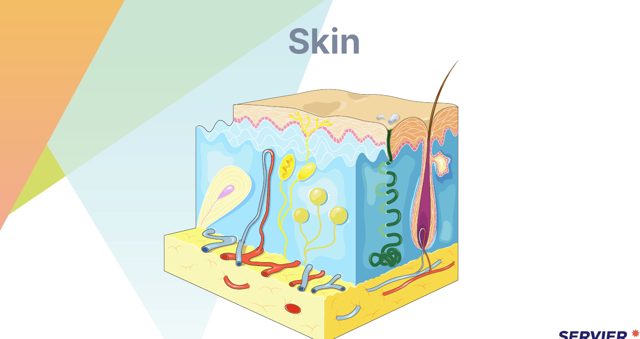
Skin structure in a 3-D block: epidermis, dermis and subcutaneous fat, with a hair follicle, sweat gland, sensory receptors, nerves and blood vessels
Skin structure in a 3-D block: epidermis, dermis and subcutaneous fat, with a hair follicle, sweat gland, sensory receptors, nerves and blood vesselsبنية الجلد في مجسّم ثلاثي الأبعاد: البشرة والأدمة والدهن تحت الجلد، مع بُصيلة شعر وغدّة عرقية ومستقبِلات حسّية وأعصاب وأوعية دمويةServier Medical Art · CC BY 4.0

Wounds heal through overlapping phases — inflammation, proliferation with granulation and new vessels, and maturation in which the scar remodels and strengthens over months. Healing is delayed by poor perfusion, infection, malnutrition, diabetes, smoking, steroids, pressure and moisture — and most of those are things a nurse influences.

الجروح تلتئم عبر أطوار متداخلة — التهاب وتكاثر بتحبّب وأوعية جديدة ونضج تُعاد فيه قولبة الندبة وتقوى عبر أشهر. والالتئام يتأخّر بسوء الإرواء والعدوى وسوء التغذية والسكّري والتدخين والستيرويدات والضغط والرطوبة — ومعظمها أمور يؤثّر فيها التمريض.

1
RED — granulation
Healthy tissue. The aim is to protect it.
أحمر — تحبّب: نسيج سليم والهدف حمايته.
2
YELLOW — slough
Soft, moist, devitalised tissue — usually needs debriding.
أصفر — نُسالة: نسيج رخو رطب ميّت يحتاج تنضيراً عادةً.
3
BLACK — necrotic eschar
Hard, dry, dead — debrided unless it is stable dry eschar on an ischaemic heel, which is left alone.
أسود — خشارة نخرية: صلبة جافّة ميتة، تُنضَّر إلا إن كانت خشارة جافّة مستقرّة على عقب إقفاري فتُترَك وشأنها.
4
PINK — epithelialising
New skin advancing from the edges — protect and do not disturb.
وردي — تظهير: جلد جديد يتقدّم من الحواف — يُحمى ولا يُزعَج.

Pressure injury results from sustained pressure, or pressure combined with shear, over a bony prominence.

إصابة الضغط تنتج عن ضغط مستمرّ أو ضغط مع قصّ فوق نتوء عظمي.

1
Stage 1
Intact skin with NON-BLANCHABLE redness — non-blanchable is the key word. Redness that blanches is not a stage 1.
المرحلة ١ — جلد سليم باحمرار لا يشحب: و«لا يشحب» الكلمة المفتاح؛ والاحمرار الذي يشحب ليس المرحلة ١.
2
Stage 2
Partial thickness loss — a shallow open ulcer or an intact or ruptured blister. Dermis is visible; no slough.
المرحلة ٢ — فقد جزئي السماكة: قرحة مفتوحة ضحلة أو فقاعة سليمة أو متمزّقة؛ الأدمة مرئية ولا توجد نُسالة.
3
Stage 3
Full thickness loss — subcutaneous fat visible, but bone, tendon and muscle are not exposed. Slough may be present.
المرحلة ٣ — فقد كامل السماكة: الدهن تحت الجلد مرئي لكن العظم والوتر والعضلة غير مكشوفة؛ وقد توجد نُسالة.
4
Stage 4
Full thickness with exposed bone, tendon or muscle.
المرحلة ٤ — كامل السماكة مع عظم أو وتر أو عضلة مكشوفة.
5
Unstageable
The base is obscured by slough or eschar — the depth cannot be judged until it is cleared.
غير قابلة للتدريج — القاعدة محجوبة بنُسالة أو خشارة، ولا يمكن الحكم على العمق حتى تُزال.
6
Deep tissue injury
Persistent non-blanchable deep red, maroon or purple discolouration, or a blood-filled blister — damage that began beneath the surface.
إصابة نسيج عميق — تلوّن أحمر عميق أو كستنائي أو أرجواني مستمرّ لا يشحب، أو فقاعة مملوءة بالدم — ضرر بدأ تحت السطح.
•Prevention — surface, keep moving, incontinence, nutrition◆ الوقاية — السطح والحركة والسلس والتغذية
SurfaceAn appropriate pressure-redistributing mattress and cushion — matched to the risk, and actually working.السطح — مرتبة ووسادة مناسبتان تعيدان توزيع الضغط، متوافقتان مع درجة الخطر وتعملان فعلاً.
Keep movingRepositioning on an individualised schedule, and encouraging movement rather than only turning him.الحفاظ على الحركة — إعادة وضعية بجدول فردي مع تشجيع المريض على الحركة لا الاكتفاء بتقليبه.
Incontinence and moistureSkin kept clean and dry, with a barrier product — moisture makes skin far more vulnerable to pressure.السلس والرطوبة — جلد نظيف جافّ مع منتج واقٍ، فالرطوبة تجعل الجلد أكثر عرضة للضغط بكثير.
Nutrition and hydrationProtein, calories and fluid — a malnourished patient does not heal.التغذية والإماهة — بروتين وسعرات وسوائل؛ فالمريض سيّئ التغذية لا يلتئم جرحه.
And inspect the skinAt every reposition, including under devices — and use the risk assessment to trigger action, not to record a score.وفحص الجلد — عند كلّ إعادة وضعية بما فيه تحت الأجهزة، ويُستخدَم تقييم الخطر لتحفيز الإجراء لا لتسجيل درجة.
🔑
Memory aid
مفتاح للحفظ
Wound bed colour: red is granulation and is protected, yellow is slough and usually needs removing, black is necrotic eschar needing debridement.
لون قاع الجرح: الأحمر تحبّب يُحمى والأصفر نُسالة تحتاج إزالة عادةً والأسود خُشارة نخرية تحتاج تنضيراً.
⭐
Key point
نقطة أساسية
Stage one pressure injury is intact skin with non-blanchable redness. Redness that whitens under a finger and returns is not yet a pressure injury.
إصابة الضغط في المرحلة الأولى جلد سليم باحمرار لا يبيضّ. والاحمرار الذي يبيضّ تحت إصبع ويعود ليس إصابة ضغط بعد.
🚩
Watch out
تنبيه
Never massage or rub a reddened area over a bony prominence. It damages already compromised tissue rather than improving circulation.
لا تُدلَّك ولا تُفرَك منطقة محمرّة فوق نتوء عظمي أبداً. فذلك يُتلف نسيجاً متضرّراً أصلاً بدلاً من أن يحسّن الدوران.
⭐
Key point
نقطة أساسية
Inspect the skin under devices, tubes, masks and collars — device-related injuries account for a large share of hospital pressure damage.
يُفحَص الجلد تحت الأجهزة والأنابيب والأقنعة والأطواق — فالأذيّات المرتبطة بالأجهزة تشكّل حصّة كبيرة من ضرر الضغط في المستشفيات.

13.16 · When a Wound or the Skin Becomes an Emergency١٣٫١٦ · حين يصير الجرح أو الجلد طارئاً

Wound dehiscence is separation of the layers of a surgical wound; evisceration is protrusion of abdominal contents through it. The risk factors are the familiar ones — obesity, malnutrition, infection, steroids, diabetes, coughing and straining — and a serosanguineous discharge from a wound is often the warning sign that precedes it.

انفتاح الجرح هو انفصال طبقات جرح جراحي؛ والاندلاق بروز محتويات البطن عبره. وعوامل الخطر المألوفة — سمنة وسوء تغذية وعدوى وستيرويدات وسكّري وسعال وإجهاد — والإفراز المصلي الدموي من جرح كثيراً ما يكون العلامة المنذرة السابقة له.

1
Do NOT push the contents back in
Ever.
لا تُدفَع المحتويات إلى الداخل أبداً.
2
Cover with sterile gauze moistened with WARM sterile saline
Keeping them moist is what protects the bowel.
تُغطّى بشاش معقّم مبلّل بمحلول ملحي معقّم دافئ — فإبقاؤها رطبة هو ما يحمي الأمعاء.
3
Position: low Fowler with knees bent
This reduces tension on the abdominal wall.
الوضعية — فاولر منخفضة والركبتان مثنيّتان: تقلّل الشدّ على جدار البطن.
4
Nil by mouth; intravenous access
He is going to theatre.
لا شيء عن طريق الفم ومدخل وريدي — سيذهب إلى غرفة العمليات.
5
Stay with him; call for help
And keep the gauze moist until he goes.
البقاء مع المريض وطلب المساعدة — وإبقاء الشاش رطباً إلى أن يذهب إلى غرفة العمليات.
6
Observations and reassurance
It is terrifying to look at, and he is watching your face.
قياسات وطمأنة — فهو منظر مرعب والمريض يراقب ملامح من يعتني به.
🚨Necrotising fasciitis
  • PAIN OUT OF ALL PROPORTION to the appearance
  • Early on the skin does not look bad enough — which is why it is missed
  • Rapidly spreading, systemically very unwell
  • Later: dusky or purple skin, blisters, crepitus, anaesthesia over the area
  • Surgical emergency — urgent debridement
  • Escalate on the pain and the systemic state, not the skin
التهاب اللفافة الناخر — ألم لا يتناسب إطلاقاً مع المظهر؛ ففي البداية لا يبدو الجلد سيئاً بما يكفي ولذلك يُغفَل؛ ينتشر بسرعة ويكون المريض جهازياً شديد المرض؛ ولاحقاً: جلد داكن أو أرجواني وفقاعات وطقطقة وفقدان الإحساس فوق المنطقة؛ حالة إسعافية جراحية — تنضير عاجل؛ ويُصعَّد الأمر بناءً على الألم والحالة الجهازية لا على الجلد.
🔴Cellulitis — far commoner
  • Hot, red, swollen, tender area with a diffuse border
  • Fever and malaise
  • Pain is proportionate to the appearance
  • Progresses over days, not hours
  • Antibiotics, elevation, and marking the border to track spread
  • Look for the entry point — tinea between the toes is a classic
التهاب النسيج الخلوي — أشيع بكثير: منطقة حارّة حمراء متورّمة مؤلمة بحدّ منتشر؛ حمّى ووعكة؛ والألم متناسب مع المظهر؛ ويتقدّم عبر أيام لا ساعات؛ والعلاج مضادات حيوية ورفع الطرف وتعليم الحدّ لتتبّع الانتشار؛ ويُبحَث عن نقطة الدخول — وسعفة القدم بين الأصابع مثال كلاسيكي.

The single discriminator worth carrying: in cellulitis the pain fits what you see; in necrotising fasciitis it does not — and a patient in severe pain who looks systemically dreadful with unimpressive skin is the one to escalate immediately.

العامل المميِّز الوحيد الجدير بالتذكّر: أنّ الألم في التهاب النسيج الخلوي يتناسب مع ما يُرى، أمّا في التهاب اللفافة الناخر فلا يتناسب — والمريض الذي يعاني ألماً شديداً ويبدو في حالة جهازية مريعة مع جلد لا يوحي بخطورة هو من يجب تصعيد أمره فوراً.

🚩
Watch out
تنبيه
In evisceration, do not push the contents back. Cover with sterile gauze moistened with warm saline, keep it moist, position low Fowler with knees bent, keep nil by mouth and stay with the patient.
في اندلاق الأحشاء لا تُدفَع المحتويات إلى الداخل. تُغطّى بشاش معقّم مبلّل بمحلول ملحي دافئ ويُبقى رطباً، ويوضع المريض في وضعية فاولر المنخفضة والركبتان مثنيتان، ويُبقى صائماً، ويبقى معه أحد.
⭐
Key point
نقطة أساسية
A sudden increase in serosanguinous discharge from a wound that had been dry is a warning of dehiscence. It is reported, not reassured about.
الزيادة المفاجئة في الإفراز المصلي الدموي من جرح كان جافّاً إنذار بانفتاح الجرح. ويُبلَّغ عنها ولا يُطمأَن بشأنها.
🚩
Watch out
تنبيه
Pain out of all proportion to the appearance is the cardinal early sign of necrotising fasciitis. Antibiotics alone do not control it — the treatment is urgent surgical debridement.
الألم غير المتناسب إطلاقاً مع المظهر العلامة المبكّرة الجوهرية لالتهاب اللفافة الناخر. والمضادات الحيوية وحدها لا تضبطه — والعلاج تنضير جراحي عاجل.
⭐
Key point
نقطة أساسية
Mark the edge of cellulitis with a pen and write the date and time. Bilateral leg redness is rarely cellulitis and is usually venous change.
تُعلَّم حافّة التهاب النسيج الخلوي بقلم ويُكتَب التاريخ والوقت. واحمرار الساقين معاً نادراً ما يكون التهاب نسيج خلوي وهو تغيّر وريدي عادةً.

13.17 · Leg Ulcers and the Diabetic Foot١٣٫١٧ · قرح الساق والقدم السكّرية

A chronic leg ulcer is venous, arterial or mixed, and telling them apart is the most consequential distinction in wound care — because the treatments are opposite.

قرحة الساق المزمنة وريدية أو شريانية أو مختلطة والتمييز بينها أهمّ تمييز في رعاية الجروح — فالعلاجان متعاكسان.

🧦Venous ulcer
  • Gaiter area — above the medial malleolus
  • Shallow, irregular edges, large
  • Heavy exudate
  • Surrounding skin: brown staining, eczema, oedema
  • Pain relieved by elevation
  • Pulses present; leg warm
قرحة وريدية — منطقة الجورب فوق الكعب الإنسي؛ ضحلة غير منتظمة الحواف وكبيرة؛ غزيرة الإفراز؛ والجلد المحيط: تصبّغ بنّي وإكزيما ووذمة؛ والألم يخفّ بالرفع؛ والنبضات موجودة والساق دافئة.
🦶Arterial ulcer
  • Toes, foot, pressure points, lateral malleolus
  • Deep, punched-out, well-defined edges
  • Little exudate
  • Surrounding skin: shiny, hairless, pale
  • Pain WORSE on elevation, better hanging down
  • Pulses absent or weak; foot cold
قرحة شريانية — الأصابع والقدم ومواضع الضغط والكعب الوحشي؛ عميقة ومثقوبة محدّدة الحواف؛ قليلة الإفراز؛ والجلد المحيط لامع بلا شعر شاحب؛ والألم يسوء بالرفع ويتحسّن بتدلية الساق؛ والنبضات غائبة أو ضعيفة والقدم باردة.
•Why that distinction matters so much: COMPRESSION◆ لماذا يهمّ هذا التمييز كثيراً: الضغط
For a venous ulcerGraduated compression bandaging is the definitive treatment — it heals wounds that will not otherwise close, and no dressing substitutes for it.للقرحة الوريدية — الضمادات الضاغطة المتدرّجة هي العلاج القاطع: تشفي جروحاً لا تلتئم بغيرها، ولا يعوّض عنها أيّ ضماد.
For an arterial ulcerCompression can cause ischaemia, necrosis and limb loss.للقرحة الشريانية — الضغط قد يسبّب إقفاراً ونخراً وفقد طرف.
So the arterial supply is assessed FIRSTBy ankle–brachial pressure index or equivalent, before any compression is applied — and never on assumption from the appearance.فتُقيَّم التروية الشريانية أولاً — بمشعر الضغط الكاحلي العضدي أو ما يماثله قبل تطبيق أيّ ضغط، ولا يُفترَض ذلك أبداً من المظهر.
And in a mixed ulcerCompression is modified or withheld on specialist advice — it is not a nursing decision alone.وفي القرحة المختلطة — يُعدَّل الضغط أو يُمتنَع عنه بمشورة اختصاصي، ولا يقرّر ذلك التمريض وحده.

The diabetic foot ulcer arises from three things acting together, and knowing which are present directs the treatment.

قرحة القدم السكّرية تنشأ من ثلاثة أمور تعمل معاً ومعرفة الموجود منها توجّه العلاج.
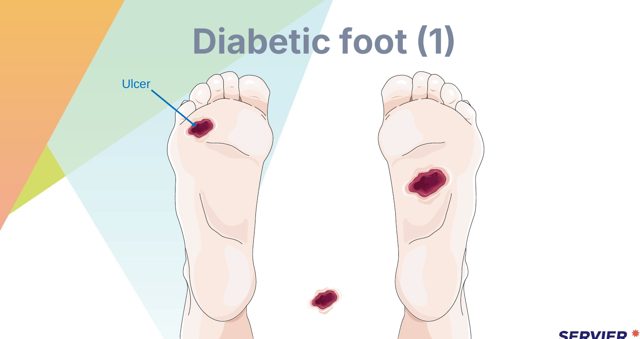
Neuropathyremoves the protective pain that would prompt him to stopاعتلال الأعصاب — يُزيل الألم الواقي الذي كان سيدفع المريض إلى التوقّف
Ischaemiaimpairs healing and the response to infectionالإقفار — يُضعف الالتئام والاستجابة للعدوى
Infectionspreads fast in a poorly perfused, insensate footالعدوى — تنتشر بسرعة في قدم سيّئة التروية وعديمة الإحساس
1
OFFLOADING — the most effective, most often omitted
Taking the pressure off the ulcer with a cast, boot, specialist footwear or crutches. A neuropathic ulcer will not heal while he keeps walking on it, whatever dressing is applied — and because it does not hurt, he will keep walking on it.
تخفيف الحمل — الأكثر فعالية والأكثر إغفالاً: رفع الضغط عن القرحة بقالب جبسي أو حذاء طبّي أو أحذية متخصّصة أو عكازات. القرحة الناجمة عن اعتلال الأعصاب لن تلتئم وهو يمشي عليها مهما كان الضماد — ولأنها لا تؤلم سيواصل المشي عليها.
2
Debridement
Of callus and devitalised tissue, by someone competent.
التنضير — للثفن والنسيج الميت، على يد شخص مؤهَّل.
3
Treat infection promptly
It progresses fast, and a foot infection in diabetes is a limb-threatening event.
تُعالَج العدوى فوراً — تتقدّم بسرعة، والعدوى في القدم لدى مريض السكّري حدث مهدّد للطرف.
4
Assess and address the vascular supply
Because none of the above works without perfusion.
تُقيَّم التروية الوعائية وتُعالَج — فلا شيء ممّا سبق ينجح بدونها.
5
Glycaemic control, and daily foot inspection
Taught with a mirror or by a family member — he cannot feel it, so he must look at it.
ضبط السكّر وفحص القدم يومياً — يُعلَّم المريض الفحص بمرآة أو بمساعدة أحد أفراد الأسرة، فهو لا يشعر بالقدم لذا يجب أن ينظر إليها.
🚩
Watch out
تنبيه
Compression bandaging heals venous ulcers but causes necrosis and limb loss on an arterial one. The arterial supply is assessed before compression is applied, never on the ulcer's appearance alone.
الضمادات الضاغطة تشفي القرح الوريدية لكنها تسبّب نخراً وفقد طرف على الشريانية. وتُقيَّم التروية الشريانية قبل تطبيق الضغط، ولا يُكتفى بمظهر القرحة وحده أبداً.
🔑
Memory aid
مفتاح للحفظ
Venous ulcer: gaiter area, shallow, wet, warm foot, pulses present, better on elevation. Arterial ulcer: toes and heel, deep, punched out, dry, cold foot, no pulses, worse on elevation.
القرحة الوريدية: منطقة الجورب سطحية رطبة والقدم دافئة والنبضات موجودة وتتحسّن بالرفع. والشريانية: الأصابع والعقب عميقة مثقوبة جافّة والقدم باردة بلا نبضات وأسوأ بالرفع.
🚩
Watch out
تنبيه
A painless ulcer on a diabetic foot is a serious finding, not a reassuring one — neuropathy has removed the protection that would have stopped him walking on it.
القرحة غير المؤلمة على قدم سكّرية علامة خطيرة لا مطمئنة — فاعتلال الأعصاب أزال الحماية التي كانت ستوقفه عن المشي عليها.
⭐
Key point
نقطة أساسية
Offloading is the most effective and most often omitted part of treating a plantar diabetic ulcer. It will not heal while he continues to walk on it, whatever the dressing.
تخفيف الحمل أكثر أجزاء علاج القرحة السكّرية الأخمصية فعالية وأكثرها إغفالاً. فلن تلتئم وهو يواصل المشي عليها مهما كان الضماد.
Diabetic foot: ulcers on the soles of both feet, one under the forefoot near the little toes (labelled 'Ulcer') and one in the middle of the sole
Diabetic foot: ulcers on the soles of both feet, one under the forefoot near the little toes (labelled 'Ulcer') and one in the middle of the soleالقدم السكّرية: قرحتان على أخمصَي القدمين، إحداهما تحت مقدّم القدم قرب الأصابع الصغرى (مُعلَّمة بكلمة Ulcer) والأخرى في وسط الأخمصServier Medical Art · CC BY 4.0

13.18 · Device Injury, Skin Conditions and Scars١٣٫١٨ · أذيّة الأجهزة والحالات الجلدية والندبات

A large proportion of pressure injuries acquired in hospital are caused by medical devices rather than by lying on a mattress — and they are missed because nobody looks under the equipment.

نسبة كبيرة من إصابات الضغط المكتسَبة في المستشفى تسبّبها الأجهزة الطبّية لا الاستلقاء على مرتبة — وتُغفَل لأن أحداً لا ينظر تحت المعدّات.

•The devices that cause them — look under every one◆ الأجهزة التي تسبّبها — يُنظَر تحت كلّ واحد منها
Oxygen tubing and mask strapsBehind the ears, across the cheeks and the bridge of the nose.أنابيب الأكسجين وأشرطة القناع — خلف الأذنين وعلى الخدّين وجسر الأنف.
Nasogastric tubesAgainst the nostril — and the tape securing them.الأنابيب الأنفية المعدية — على المنخر والشريط المثبّت.
Catheters and drainsLying under a thigh or trapped beneath the patient.القثاطر والمنازح — موضوعة تحت فخذ أو عالقة تحت المريض.
Splints, casts, collars, compression devicesAnd identification bands, saturation probes and pulse oximeter clips.الجبائر والجبس والأطواق وأجهزة الضغط — وأساور الهوية ومجسّات التشبّع ومشابك مقياس التأكسج النبضي.
So: inspect under EVERY deviceAt every reposition, reposition the device itself, use padding where indicated, and rotate a saturation probe site — the pressure is where the device sits, not where the patient lies.لذا يُفحَص الجلد تحت كلّ جهاز عند كلّ إعادة وضعية — ويُعاد توضيع الجهاز نفسه، ويُستخدَم حشو حيث يُشار إليه، ويُبدَّل موضع مجسّ التشبّع؛ فالضغط يقع حيث يوضع الجهاز لا حيث يستلقي المريض.
•Three skin situations that arise on any ward◆ ثلاث حالات جلدية تظهر في أيّ جناح
ScabiesIntense itch characteristically worse at night, with a rash and burrows in the finger web spaces, wrists, axillae, around the waist and the genitalia. It is highly contagious by prolonged skin contact — so treat the patient AND the close contacts at the same time, and wash bedding and clothing hot. Treating the patient alone guarantees reinfestation.الجرب — حكّة شديدة أسوأ ليلاً مع طفح وأنفاق بين الأصابع وفي المعصمين والإبطين وحول الخصر والأعضاء التناسلية؛ وهو شديد العدوى بالتماس الجلدي المطوّل — لذا يُعالَج المريض والمخالطون اللصيقون في الوقت نفسه، وتُغسَل الأغطية والملابس بماء ساخن؛ فعلاج المريض وحده يضمن إعادة الإصابة.
Fungal skin infectionWarm moist areas — under breasts, in groins, between toes. Keep dry, treat topically, and look between the toes in anyone with cellulitis, because it is a classic entry point.العدوى الفطرية الجلدية — مناطق دافئة رطبة: تحت الثديين وفي الأربيتين وبين أصابع القدم؛ تُبقى جافّة وتُعالَج موضعياً، ويُنظَر بين الأصابع لدى كلّ من يعاني التهاب نسيج خلوي لأنها نقطة دخول كلاسيكية.
Drug rashMost are a benign maculopapular eruption that settles. What matters is knowing the red flags that mean stop the drug and escalate: blistering, mucosal involvement, skin pain, facial swelling, fever, or skin that peels or separates.طفح دوائي — معظمه طفح بقعي حطاطي حميد يزول؛ والمهمّ معرفة علامات الإنذار التي تعني إيقاف الدواء والتصعيد: ظهور فقاعات وإصابة مخاطية وألم في الجلد ووذمة في الوجه وحمّى وتقشّر الجلد أو انفصاله.
➕Hypertrophic scar
  • Raised but stays within the boundary of the original wound
  • Often improves over months
  • Responds to pressure garments and silicone
  • The commoner of the two
ندبة ضخامية — مرتفعة لكنها تبقى ضمن حدود الجرح الأصلي وتتحسّن غالباً بمرور الأشهر؛ وتستجيب لملابس الضغط والسيليكون؛ وهي الأشيع من النوعين.
➕➕Keloid
  • Extends BEYOND the original wound margin into normal skin
  • Does not regress
  • Commonly recurs after excision — sometimes worse
  • Commoner in darker skin, and on the chest, shoulders and earlobes
الجُدرة — تمتدّ خارج حدّ الجرح الأصلي إلى الجلد السليم ولا تتراجع، وتعود غالباً بعد الاستئصال وأحياناً أسوأ؛ وهي أشيع في البشرة الداكنة وعلى الصدر والكتفين وشحمتي الأذن.

Both are treated with pressure garments, silicone, massage and intralesional injection per specialist plan — and the nursing contribution is adherence, because these are worn and done for months, and the results are slow enough that people stop.

كلتاهما تُعالَجان بملابس ضغط وسيليكون وتدليك وحقن داخل الآفة بخطة اختصاصي — والمساهمة التمريضية الالتزام فهذه تُلبَس وتُفعَل أشهراً والنتائج بطيئة كفايةً ليتوقّف الناس.

⭐
Key point
نقطة أساسية
A large proportion of hospital pressure injuries are caused by medical devices. The shape of the injury matches the device — inspect the skin under and around every device at least daily.
نسبة كبيرة من إصابات ضغط المستشفى تسبّبها الأجهزة الطبية. وشكل الإصابة يطابق الجهاز — يُفحَص الجلد تحت كلّ جهاز وحوله يومياً على الأقلّ.
🚩
Watch out
تنبيه
In scabies, treat the patient and all close contacts and household members at the same time whether or not they have symptoms. Treating the patient alone guarantees reinfestation.
في الجرب يُعالَج المريض وكلّ المخالطين اللصيقين وأفراد المنزل في الوقت نفسه سواء كانت لديهم أعراض أم لا. فعلاج المريض وحده يضمن إعادة الإصابة.
🔑
Memory aid
مفتاح للحفظ
A hypertrophic scar stays within the wound boundary and often improves. A keloid extends beyond it, does not regress, and is commoner in darker skin.
الندبة الضخامية تبقى ضمن حدود الجرح وتتحسّن غالباً. والجُدرة تمتدّ خارجها ولا تتراجع وهي أشيع لدى البشرة الداكنة.

13.19 · Burns in the Saudi Setting١٣٫١٩ · الحروق في السياق السعودي

The commonest burns in this setting follow a predictable domestic pattern, and knowing it directs prevention advice.

أشيع الحروق في هذا السياق تتبع نمطاً منزلياً متوقّعاً ومعرفته توجّه نصيحة الوقاية.

•The pattern, and what to say about each◆ النمط، وما ينبغي قوله عن كلّ جانب منه
Scalds in young children dominateFrom hot drinks, cooking oil, and hot water — a toddler pulling a cup or a pan from above.الحروق بالسوائل الساخنة لدى الأطفال الصغار تهيمن — من المشروبات الساخنة وزيت الطهي والماء الساخن، كأن يسحب الطفل الدارج كوباً أو قدراً من فوق.
Coffee and tea served hot on the floorA cultural pattern that puts very hot liquid at a crawling child’s height — so the advice is specific: serve away from where children play, and use a tray rather than the floor.القهوة والشاي تُقدَّم ساخنةً على الأرض — نمط ثقافي يضع سائلاً شديد السخونة في مستوى الطفل الحابي — لذا النصيحة محدّدة: تُقدَّم بعيداً عن أماكن لعب الأطفال وعلى صينية لا على الأرض.
Incense burners and open flamesMabkhara and charcoal — left on the floor, carried through rooms, and hot long after use.المباخر واللهب المكشوف — المبخرة والفحم تُترَك على الأرض وتُحمَل بين الغرف وتبقى ساخنةً وقتاً طويلاً بعد الاستخدام.
Fireworks and petrolSeasonal and adolescent, and often deeper than they look.الألعاب النارية والبنزين — موسمية وتصيب المراهقين غالباً، وكثيراً ما تكون أعمق مما تبدو.
Heat itselfA child left in a parked car, and hot surfaces outdoors — metal, sand and playground equipment reach burning temperatures here.الحرارة نفسها — طفل متروك في سيّارة متوقّفة وأسطح خارجية ساخنة — فالمعدن والرمل ومعدّات الملاعب تبلغ هنا درجات حرارة محرقة.

Traditional first aid remedies deserve to be addressed explicitly rather than criticised after the event, because they are widely used and cause real harm.

علاجات الإسعاف التقليدية تستحقّ أن يُتطرَّق إليها صراحةً لا أن تُنتقَد بعد الحدث، فهي واسعة الاستخدام وتسبّب أذىً حقيقياً.

❌What is applied
  • Toothpaste, oil, butter, egg white, coffee grounds, henna
  • They trap heat and deepen the burn
  • They introduce infection
  • They obscure assessment of depth
  • And removing them causes further pain and damage
ما يُوضَع — معجون أسنان وزيت وزبدة وبياض بيض وثفل قهوة وحنّاء: تحبس الحرارة وتعمّق الحرق وتُدخل العدوى وتحجب تقييم العمق، وإزالتها تسبّب مزيداً من الألم والضرر.
✅How to address it
  • Ask what was applied — without reproach
  • Families will not volunteer it if they expect criticism
  • Teach the correct first aid before it is needed — at any contact
  • Cool water, twenty minutes, cling film, nothing else
  • And say why, because ‘don’t’ without a reason does not travel
كيفية التعامل مع ذلك — يُسأل عمّا وُضع دون تأنيب (فالأسر لا تذكره طوعاً إن توقّعت النقد)، ويُعلَّم الإسعاف الصحيح مسبقاً عند أيّ تواصل: ماء بارد عشرين دقيقة وغشاء لاصق ولا شيء آخر، مع ذكر السبب لأن «لا تفعل» دون سبب لا تنتشر.

Two further contextual points. Mass gatherings carry fire and burn risk from cooking in temporary accommodation and from crowding, and staff working in those settings should know the local emergency and evacuation plan before the season. And the climate: high ambient temperature means a burned patient dehydrates faster and hyperthermia is a genuine additional risk, while the sun protection needed for healing scars is harder to achieve and more important here than almost anywhere.

نقطتان سياقيتان أخريان. فالتجمّعات الكبرى تحمل خطر الحريق والحرق من الطهي في سكن مؤقّت ومن الازدحام، وينبغي أن يعرف الطاقم العامل في تلك البيئات خطة الطوارئ والإخلاء المحلّية قبل الموسم. أمّا المناخ، فالحرارة المحيطة العالية تعني أن المريض المحروق يُصاب بالجفاف أسرع وأن فرط الحرارة خطر إضافي حقيقي، بينما الحماية من الشمس اللازمة للندبات الملتئمة أصعب تحقيقاً وأهمّ هنا من أيّ مكان تقريباً.

⭐
Key point
نقطة أساسية
The dominant pattern here is scalds in young children from hot drinks, cooking oil and large vessels prepared at floor level, and from hot water.
النمط المهيمن هنا الحروق بالسوائل الساخنة لدى الأطفال الصغار من المشروبات الساخنة وزيت الطهي والأوعية الكبيرة المُعَدّة على مستوى الأرض ومن الماء الساخن.
🚩
Watch out
تنبيه
Do not criticise a family who applied toothpaste, oil or henna — they will not tell you next time. State the correct alternative clearly with the reason: cool running water for twenty minutes, then cling film, and nothing else.
لا تُنتقَد أسرة وضعت معجون أسنان أو زيتاً أو حنّاء — فلن تُفصح عن ذلك في المرّة القادمة. يُذكَر البديل الصحيح بوضوح مع السبب: ماء جارٍ بارد عشرين دقيقة ثم غشاء لاصق ولا شيء آخر.
🔑
Memory aid
مفتاح للحفظ
Referral criteria include large burns, any full thickness burn, burns to the face, hands, feet, genitalia or over a joint, circumferential burns, inhalation injury, electrical and chemical burns, the extremes of age, and suspected non-accidental injury.
معايير الإحالة تشمل الحروق الكبيرة وأيّ حرق كامل السماكة وحروق الوجه واليدين والقدمين والأعضاء التناسلية أو فوق مفصل والحروق الدائرية وإصابة الاستنشاق والحروق الكهربائية والكيميائية وطرفي العمر والاشتباه بإصابة غير عَرَضية.

Test yourselfالاختبار الذاتي

Loading… جارٍ التحميل…

Medical disclaimer. The content of this platform is for education and exam preparation only. It is not medical advice and does not replace consultation with a qualified physician or other licensed healthcare professional, or current clinical guidelines. Do not use it to diagnose or treat any person. إخلاء المسؤولية الطبية: محتوى هذه المنصة مخصص للتعليم والتحضير للاختبار فقط، وليس نصيحة طبية، ولا يغني عن استشارة الطبيب المختص أو الممارس الصحي المرخّص، ولا عن الإرشادات السريرية الحالية. ولا يجوز استخدامه لتشخيص أي شخص أو علاجه.