
Diabetes & Endocrine Nursing
In this chapterفي هذا الفصل
Key terms (12)المصطلحات الأساسية
Chapter outline (28 sections)مخطط الفصل
- Learning Objectivesأهداف التعلّم
- 3.1 · Type 1 and Type 2 Diabetes٣٫١ · السكّري من النمطين الأول والثاني
- 3.2 · Monitoring Glucose٣٫٢ · مراقبة السكّر
- 3.3 · Insulin Types and Timing٣٫٣ · أنواع الإنسولين وتوقيتها
- 3.4 · Giving Insulin Safely٣٫٤ · إعطاء الإنسولين بأمان
- 3.5 · Morning Hyperglycaemia: Two Explanations٣٫٥ · ارتفاع السكّر الصباحي: تفسيران
- 3.6 · Correction Doses and Insulin Pumps٣٫٦ · جرعات التصحيح ومضخّات الإنسولين
- 3.7 · Oral and Non-Insulin Agents٣٫٧ · الأدوية الفموية وغير الإنسولينية
- 3.8 · Hypoglycaemia٣٫٨ · نقص سكّر الدم
- 3.9 · Diabetic Ketoacidosis٣٫٩ · الحماض الكيتوني السكّري
- 3.10 · Potassium in Ketoacidosis٣٫١٠ · البوتاسيوم في الحماض الكيتوني
- 3.11 · Hyperosmolar Hyperglycaemic State٣٫١١ · حالة فرط الأسمولية وفرط سكّر الدم
- 3.12 · Long-Term Complications٣٫١٢ · المضاعفات طويلة الأمد
- 3.13 · Diabetes in Special Situations٣٫١٣ · السكّري في مواقف خاصّة
- 3.14 · Hypothyroidism٣٫١٤ · قصور الدرقية
- 3.15 · Hyperthyroidism and Thyroid Storm٣٫١٥ · فرط نشاط الدرقية والعاصفة الدرقية
- 3.16 · Thyroid Nodules, Subclinical Disease and Surgery Preparation٣٫١٦ · عقيدات الدرقية والمرض تحت السريري والتحضير للجراحة
- 3.17 · After Thyroidectomy٣٫١٧ · بعد استئصال الدرقية
- 3.18 · Parathyroid Disorders٣٫١٨ · اضطرابات جارات الدرقية
- 3.19 · Cushing Syndrome٣٫١٩ · متلازمة كوشينغ
- 3.20 · Addison Disease and Adrenal Crisis٣٫٢٠ · داء أديسون والأزمة الكظرية
- 3.21 · Endocrine Testing and Adrenal Surgery٣٫٢١ · الفحوص الغدّية وجراحة الكظر
- 3.22 · Pituitary: SIADH and Diabetes Insipidus٣٫٢٢ · النخامى: متلازمة الإفراز غير الملائم للهرمون المضادّ لإدرار البول والسكري الكاذب
- 3.23 · Phaeochromocytoma and Acromegaly٣٫٢٣ · ورم القواتم وضخامة النهايات
- 3.24 · Pituitary Disorders and Transsphenoidal Surgery٣٫٢٤ · اضطرابات النخامى والجراحة عبر الوتدي
- 3.25 · Teaching the Patient with Diabetes٣٫٢٥ · تعليم المريض السكّري
- 3.26 · Polycystic Ovary Syndrome and Inherited Endocrine Disease٣٫٢٦ · متلازمة المبيض المتعدّد الكيسات والمرض الغدّي الموروث
- 3.27 · Diabetes in the Saudi Setting٣٫٢٧ · السكّري في السياق السعودي
Start learningبدء التعلّم Learning objectivesأهداف التعلّم Test yourselfالاختبار الذاتي
Learning Objectivesأهداف التعلّم
3.1 · Type 1 and Type 2 Diabetes٣٫١ · السكّري من النمطين الأول والثاني
Type 1 is an autoimmune destruction of the beta cells, so there is an absolute lack of insulin. It usually presents younger, often abruptly, with weight loss, thirst, polyuria and sometimes ketoacidosis as the first presentation. These patients require insulin from diagnosis and cannot stop it — omitting insulin causes ketoacidosis.
النمط الأول تلف مناعي ذاتي لخلايا بيتا، فينشأ نقص مطلق في الإنسولين. ويتظاهر أصغر سنّاً عادةً وفجأةً غالباً بنقص وزن وعطش وبوال وأحياناً بحماض كيتوني كأول تظاهر. وهؤلاء المرضى يحتاجون الإنسولين من التشخيص ولا يستطيعون إيقافه — فإغفاله يسبّب حماضاً كيتونياً.
Type 2 is insulin resistance with a relative deficiency: insulin is present but the tissues respond poorly and the pancreas eventually cannot keep up. It presents later and more gradually, is strongly linked to obesity, inactivity and family history, and may be silent for years — so it is often found on screening or when a complication appears.
والنمط الثاني مقاومة إنسولين مع نقص نسبي: فالإنسولين موجود لكن الأنسجة تستجيب بضعف ولا يستطيع البنكرياس مجاراة ذلك في النهاية. ويتظاهر لاحقاً وأكثر تدرّجاً، ويرتبط بقوّة بالسمنة وقلّة النشاط والقصّة العائلية، وقد يبقى صامتاً سنوات — فيُكتشَف غالباً بالمسح أو عند ظهور مضاعفة.
Diagnosis rests on any of: a fasting plasma glucose of 7.0 mmol/L (126 mg/dL) or more; a two-hour value of 11.1 mmol/L (200 mg/dL) or more on an oral glucose tolerance test; a random glucose of 11.1 mmol/L or more with symptoms; or an HbA1c of 6.5% or more. Prediabetes sits below those thresholds and is the point at which lifestyle change can still prevent the disease.
والتشخيص يقوم على أيّ ممّا يلي: سكّر بلازما صائم ٧٫٠ ملّي مول/ل (١٢٦ ملغ/دل) فأكثر؛ أو قيمة بعد ساعتين ١١٫١ ملّي مول/ل (٢٠٠ ملغ/دل) فأكثر في اختبار تحمّل الغلوكوز الفموي؛ أو سكّر عشوائي ١١٫١ ملّي مول/ل فأكثر مع أعراض؛ أو خضاب سكّري ٦٫٥٪ فأكثر. وما قبل السكّري يقع دون تلك العتبات وهو النقطة التي ما زال تغيير نمط الحياة يستطيع منع المرض عندها.
3.2 · Monitoring Glucose٣٫٢ · مراقبة السكّر
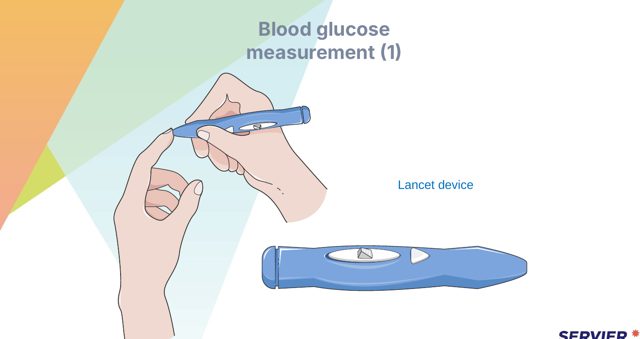
Capillary blood glucose technique is covered in Part 01 Chapter 07: wash and dry the hands with warm water rather than alcohol, sample from the side of the finger pad, avoid squeezing hard, and rotate the sites. Record the value with the time and what the patient had eaten, because a number without context cannot be acted on.
أسلوب سكّر الدم الشعري مشروح في الفصل السابع من الجزء الأول: تُغسَل اليدان وتُجفَّفان بماء دافئ بدل الكحول، وتُؤخَذ العيّنة من جانب وسادة الإصبع، ويُتجنَّب العصر الشديد، وتُبدَّل المواقع. وتُدوَّن القيمة مع الوقت وما تناوله المريض، فالرقم دون سياق لا يمكن التصرّف بناءً عليه.
Continuous glucose monitoring uses a subcutaneous sensor to give a reading every few minutes with a trend arrow. The arrow matters as much as the number: a glucose of 5 mmol/L falling rapidly needs action that the same value rising does not. Readings lag behind blood values, so a symptomatic patient has a finger-prick test rather than relying on the sensor.
والمراقبة المستمرّة للغلوكوز تستخدم مجسّاً تحت الجلد يعطي قراءةً كلّ بضع دقائق مع سهم اتّجاه. والسهم يهمّ بقدر الرقم: فسكّر ٥ ملّي مول/ل ينخفض بسرعة يحتاج إجراءً لا تحتاجه القيمة نفسها وهي ترتفع. والقراءات تتأخّر عن قيم الدم، فالمريض العرَضي يُفحَص بوخز الإصبع لا بالاعتماد على المجسّ.
Ketone testing — in blood or urine — is done when a patient with diabetes is unwell, when the glucose is persistently high, or when ketoacidosis is suspected. Teach patients with type 1 to test for ketones during illness, since that is when ketoacidosis develops and when they are least likely to think of it.
وفحص الكيتونات — في الدم أو البول — يُجرى حين يتوعّك مريض سكّري، أو حين يستمرّ ارتفاع السكّر، أو عند الاشتباه بحماض كيتوني. ويُعلَّم مرضى النمط الأول فحص الكيتونات أثناء المرض، فذلك حين ينشأ الحماض الكيتوني وحين يكونون أقلّ ميلاً للتفكير فيه.
3.3 · Insulin Types and Timing٣٫٣ · أنواع الإنسولين وتوقيتها
Short-acting regular insulin begins in about 30 to 60 minutes, peaks at 2 to 4 hours and lasts 5 to 8 hours, and is given about half an hour before the meal. It is the standard insulin for intravenous use, which is why it is the one used in the infusion for diabetic ketoacidosis. Intermediate NPH is cloudy, begins in 1 to 2 hours and peaks at 4 to 12 hours, so the peak is when hypoglycaemia is most likely.
والإنسولين النظامي قصير المفعول يبدأ خلال نحو ٣٠ إلى ٦٠ دقيقة، وذروته ٢ إلى ٤ ساعات، ويدوم ٥ إلى ٨ ساعات، ويُعطى قبل الوجبة بنحو نصف ساعة. وهو الإنسولين القياسي للإعطاء الوريدي، ولهذا هو المستخدم في تسريب الحماض الكيتوني السكّري. والمتوسّط NPH عكر، ويبدأ خلال ساعة إلى ساعتين وذروته ٤ إلى ١٢ ساعة، فالذروة هي الوقت الأرجح لحدوث نقص السكّر.
Long-acting insulins such as glargine and detemir have no pronounced peak and last around 24 hours, providing background cover. They are clear but must not be mixed with other insulins in the same syringe, which is a common and important error — clear does not mean mixable.
والإنسولينات طويلة المفعول كالغلارجين والديتيمير بلا ذروة واضحة وتدوم نحو ٢٤ ساعة، فتوفّر تغطية خلفية. وهي صافية لكن لا يجوز خلطها مع إنسولينات أخرى في المحقنة نفسها، وهذا خطأ شائع ومهمّ — فالصفاء لا يعني قابلية الخلط.
3.4 · Giving Insulin Safely٣٫٤ · إعطاء الإنسولين بأمان
Insulin is a high-alert medication, as Part 01 Chapter 05 sets out: an insulin syringe only, units written out in full rather than abbreviated, and an independent double check in which the second nurse works from the original prescription rather than being told the answer.
الإنسولين دواء عالي الخطورة كما يبيّن الفصل الخامس من الجزء الأول: محقنة إنسولين فقط، ووحدات مكتوبة بالكامل لا مختصرة، وتحقّق مزدوج مستقلّ يعمل فيه الممرّض الثاني انطلاقاً من الوصفة الأصلية دون إخباره بالجواب.
When two insulins are mixed, inject air into the cloudy vial first, then air into the clear vial, then draw up the clear first and the cloudy second. Drawing the cloudy insulin first contaminates the clear vial with suspension on the needle and alters every subsequent dose taken from it.
وعند خلط إنسولينين، يُحقَن الهواء في القارورة العكرة أولاً، ثم الهواء في الصافية، ثم تُسحب الصافية أولاً والعكرة ثانياً. فسحب العكر أولاً يلوّث القارورة الصافية بمعلَّق على الإبرة ويغيّر كلّ جرعة تُسحب منها لاحقاً.
Sites: the abdomen absorbs fastest, then the upper arm, then the thigh and buttock. Rotate within one site rather than moving between sites for the same dose, so absorption stays predictable. Repeated injection into the same spot causes lipohypertrophy — a firm fatty lump where absorption becomes erratic and unpredictable, and where injections hurt less, which is exactly why patients keep using it.
والمواقع: البطن أسرع امتصاصاً، ثم أعلى الذراع، ثم الفخذ والأليَة. ويُبدَّل ضمن موقع واحد بدل الانتقال بين المواقع للجرعة نفسها، ليبقى الامتصاص متوقّعاً. والحقن المتكرّر في البقعة نفسها يسبّب تضخّم الشحم — كتلة دهنية صلبة يصير الامتصاص فيها متقلّباً غير متوقّع، ويكون الحقن فيها أقلّ إيلاماً، وهذا بالضبط سبب استمرار المرضى في استخدامها.
Storage: unopened insulin is kept in the refrigerator; the vial or pen in use is kept at room temperature for the period the manufacturer states. Insulin is never frozen, and a frozen or previously frozen vial is discarded, as Part 01 Chapter 05 sets out for cold chain generally.
والتخزين: الإنسولين غير المفتوح يُحفَظ في الثلّاجة؛ والقارورة أو القلم قيد الاستخدام بحرارة الغرفة للمدّة التي تذكرها الشركة المصنِّعة. ولا يُجمَّد الإنسولين أبداً، والقارورة المجمّدة أو التي سبق تجميدها تُتلَف كما يبيّن الفصل الخامس من الجزء الأول عن سلسلة التبريد عموماً.
3.5 · Morning Hyperglycaemia: Two Explanations٣٫٥ · ارتفاع السكّر الصباحي: تفسيران
A patient whose MORNING glucose is consistently HIGH may have ONE OF TWO problems (the Somogyi effect is the debated, uncommon one) — and they need OPPOSITE treatments, which is why the distinction matters in this section.
المريض الذي يرتفع سكّره الصباحي باستمرار قد تكون لديه إحدى مشكلتين (وأثر سوموجي منهما موضع جدل وقليل الحدوث) — وتحتاجان علاجين متعاكسين، ولهذا فالتمييز بينهما مهمّ في هذا القسم.
- A NATURAL early-morning RISE in counter-regulatory hormones
- Growth hormone and cortisol
- The glucose rises TOWARDS morning
- The 3 a.m. glucose is NORMAL or HIGH
- Treatment: INCREASE the evening insulin
- He becomes HYPOGLYCAEMIC during the NIGHT
- Counter-regulatory hormones are released in response
- and the glucose OVERSHOOTS by morning
- The 3 a.m. glucose is LOW
- Treatment, once night-time hypoglycaemia is confirmed: DECREASE the evening (bedtime) insulin, or adjust the bedtime snack
The test that separates them is a GLUCOSE MEASURED AT ABOUT 3 A.M. (or a continuous glucose monitoring trace) — LOW means Somogyi, NORMAL or HIGH means dawn. And the reason it matters: increasing the evening insulin in a Somogyi patient makes the night hypoglycaemia worse and the morning rebound higher, so the wrong answer actively worsens the problem it was meant to fix.
والاختبار الذي يفصلهما قياس سكّر نحو الثالثة فجراً (أو سجلّ المراقبة المستمرّة للغلوكوز) — المنخفض سوموجي والطبيعي أو المرتفع فجر. والسبب في أهمّية ذلك أنّ زيادة إنسولين المساء لدى المريض الذي يعاني أثر سوموجي تزيد نقص السكّر الليلي سوءاً وترفع الارتداد الصباحي، فيُفاقم الجواب الخاطئ المشكلة التي أُريد به إصلاحها.
The dawn phenomenon is a natural early-morning rise in counter-regulatory hormones — growth hormone and cortisol — which raises the glucose towards morning. The glucose is normal or high through the night and high on waking, and the answer is usually more insulin cover overnight.
وظاهرة الفجر ارتفاع صباحي طبيعي في الهرمونات المضادّة للتنظيم — هرمون النمو والكورتيزول — يرفع السكّر نحو الصباح. والسكّر طبيعي أو مرتفع طوال الليل ومرتفع عند الاستيقاظ، والجواب عادةً مزيد من تغطية الإنسولين ليلاً.
The Somogyi effect is a rebound: the patient becomes hypoglycaemic during the night, counter-regulatory hormones are released in response, and the glucose overshoots by morning. It is a long-standing exam term, but it is debated and uncommon: continuous glucose monitoring studies show that most high morning readings are not a rebound from night-time hypoglycaemia. When it does occur, the glucose is low in the early hours and high on waking, and the answer is less evening (bedtime) insulin, or an adjusted bedtime snack, once nocturnal hypoglycaemia is confirmed — giving more would make it considerably worse. The two are distinguished by checking the glucose at around two or three in the morning, or by continuous glucose monitoring.
وأثر سوموجي ارتداد: فينقص سكّر المريض أثناء الليل، وتُطلَق الهرمونات المضادّة للتنظيم استجابةً، فيتجاوز السكّر الهدف بحلول الصباح. وهو مصطلح تقليدي يرد في الامتحانات لكنه موضع جدل وقليل الحدوث: إذ تبيّن دراسات المراقبة المستمرّة للغلوكوز أنّ معظم القراءات الصباحية المرتفعة ليست ارتداداً من نقص السكّر الليلي. وحين يحدث يكون السكّر منخفضاً في الساعات الأولى ومرتفعاً عند الاستيقاظ، والجواب تقليل إنسولين المساء (أو عند النوم) أو تعديل الوجبة الخفيفة عند النوم متى تأكّد نقص السكّر الليلي — فإعطاء المزيد سيزيد الأمر سوءاً بكثير. ويُميَّز بينهما بفحص السكّر نحو الثانية أو الثالثة فجراً أو بالمراقبة المستمرّة للغلوكوز.
3.6 · Correction Doses and Insulin Pumps٣٫٦ · جرعات التصحيح ومضخّات الإنسولين
A correction dose — often called a sliding scale — is extra rapid or short-acting insulin given according to the measured glucose, on top of the patient's usual regimen. It corrects a high reading that has already happened, which is its limitation: used alone it chases the glucose rather than preventing the rise, so a patient managed on correction doses only tends to swing between highs and lows.
جرعة التصحيح — وتُسمّى غالباً المقياس المتدرّج — إنسولين إضافي سريع أو قصير المفعول يُعطى بحسب السكّر المقيس، فوق نظام المريض المعتاد. وهي تصحّح قراءة مرتفعة وقعت بالفعل، وتلك حدودها: فاستخدامها وحدها يلاحق السكّر ولا يمنع الارتفاع، فالمريض الذي يُدبَّر بجرعات تصحيح فقط يميل للتأرجح بين ارتفاع وانخفاض.
Practical safety points: the glucose is measured immediately before the dose is calculated, not from an earlier reading; the scale is read against the correct chart for that patient, since scales differ between patients and between hospitals; the dose is documented with the glucose value that produced it; and correction insulin is not given without the patient's usual background insulin, particularly in type 1, where omitting the background dose causes ketoacidosis even while correction doses are being given.
ونقاط السلامة العملية: يُقاس السكّر مباشرةً قبل حساب الجرعة لا من قراءة سابقة؛ ويُقرأ المقياس من الجدول الصحيح لذلك المريض، فالمقاييس تختلف بين المرضى وبين المستشفيات؛ وتُوثَّق الجرعة مع قيمة السكّر التي أنتجتها؛ ولا يُعطى إنسولين التصحيح دون الإنسولين الخلفي المعتاد للمريض، خاصّةً في النمط الأول حيث يسبّب إغفال الجرعة الخلفية حماضاً كيتونياً حتى مع إعطاء جرعات التصحيح.
An insulin pump delivers rapid-acting insulin continuously as a basal rate, with the patient giving a bolus for meals and corrections. Because it uses only rapid-acting insulin, there is no long-acting depot: if the pump stops — a blocked cannula, a dislodged set, a battery failure — the patient has no insulin at all and can develop ketoacidosis within hours. Unexplained hyperglycaemia in a pump user is therefore a reason to check the site and the equipment urgently rather than simply to give a correction.
ومضخّة الإنسولين تعطي إنسوليناً سريع المفعول باستمرار كمعدّل قاعدي، مع إعطاء المريض جرعة دفعة للوجبات والتصحيحات. ولأنها تستخدم سريع المفعول فقط، فلا مخزون طويل المفعول: فإن توقّفت المضخّة — قنية مسدودة أو طقم منزاح أو عطل بطارية — يبقى المريض بلا إنسولين إطلاقاً وقد يصاب بحماض كيتوني خلال ساعات. فارتفاع السكّر غير المفسَّر لدى مستخدم مضخّة سبب لفحص الموقع والمعدّات عاجلاً لا لمجرّد إعطاء تصحيح.
3.7 · Oral and Non-Insulin Agents٣٫٧ · الأدوية الفموية وغير الإنسولينية
Metformin is usually first line in type 2. It reduces hepatic glucose production and does not cause hypoglycaemia when used alone. Its cautions: gastrointestinal upset, long-term vitamin B12 deficiency, and the rare but serious risk of lactic acidosis — which is why it is held around iodinated contrast and in significant renal impairment, dehydration or acute illness.
الميتفورمين الخطّ الأول عادةً في النمط الثاني. ويقلّل إنتاج الكبد للغلوكوز ولا يسبّب نقص سكّر حين يُستخدم وحده. وتحذيراته: اضطراب هضمي، ونقص فيتامين ب١٢ طويل الأمد، وخطر الحماض اللبني النادر لكن الخطير — ولهذا يُحجَب حول الصبغة اليودية وفي الاختلال الكلوي الملحوظ والجفاف والمرض الحادّ.
Sulfonylureas such as gliclazide stimulate insulin release, so unlike metformin they do cause hypoglycaemia, particularly in older patients, in renal impairment and when a meal is missed. That single difference explains most exam questions comparing the two.
والسلفونيل يوريا كالغليكلازيد تحفّز إطلاق الإنسولين، فهي خلافاً للميتفورمين تسبّب نقص السكّر، خاصّةً لدى كبار السنّ وفي الاختلال الكلوي وعند تفويت وجبة. وهذا الفرق وحده يفسّر معظم أسئلة الامتحان التي تقارن بينهما.
SGLT2 inhibitors make the kidney excrete glucose, so they cause glycosuria and with it genital and urinary infections, volume depletion and, rarely, ketoacidosis with a near-normal glucose — which is easily missed because the glucose does not look alarming. GLP-1 receptor agonists are injectable, slow gastric emptying, cause nausea and produce weight loss. DPP-4 inhibitors are oral and generally well tolerated.
ومثبّطات SGLT2 تجعل الكلية تطرح الغلوكوز، فتسبّب بيلة سكّرية ومعها عدوى تناسلية وبولية ونقص حجم، ونادراً حماضاً كيتونياً مع سكّر شبه طبيعي — ويسهل إغفاله لأن السكّر لا يبدو مفزعاً. وناهضات مستقبل GLP-1 حقنية تبطئ إفراغ المعدة وتسبّب غثياناً وتُنتج نقص وزن. ومثبّطات DPP-4 فموية وجيّدة التحمّل عموماً.
3.8 · Hypoglycaemia٣٫٨ · نقص سكّر الدم
HYPOGLYCAEMIA is generally taken as a glucose BELOW about 4 mmol/L (70 mg/dL), and it is the acute complication that KILLS FASTEST.
نقص سكّر الدم يُؤخَذ عموماً كسكّر دون نحو ٤ ملّي مول/ل (٧٠ ملغ/دل) وهو المضاعفة الحادّة الأسرع قتلاً.
- SWEATING
- TREMOR and PALPITATIONS
- HUNGER
- ANXIETY and PALLOR
- The body’s alarm — and it is what he learns to recognise
- CONFUSION and difficulty concentrating
- Slurred speech; behaviour change
- DROWSINESS
- SEIZURE and COMA
- The brain running out of fuel
Two situations blunt the warning. Beta-blockers mask the autonomic signs, as Chapter 01 sets out, so the patient may go straight to confusion. And hypoglycaemia unawareness develops in patients who have had frequent lows: the warning symptoms stop appearing, and the first sign is a neurological one.
وموقفان يخمدان الإنذار. فحاصرات بيتا تُخفي علامات الجهاز العصبي الذاتي كما يبيّن الفصل الأول، فقد ينتقل المريض مباشرةً للتشوّش. وعدم الإدراك بنقص السكّر ينشأ لدى من تكرّر لديهم الانخفاض: فتتوقّف أعراض الإنذار عن الظهور، وتكون العلامة الأولى عصبية.
In a conscious patient who can swallow safely, use the rule of fifteen: give 15 grams of fast-acting carbohydrate — glucose tablets, juice or a sugary drink, not chocolate, whose fat slows absorption — recheck after 15 minutes, and repeat if he is still low. Once he is above the threshold, give a longer-acting carbohydrate or the next meal, or the glucose will simply fall again.
ولدى المريض الواعي القادر على البلع بأمان، تُطبَّق قاعدة الخمسة عشر: يُعطى ١٥ غراماً من كربوهيدرات سريعة المفعول — أقراص غلوكوز أو عصير أو مشروب سكّري، لا الشوكولاتة التي يبطئ دهنها الامتصاص — ويُعاد الفحص بعد ١٥ دقيقة، ويُكرَّر إن كان ما زال منخفضاً. وبعد تجاوزه العتبة تُعطى كربوهيدرات أطول مفعولاً أو الوجبة التالية، وإلا فسيهبط السكّر مجدّداً.
If the patient is unconscious, drowsy or unable to protect his airway, give nothing by mouth. Place him in the recovery position, give intravenous dextrose, or glucagon by intramuscular or subcutaneous injection if there is no intravenous access. Note that glucagon works by mobilising liver glycogen, so it is ineffective where those stores are depleted — in starvation, prolonged illness or alcohol excess.
وإن كان المريض فاقد الوعي أو ناعساً أو عاجزاً عن حماية مجراه الهوائي، فلا يُعطى شيئاً بالفم. يُوضَع في وضعية الإفاقة، ويُعطى دكستروز وريدياً، أو غلوكاغون حقناً عضلياً أو تحت الجلد إن لم يوجد مدخل وريدي. ويُلاحَظ أن الغلوكاغون يعمل بتعبئة غليكوجين الكبد، فهو غير فعّال حيث تنضب تلك المخازن — في التجويع والمرض المطوّل وإفراط الكحول.
3.9 · Diabetic Ketoacidosis٣٫٩ · الحماض الكيتوني السكّري
Without insulin the cells CANNOT USE GLUCOSE, so the body breaks down FAT for fuel and produces KETONES, which are ACIDS. The result is HYPERGLYCAEMIA, KETOSIS and METABOLIC ACIDOSIS — three findings from one mechanism.
بدون الإنسولين لا تستطيع الخلايا استخدام الغلوكوز، فيفكّك الجسم الدهون للحصول على الطاقة وينتج الكيتونات، وهي أحماض. والنتيجة فرط سكّر الدم والكيتونية والحماض الاستقلابي — ثلاث موجودات من آلية واحدة.
The picture: thirst, polyuria, weight loss, nausea and vomiting, abdominal pain that can mimic a surgical abdomen, dehydration, Kussmaul respiration — deep, sighing, rapid breathing as the lungs blow off acid — and a sweet acetone smell on the breath. Confusion and coma follow if it is not treated.
والصورة: عطش وبوال ونقص وزن وغثيان وتقيّؤ وألم بطني قد يحاكي بطناً جراحياً، وجفاف، وتنفّس كوسماول — تنفّس عميق تنهّدي سريع مع طرد الرئتين للحمض — ورائحة أسيتون حلوة في النفس. ويتبع ذلك تشوّش وغيبوبة إن لم يُعالَج.
Management runs in a fixed order. Fluid first — these patients are profoundly dehydrated and fluid alone lowers the glucose substantially. Then potassium is checked and, if low, replaced before or with the insulin (insulin is withheld if it is below 3.5 mmol/L; 3.3 in some older protocols), followed by an intravenous infusion of regular insulin, the standard insulin for intravenous use, with monitoring of glucose, ketones, electrolytes and acid–base. When the glucose falls to around 14 mmol/L, dextrose is added so that the insulin can continue clearing the ketones without causing hypoglycaemia — the insulin is treating the acidosis, not just the sugar.
والتدبير يجري بترتيب ثابت. السوائل أولاً — فهؤلاء المرضى جافّون بعمق والسوائل وحدها تخفض السكّر جوهرياً. ثم يُفحَص البوتاسيوم ويُعوَّض إن كان منخفضاً قبل الإنسولين أو معه (ويُحجَب الإنسولين إن كان دون ٣٫٥ ملّي مول/ل، و٣٫٣ في بعض البروتوكولات الأقدم)، ثم تسريب وريدي لإنسولين نظامي، وهو الإنسولين القياسي للإعطاء الوريدي، مع مراقبة السكّر والكيتونات والشوارد والتوازن الحمضي القاعدي. وحين يهبط السكّر إلى نحو ١٤ ملّي مول/ل يُضاف الدكستروز ليواصل الإنسولين تصفية الكيتونات دون إحداث نقص سكّر — فالإنسولين يعالج الحماض لا السكّر وحده.
3.10 · Potassium in Ketoacidosis٣٫١٠ · البوتاسيوم في الحماض الكيتوني
This is the SINGLE MOST IMPORTANT SAFETY POINT in ketoacidosis.
هذه أهمّ نقطة سلامة على الإطلاق في الحماض الكيتوني.
The moment insulin is given, it drives potassium back into the cells and the serum level falls, sometimes sharply. That is why potassium is the electrolyte watched most closely during an insulin infusion, and why a falling potassium during treatment is expected rather than surprising.
وبمجرّد إعطاء الإنسولين يدفع البوتاسيوم عائداً إلى الخلايا فينخفض مستوى المصل، بحدّة أحياناً. ولهذا يكون البوتاسيوم الشاردة الأكثر مراقبةً أثناء تسريب الإنسولين، ولهذا يكون انخفاضه أثناء العلاج متوقّعاً لا مفاجئاً.
The rule that follows: if the potassium is low — below 3.5 mmol/L (3.3 in some older protocols) — insulin is withheld and the potassium is replaced first. Giving insulin to a hypokalaemic patient drops the level further and causes a fatal arrhythmia. This is one of the few situations in which the correct answer is to stop the treatment the patient obviously needs.
والقاعدة التي تتبع: إن كان البوتاسيوم منخفضاً — أي دون ٣٫٥ ملّي مول/ل (٣٫٣ في بعض البروتوكولات الأقدم) — يُحجَب الإنسولين ويُعوَّض البوتاسيوم أولاً. فإعطاء الإنسولين لمريض ناقص البوتاسيوم يخفض المستوى أكثر ويسبّب اضطراب نظم مميتاً. وهذا من المواقف القليلة التي يكون فيها الجواب الصحيح إيقاف العلاج الذي يحتاجه المريض بوضوح.
Intravenous potassium is itself a high-alert medication: it is always diluted, never given as a push at any speed, given through a pump at a controlled rate, and the patient is monitored — as Part 01 Chapter 05 sets out in full.
والبوتاسيوم الوريدي نفسه دواء عالي الخطورة: فهو مخفَّف دائماً ولا يُعطى دفعاً بأيّ سرعة أبداً، ويُعطى بمضخّة بمعدّل مضبوط، ويُراقَب المريض — كما يبيّن الفصل الخامس من الجزء الأول بالكامل.
3.11 · Hyperosmolar Hyperglycaemic State٣٫١١ · حالة فرط الأسمولية وفرط سكّر الدم
HHS occurs mainly in type 2 diabetes, usually in an older patient, and develops over days rather than hours — often precipitated by infection, a new drug or reduced fluid intake in someone who cannot get to a drink.
تحدث حالة فرط الأسمولية وفرط سكّر الدم أساساً في السكّري من النمط الثاني، ولدى مريض مسنّ عادةً، وتتطوّر عبر أيام لا ساعات — وتُحدثها غالباً عدوى أو دواء جديد أو نقص وارد السوائل لدى من لا يستطيع بلوغ الشراب.
The distinguishing features against ketoacidosis: the glucose is much higher, often above 33 mmol/L; the osmolality is markedly raised; dehydration is profound; and altered consciousness is more prominent. Crucially there is little or no ketosis and no significant acidosis, because enough insulin remains to suppress fat breakdown even though it cannot control the glucose.
والسمات الفارقة مقابل الحماض الكيتوني: السكّر أعلى بكثير ويتجاوز ٣٣ ملّي مول/ل غالباً؛ والأسمولية مرتفعة بشكل ملحوظ؛ والجفاف عميق؛ وتغيّر الوعي أبرز. والأهمّ أنه لا كيتونية تُذكَر ولا حماض ذو دلالة، لأن ما تبقّى من إنسولين يكفي لكبت تفكيك الدهن وإن لم يستطع ضبط السكّر.
Management is broadly the same — fluid, insulin, potassium and treating the precipitant — but fluid replacement is even more central because the deficit is larger, and the correction is made gradually: dropping the osmolality too fast risks cerebral oedema. Mortality is higher than in ketoacidosis, largely because the patients are older with more comorbidity.
والتدبير مشابه عموماً — سوائل وإنسولين وبوتاسيوم وعلاج العامل المُحرِّض — لكن تعويض السوائل أكثر محورية لأن العجز أكبر، ويُجرى التصحيح تدريجياً: فخفض الأسمولية بسرعة ينطوي على خطر وذمة دماغية. والوفيات أعلى منها في الحماض الكيتوني، أساساً لأن المرضى أكبر سنّاً وأكثر أمراضاً مرافقة.
3.12 · Long-Term Complications٣٫١٢ · المضاعفات طويلة الأمد
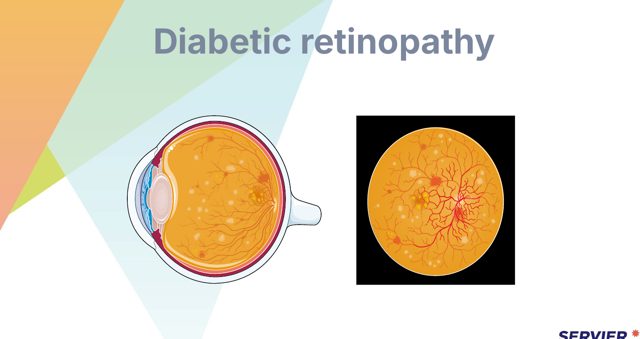
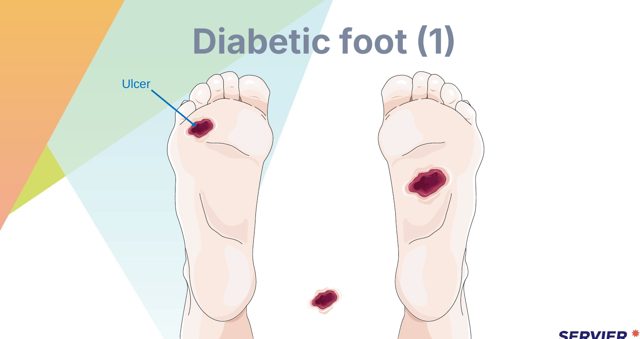
Microvascular. Retinopathy — the leading preventable cause of blindness in working-age adults, and it is asymptomatic until late, which is why annual screening matters and why a patient who says his vision is fine still needs it. Nephropathy — detected early as microalbuminuria, and treated with tight glucose and blood pressure control and an ACE inhibitor or ARB. Peripheral neuropathy — the numbness that lets a foot ulcer form unnoticed.
الأوعية الدقيقة. اعتلال الشبكية — السبب الأول للعمى القابل للمنع لدى البالغين في سنّ العمل، وهو بلا أعراض حتى وقت متأخّر، ولهذا يهمّ المسح السنوي ولهذا يحتاجه المريض الذي يقول إن بصره جيّد. واعتلال الكلية — يُكتشَف مبكّراً كبيلة ألبومين زهيدة، ويُعالَج بضبط محكم للسكّر والضغط ومثبّط الإنزيم المحوِّل للأنجيوتنسين (ACE) أو حاصر مستقبلات الأنجيوتنسين (ARB). والاعتلال العصبي الطرفي — الخدر الذي يتيح تشكّل قرحة قدم دون ملاحظة.
Autonomic neuropathy is easily missed and produces gastroparesis — early satiety, bloating, nausea and vomiting of old food, with erratic glucose because absorption no longer matches the insulin — as well as postural hypotension, erectile dysfunction, bladder dysfunction and silent myocardial infarction, which Chapter 01 covers.
والاعتلال العصبي الذاتي يسهل إغفاله ويُنتج خزل المعدة — شبع مبكّر وانتفاخ وغثيان وتقيّؤ طعام قديم، مع سكّر متقلّب لأن الامتصاص لم يعد يطابق الإنسولين — إضافةً لهبوط الضغط الانتصابي وضعف الانتصاب واختلال المثانة واحتشاء عضلة القلب الصامت الذي يغطّيه الفصل الأول.
Macrovascular disease — coronary artery disease, stroke and peripheral arterial disease — is the commonest cause of death in diabetes, and the risk is managed with blood pressure control, lipid lowering, antiplatelet therapy where indicated and smoking cessation, not with glucose control alone. Foot care follows Part 01 Chapter 07: daily inspection including between the toes, never barefoot, never soaking, no corn removers, and well-fitting shoes checked inside before wearing.
ومرض الأوعية الكبيرة — مرض الشرايين التاجية والسكتة الدماغية ومرض الشرايين الطرفية — أشيع سبب للوفاة في السكّري، ويُدبَّر خطره بضبط الضغط وخفض الشحوم ومضادّ الصفيحات حيث يُستطبّ والإقلاع عن التدخين، لا بضبط السكّر وحده. والعناية بالقدم تتبع الفصل السابع من الجزء الأول: فحص يومي بما بين الأصابع، ولا مشي حافياً، ولا نقع، ولا مزيلات مسامير، وأحذية مناسبة تُفحَص من الداخل قبل ارتدائها.
3.13 · Diabetes in Special Situations٣٫١٣ · السكّري في مواقف خاصّة
Around surgery, patients with diabetes are placed first on the operating list where possible, so the fast is short. Long-acting background insulin is usually continued, often at a reduced dose; short-acting doses are held while the patient is nil by mouth; and metformin is held. Where the fast is prolonged or control is poor, a variable rate intravenous insulin infusion is used with hourly glucose monitoring, and the usual regimen resumes once he is eating.
حول الجراحة يُوضَع مرضى السكّري أولاً في قائمة العمليات حيث أمكن، ليكون الصيام قصيراً. ويستمرّ الإنسولين الخلفي طويل المفعول عادةً بجرعة مخفّضة غالباً؛ وتُحجَب الجرعات قصيرة المفعول أثناء الصيام؛ ويُحجَب الميتفورمين. وحيث يطول الصيام أو يسوء الضبط يُستخدَم تسريب إنسولين وريدي متغيّر المعدّل مع مراقبة سكّر كلّ ساعة، ويعود النظام المعتاد بمجرّد الأكل.
Steroids raise the glucose, and a patient starting corticosteroids may develop hyperglycaemia for the first time or lose control he previously had. With a morning dose of prednisolone the rise is typically greatest in the afternoon and evening, so a single fasting reading can look reassuringly normal while the day is not. Monitor the glucose in anyone started on steroids, and expect the diabetes treatment to need reducing again as the steroid is tapered.
والستيرويدات ترفع السكّر، وقد يصاب المريض الذي يبدأها بارتفاع سكّر لأول مرّة أو يفقد ضبطاً كان لديه. ومع جرعة بريدنيزولون صباحية يكون الارتفاع أكبر ما يكون بعد الظهر وفي المساء، فقد تبدو قراءة واحدة لسكّر الصيام طبيعية مطمئنة بينما اليوم ليس كذلك. يُراقَب السكّر لدى كلّ من يبدأ ستيرويدات، ويُتوقَّع أن يحتاج علاج السكّري إلى التخفيض مجدّداً مع تدرّج إيقاف الستيرويد.
The HbA1c target is commonly around 7% for many adults, but it is individualised: a less strict target is appropriate in an older patient, in limited life expectancy, in hypoglycaemia unawareness or where there is extensive comorbidity, because the harm of hypoglycaemia outweighs the benefit of tight control. A tighter target may suit someone young and newly diagnosed. Carbohydrate counting — matching the rapid-acting dose to the carbohydrate in the meal using an insulin-to-carbohydrate ratio — gives more flexibility but needs structured education to be safe.
ويبلغ هدف الخضاب السكّري شائعاً نحو ٧٪ لدى كثير من البالغين، لكنه يُحدَّد لكلّ مريض على حدة: فالهدف الأقلّ صرامةً مناسب لكبير السنّ وفي محدودية العمر المتوقّع وفي عدم الإدراك بنقص السكّر أو حيث تكثر الأمراض المرافقة، فضرر نقص السكّر يفوق نفع الضبط المحكم. والهدف الأشدّ قد يناسب شابّاً حديث التشخيص. وعدّ الكربوهيدرات — بمطابقة الجرعة سريعة المفعول لكربوهيدرات الوجبة بنسبة إنسولين إلى كربوهيدرات — يعطي مرونة أكبر لكنه يحتاج تعليماً منظّماً ليكون آمناً.
Travelling: insulin goes in hand luggage, never in the hold, where it can freeze and be destroyed; carry at least twice the supply needed and a letter or prescription for security and for replacement; keep it cool but not frozen; and plan the timing around time zone changes with the diabetes team before travelling. Because infection risk is higher, annual influenza vaccination and pneumococcal vaccination are recommended.
والسفر: الإنسولين في حقيبة اليد لا في العنبر أبداً حيث قد يتجمّد ويتلف؛ ويُحمَل ضعف الكمّية اللازمة على الأقلّ مع خطاب أو وصفة للأمن وللاستبدال؛ ويُبقى بارداً غير مجمّد؛ ويُخطَّط للتوقيت حول تغيّر المناطق الزمنية مع فريق السكّري قبل السفر. ولأن خطر العدوى أعلى، يُوصى بلقاح الإنفلونزا السنوي وبلقاح المكوّرات الرئوية.
3.14 · Hypothyroidism٣٫١٤ · قصور الدرقية
- Tired, COLD-intolerant, CONSTIPATED, gaining weight
- DRY COARSE skin, THINNING hair, HOARSE voice
- BRADYCARDIA, low mood, slow reflexes
- Primary: TSH HIGH, free T4 LOW — the pituitary is shouting at a gland that cannot respond
- WEIGHT LOSS despite a GOOD APPETITE
- HEAT intolerance, sweating, TREMOR
- PALPITATIONS, TACHYCARDIA, ATRIAL FIBRILLATION
- Anxiety, irritability, DIARRHOEA, insomnia
- TSH LOW, free T4 HIGH
On testing, primary hypothyroidism gives a raised TSH with a low free T4: the pituitary is shouting at a gland that cannot respond. Treatment is levothyroxine, and the teaching is specific — take it in the morning on an empty stomach, at least half an hour to an hour before food, with water; separate it by several hours from calcium, iron, antacids and multivitamins, which block its absorption; take it at the same time daily; and understand it is lifelong and is not stopped when he feels well.
وعند الفحص يعطي القصور الأولي هرموناً محفّزاً للدرقية مرتفعاً مع T4 حرّ منخفض: فالنخامى تصرخ في غدّة لا تستطيع الاستجابة. والعلاج ليفوثيروكسين، والتعليم محدّد — يُؤخذ صباحاً على معدة فارغة، قبل الطعام بنصف ساعة إلى ساعة على الأقلّ، مع ماء؛ ويُفصَل بساعات عن الكالسيوم والحديد ومضادّات الحموضة والفيتامينات المتعدّدة التي تمنع امتصاصه؛ ويُؤخذ في الوقت نفسه يومياً؛ ويُفهَم أنه مدى الحياة ولا يُوقَف عند الشعور بالتحسّن.
Watch for over-replacement, which produces the hyperthyroid picture — palpitations, tremor, weight loss, heat intolerance, insomnia — and matters particularly in older patients and those with cardiac disease, in whom the dose is started low and increased slowly. Myxoedema coma is the extreme: hypothermia, bradycardia, hypoventilation with carbon dioxide retention, hyponatraemia and reduced consciousness, often precipitated by infection, cold or sedatives. It is a medical emergency.
ويُراقَب فرط التعويض الذي يُنتج صورة فرط النشاط — خفقان ورعاش ونقص وزن وعدم تحمّل الحرارة وأرق — ويهمّ خاصّةً لدى كبار السنّ وأصحاب المرض القلبي، فتُبدأ الجرعة لديهم منخفضة وتُزاد ببطء. وغيبوبة الوذمة المخاطية هي الحدّ الأقصى: انخفاض حرارة وبطء نبض ونقص تهوية مع احتباس ثاني أكسيد الكربون ونقص صوديوم وانخفاض وعي، وتُحدثها غالباً عدوى أو برد أو مهدّئات. وهي حالة طبية طارئة.
3.15 · Hyperthyroidism and Thyroid Storm٣٫١٥ · فرط نشاط الدرقية والعاصفة الدرقية
Everything speeds up. Weight loss despite a good appetite, heat intolerance, sweating, tremor, palpitations and tachycardia, atrial fibrillation, anxiety and irritability, insomnia, diarrhoea and muscle weakness. Graves disease adds a diffuse goitre and exophthalmos — the protruding eyes, which do not resolve when the hormone levels are corrected and need eye protection, lubricating drops and elevation of the head.
كلّ شيء يتسارع. نقص وزن رغم شهيّة جيّدة، وعدم تحمّل الحرارة، وتعرّق، ورعاش، وخفقان وتسرّع نبض، ورجفان أذيني، وقلق وسرعة انفعال، وأرق، وإسهال، وضعف عضلي. وداء غريفز يضيف دُراقاً منتشراً وجحوظ العينين — وهو لا يزول بتصحيح مستويات الهرمون ويحتاج حماية للعين وقطرات مرطّبة ورفع الرأس.
Antithyroid drugs — carbimazole, methimazole and propylthiouracil — reduce hormone production. Their most important adverse effect is agranulocytosis, so every patient is taught to report a sore throat, mouth ulcers or fever immediately and stop the drug until the white count is checked. That single instruction is what the exam tests, because a sore throat sounds trivial and is not.
ومضادّات الدرقية — الكاربيمازول والميثيمازول والبروبيل ثيويوراسيل — تقلّل إنتاج الهرمون. وأهمّ أثر ضارّ لها ندرة المحبّبات، فكلّ مريض يُعلَّم الإبلاغ فوراً عن التهاب حلق أو قرح فموية أو حمّى وإيقاف الدواء حتى يُفحَص تعداد الكريّات البيض. وتلك التعليمة وحدها ما يختبره الامتحان، فالتهاب الحلق يبدو تافهاً وليس كذلك.
Radioactive iodine destroys thyroid tissue and requires temporary precautions: limit close contact particularly with children and pregnant women, sleep alone, flush the toilet twice, wash hands and utensils separately, and follow the period the department specifies. It is contraindicated in pregnancy and breastfeeding, and most patients eventually become hypothyroid and need levothyroxine.
واليود المشعّ يُتلف نسيج الدرقية ويتطلّب احتياطات مؤقّتة: تحديد المخالطة القريبة خاصّةً مع الأطفال والحوامل، والنوم منفرداً، وشطف المرحاض مرّتين، وغسل اليدين والأدوات منفصلةً، واتّباع المدّة التي يحدّدها القسم. وهو ممنوع في الحمل والإرضاع، ويصاب معظم المرضى في النهاية بقصور الدرقية ويحتاجون ليفوثيروكسين.
Thyroid storm is the life-threatening extreme, precipitated by infection, surgery, trauma or stopping antithyroid treatment. It presents with a fever that can exceed 40 °C, a heart rate above 140, severe agitation progressing to delirium, vomiting and diarrhoea, and cardiovascular collapse. It is managed in critical care with cooling, antithyroid drugs, beta-blockade, steroids, fluids and treating the precipitant.
والعاصفة الدرقية هي الحدّ الأقصى المهدّد للحياة، وتُحدثها عدوى أو جراحة أو رضّ أو إيقاف مضادّات الدرقية. وتتظاهر بحمّى قد تتجاوز ٤٠ درجة مئوية، ونبض فوق ١٤٠، وهياج شديد يتقدّم لهذيان، وتقيّؤ وإسهال، وانهيار قلبي وعائي. وتُدبَّر في العناية الحرجة بالتبريد ومضادّات الدرقية وحصر بيتا والستيرويدات والسوائل وعلاج العامل المُحرِّض.
3.16 · Thyroid Nodules, Subclinical Disease and Surgery Preparation٣٫١٦ · عقيدات الدرقية والمرض تحت السريري والتحضير للجراحة
A goitre is an enlarged thyroid and may occur with normal, high or low function. A solitary nodule is investigated with thyroid function tests, ultrasound, and fine needle aspiration, which is the test that distinguishes benign from malignant. Most nodules are benign. Features that raise concern for thyroid cancer are a firm painless nodule that is enlarging, hoarseness, difficulty swallowing, and enlarged cervical lymph nodes.
الدُراق تضخّم في الدرقية وقد يحدث مع وظيفة طبيعية أو مرتفعة أو منخفضة. والعقيدة المنفردة تُستقصى بفحوص وظيفة الدرقية والتصوير بالموجات فوق الصوتية والرشف بالإبرة الدقيقة وهو الاختبار الذي يميّز الحميد من الخبيث. ومعظم العقيدات حميدة. والسمات المثيرة للقلق من سرطان الدرقية عقيدة صلبة غير مؤلمة تكبر، وبحّة، وصعوبة بلع، وضخامة عقد لمفية رقبية.
Subclinical disease is defined by the TSH alone. Subclinical hypothyroidism is a raised TSH with a normal free T4; subclinical hyperthyroidism is a low TSH with a normal free T4. Both may be asymptomatic and both are followed rather than automatically treated, with the decision depending on the degree of abnormality, symptoms, antibodies, age and pregnancy.
والمرض تحت السريري يُعرَّف بالهرمون المحفّز للدرقية وحده. فالقصور تحت السريري هرمون محفّز مرتفع مع T4 حرّ طبيعي؛ وفرط النشاط تحت السريري هرمون محفّز منخفض مع T4 حرّ طبيعي. وقد يكون كلاهما بلا أعراض ويُتابَعان لا يُعالَجان تلقائياً، والقرار يعتمد على درجة الشذوذ والأعراض والأضداد والعمر والحمل.
In pregnancy, levothyroxine requirements increase, and untreated hypothyroidism affects fetal neurological development, so the dose is reviewed as soon as pregnancy is confirmed rather than at the next routine appointment. For hyperthyroidism, propylthiouracil is generally preferred in the first trimester, and radioactive iodine is contraindicated in pregnancy and breastfeeding.
وفي الحمل تزداد احتياجات الليفوثيروكسين، والقصور غير المعالَج يؤثّر على التطوّر العصبي للجنين، فتُراجَع الجرعة بمجرّد تأكيد الحمل لا في الموعد الروتيني التالي. ولفرط النشاط يُفضَّل البروبيل ثيويوراسيل في الثلث الأول عموماً، واليود المشعّ ممنوع في الحمل والإرضاع.
Before thyroid surgery a patient may be given a strong iodine solution — Lugol's iodine — for a short course, which reduces the size and vascularity of the gland and so reduces bleeding at operation. It is diluted in juice, milk or water and taken through a straw to prevent staining the teeth, and it is given after the patient has been made euthyroid, since the surgery itself can otherwise precipitate a thyroid storm.
وقبل جراحة الدرقية قد يُعطى المريض محلول يود قوياً — محلول لوغول — لدورة قصيرة، فيقلّل حجم الغدّة وتوعّيها ومن ثمّ ينقص النزف في العملية. ويُخفَّف في عصير أو حليب أو ماء ويُؤخَذ بمصّاصة منعاً لتصبّغ الأسنان، ويُعطى بعد جعل المريض سويّ الدرقية، وإلا فقد تُحدث الجراحة نفسها عاصفة درقية.
3.17 · After Thyroidectomy٣٫١٧ · بعد استئصال الدرقية
The most dangerous EARLY complications after thyroidectomy are AIRWAY OBSTRUCTION and HAEMORRHAGE — and they are CONNECTED: BLEEDING INTO THE NECK COMPRESSES THE TRACHEA.
أخطر المضاعفات المبكّرة بعد استئصال الدرقية انسداد المجرى الهوائي والنزف — وهما متّصلان: فالنزف في العنق يضغط الرغامى.
Hypocalcaemia follows accidental damage to or removal of the parathyroid glands, and appears within the first day or two. The early symptom is tingling around the mouth and in the fingers and toes, progressing to muscle cramps, carpopedal spasm, tetany and seizures. Two signs are tested: Chvostek's sign — tapping over the facial nerve produces twitching of the facial muscles — and Trousseau's sign — inflating a blood pressure cuff produces carpal spasm. Calcium gluconate is kept at the bedside.
ونقص الكالسيوم يتبع تلف الغدد جارات الدرقية أو إزالتها بالخطأ، ويظهر خلال اليوم الأول أو الثاني. والعرَض المبكّر نمل حول الفم وفي أصابع اليدين والقدمين، ويتقدّم لتشنّجات عضلية وتشنّج اليدين والقدمين وتكزّز واختلاجات. وعلامتان تُختبَران: علامة خفوستيك — فالنقر فوق العصب الوجهي يُنتج ارتعاش عضلات الوجه — وعلامة تروسو — فنفخ كفّة ضغط يُنتج تشنّج الرسغ. وغلوكونات الكالسيوم تُبقى عند السرير.
Recurrent laryngeal nerve injury produces hoarseness or a weak voice. Assess the voice at intervals — ask the patient to speak rather than assuming — and report a change. Some hoarseness is common and temporary from the tube and the swelling; a voice that worsens, or complete loss, is reported. Bilateral injury causes airway obstruction. Thyroid storm can also be precipitated by the surgery itself.
وإصابة العصب الحنجري الراجع تُنتج بحّة أو ضعف صوت. يُقيَّم الصوت على فترات — ويُطلَب من المريض الكلام دون افتراض — ويُبلَّغ عن أيّ تغيّر. وبعض البحّة شائع ومؤقّت من الأنبوب والتورّم؛ أما الصوت الذي يزداد سوءاً أو الفقد التامّ فيُبلَّغ عنه. والإصابة ثنائية الجانب تسبّب انسداد المجرى الهوائي. والعاصفة الدرقية قد تُحدثها الجراحة نفسها.
3.18 · Parathyroid Disorders٣٫١٨ · اضطرابات جارات الدرقية
Parathyroid hormone raises calcium. So hyperparathyroidism causes hypercalcaemia: bone pain and fractures from calcium leaving the bone, renal stones, abdominal pain, constipation, nausea, polyuria and thirst, and fatigue, depression and confusion. The traditional summary is bones, stones, abdominal moans and psychic groans. Nursing care includes hydration, mobilisation and monitoring for arrhythmia.
هرمون جارات الدرقية يرفع الكالسيوم. ففرط نشاط جارات الدرقية يسبّب فرط كالسيوم: ألم عظمي وكسور من خروج الكالسيوم من العظم، وحصيات كلوية، وألم بطني وإمساك وغثيان، وبوال وعطش، وتعب واكتئاب وتشوّش. والملخّص التقليدي عظام وحصيات وأنين بطني وأنين نفسي. والرعاية التمريضية تشمل الإماهة والتحريك ومراقبة اضطراب النظم.
Hypoparathyroidism causes hypocalcaemia, and the commonest cause is thyroid or parathyroid surgery. The features are those described after thyroidectomy: perioral and peripheral tingling, cramps, carpopedal spasm, positive Chvostek and Trousseau signs, tetany, laryngospasm and seizures. Treatment is calcium and vitamin D, with intravenous calcium gluconate for acute severe hypocalcaemia.
وقصور جارات الدرقية يسبّب نقص كالسيوم، وأشيع أسبابه جراحة الدرقية أو جاراتها. والسمات هي الموصوفة بعد استئصال الدرقية: نمل حول الفم وفي الأطراف وتشنّجات وتشنّج اليدين والقدمين وعلامتا خفوستيك وتروسو الإيجابيتان وتكزّز وتشنّج حنجري واختلاجات. والعلاج كالسيوم وفيتامين د، مع غلوكونات كالسيوم وريدية لنقص الكالسيوم الحادّ الشديد.
3.19 · Cushing Syndrome٣٫١٩ · متلازمة كوشينغ
Cushing syndrome is the effect of too much cortisol, and by far the commonest cause is prolonged corticosteroid treatment rather than any tumour — which matters, because it means many of these patients are on your ward for another reason entirely.
متلازمة كوشينغ أثر فرط الكورتيزول، وأشيع أسبابها بفارق كبير العلاج المطوّل بالستيرويدات القشرية لا أيّ ورم — وهذا يهمّ، فهو يعني أن كثيراً من هؤلاء المرضى في الجناح لسبب آخر تماماً.
The picture: moon face, a buffalo hump of fat between the shoulders, central obesity with thin limbs from muscle wasting, purple striae on the abdomen, thin fragile skin that bruises easily, poor wound healing, hyperglycaemia, hypertension, hypokalaemia, osteoporosis, increased infection risk with a blunted fever, and mood change from euphoria to depression.
والصورة: وجه قمري، وحدبة جاموسية من الشحم بين الكتفين، وسمنة مركزية مع أطراف نحيلة من ضمور العضل، وتخطّطات بنفسجية على البطن، وجلد رقيق هشّ يتكدّم بسهولة، وضعف التئام الجروح، وارتفاع سكّر الدم، وارتفاع ضغط الدم، ونقص بوتاسيوم، وتخلخل عظام، وزيادة خطر العدوى مع حمّى خامدة، وتغيّر مزاج من نشوة إلى اكتئاب.
Nursing priorities follow from the list: protect the skin, prevent falls and fractures, watch closely for infection knowing the usual signs are dulled, monitor glucose, blood pressure and potassium, and support a patient whose appearance has changed in ways that distress him. Long-term steroids are never stopped abruptly, because the adrenal glands have stopped producing their own cortisol and an addisonian crisis follows.
والأولويات التمريضية تتبع القائمة: يُحمى الجلد، ويُمنع السقوط والكسور، وتُراقَب العدوى عن كثب مع العلم بخمود العلامات المعتادة، ويُراقَب السكّر والضغط والبوتاسيوم، ويُدعَم مريض تغيّر مظهره بطرق تُكدّره. والستيرويدات طويلة الأمد لا تُوقَف فجأةً أبداً، فالكظران توقّفا عن إنتاج الكورتيزول الخاصّ ويتبع ذلك أزمة أديسون.
3.20 · Addison Disease and Adrenal Crisis٣٫٢٠ · داء أديسون والأزمة الكظرية
ADDISON DISEASE is TOO LITTLE cortisol and aldosterone — the MIRROR IMAGE of Cushing. The features develop INSIDIOUSLY: fatigue and weakness, weight loss and anorexia, nausea and vomiting, postural dizziness, salt craving, and HYPERPIGMENTATION of skin creases, scars and buccal mucosa.
داء أديسون قلّة الكورتيزول والألدوستيرون — الصورة المعاكسة لكوشينغ. وتتطوّر السمات بصورة خفيّة: تعب وضعف، ونقص وزن وفقدان شهية، وغثيان وتقيّؤ، ودوار انتصابي، واشتهاء الملح، وفرط تصبّغ ثنيّات الجلد والندبات والمخاطية الشدقية.
- LOW sodium
- HIGH potassium
- LOW glucose
- Often a RAISED UREA from dehydration
- It is the OPPOSITE of what steroids do — which is how to remember it
- SEVERE HYPOTENSION and SHOCK
- Profound weakness, vomiting, abdominal pain
- Fever, HYPOGLYCAEMIA, confusion
- Precipitated by INFECTION, surgery, trauma — or STOPPING THE STEROID
- Treatment: IV HYDROCORTISONE, IV FLUID with GLUCOSE, and treat the cause
The laboratory picture is the memorable part and it is the opposite of what steroids do: low sodium, high potassium, low glucose, and often a raised urea from dehydration. Put beside Cushing — high glucose, high sodium, low potassium — the two make sense as a pair rather than as two lists to memorise separately.
والصورة المخبرية هي الجزء الذي يُحفَظ وهي عكس ما تفعله الستيرويدات: صوديوم منخفض وبوتاسيوم مرتفع وسكّر منخفض، ويوريا مرتفعة غالباً من الجفاف. وبوضعها بجانب كوشينغ — سكّر مرتفع وصوديوم مرتفع وبوتاسيوم منخفض — يصير الاثنان مفهومين كزوج لا كقائمتين تُحفَظان منفصلتين.
Addisonian crisis is the emergency: severe hypotension and shock, profound weakness, vomiting, abdominal pain, fever, hypoglycaemia and confusion, precipitated by infection, surgery, trauma, or — most commonly and most preventably — by stopping or failing to increase steroid replacement. Treatment is intravenous hydrocortisone, fluid resuscitation with normal saline, glucose, and treating the precipitant.
وأزمة أديسون هي الطارئ: هبوط ضغط شديد وصدمة، وضعف عميق، وتقيّؤ، وألم بطني، وحمّى، ونقص سكّر، وتشوّش، وتُحدثها عدوى أو جراحة أو رضّ، أو — الأشيع والأكثر قابلية للوقاية — إيقاف تعويض الستيرويد أو عدم زيادته. والعلاج هيدروكورتيزون وريدي وإنعاش بالسوائل بمحلول ملحي طبيعي وغلوكوز وعلاج العامل المُحرِّض.
The teaching that prevents crises: never stop the steroid; increase the dose during illness, fever, vomiting or surgery as instructed — the sick day rules; carry a steroid card and emergency identification; keep an emergency injection at home if one has been prescribed and know how to use it; and seek help immediately if vomiting prevents taking the tablets, because that is exactly the situation in which the crisis develops.
والتعليم الذي يمنع الأزمات: لا يُوقَف الستيرويد أبداً؛ وتُزاد الجرعة أثناء المرض أو الحمّى أو التقيّؤ أو الجراحة كما يُوجَّه — وهي قواعد أيام المرض؛ وتُحمَل بطاقة ستيرويد وتعريف طارئ؛ وتُحفَظ حقنة طوارئ في المنزل إن وُصفت مع معرفة كيفية استخدامها؛ وتُطلَب المساعدة فوراً إن منع التقيّؤ من تناول الأقراص، فذلك بالضبط الموقف الذي تنشأ فيه الأزمة.
3.21 · Endocrine Testing and Adrenal Surgery٣٫٢١ · الفحوص الغدّية وجراحة الكظر
The dexamethasone suppression test screens for Cushing syndrome: dexamethasone is given at night and cortisol is measured the following morning. In a normal person the dexamethasone suppresses cortisol production; failure to suppress suggests Cushing. The short synacthen or ACTH stimulation test does the opposite job, testing for adrenal insufficiency: a baseline cortisol is taken, synthetic ACTH is given, and cortisol is measured again — an inadequate rise confirms that the adrenal glands cannot respond.
اختبار كبت الديكساميثازون يُستخدم للتحرّي عن متلازمة كوشينغ: فيُعطى الديكساميثازون ليلاً ويُقاس الكورتيزول صباح اليوم التالي. ولدى الشخص الطبيعي يكبت الديكساميثازون إنتاج الكورتيزول؛ وفشل الكبت يوحي بكوشينغ. واختبار السيناكثين القصير أو تحفيز ACTH يؤدّي العمل المعاكس، فيختبر القصور الكظري: إذ يُؤخَذ كورتيزول أساسي، ويُعطى ACTH صنعي، ويُقاس الكورتيزول مجدّداً — والارتفاع غير الكافي يؤكّد عجز الكظرين عن الاستجابة.
A 24-hour urine collection is used for cortisol, catecholamines and other assays, and it is invalidated by a single missed void. Teach it precisely: discard the first void at the start time, then collect every void for the next 24 hours, and include a final void at the end time even if the bladder is not full. Keep the container refrigerated or on ice with the preservative supplied, and label the start and end times.
وجمع بول أربع وعشرين ساعة يُستخدَم للكورتيزول والكاتيكولامينات وفحوص أخرى، ويبطل بتفويت تبوّل واحد. يُعلَّم ذلك بدقّة: يُتخلَّص من أول تبوّل عند وقت البدء، ثم يُجمَع كلّ تبوّل خلال الأربع والعشرين ساعة التالية، ويُدرَج تبوّل أخير عند وقت الانتهاء حتى إن لم تكن المثانة ممتلئة. وتُبقى الحاوية مبرَّدة أو على ثلج مع المادّة الحافظة الموفَّرة، ويُوسَم وقتا البدء والانتهاء.
The water deprivation test investigates diabetes insipidus: fluids are withheld under close supervision while urine and plasma osmolality are measured, and desmopressin is given at the end to distinguish a pituitary cause from a renal one. It must never be unsupervised, because a patient with true diabetes insipidus can become dangerously dehydrated within hours — weight, observations and conscious level are monitored throughout and the test is stopped if he loses a set proportion of body weight.
واختبار الحرمان من الماء يستقصي السكري الكاذب: فتُحجَب السوائل تحت إشراف لصيق بينما تُقاس أسمولية البول والبلازما، ويُعطى الديسموبريسين في النهاية للتمييز بين سبب نخامي وآخر كلوي. ولا يجوز أن يكون بلا إشراف أبداً، فالمريض المصاب بالسكري الكاذب الحقيقي قد يصاب بجفاف خطير خلال ساعات — فيُراقَب الوزن والقياسات ومستوى الوعي طوال الوقت ويُوقَف الاختبار إن فقد نسبة محدّدة من وزن الجسم.
Two points about adrenal surgery. Before removing a phaeochromocytoma, an alpha blocker is started first and a beta-blocker added only afterwards if needed — giving a beta-blocker first leaves alpha stimulation unopposed and can precipitate a severe hypertensive crisis. After adrenalectomy, steroid cover is needed: a bilateral adrenalectomy means lifelong replacement, and even after a unilateral removal for Cushing the remaining gland is suppressed and needs cover that is tapered slowly. Watch for haemodynamic instability in the immediate post-operative period.
ونقطتان عن جراحة الكظر. فقبل إزالة ورم القواتم يُبدَأ حاصر ألفا أولاً ويُضاف حاصر بيتا بعده فقط إن لزم — فإعطاء حاصر بيتا أولاً يترك التنبيه الألفي دون معارض وقد يُحدث أزمة ارتفاع ضغط الدم الشديدة. وبعد استئصال الكظر تلزم تغطية ستيرويدية: فالاستئصال ثنائي الجانب يعني تعويضاً مدى الحياة، وحتى بعد الاستئصال أحادي الجانب لكوشينغ تكون الغدّة المتبقّية مكبوتة وتحتاج تغطية تُخفَّض ببطء. ويُراقَب عدم الاستقرار الديناميكي الدموي في الفترة التالية للعملية مباشرةً.
3.22 · Pituitary: SIADH and Diabetes Insipidus٣٫٢٢ · النخامى: متلازمة الإفراز غير الملائم للهرمون المضادّ لإدرار البول والسكري الكاذب
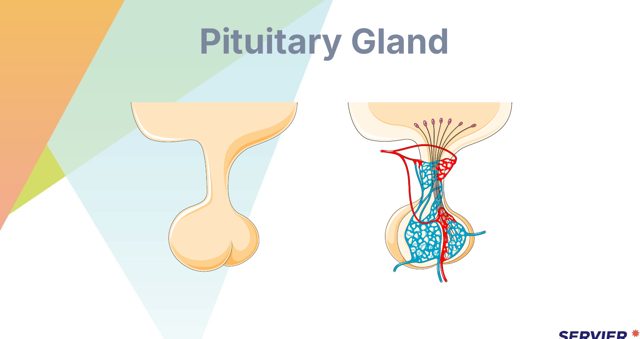
These two are OPPOSITES and are best learnt TOGETHER.
هذان متعاكسان، والأفضل تعلّمهما معاً.
- The kidney RETAINS WATER
- CONCENTRATED urine in a SMALL volume
- DILUTIONAL HYPONATRAEMIA
- Weight GAIN without oedema
- Confusion, headache, and SEIZURES if the sodium falls fast
- Management: FLUID RESTRICTION — the intervention the exam asks about
- Or a kidney that CANNOT RESPOND to it
- HUGE volumes of VERY DILUTE, PALE urine
- Intense THIRST
- HYPERNATRAEMIA and dehydration
- Weight LOSS
- Management: REPLACE THE FLUID, and DESMOPRESSIN where indicated
Management of SIADH is fluid restriction — which is the intervention the exam asks about — with daily weights, strict fluid balance, sodium monitoring and seizure precautions. The sodium is corrected slowly: raising it too fast causes osmotic demyelination and neurological damage, often permanent.
تدبير المتلازمة تقييد السوائل — وهو التدخّل الذي يسأل عنه الامتحان — مع وزن يومي وميزان سوائل دقيق ومراقبة الصوديوم واحتياطات الاختلاج. ويُصحَّح الصوديوم ببطء: فرفعه بسرعة يسبّب إزالة ميالين تناضحية وضرراً عصبياً كثيراً ما يكون دائماً.
Diabetes insipidus is the mirror: too little antidiuretic hormone, or a kidney that cannot respond to it. The patient passes huge volumes of very dilute, pale urine — litres a day — with intense thirst, and becomes dehydrated and hypernatraemic if he cannot drink enough. It is treated with desmopressin where the hormone is lacking (cranial diabetes insipidus; the nephrogenic form does not respond to it) and with free access to fluids, and the nursing work is strict fluid balance, daily weight, and watching the sodium and the conscious level.
السكري الكاذب هو الصورة المعكوسة: نقص الهرمون المضادّ للإدرار أو كلية لا تستطيع الاستجابة له. فيُخرج المريض كمّيات هائلة من بول شديد التخفيف شاحب — لترات يومياً — مع عطش شديد، ويُصاب بالجفاف وفرط صوديوم الدم إن لم يستطع الشرب كفايةً. ويُعالَج بالديسموبريسين حيث ينقص الهرمون (السكري الكاذب القحفي؛ أما الشكل الكلوي فلا يستجيب له) وبإتاحة وصول حرّ للسوائل، والعمل التمريضي ميزان سوائل دقيق ووزن يومي ومراقبة الصوديوم ومستوى الوعي.
3.23 · Phaeochromocytoma and Acromegaly٣٫٢٣ · ورم القواتم وضخامة النهايات
Phaeochromocytoma is a catecholamine-secreting adrenal tumour. The classic picture is episodic: severe hypertension, often paroxysmal and resistant to treatment, with headache, palpitations and profuse sweating — the triad — plus pallor, anxiety and tremor during an attack. It is a recognised cause of hypertension in a young patient and of a hypertensive crisis. Avoid palpating the abdomen deeply, which can precipitate a release.
ورم القواتم ورم كظري يفرز الكاتيكولامينات. والصورة الكلاسيكية نوبية: ارتفاع ضغط دم شديد، انتيابي ومقاوم للعلاج غالباً، مع صداع وخفقان وتعرّق غزير — وهو الثلاثي — إضافةً لشحوب وقلق ورعاش أثناء النوبة. وهو سبب معروف لارتفاع الضغط لدى مريض شابّ وللأزمة الارتفاعية. ويُتجنَّب جسّ البطن بعمق فقد يُحفّز إطلاق الكاتيكولامينات.
Acromegaly is excess growth hormone in an adult, after the growth plates have closed, so the bones thicken rather than lengthen. The changes are gradual and often noticed first by someone who has not seen the patient for years: enlarging hands and feet so rings and shoes no longer fit, coarsening facial features, a protruding jaw, spacing of the teeth, a deepening voice, headache and visual field loss from the tumour pressing on the optic chiasm, with hypertension, diabetes and sleep apnoea.
ضخامة النهايات فرط هرمون النمو لدى بالغ بعد انغلاق صفائح النمو، فتسمك العظام ولا تطول. والتغيّرات تدريجية وكثيراً ما يلاحظها أولاً من لم يرَ المريض منذ سنوات: تضخّم اليدين والقدمين فلا يناسبه الخاتم ولا الحذاء، وخشونة ملامح الوجه، وبروز الفكّ، وتباعد الأسنان، وتعمّق الصوت، وصداع وفقد ساحة بصرية من ضغط الورم على التصالب البصري، مع ارتفاع ضغط الدم وداء السكري وانقطاع نفس نومي.
3.24 · Pituitary Disorders and Transsphenoidal Surgery٣٫٢٤ · اضطرابات النخامى والجراحة عبر الوتدي
Hypopituitarism is deficiency of one or more anterior pituitary hormones, giving fatigue, weight change, loss of body hair, amenorrhoea or loss of libido, and features of the specific deficiencies. The critical nursing point in replacement is the order: hydrocortisone is started before levothyroxine, because giving thyroid hormone first raises the metabolic rate and can precipitate an adrenal crisis in a patient whose cortisol is already deficient.
قصور النخامى نقص واحد أو أكثر من هرمونات النخامى الأمامية، فيعطي تعباً وتغيّر وزن وفقد شعر الجسم وانقطاع طمث أو فقد الرغبة الجنسية، وسمات النقائص المحدّدة. والنقطة التمريضية الحرجة في التعويض هي الترتيب: يُبدَأ الهيدروكورتيزون قبل الليفوثيروكسين، فإعطاء هرمون الدرقية أولاً يرفع معدّل الاستقلاب وقد يُحدث أزمة كظرية لدى مريض كورتيزوله ناقص أصلاً.
A prolactinoma is the commonest functioning pituitary tumour. It causes galactorrhoea, amenorrhoea and infertility in women and reduced libido and erectile dysfunction in men, with headache and visual field loss if it presses on the optic chiasm. Unusually for a tumour, the first-line treatment is medical — a dopamine agonist such as cabergoline or bromocriptine — which usually shrinks it, so surgery is not the automatic answer. Growth hormone deficiency in an adult gives fatigue, reduced muscle mass and central adiposity.
ورم البرولاكتين أشيع ورم نخامي مُفرِز. ويسبّب ثرّ اللبن وانقطاع الطمث والعقم لدى النساء ونقص الرغبة الجنسية وضعف الانتصاب لدى الرجال، مع صداع وفقد ساحة بصرية إن ضغط على التصالب البصري. وعلى غير المعتاد في الأورام يكون علاج الخط الأول دوائياً — ناهض دوبامين كالكابيرغولين أو البروموكريبتين — وهو يُصغّره عادةً، فالجراحة ليست الجواب التلقائي. ونقص هرمون النمو لدى البالغ يعطي تعباً ونقص كتلة عضلية وسمنة مركزية.
Transsphenoidal surgery removes a pituitary tumour through the nose and the sphenoid sinus. The post-operative instructions all protect that route: no nose blowing, no sneezing through the nose, no straws, no bending over or straining, and avoid coughing and constipation, because any of these raises pressure and can disturb the surgical site. The patient breathes through his mouth while the nose is packed, so mouth care and moistening matter, and he does not brush his teeth for the period specified.
الجراحة عبر الوتدي تزيل ورماً نخامياً عبر الأنف والجيب الوتدي. وتعليمات ما بعد العملية كلّها تحمي ذلك الطريق: يُمنع التمخّط والعطس عبر الأنف واستخدام المصّاصات والانحناء أو الإجهاد، ويُتجنَّب السعال والإمساك، فأيّ منها يرفع الضغط وقد يُخلّ بالموقع الجراحي. ويتنفّس المريض من فمه والأنف محشوّ، فتهمّ العناية الفموية والترطيب، ولا ينظّف أسنانه بالفرشاة خلال المدّة المحدّدة.
The complication to watch for after transsphenoidal pituitary surgery is a CEREBROSPINAL FLUID LEAK.
المضاعفة الواجب مراقبتها بعد جراحة النخامى عبر الوتدي تسرّب السائل الدماغي الشوكي.
3.25 · Teaching the Patient with Diabetes٣٫٢٥ · تعليم المريض السكّري
SICK DAY RULES are the teaching that prevents the most admissions, and they are COUNTER-INTUITIVE — which is why they must be taught explicitly.
قواعد أيام المرض هي التعليم الذي يمنع أكثر التنويمات وهي مخالفة للحدس — ولذلك يجب تعليمها صراحةً.
Exercise lowers the glucose, and the effect can continue for hours afterwards. Teach him to check before and after, to carry fast-acting carbohydrate, to avoid exercising at the peak of his insulin, and not to inject into a limb he is about to exercise heavily, since absorption speeds up. Advise against exercise if the glucose is very high with ketones, because exercise then raises it further.
الرياضة تخفض السكّر، وقد يستمرّ الأثر ساعات بعدها. يُعلَّم المريض الفحص قبلها وبعدها، وحمل كربوهيدرات سريعة المفعول، وتجنّب الرياضة عند ذروة إنسولينه، وعدم الحقن في طرف سيُجهده بشدّة فالامتصاص يتسارع. ويُنصَح بتجنّب الرياضة إن كان السكّر مرتفعاً جداً مع كيتونات، فهي عندها ترفعه أكثر.
The rest of the package: carry a hypoglycaemia kit and identification at all times; check the glucose before driving and again on a long journey, and do not drive if hypoglycaemic; inspect the feet daily as Part 01 Chapter 07 sets out; attend the annual eye and foot screening even when everything feels fine; and bring the meter and the diary to every review so the pattern can be seen rather than described.
بقية الحزمة: حمل طقم نقص السكّر والتعريف دائماً؛ وفحص السكّر قبل القيادة ومجدّداً في الرحلة الطويلة، وعدم القيادة عند نقص السكّر؛ وفحص القدمين يومياً كما يبيّن الفصل السابع من الجزء الأول؛ وحضور المسح السنوي للعين والقدم حتى حين يبدو كلّ شيء بخير؛ وإحضار الجهاز والمذكّرة لكلّ مراجعة ليُرى النمط بدلاً من أن يُوصَف.
3.26 · Polycystic Ovary Syndrome and Inherited Endocrine Disease٣٫٢٦ · متلازمة المبيض المتعدّد الكيسات والمرض الغدّي الموروث
Polycystic ovary syndrome is the commonest endocrine disorder in women of reproductive age. It presents with irregular or absent periods, hirsutism and acne from raised androgens, difficulty conceiving, and often weight gain. Underlying it is insulin resistance, which is why it carries a substantially increased risk of type 2 diabetes, gestational diabetes and metabolic syndrome, and why weight reduction and metformin have a role alongside hormonal treatment.
متلازمة المبيض المتعدّد الكيسات أشيع اضطراب غدّي لدى النساء في سنّ الإنجاب. وتتظاهر بطمث غير منتظم أو غائب، وشعرانية وحبّ شباب من ارتفاع الأندروجينات، وصعوبة الحمل، وزيادة وزن غالباً. ويكمن خلفها مقاومة الإنسولين، ولهذا تحمل خطراً متزايداً بدرجة كبيرة للسكّري من النمط الثاني وسكّري الحمل والمتلازمة الاستقلابية، ولهذا لخفض الوزن والميتفورمين دور إلى جانب العلاج الهرموني.
The nursing contribution is often the part that gets left out: these women are frequently distressed by the hirsutism, acne and weight, and by the effect on fertility, and the psychological impact is genuine rather than cosmetic. Screening for diabetes is offered because of the metabolic risk, and the conversation about weight is had with care, since it is the one they have usually had many times before without support.
الإسهام التمريضي غالباً هو الجزء الذي يُغفَل: فهؤلاء النساء كثيراً ما يتكدّرن من الشعرانية وحبّ الشباب والوزن ومن الأثر على الخصوبة، والأثر النفسي حقيقي لا تجميلي. ويُعرَض مسح السكّري بسبب الخطر الاستقلابي، ويُجرى حديث الوزن بعناية، فهو الحديث الذي جرى معهنّ مراراً عادةً دون دعم.
Consanguineous marriage is more common in the Gulf region than in many other populations, and it raises the likelihood of autosomal recessive inherited conditions — including several endocrine ones such as congenital adrenal hyperplasia, congenital hypothyroidism and some monogenic forms of diabetes. The practical consequence for a nurse is that the family history is worth taking carefully, that newborn screening programmes matter, and that a young patient with an unusual endocrine presentation and affected relatives deserves specialist referral rather than a routine explanation.
زواج الأقارب أشيع في منطقة الخليج منه في كثير من المجتمعات الأخرى، وهو يرفع احتمال الحالات الموروثة الجسمية المتنحّية — ومنها عدّة غدّية كفرط تنسّج الكظر الخلقي وقصور الدرقية الخلقي وبعض أشكال السكّري أحادي الجين. والنتيجة العملية في الممارسة التمريضية أن القصّة العائلية تستحقّ أخذها بعناية، وأن برامج مسح حديثي الولادة تهمّ، وأن المريض الشابّ بتظاهر غدّي غير معتاد وأقارب مصابين يستحقّ إحالة تخصّصية لا تفسيراً روتينياً.
3.27 · Diabetes in the Saudi Setting٣٫٢٧ · السكّري في السياق السعودي
Diabetes is highly prevalent in the Kingdom and rising, driven by obesity, physical inactivity and dietary change, and it sits alongside the cardiovascular burden described in Chapter 01. The practical consequence for a nurse is that diabetes is the background condition in a very large share of the patients she sees, whatever they were admitted for.
السكّري عالي الانتشار في المملكة ويتصاعد، تدفعه السمنة وقلّة النشاط البدني وتغيّر الحمية، ويقف إلى جانب العبء القلبي الوعائي الموصوف في الفصل الأول. والنتيجة العملية في التمريض أن السكّري هو الحالة الخلفية لدى شريحة كبيرة جداً من المرضى مهما كان سبب تنويمهم.
Fasting in Ramadan is where most of the practical nursing work lies. The international guidance stratifies patients into low, moderate and high risk before the month begins. The features that place a patient at high risk include type 1 diabetes, a severe hypoglycaemic episode in the months before Ramadan, recurrent hypoglycaemia, hypoglycaemia unawareness, poorly controlled diabetes, significant renal impairment and advanced complications. The assessment is done before Ramadan, not during it, so that medication can be adjusted in time.
الصيام في رمضان هو المجال الذي يقع فيه معظم العمل التمريضي العملي. فالإرشاد الدولي يصنّف المرضى إلى خطر منخفض ومتوسّط ومرتفع قبل بدء الشهر. والسمات التي تضع المريض في الخطر المرتفع تشمل السكّري من النمط الأول، ونوبة نقص سكّر شديدة في الأشهر السابقة لرمضان، ونقص السكّر المتكرّر، وعدم الوعي بنقص السكّر، وسكّري ضعيف الضبط، واختلال كلوي ملحوظ، ومضاعفات متقدّمة. ويُجرى التقييم قبل رمضان لا أثناءه ليتسنّى تعديل الدواء في الوقت.
The teaching for a patient who will fast: checking the glucose does not break the fast — this is the single most useful thing many patients do not know, and it is why they stop monitoring during the month. Monitor more often, not less, particularly in the late afternoon when hypoglycaemia is most likely. Take the main meal at iftar and a substantial suhoor as late as possible. Expect medication to be rescheduled and doses adjusted, with sulfonylureas and insulin needing the most attention, since they carry the hypoglycaemia risk.
التعليم لمريض سيصوم: فحص السكّر لا يُفطر — وهذه أنفع معلومة يجهلها كثير من المرضى، وهي سبب توقّفهم عن المراقبة خلال الشهر. تُجرى المراقبة أكثر لا أقلّ، خاصّةً في آخر النهار حيث يُرجَّح نقص السكّر. ويُنصح بتناول الوجبة الرئيسة عند الإفطار وسحور وافٍ بأقصى تأخير ممكن. ويُتوقَّع أن تُعاد جدولة الدواء وتُعدَّل الجرعات، مع كون السلفونيل يوريا والإنسولين الأكثر حاجةً للانتباه لحملهما خطر نقص السكّر.
Teach him WHEN he must BREAK the fast — with the numbers, in writing.
يُعلَّم المريض متى يجب أن يُفطر — بالأرقام ومكتوبةً.
And the two things that make the teaching work. Breaking the fast for these reasons is religiously PERMITTED and the fast can be made up later — said explicitly, because the commonest reason people continue a dangerous fast is that they do not believe they are allowed to stop. And monitoring blood glucose does NOT break the fast — which many patients believe, and which is why they stop testing during the very month they most need to.
والأمران اللذان يُنجحان التعليم. أن الإفطار لهذه الأسباب جائز شرعاً ويمكن قضاء الصيام لاحقاً — يُقال صراحةً لأن أشيع سبب لمواصلة صيام خطير هو أن الناس لا يعتقدون أنه يُسمَح لهم بالتوقّف. وأن قياس سكّر الدم لا يُفطر — وكثير من المرضى يعتقدون العكس، ولهذا يتوقّفون عن الفحص في الشهر الذي يكونون فيه أشدّ حاجةً إليه.
Test yourselfالاختبار الذاتي
Loading… جارٍ التحميل…
Loading… جارٍ التحميل…
Loading… جارٍ التحميل…