
Respiratory Nursing & Asthma
In this chapterفي هذا الفصل
Key terms (12)المصطلحات الأساسية
Chapter outline (27 sections)مخطط الفصل
- Learning Objectivesأهداف التعلّم
- 2.1 · Oxygenation: Ventilation and Perfusion٢٫١ · الأكسجة: التهوية والتروية
- 2.2 · The Oxyhaemoglobin Dissociation Curve٢٫٢ · منحنى تفكّك الأوكسيهيموغلوبين
- 2.3 · Inspecting and Percussing the Chest٢٫٣ · فحص الصدر بالنظر والقرع
- 2.4 · Breath Sounds٢٫٤ · أصوات التنفّس
- 2.5 · Arterial Blood Gases: the Normal Values٢٫٥ · غازات الدم الشرياني: القيم الطبيعية
- 2.6 · Interpreting Blood Gases٢٫٦ · تفسير غازات الدم
- 2.7 · Oxygen Therapy in Respiratory Disease٢٫٧ · العلاج بالأكسجين في المرض التنفّسي
- 2.8 · Airway Management٢٫٨ · تدبير مجرى الهواء
- 2.9 · Mechanical Ventilation٢٫٩ · التهوية الميكانيكية
- 2.10 · Acute Respiratory Distress Syndrome٢٫١٠ · متلازمة الضائقة التنفّسية الحادّة
- 2.11 · Asthma: What Is Happening٢٫١١ · الربو: ما الذي يحدث
- 2.12 · Assessing an Acute Asthma Attack٢٫١٢ · تقييم نوبة الربو الحادّة
- 2.13 · Managing an Acute Asthma Attack٢٫١٣ · تدبير نوبة الربو الحادّة
- 2.14 · Inhalers, Spacers and Peak Flow٢٫١٤ · البخّاخات والمباعدات وذروة الجريان
- 2.15 · Status Asthmaticus and Energy Conservation٢٫١٥ · الحالة الربوية والحفاظ على الطاقة
- 2.16 · Chronic Obstructive Pulmonary Disease٢٫١٦ · مرض الانسداد الرئوي المزمن
- 2.17 · Living With and Exacerbating COPD٢٫١٧ · التعايش مع الانسداد الرئوي وتفاقمه
- 2.18 · Pneumonia٢٫١٨ · الالتهاب الرئوي
- 2.19 · Tuberculosis: Recognition and Diagnosis٢٫١٩ · السلّ: التعرّف والتشخيص
- 2.20 · Tuberculosis: Isolation and Treatment٢٫٢٠ · السلّ: العزل والعلاج
- 2.21 · Pulmonary Embolism٢٫٢١ · الانصمام الرئوي
- 2.22 · Pneumothorax and Pleural Disease٢٫٢٢ · استرواح الصدر وأمراض الجنب
- 2.23 · Chest Drains٢٫٢٣ · منازح الصدر
- 2.24 · Other Respiratory Conditions٢٫٢٤ · حالات تنفّسية أخرى
- 2.25 · Respiratory Procedures and Drugs٢٫٢٥ · الإجراءات والأدوية التنفّسية
- 2.26 · Respiratory Health in the Saudi Setting٢٫٢٦ · الصحّة التنفّسية في السياق السعودي
Start learningبدء التعلّم Learning objectivesأهداف التعلّم Test yourselfالاختبار الذاتي
Learning Objectivesأهداف التعلّم
2.1 · Oxygenation: Ventilation and Perfusion٢٫١ · الأكسجة: التهوية والتروية
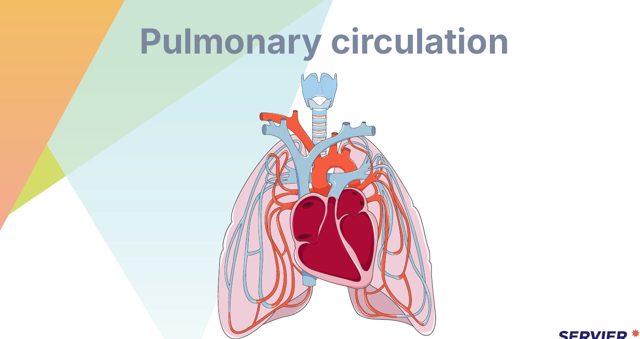
Ventilation is air moving in and out of the alveoli; perfusion is blood flowing past them. Gas exchange needs both, and most respiratory illness is a failure of one relative to the other — a ventilation–perfusion mismatch. A blocked airway gives perfusion without ventilation, as in pneumonia or atelectasis; a pulmonary embolism gives ventilation without perfusion, which is dead space.
التهوية حركة الهواء داخل الأسناخ وخارجها؛ والتروية جريان الدم بجوارها. وتبادل الغازات يحتاج كليهما، ومعظم المرض التنفّسي فشل في أحدهما نسبةً للآخر — أي عدم تطابق التهوية والتروية. فالمجرى المسدود يعطي تروية دون تهوية كما في الالتهاب الرئوي أو الانخماص؛ والانصمام الرئوي يعطي تهوية دون تروية، وهو الحيّز الميّت.
Hypoxaemia is a low oxygen level in the blood; hypoxia is inadequate oxygen reaching the tissues. They usually travel together but not always — a patient in shock can be hypoxic with a normal saturation, because the problem is delivery rather than uptake.
ونقص أكسجة الدم انخفاض مستوى الأكسجين في الدم؛ ونقص الأكسجة عدم بلوغ أكسجين كافٍ للأنسجة. وهما يترافقان عادةً لا دائماً — فمريض الصدمة قد يكون ناقص الأكسجة وتشبّعه طبيعي، لأن المشكلة في الإيصال لا في الالتقاط.
Surfactant lowers surface tension so the alveoli do not collapse, and compliance is how easily the lung expands. Stiff, poorly compliant lungs — as in fibrosis or acute respiratory distress syndrome — need far more work to inflate, which is why those patients tire.
والفاعل بالسطح يخفض التوتّر السطحي فلا تنخمص الأسناخ، والمطاوعة هي سهولة توسّع الرئة. والرئات المتيبّسة قليلة المطاوعة — كما في التليّف أو متلازمة الضائقة التنفّسية الحادّة — تحتاج جهداً أكبر بكثير للنفخ، ولهذا يُنهَك أولئك المرضى.
2.2 · The Oxyhaemoglobin Dissociation Curve٢٫٢ · منحنى تفكّك الأوكسيهيموغلوبين
The curve relates the PARTIAL PRESSURE of oxygen to the SATURATION of haemoglobin, and its S-SHAPE explains a great deal of what pulse oximetry does and does not tell you.
يربط هذا المنحنى بين الضغط الجزئي للأكسجين وتشبّع الهيموغلوبين، ويفسّر شكله S الكثير مما يبيّنه قياس التأكسج النبضي وما لا يبيّنه.
That is the practical point. A patient at 90% sits at the EDGE of the cliff — a further small fall in saturation means a disproportionately large fall in PaO₂. And above 90%, a reassuring saturation can hide a substantial deterioration in PaO₂ that has not reached the steep part yet. Which is why a falling TREND matters more than the current number.
تلك هي النقطة العملية. فالمريض عند ٩٠٪ يقف على حافّة الهاوية — فأي هبوط صغير إضافي في التشبّع يعني هبوطاً كبيراً غير متناسب في الضغط الجزئي للأكسجين. وفوق ٩٠٪ قد يُخفي تشبّع مطمئن تدهوراً كبيراً في الضغط الجزئي للأكسجين لم يبلغ بعدُ الجزء الحادّ. ولهذا فإن الاتجاه التنازلي أهمّ من الرقم الحالي.
- FEVER
- ACIDOSIS
- RAISED carbon dioxide
- RAISED 2,3-DPG
- The conditions of a working, stressed tissue — which is exactly when it needs more oxygen
- HYPOTHERMIA
- ALKALOSIS
- LOW carbon dioxide
- LOW 2,3-DPG — including STORED BLOOD
- So haemoglobin picks oxygen up well and gives it up poorly
That is the practical point: a saturation of 90% corresponds to a PaO₂ of roughly 60 mmHg, and it sits at the top of the steep part of the curve. A patient at 90% is therefore much closer to serious trouble than the number suggests, and a further small deterioration will drop him quickly.
هذه هي النقطة العملية: فتشبّع ٩٠٪ يقابل ضغط أكسجين نحو ٦٠ ملم زئبق، ويقع عند قمّة الجزء الحادّ الانحدار من المنحنى. فالمريض عند ٩٠٪ أقرب بكثير إلى مشكلة خطيرة ممّا يوحي به الرقم، وتدهور إضافي صغير سيُسقطه سريعاً.
A shift to the right means haemoglobin releases oxygen to the tissues more readily, and it is caused by fever, acidosis, a raised carbon dioxide and raised 2,3-DPG — the conditions of hard-working or stressed tissue, which is exactly when the tissue needs oxygen delivered. A shift to the left means haemoglobin holds oxygen more tightly, caused by cold, alkalosis and a low carbon dioxide.
والانزياح لليمين يعني أن الهيموغلوبين يُطلق الأكسجين للأنسجة بسهولة أكبر، ويسبّبه الحمّى والحماض وارتفاع ثاني أكسيد الكربون وارتفاع ٢,٣-ثنائي فوسفوغليسرات — وهي ظروف النسيج المجهَد أو الكادح، وهو بالضبط حين يحتاج النسيج إلى إيصال الأكسجين. والانزياح لليسار يعني أن الهيموغلوبين يمسك الأكسجين بإحكام أكبر، ويسبّبه البرد والقلاء وانخفاض ثاني أكسيد الكربون.
2.3 · Inspecting and Percussing the Chest٢٫٣ · فحص الصدر بالنظر والقرع
Look before you touch: respiratory rate, depth and pattern, use of accessory muscles, intercostal or supraclavicular recession, the tripod position — sitting forward with the arms braced — nasal flaring, the ability to speak in full sentences, colour, and clubbing of the fingers, which points to chronic hypoxia or lung malignancy rather than an acute problem.
يُنظَر قبل اللمس: معدّل التنفّس وعمقه ونمطه، واستخدام العضلات المساعدة، والتراجع بين الأضلاع أو فوق الترقوة، ووضعية الحامل الثلاثي — الجلوس للأمام والذراعان مسنودتان — واتّساع المنخرين، والقدرة على الكلام بجمل كاملة، واللون، وتعجّر الأصابع الذي يشير إلى نقص أكسجة مزمن أو خباثة رئوية لا إلى مشكلة حادّة.
A barrel chest — an increased front-to-back diameter — reflects chronic air trapping and is characteristic of emphysema. Check that chest expansion is equal on both sides; reduced movement on one side suggests a pneumothorax, a large effusion or consolidation.
والصدر البرميلي — زيادة القطر الأمامي الخلفي — يعكس احتباس هواء مزمناً وهو سمة النفاخ. ويُتحقَّق من تساوي توسّع الصدر في الجانبين؛ فنقص الحركة في جانب يوحي باسترواح الصدر أو انصباب كبير أو تكثّف.
On percussion, normal lung is resonant. A dull note means something solid or liquid has replaced air — consolidation, a pleural effusion or a tumour. A hyperresonant note means extra trapped air — a pneumothorax or emphysema. Dull and hyperresonant point in opposite directions, and that single distinction sorts most percussion questions.
وفي القرع، الرئة الطبيعية رنّانة. والنغمة الكليلة تعني أن شيئاً صلباً أو سائلاً حلّ محلّ الهواء — تكثّف أو انصباب جنبي أو ورم. والنغمة مفرطة الرنين تعني هواءً محتبساً زائداً — استرواح الصدر أو نفاخ. والكليلة ومفرطة الرنين تشيران إلى اتجاهين متعاكسين، وهذا التمييز وحده يحسم معظم أسئلة القرع.
2.4 · Breath Sounds٢٫٤ · أصوات التنفّس
- BRIEF, HIGH-pitched POPPING at the END of INSPIRATION
- Like HAIR ROLLED between the fingers
- PULMONARY OEDEMA, FIBROSIS, ATELECTASIS
- Do NOT clear with a cough
- COARSE crackles — louder, wetter, from secretions
- WHEEZE — continuous, MUSICAL, mainly EXPIRATORY, from NARROWED airways
- RHONCHI — lower-pitched SNORING from secretions, and they often CLEAR WITH A COUGH
- Which is the feature that distinguishes rhonchi from wheeze at the bedside
Fine crackles are brief, high-pitched popping sounds at the end of inspiration, like hair rolled between the fingers — heard in pulmonary oedema, fibrosis and atelectasis. Coarse crackles are louder and lower and suggest secretions in the larger airways; they may change with coughing.
الخراخر الناعمة أصوات فرقعة قصيرة مرتفعة النبرة في نهاية الشهيق، كفرك شعرة بين الأصابع — وتُسمع في الوذمة الرئوية والتليّف والانخماص. والخراخر الخشنة أعلى صوتاً وأخفض نبرةً وتوحي بإفرازات في المجاري الكبيرة؛ وقد تتغيّر بالسعال.
Wheeze is a continuous musical sound, mainly expiratory, from narrowed airways. Rhonchi are lower-pitched snoring sounds from secretions and often clear with a cough. Stridor is a harsh sound heard mainly on inspiration and it signals upper airway obstruction — it is an emergency, not an adventitious sound to document and observe. A pleural friction rub creaks through both phases and comes with pleuritic pain.
والوزيز صوت موسيقي مستمرّ، زفيري أساساً، من مجارٍ متضيّقة. والحشرجات أصوات شخير أخفض نبرةً من الإفرازات وتزول بالسعال غالباً. والصرير صوت خشن يُسمع في الشهيق أساساً ويشير إلى انسداد المجرى العلوي — وهو طارئ لا صوت إضافي يُوثَّق ويُراقَب. واحتكاك الجنب يصرّ في الطورين ويأتي مع ألم جنبي.
Absent or markedly diminished breath sounds over an area are as important as any added sound: a pneumothorax, a large effusion, or — in a patient known to be wheezing — an airway so obstructed that no air is moving.
وغياب أصوات التنفّس أو نقصها الملحوظ فوق منطقة لا يقلّ أهمّيةً عن أيّ صوت مضاف: استرواح الصدر أو انصباب كبير أو — لدى مريض معروف بالوزيز — مجرى مسدود لدرجة توقّف حركة الهواء.
2.5 · Arterial Blood Gases: the Normal Values٢٫٥ · غازات الدم الشرياني: القيم الطبيعية
The five numbers to know: pH 7.35 to 7.45; PaCO₂ 35 to 45 mmHg, the respiratory component; HCO₃⁻ 22 to 26 mEq/L, the metabolic component; PaO₂ 80 to 100 mmHg; and SaO₂ 95 to 100%.
الأرقام الخمسة الواجب معرفتها: درجة الحموضة (pH) ٧٫٣٥ إلى ٧٫٤٥؛ وضغط ثاني أكسيد الكربون ٣٥ إلى ٤٥ ملم زئبق، وهو المكوّن التنفّسي؛ والبيكربونات ٢٢ إلى ٢٦ ملي مكافئ/لتر، وهو المكوّن الاستقلابي؛ وضغط الأكسجين ٨٠ إلى ١٠٠ ملم زئبق؛ وتشبّع الأكسجين ٩٥ إلى ١٠٠٪.
Sampling: perform an Allen test before a radial puncture to confirm collateral flow, use a heparinised syringe, expel any air bubbles because they alter the result, send it promptly or place it on ice, and apply firm pressure for at least five minutes — longer if the patient is anticoagulated. Note the oxygen the patient was on, because a gas without that context cannot be interpreted.
أخذ العيّنة: يُجرى اختبار ألن قبل الوخز الكعبري لتأكيد الجريان الجانبي، وتُستخدم محقنة مُهبَّرَنة، وتُطرد أيّ فقاعات هواء فهي تغيّر النتيجة، وتُرسل العيّنة فوراً أو تُوضع على ثلج، ويُطبَّق ضغط محكم خمس دقائق على الأقلّ — وأطول إن كان المريض على مضادّ تخثّر. ويُدوَّن الأكسجين الذي كان عليه المريض، فالغازات دون ذلك السياق لا تُفسَّر.
2.6 · Interpreting Blood Gases٢٫٦ · تفسير غازات الدم
- ACIDOSIS — HYPOVENTILATION
- COPD, opioid or sedative excess, neuromuscular weakness, airway obstruction
- ALKALOSIS — HYPERVENTILATION
- Anxiety, pain, fever, early sepsis, high altitude
- ACIDOSIS — acid GAINED or bicarbonate LOST
- Diabetic ketoacidosis, renal failure, lactic acidosis, severe DIARRHOEA
- ALKALOSIS — acid LOST or bicarbonate GAINED
- Prolonged VOMITING, nasogastric suction, diuretics, excess antacid
COMPENSATION in one line: pH abnormal and only ONE system abnormal → UNCOMPENSATED. pH abnormal and BOTH abnormal → PARTIALLY compensated — the body is trying. pH NORMAL but both abnormal → FULLY compensated. And note that the body does not over-compensate: if the pH is in the normal range but on the acidotic side, the original problem was an acidosis.
التعويض في سطر: درجة الحموضة شاذّة ونظام واحد شاذّ ← غير معوَّض؛ ودرجة الحموضة شاذّة والاثنان شاذّان ← معوَّض جزئياً — الجسم يحاول؛ ودرجة الحموضة طبيعية والاثنان شاذّان ← معوَّض كاملاً. ولا يُفرط الجسم في التعويض: فإذا كانت درجة الحموضة ضمن المجال الطبيعي لكن في الجهة الحمضية فالمشكلة الأصلية حماض.
Use ROME: Respiratory Opposite — in a respiratory problem the pH and the CO₂ move in opposite directions. Metabolic Equal — in a metabolic problem the pH and the HCO₃ move in the same direction. So a pH of 7.30 with a CO₂ of 52 is respiratory acidosis: the pH is down, the CO₂ is up, opposite directions.
تُستخدم قاعدة روم: التنفّسي معاكس — ففي المشكلة التنفّسية تتحرّك درجة الحموضة (pH) وثاني أكسيد الكربون في اتّجاهين متعاكسين. والاستقلابي مساوٍ — ففي المشكلة الاستقلابية تتحرّك درجة الحموضة (pH) والبيكربونات في الاتّجاه نفسه. فدرجة الحموضة ٧٫٣٠ مع ثاني أكسيد كربون ٥٢ حماض تنفّسي: درجة الحموضة نازلة وثاني أكسيد الكربون صاعد، في اتّجاهين متعاكسين.
The four pictures and their usual causes. Respiratory acidosis — hypoventilation: chronic obstructive lung disease, opioid or sedative excess, neuromuscular weakness, airway obstruction. Respiratory alkalosis — hyperventilation: anxiety, pain, fever, early sepsis, pulmonary embolism. Metabolic acidosis — diabetic ketoacidosis, renal failure, lactic acidosis, severe diarrhoea. Metabolic alkalosis — prolonged vomiting, nasogastric suction, diuretics, excessive antacids.
والصور الأربع وأسبابها المعتادة. الحماض التنفّسي — نقص التهوية: مرض الانسداد الرئوي المزمن، وإفراط الأفيونيات أو المهدّئات، والضعف العصبي العضلي، وانسداد المجرى. والقلاء التنفّسي — فرط التهوية: القلق والألم والحمّى والإنتان المبكّر والانصمام الرئوي. والحماض الاستقلابي — الحماض الكيتوني السكّري والفشل الكلوي والحماض اللبني والإسهال الشديد. والقلاء الاستقلابي — التقيّؤ المطوّل والشفط الأنفي المعدي والمدرّات والإفراط في مضادّات الحموضة.
Compensation: if the pH is abnormal and only one system is abnormal, it is uncompensated. If the pH is abnormal and both are abnormal, the body is trying — partially compensated. If the pH has returned to normal but both values remain abnormal, it is fully compensated. The body compensates but does not overcorrect, so the side of 7.40 the pH sits on still tells you the original problem.
والتعويض: إن كانت درجة الحموضة شاذّة وجهاز واحد فقط شاذّ فهو غير معوَّض. وإن كانت درجة الحموضة شاذّة والاثنان شاذّان فالجسم يحاول — معوَّض جزئياً. وإن عادت درجة الحموضة طبيعية وبقيت القيمتان شاذّتين فهو معوَّض تماماً. والجسم يعوّض ولا يفرط في التصحيح، فالجهة التي تقع فيها درجة الحموضة من ٧٫٤٠ تدلّ على المشكلة الأصلية.
2.7 · Oxygen Therapy in Respiratory Disease٢٫٧ · العلاج بالأكسجين في المرض التنفّسي
The devices and their ranges are set out in Part 01 Chapter 07: nasal cannula 1 to 6 litres giving roughly 24 to 44%; simple face mask 5 to 10 litres giving 40 to 60% and never below 5 litres; Venturi mask giving a precise fixed percentage; and non-rebreather at 10 to 15 litres giving the highest concentration.
الأجهزة ومدياتها مبيّنة في الفصل السابع من الجزء الأول: القنية الأنفية ١ إلى ٦ لترات تعطي نحو ٢٤ إلى ٤٤٪؛ والقناع الوجهي البسيط ٥ إلى ١٠ لترات يعطي ٤٠ إلى ٦٠٪ ولا يقلّ عن ٥ لترات أبداً؛ وقناع فنتوري يعطي نسبة دقيقة ثابتة؛ وقناع عديم إعادة التنفّس بـ١٠ إلى ١٥ لتراً يعطي أعلى تركيز.
Humidification is added above about 4 litres and for any long-term use, because dry gas damages the mucosa and thickens secretions — which matters more in a patient whose problem is clearing secretions in the first place.
والترطيب يُضاف فوق نحو ٤ لترات ولأيّ استخدام طويل الأمد، فالغاز الجافّ يُتلف الغشاء المخاطي ويثخّن الإفرازات — وهذا يهمّ أكثر لدى مريض مشكلته أصلاً تصريف الإفرازات.
Oxygen toxicity follows a high concentration given for a prolonged period — typically above 60% for more than 24 to 48 hours. It presents with substernal discomfort, a dry cough and worsening dyspnoea, and it causes absorption atelectasis and lung injury. Oxygen is titrated to a target, and the target is written down.
وسمّية الأكسجين تتبع تركيزاً عالياً يُعطى مدّةً مطوّلة — فوق ٦٠٪ لأكثر من ٢٤ إلى ٤٨ ساعة عادةً. وتتظاهر بانزعاج خلف القصّ وسعال جافّ وتفاقم ضيق النفس، وتسبّب انخماصاً امتصاصياً وإصابة رئوية. يُعايَر الأكسجين وفق هدف، ويُكتب الهدف.
Non-invasive ventilation sits between oxygen and intubation. CPAP delivers one continuous pressure and is used for obstructive sleep apnoea and cardiogenic pulmonary oedema. BiPAP delivers a higher pressure on inspiration and a lower one on expiration, so it assists ventilation as well as oxygenation and is used in hypercapnic respiratory failure such as a COPD exacerbation.
والتهوية غير الباضعة تقع بين الأكسجين والتنبيب. فالضغط الإيجابي المستمرّ (CPAP) يعطي ضغطاً واحداً مستمرّاً ويُستخدم لانقطاع النفس النومي الانسدادي والوذمة الرئوية القلبية. والضغط ثنائي المستوى (BiPAP) يعطي ضغطاً أعلى في الشهيق وأقلّ في الزفير، فيساعد التهوية والأكسجة معاً ويُستخدم في الفشل التنفّسي المترافق بفرط ثاني أكسيد الكربون كتفاقم الانسداد الرئوي المزمن.
2.8 · Airway Management٢٫٨ · تدبير مجرى الهواء
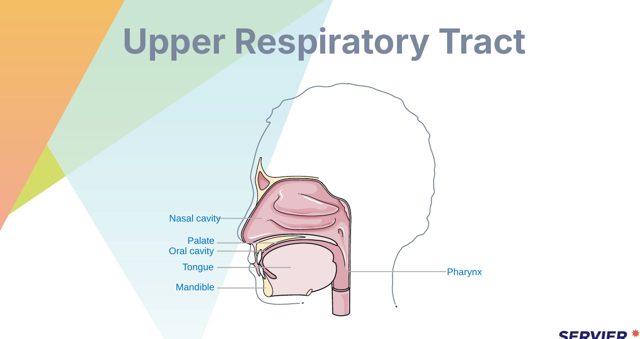
An oropharyngeal airway is used only in a patient with no gag reflex — inserting one in a responsive patient causes gagging, vomiting and aspiration. A nasopharyngeal airway is better tolerated in a patient who still has a gag, and is avoided where a base-of-skull fracture is suspected.
مجرى الهواء الفموي البلعومي يُستخدم فقط لمريض بلا منعكس التهوّع — فإدخاله لمريض مستجيب يسبّب تهوّعاً وتقيّؤاً واستنشاقاً. والأنفي البلعومي أفضل تحمّلاً لمريض ما زال لديه منعكس التهوّع، ويُتجنّب حيث يُشتبه بكسر قاعدة الجمجمة.
After intubation, tube placement is confirmed by waveform capnography — the presence of exhaled carbon dioxide — together with chest rise, equal bilateral breath sounds and absent sounds over the epigastrium, then a chest radiograph. Record the tube position at the teeth or lips and check it each shift, and monitor cuff pressure, since too much pressure damages the tracheal mucosa and too little allows aspiration.
وبعد التنبيب، يُؤكَّد موضع الأنبوب بقياس ثاني أكسيد الكربون الموجي — أي وجود ثاني أكسيد كربون مزفور — مع ارتفاع الصدر وتساوي أصوات التنفّس في الجانبين وغيابها فوق الشرسوف، ثم صورة صدر. ويُدوَّن موضع الأنبوب عند الأسنان أو الشفتين ويُتحقَّق منه كلّ مناوبة، ويُراقَب ضغط الكفّة، فالضغط الزائد يُتلف الغشاء المخاطي الرغامي والناقص يسمح بالاستنشاق.
Suctioning follows the rules in Part 01 Chapter 07: suction only when indicated, hyperoxygenate before and after, insert without applying suction, apply it only on withdrawal while rotating, and limit each pass to 10 to 15 seconds. Watch for hypoxia, bradycardia from vagal stimulation, mucosal trauma and raised intracranial pressure.
والشفط يتبع القواعد في الفصل السابع من الجزء الأول: يُشفَط عند الاستطباب فقط، وتُزاد الأكسجة قبله وبعده، ويكون الإدخال دون تطبيق شفط، ويُطبَّق الشفط عند السحب فقط مع التدوير، ويُقصَر كلّ مرور على ١٠ إلى ١٥ ثانية. ويُراقَب نقص الأكسجة وبطء النبض من التنبيه المبهمي ورضّ الغشاء المخاطي وارتفاع الضغط داخل القحف.
2.9 · Mechanical Ventilation٢٫٩ · التهوية الميكانيكية
PEEP — positive end-expiratory pressure — holds the alveoli open at the end of expiration, recruiting collapsed lung and improving oxygenation. Its cost is a raised intrathoracic pressure, which reduces venous return and can drop the blood pressure, and at higher levels risks barotrauma and pneumothorax.
الضغط الإيجابي في نهاية الزفير (PEEP) يُبقي الأسناخ مفتوحة في نهاية الزفير، فيجنّد الرئة المنخمصة ويحسّن الأكسجة. وثمنه ارتفاع الضغط داخل الصدر، ما يقلّل العود الوريدي وقد يخفض ضغط الدم، وعند المستويات الأعلى يزداد خطر رضّ الضغط واسترواح الصدر.
The two alarms and what they mean. A high pressure alarm means something is obstructing: secretions needing suction, the patient biting the tube, kinked tubing, bronchospasm, coughing, or a pneumothorax or falling compliance. A low pressure alarm means a leak or disconnection: check the circuit connections and the cuff. High means blocked, low means disconnected — and both are checked at the patient first, not at the machine.
والإنذاران ومعناهما. فإنذار الضغط العالي يعني وجود انسداد: إفرازات تحتاج شفطاً، أو عضّ المريض للأنبوب، أو انثناء الأنابيب، أو تشنّج قصبي، أو سعال، أو استرواح الصدر أو انخفاض المطاوعة. وإنذار الضغط المنخفض يعني تسرّباً أو انفصالاً: تُفحَص وصلات الدارة والكفّة. فالعالي يعني انسداداً والمنخفض انفصالاً — ويُفحَص كلاهما عند المريض أولاً لا عند الجهاز.
The ventilator care bundle from Part 01 Chapter 05 applies here: head of bed elevated 30 to 45 degrees, regular oral care with toothbrushing (chlorhexidine is no longer routinely recommended; follow local policy), daily sedation interruption with assessment of readiness to wean, ulcer and thrombosis prophylaxis, and subglottic suction where available.
وحزمة رعاية جهاز التنفّس من الفصل الخامس في الجزء الأول تنطبق هنا: رفع رأس السرير ٣٠ إلى ٤٥ درجة، وعناية فموية منتظمة بتفريش الأسنان (لم يعد الكلورهيكسيدين موصىً به روتينياً؛ ويُتَّبع ما تقرّه السياسة المحلّية)، وقطع التهدئة يومياً مع تقييم الاستعداد للفطام، والوقاية من القرحة والخثار، وشفط تحت المزمار حيث يتوفّر.
Weaning is assessed rather than assumed: the underlying problem improving, adequate oxygenation on modest support, a stable cardiovascular state, the ability to protect the airway and cough, and no excessive secretions. After extubation, watch for stridor, hoarseness, rising work of breathing and falling saturation — reintubation is more dangerous than a delayed extubation.
والفطام يُقيَّم لا يُفترَض: تحسّن المشكلة الكامنة، وأكسجة كافية بدعم متواضع، وحالة قلبية وعائية مستقرّة، والقدرة على حماية المجرى والسعال، وعدم كثرة الإفرازات. وبعد نزع الأنبوب يُراقَب الصرير وبحّة الصوت وارتفاع جهد التنفّس وانخفاض التشبّع — فإعادة التنبيب أخطر من تأخير النزع.
2.10 · Acute Respiratory Distress Syndrome٢٫١٠ · متلازمة الضائقة التنفّسية الحادّة
ARDS is acute, diffuse inflammatory lung injury following an insult such as sepsis, aspiration, trauma, pancreatitis or massive transfusion. The alveoli fill with protein-rich fluid, compliance falls and the lung becomes stiff.
متلازمة الضائقة التنفّسية الحادّة (ARDS) إصابة رئوية التهابية حادّة منتشرة تتبع أذيّةً كالإنتان أو الاستنشاق أو الرضّ أو التهاب البنكرياس أو نقل الدم الهائل. فتمتلئ الأسناخ بسائل غني بالبروتين وتنخفض المطاوعة وتتيبّس الرئة.
The hallmark is refractory hypoxaemia — a saturation that does not improve despite high-concentration oxygen — with bilateral infiltrates on the chest film that are not explained by heart failure or fluid overload. A patient who remains hypoxic on a non-rebreather at 15 litres is not a patient who needs more oxygen; he needs ventilatory support.
والسمة المميّزة نقص أكسجة الدم المعنِد — تشبّع لا يتحسّن رغم أكسجين عالي التركيز — مع ارتشاحات ثنائية الجانب على صورة الصدر لا يفسّرها قصور القلب أو زيادة السوائل. والمريض الذي يبقى ناقص الأكسجة على قناع عديم إعادة التنفّس بـ١٥ لتراً ليس مريضاً يحتاج مزيداً من الأكسجين؛ بل يحتاج دعماً تهويّياً.
Management is mechanical ventilation with PEEP, a low tidal volume strategy to avoid further injury, prone positioning in severe cases, conservative fluid management, and treatment of the underlying cause. Nursing care includes meticulous attention during proning, since it is a high-risk manoeuvre for lines, tubes and pressure areas.
والتدبير تهوية ميكانيكية مع الضغط الإيجابي في نهاية الزفير (PEEP)، واستراتيجية حجم مدّي منخفض تجنّباً لمزيد من الأذيّة، ووضعية الانبطاح في الحالات الشديدة، وتدبير متحفّظ للسوائل، وعلاج السبب الكامن. والرعاية التمريضية تشمل انتباهاً دقيقاً أثناء الانبطاح، فهو مناورة عالية الخطر على الخطوط والأنابيب ومناطق الضغط.
2.11 · Asthma: What Is Happening٢٫١١ · الربو: ما الذي يحدث
Three things happen at once in an asthma attack: bronchoconstriction of the smooth muscle, inflammation and oedema of the airway wall, and excess mucus. Only the first is relieved quickly by a bronchodilator, which is why a reliever inhaler treats the symptom while the inhaled steroid treats the disease.
ثلاثة أمور تحدث معاً في نوبة الربو: تقبّض قصبي في العضل الأملس، والتهاب ووذمة في جدار المجرى، ومخاط زائد. والأول وحده يزول سريعاً بموسّع القصبات، ولهذا يعالج البخّاخ المُسعِف العرَض بينما الستيرويد المستنشق يعالج المرض.
Common triggers: respiratory infections, allergens such as house dust mite, pollen and animal dander, cold air, exercise, smoke including shisha and second-hand smoke, strong smells, dust, stress, and drugs — particularly non-steroidal anti-inflammatory drugs and beta-blockers. Identifying a patient's own triggers is as much a part of treatment as the inhaler.
والمحفّزات الشائعة: العدوى التنفّسية، والمؤرّجات كعثّ الغبار المنزلي وحبوب اللقاح ووبر الحيوانات، والهواء البارد، والجهد، والدخان بما فيه الشيشة والتدخين السلبي، والروائح القوية، والغبار، والكرب، والأدوية — ومضادّات الالتهاب غير الستيرويدية وحاصرات بيتا خاصّةً. وتحديد محفّزات المريض نفسه جزء من العلاج كالبخّاخ تماماً.
2.12 · Assessing an Acute Asthma Attack٢٫١٢ · تقييم نوبة الربو الحادّة
Severity is judged on HOW THE PATIENT LOOKS AND PERFORMS — NOT on how LOUD the wheeze is.
يُحكَم على الشدّة بمظهر المريض وأدائه — لا بعلوّ الوزيز.
The life-threatening features are the ones to memorise: a silent chest, cyanosis, poor respiratory effort, exhaustion, confusion or drowsiness, bradycardia or hypotension, and a saturation below 92%. Add a rising or normal PaCO₂ — in acute asthma the patient hyperventilates, so the CO₂ should be low; a normal or rising CO₂ means he is tiring and is an ominous sign.
السمات المهدّدة للحياة هي ما يُحفَظ: صدر صامت، وزرقة، وجهد تنفّسي ضعيف، وإنهاك، وتشوّش أو نعاس، وبطء نبض أو هبوط ضغط، وتشبّع دون ٩٢٪. ويُضاف ارتفاع ضغط ثاني أكسيد الكربون أو بقاؤه طبيعياً — ففي الربو الحادّ يفرط المريض بالتهوية فينبغي أن يكون منخفضاً؛ وطبيعيته أو ارتفاعه يعني أنه يُنهَك وهو علامة منذرة.
The silent chest is the finding students most often get wrong. Wheeze requires air movement; when the obstruction becomes severe enough that almost no air moves, the wheeze disappears. A chest that has gone quiet in a distressed asthmatic is not improving — it is a pre-arrest sign.
والصدر الصامت هو الموجودة التي يخطئ فيها الطلبة أكثر. فالوزيز يحتاج حركة هواء؛ وحين يشتدّ الانسداد لدرجة توقّف حركة الهواء تقريباً يختفي الوزيز. والصدر الذي صمت لدى مصاب بالربو في ضائقة تنفّسية لا يتحسّن — بل هو علامة ما قبل التوقّف.
2.13 · Managing an Acute Asthma Attack٢٫١٣ · تدبير نوبة الربو الحادّة
ESCALATE EARLY rather than late. Any life-threatening feature, a patient NOT RESPONDING to treatment, or one who is TIRING, needs CRITICAL CARE review — and a tiring asthmatic can deteriorate to arrest very quickly. The judgement is made on the trend and the effort, not on a single saturation reading.
يُصعَّد مبكّراً لا متأخّراً. فأيّ سمة مهدّدة للحياة أو مريض لا يستجيب أو يتعب يحتاج مراجعة عناية حرجة — ويمكن أن يتدهور المصاب بالربو المُنهَك إلى توقّف القلب بسرعة كبيرة. ويُبنى الحكم على المنحى والجهد المبذول لا على قراءة تشبّع واحدة.
Add ipratropium for severe attacks, and give a systemic corticosteroid early — it takes hours to work, so giving it late wastes those hours. Intravenous magnesium sulfate is used in severe or life-threatening attacks that are not responding. Reassess after every intervention: peak flow, saturation, respiratory rate, ability to speak and mental state.
ويُضاف الإيبراتروبيوم للنوبات الشديدة، ويُعطى ستيرويد قشري جهازي مبكّراً — فهو يحتاج ساعات ليعمل، وتأخيره يُضيّع تلك الساعات. وكبريتات المغنيسيوم وريدياً تُستخدم في النوبات الشديدة أو المهدّدة للحياة غير المستجيبة. ويُعاد التقييم بعد كلّ تدخّل: ذروة الجريان والتشبّع ومعدّل التنفّس والقدرة على الكلام والحالة الذهنية.
Escalate early rather than late. A patient with any life-threatening feature, one who is not responding to treatment, or one who is tiring needs critical care review — and the decision to escalate is made on the clinical picture, not on waiting for a blood gas.
ويُصعَّد مبكّراً لا متأخّراً. فالمريض بأيّ سمة مهدّدة للحياة، أو الذي لا يستجيب للعلاج، أو الذي يُنهَك يحتاج مراجعة العناية الحرجة — وقرار التصعيد يُتّخذ بناءً على الصورة السريرية لا بانتظار غازات دم.
2.14 · Inhalers, Spacers and Peak Flow٢٫١٤ · البخّاخات والمباعدات وذروة الجريان
A spacer improves delivery to the lungs and reduces the deposit in the mouth, and it removes the need to coordinate pressing with breathing — which is why it helps children, older patients and anyone acutely breathless. Rinse the mouth after an inhaled steroid to prevent oral candidiasis and hoarseness.
المباعدة تحسّن الإيصال للرئتين وتقلّل الترسّب في الفم، وتُلغي الحاجة لتنسيق الضغط مع التنفّس — ولهذا تساعد الأطفال وكبار السنّ وكلّ من يعاني ضيق نفس حادّاً. ويُشطَف الفم بعد الستيرويد المستنشق منعاً للسلاق الفموي وبحّة الصوت.
When two inhalers are due together, give the bronchodilator first and the steroid afterwards, waiting a few minutes: the bronchodilator opens the airways so the steroid reaches further into the lung. Peak flow zones guide self-management: green is 80 to 100% of personal best and means carry on; yellow is 50 to 80% and means follow the action plan; red is under 50% and means take the reliever and seek help now.
وحين يحين موعد بخّاخين معاً، يُعطى موسّع القصبات أولاً والستيرويد بعده بعد انتظار دقائق: فموسّع القصبات يفتح المجاري ليصل الستيرويد أعمق في الرئة. ومناطق ذروة الجريان توجّه التدبير الذاتي: الخضراء ٨٠ إلى ١٠٠٪ من أفضل قيمة شخصية وتعني المتابعة؛ والصفراء ٥٠ إلى ٨٠٪ وتعني اتّباع خطة العمل؛ والحمراء دون ٥٠٪ وتعني أخذ المسعف وطلب المساعدة الآن.
2.15 · Status Asthmaticus and Energy Conservation٢٫١٥ · الحالة الربوية والحفاظ على الطاقة
Status asthmaticus is a severe asthma attack that does not respond to the usual bronchodilator and steroid treatment and continues despite it. The patient becomes progressively exhausted, the chest may go silent, the carbon dioxide rises as he tires, and respiratory failure and arrest follow if it is not reversed. It is managed in a critical care setting with continuous nebulised therapy, intravenous magnesium, consideration of intravenous bronchodilators, and preparation for intubation and ventilation.
الحالة الربوية نوبة ربو شديدة لا تستجيب للعلاج المعتاد بموسّع القصبات والستيرويد وتستمرّ رغمه. ويُنهَك المريض تدريجياً، وقد يصمت الصدر، ويرتفع ثاني أكسيد الكربون مع إنهاكه، ويتبع ذلك فشل تنفّسي وتوقّف إن لم يُعكَس. ويُدبَّر في بيئة عناية حرجة بعلاج مُرذَّذ مستمرّ ومغنيسيوم وريدي والنظر في موسّعات قصبات وريدية والتحضير للتنبيب والتهوية.
Ventilating an asthmatic is difficult and dangerous because the airways are obstructed and air becomes trapped, so the decision to intubate is made by senior clinicians and is not delayed until arrest. The nurse's contribution is accurate, repeated observation — peak flow where possible, saturation, respiratory rate, ability to speak, conscious level and the response to each intervention — and escalating on the trend rather than waiting for a single alarming figure.
وتهوية الربويّ صعبة وخطرة لأن المجاري مسدودة والهواء يُحتبَس، فقرار التنبيب يتّخذه كبار الأخصائيين السريريين ولا يُؤجَّل حتى التوقّف. وإسهام الكادر التمريضي ملاحظة دقيقة متكرّرة — ذروة الجريان حيث أمكن والتشبّع ومعدّل التنفّس والقدرة على الكلام ومستوى الوعي والاستجابة لكلّ تدخّل — والتصعيد على الاتّجاه لا انتظار رقم مفزع واحد.
ENERGY CONSERVATION is a FORMAL part of care in chronic breathlessness, not general advice.
الحفاظ على الطاقة جزء رسمي من الرعاية في ضيق النفس المزمن لا نصيحة عامّة.
2.16 · Chronic Obstructive Pulmonary Disease٢٫١٦ · مرض الانسداد الرئوي المزمن
COPD covers two overlapping pictures. Emphysema destroys the alveolar walls, trapping air — the patient is thin, barrel-chested, breathless, purses his lips and is relatively pink. Chronic bronchitis is defined clinically by a productive cough on most days for at least three months in two consecutive years — the patient is more often cyanosed, oedematous and coughing. Most patients have some of both.
يغطّي الانسداد الرئوي المزمن صورتين متداخلتين. فالنفاخ يُتلف جدر الأسناخ فيحتبس الهواء — والمريض نحيل برميلي الصدر يلهث ويزمّ شفتيه ووردي نسبياً. والتهاب القصبات المزمن يُعرَّف سريرياً بسعال منتج معظم الأيام لثلاثة أشهر على الأقلّ في سنتين متتاليتين — والمريض أكثر ميلاً للزرقة والوذمة والسعال. ومعظم المرضى لديهم من الاثنين.
Pursed-lip breathing is the technique to teach: breathe in through the nose, then out slowly through pursed lips over about twice as long. It creates back pressure that holds the small airways open during expiration, so trapped air escapes instead of accumulating. That single mechanism is why it reduces breathlessness, and it is worth explaining rather than just demonstrating.
والتنفّس بالشفاه المزمومة هو الأسلوب الذي يُعلَّم: الشهيق من الأنف ثم الزفير ببطء عبر شفاه مزمومة في نحو ضعف المدّة. فيُنشئ ضغطاً مرتدّاً يُبقي المجاري الصغيرة مفتوحة أثناء الزفير، فيخرج الهواء المحتبس بدل تراكمه. وتلك الآلية وحدها سبب تقليله لضيق النفس، وتستحقّ الشرح لا مجرّد العرض.
The target saturation is usually 88 to 92% in a patient at risk of hypercapnic respiratory failure, delivered by a controlled device such as a Venturi mask, as Part 01 Chapter 07 sets out. The rule that must not be misapplied stands: a hypoxic patient is never left hypoxic for fear of retention.
والتشبّع المستهدف عادةً ٨٨ إلى ٩٢٪ لدى مريض معرّض لفشل تنفّسي مفرط الكربون، يُعطى بجهاز مضبوط كقناع فنتوري كما يبيّن الفصل السابع من الجزء الأول. والقاعدة التي يجب ألّا يُساء تطبيقها قائمة: المريض ناقص الأكسجة لا يُترك كذلك خوفاً من الاحتباس أبداً.
2.17 · Living With and Exacerbating COPD٢٫١٧ · التعايش مع الانسداد الرئوي وتفاقمه
Nutrition is a genuine clinical problem: these patients burn calories on the work of breathing, tire while eating, and feel full quickly because a flattened diaphragm crowds the stomach. Offer small, frequent, high-calorie and high-protein meals, rest before eating, avoid gas-forming foods that splint the diaphragm, and use oxygen during meals if it is prescribed.
التغذية مشكلة سريرية حقيقية: فهؤلاء المرضى يحرقون سعرات على جهد التنفّس، ويُنهَكون أثناء الأكل، ويشبعون بسرعة لأن الحجاب المسطّح يزاحم المعدة. تُقدَّم وجبات صغيرة متكرّرة عالية السعرات والبروتين، وراحة قبل الأكل، وتجنّب الأطعمة المولّدة للغازات التي تقيّد حركة الحجاب، واستخدام الأكسجين أثناء الوجبات إن كان موصوفاً.
Long-term care: smoking cessation is the intervention with the greatest effect on the course of the disease, so it is raised at every contact; pulmonary rehabilitation improves exercise capacity and quality of life more than most drugs; influenza vaccination annually and pneumococcal vaccination; inhaler technique reviewed rather than assumed; and an agreed plan for what to do when symptoms worsen.
والرعاية طويلة الأمد: الإقلاع عن التدخين هو التدخّل الأكبر أثراً في مسار المرض، فيُطرَح في كلّ لقاء؛ والتأهيل الرئوي يحسّن القدرة على الجهد وجودة الحياة أكثر من معظم الأدوية؛ ولقاح الإنفلونزا سنوياً ولقاح المكوّرات الرئوية؛ ومراجعة أسلوب البخّاخ لا افتراضه؛ وخطة متّفق عليها لما يُفعل عند تفاقم الأعراض.
An exacerbation shows as increased breathlessness, increased sputum volume, or a change in sputum to purulent. Management is bronchodilators, systemic steroids, antibiotics where infection is likely, controlled oxygen to the target range, and non-invasive ventilation if the CO₂ rises with acidosis. Cor pulmonale — right-sided heart failure from chronic lung disease — appears as raised jugular venous pressure, peripheral oedema and hepatomegaly, as Chapter 01 sets out.
والتفاقم يظهر بازدياد ضيق النفس أو ازدياد حجم القشع أو تحوّله إلى قيحي. والتدبير موسّعات قصبات وستيرويدات جهازية ومضادات حيوية حيث تُرجَّح العدوى وأكسجين مضبوط للنطاق المستهدف وتهوية غير باضعة إن ارتفع ثاني أكسيد الكربون مع حماض. والقلب الرئوي — قصور القلب الأيمن من مرض رئوي مزمن — يظهر بارتفاع الضغط الوريدي الوداجي ووذمة طرفية وضخامة كبد كما يبيّن الفصل الأول.
2.18 · Pneumonia٢٫١٨ · الالتهاب الرئوي
Classify it by where it was acquired, because that decides the likely organism and the antibiotic. Community-acquired; hospital-acquired, arising more than 48 hours after admission; ventilator-associated, more than 48 hours after intubation; and aspiration pneumonia, which follows inhaled gastric contents and is a risk in dysphagia, reduced consciousness and enteral feeding — Part 01 Chapter 07 covers the prevention.
يُصنَّف الالتهاب الرئوي بمكان اكتسابه، فذلك يحدّد الكائن المرجّح والمضاد الحيوي. مكتسب من المجتمع؛ ومكتسب من المستشفى، ينشأ بعد أكثر من ٤٨ ساعة من القبول؛ ومرتبط بجهاز التنفّس الاصطناعي، بعد أكثر من ٤٨ ساعة من التنبيب؛ والالتهاب الرئوي الاستنشاقي الذي يتبع استنشاق محتويات المعدة وهو خطر في عسر البلع وانخفاض الوعي والتغذية المعوية — والفصل السابع من الجزء الأول يغطّي الوقاية.
Findings over an area of consolidation: dull percussion, bronchial breath sounds heard out in the periphery where they do not belong, increased tactile fremitus, and crackles. Systemically: fever, cough, purulent sputum, pleuritic pain, tachypnoea and, in an older patient, sometimes confusion as the only presenting sign.
والموجودات فوق منطقة تكثّف: قرع كليل، وأصوات تنفّس قصبية تُسمع في المحيط حيث لا تنتمي، وزيادة الهزيز اللمسي، وخراخر. وجهازياً: حمّى وسعال وقشع قيحي وألم جنبي وتسرّع تنفّس، ولدى كبير السنّ أحياناً تشوّش كعلامة تظاهر وحيدة.
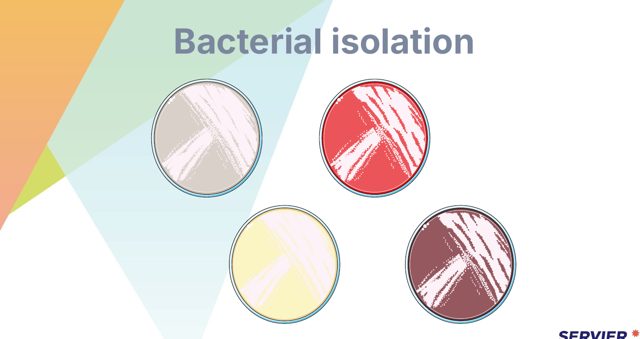
The nursing point the exam returns to: obtain the sputum culture before the first dose of antibiotic, because once the antibiotic is given the organism may not grow and the therapy cannot be targeted. Chapter 05 of Part 01 makes the same point about blood cultures — provided taking them does not delay treatment in a septic patient.
والنقطة التمريضية التي يعود إليها الامتحان: تُؤخَذ مزرعة القشع قبل أول جرعة مضاد حيوي، فبمجرّد إعطاء المضاد الحيوي قد لا ينمو الكائن ولا يمكن استهداف العلاج. والفصل الخامس من الجزء الأول يذكر النقطة نفسها عن مزارع الدم — بشرط ألّا يؤخّر أخذها العلاج لدى مريض إنتاني.
Nursing care: position upright, encourage deep breathing, coughing and incentive spirometry, mobilise early, ensure adequate hydration to loosen secretions, give analgesia so pleuritic pain does not prevent a good cough, and monitor the saturation and the work of breathing.
والرعاية التمريضية: وضعية منتصبة، وتشجيع التنفّس العميق والسعال ومقياس التنفّس التحفيزي، وتحريك مبكّر، وإماهة كافية لتليين الإفرازات، ومسكّن كي لا يمنع الألم الجنبي سعالاً جيّداً، ومراقبة التشبّع وجهد التنفّس.
2.19 · Tuberculosis: Recognition and Diagnosis٢٫١٩ · السلّ: التعرّف والتشخيص
The classic picture is a cough lasting more than two to three weeks, night sweats, weight loss, fever, fatigue, and sometimes haemoptysis. It develops slowly, which is why patients present late and why a chronic cough is asked about specifically rather than waited for.
الصورة الكلاسيكية سعال يدوم أكثر من أسبوعين إلى ثلاثة أسابيع، وتعرّق ليلي، ونقص وزن، وحمّى وتعب، ونفث دم أحياناً. ويتطوّر ببطء، ولهذا يحضر المرضى متأخّرين ولذلك يُسأل عن السعال المزمن تحديداً بدل انتظاره.
Diagnosis rests on sputum for acid-fast bacilli, conventionally three specimens collected on separate occasions with at least one early morning sample, plus culture and molecular testing, together with a chest radiograph. The Mantoux tuberculin skin test is read at 48 to 72 hours and it is the induration that is measured, not the redness — a common and consequential error.
والتشخيص يقوم على فحص القشع بحثاً عن العصيّات الصامدة للحمض، وعرفاً ثلاث عيّنات تُجمَع في مناسبات منفصلة مع عيّنة صباح باكر واحدة على الأقلّ، مع مزرعة واختبار جزيئي، إلى جانب صورة صدر. واختبار السلّين الجلدي (مانتو) يُقرأ بعد ٤٨ إلى ٧٢ ساعة ويُقاس التصلّب لا الاحمرار — وهو خطأ شائع وذو أثر.
The cut-off for a positive Mantoux depends on the patient's risk: 5 mm or more in the highest risk — HIV infection, recent close contact, immunosuppression, fibrotic changes on the film; 10 mm or more in moderate risk — recent arrivals from high-prevalence countries, healthcare workers, certain medical conditions; and 15 mm or more in a person with no risk factors. Latent infection is diagnosed when the test is positive at the cut-off for the patient's risk, the chest radiograph is clear and there are no symptoms of active disease; the 2010 Saudi guideline uses the same risk-based cut-offs.
وعتبة إيجابية اختبار مانتو تعتمد على خطر المريض: ٥ ملم فأكثر في الأعلى خطراً — عدوى فيروس النقص المناعي، ومخالطة قريبة حديثة، وكبت مناعي، وتغيّرات ليفية على الصورة؛ و١٠ ملم فأكثر في الخطر المتوسّط — القادمون حديثاً من بلدان عالية الانتشار، والعاملون الصحّيون، وحالات طبية معيّنة؛ و١٥ ملم فأكثر لدى شخص بلا عوامل خطر. وتُشخَّص العدوى الكامنة حين يكون الاختبار إيجابياً عند العتبة الموافقة لخطر المريض، مع صورة صدر نقيّة وغياب أعراض المرض الفعّال؛ ويعتمد الإرشاد السعودي لعام ٢٠١٠ العتبات القائمة على الخطر نفسها.
A previous BCG vaccination can cause a false positive, which complicates interpretation where BCG is given routinely in infancy — an interferon-gamma release assay is unaffected by BCG and is used where the skin test is hard to interpret. Latent infection means the organism is present but dormant: the patient is not infectious and has no symptoms, but may be treated to prevent later activation.
ولقاح BCG السابق قد يسبّب إيجابية كاذبة، ما يعقّد التفسير حيث يُعطى لقاح BCG روتينياً في الرضاعة — ومقايسة إطلاق إنترفيرون غاما لا تتأثّر باللقاح وتُستخدم حيث يصعب تفسير الاختبار الجلدي. والعدوى الكامنة تعني وجود الكائن خاملاً: فالمريض غير معدٍ وبلا أعراض، لكنه قد يُعالَج لمنع التنشّط لاحقاً.
2.20 · Tuberculosis: Isolation and Treatment٢٫٢٠ · السلّ: العزل والعلاج
ADHERENCE DECIDES THE OUTCOME. Treatment lasts MONTHS, the patient feels better LONG BEFORE it ends, and STOPPING EARLY is the main driver of MULTIDRUG-RESISTANT tuberculosis — which is far harder to treat and far more dangerous to everyone around him. So directly observed therapy is used where indicated, and the reason for continuing is explained in terms of resistance, not of obedience.
الالتزام يحدّد النتيجة. فالعلاج يدوم أشهراً والمريض يتحسّن قبل نهايته بكثير والإيقاف المبكّر هو المحرّك الرئيس للسلّ المتعدّد المقاومة للأدوية — وهو أصعب علاجاً بكثير وأخطر بكثير على كلّ من حول المريض. ولذلك يُستخدم العلاج تحت الإشراف المباشر حيث يُستطبّ، ويُشرح سبب المواظبة بلغة المقاومة الدوائية لا بلغة الطاعة.
First-line treatment is RIPE for an initial intensive phase followed by a continuation phase, and each drug has a nursing point. Rifampicin turns urine, sweat and tears an orange-red colour — harmless and expected, but it permanently stains soft contact lenses and it reduces the effectiveness of oral contraceptives. Isoniazid causes peripheral neuropathy, prevented by pyridoxine, vitamin B6.
وعلاج الخط الأول هو ريفامبيسين وإيزونيازيد وبيرازيناميد وإيثامبوتول (RIPE) لطور مكثّف أولي يتبعه طور استمرار، ولكلّ دواء نقطة تمريضية. فالريفامبيسين يصبغ البول والعرق والدموع بلون برتقالي محمرّ — غير ضارّ ومتوقّع، لكنه يصبغ العدسات اللاصقة اللينة بشكل دائم ويقلّل فعالية موانع الحمل الفموية. والإيزونيازيد يسبّب اعتلالاً عصبياً طرفياً يمنعه البيريدوكسين، فيتامين ب٦.
Ethambutol causes optic neuritis, so baseline and regular checks of visual acuity and red–green colour discrimination are needed, and any visual change is reported at once. Pyrazinamide raises uric acid and can precipitate gout. Isoniazid, rifampicin and pyrazinamide are hepatotoxic: monitor liver function, teach the patient to report nausea, vomiting, abdominal pain, dark urine or jaundice, and advise avoiding alcohol.
والإيثامبوتول يسبّب التهاب العصب البصري، فتلزم فحوص أساسية ومنتظمة لحدّة البصر وتمييز اللونين الأحمر والأخضر، ويُبلَّغ عن أيّ تغيّر بصري فوراً. والبيرازيناميد يرفع حمض اليوريك وقد يُحدث نقرساً. والإيزونيازيد والريفامبيسين والبيرازيناميد سامّة للكبد: تُراقَب وظيفة الكبد، ويُعلَّم المريض الإبلاغ عن غثيان أو تقيّؤ أو ألم بطني أو بول داكن أو يرقان، ويُنصَح بتجنّب الكحول.
2.21 · Pulmonary Embolism٢٫٢١ · الانصمام الرئوي
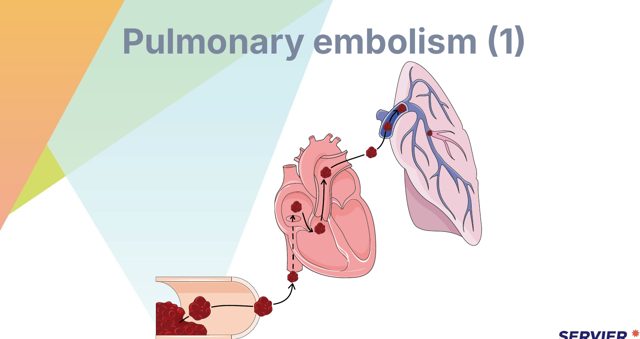
The picture is sudden: breathlessness, pleuritic chest pain, tachycardia, tachypnoea, hypoxia, anxiety, and sometimes haemoptysis or syncope. A large embolus causes hypotension and obstructive shock. Risk factors are those of venous thromboembolism from Chapter 01 — surgery, immobility, malignancy, previous clot, obesity, pregnancy and long travel.
الصورة مفاجئة: ضيق نفس وألم صدر جنبي وتسرّع نبض وتسرّع تنفّس ونقص أكسجة وقلق، ونفث دم أو إغماء أحياناً. والصمّة الكبيرة تسبّب هبوط ضغط وصدمة انسدادية. وعوامل الخطر هي عوامل الانصمام الخثاري الوريدي من الفصل الأول — الجراحة وقلّة الحركة والخباثة والخثرة السابقة والسمنة والحمل والسفر الطويل.
A D-dimer is useful mainly to rule out the diagnosis in a low-risk patient: it is sensitive but not specific, so it rises in infection, malignancy, pregnancy, trauma and after surgery. Computed tomography pulmonary angiography is the usual confirmatory test. The blood gas classically shows a respiratory alkalosis with hypoxia, because the patient hyperventilates.
والد-دايمر نافع أساساً لاستبعاد التشخيص لدى مريض منخفض الخطر: فهو حسّاس غير نوعي، فيرتفع في العدوى والخباثة والحمل والرضّ وبعد الجراحة. والتصوير المقطعي الوعائي الرئوي هو الاختبار التأكيدي المعتاد. وغازات الدم تُظهر كلاسيكياً قلاءً تنفّسياً مع نقص أكسجة، لأن المريض يفرط في التهوية.
Immediate care: sit him upright, give oxygen, obtain intravenous access and continuous monitoring, take a full set of observations, and escalate at once. The essential therapy after oxygen is anticoagulation, and in a massive embolus with haemodynamic compromise, thrombolysis or embolectomy. Prevention is the same as for deep vein thrombosis and is where nursing has the greatest effect.
والرعاية الفورية: يُجلَس المريض منتصباً، ويُعطى الأكسجين، ويُؤمَّن مدخل وريدي ومراقبة مستمرّة، وتُؤخَذ مجموعة كاملة من القياسات، ويُصعَّد الأمر فوراً. والعلاج الجوهري بعد الأكسجين العلاج بمضادّات التخثّر، وفي الصمّة الهائلة مع اختلال في ديناميكا الدم، حلّ الخثرة أو استئصال الصمّة. والوقاية كما في الخثار الوريدي العميق وهي حيث للتمريض أكبر أثر.
2.22 · Pneumothorax and Pleural Disease٢٫٢٢ · استرواح الصدر وأمراض الجنب
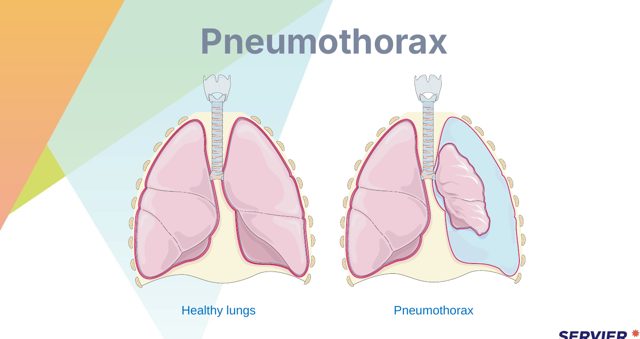
- Sudden PLEURITIC pain and breathlessness
- REDUCED or ABSENT breath sounds on the affected side
- HYPER-RESONANT percussion note
- Stable observations
- Breathlessness, and reduced breath sounds
- But a STONY DULL percussion note
- and reduced chest expansion on that side
- Fluid is dull; air is hyper-resonant — which is how percussion separates them
THORACENTESIS drains pleural fluid. Position him SITTING UP and LEANING FORWARD over a bedside table, or side-lying with the affected side UP, and instruct him to STAY STILL and NOT TO COUGH or take a deep breath during needle insertion. Afterwards, watch for pneumothorax — new breathlessness, chest pain or reduced breath sounds — and a chest X-ray is usually done.
بزل الصدر ينزح السائل الجنبي. يُوضَع المريض جالساً مائلاً للأمام على طاولة بجانب السرير، أو على جانبه والجهة المصابة لأعلى، ويُوصَى بعدم الحركة وعدم السعال أو أخذ نفس عميق أثناء إدخال الإبرة. وبعد الإجراء يُراقَب حدوث استرواح الصدر — ضيق نفس جديد أو ألم صدر أو انخفاض أصوات التنفّس — وتُجرى عادةً صورة صدر.
A tension pneumothorax is the emergency. Air enters the pleural space and cannot escape, pressure rises, the lung collapses and the mediastinum is pushed across. The signs are severe respiratory distress, absent breath sounds and hyperresonance on the affected side, distended neck veins, hypotension, and tracheal deviation away from the affected side. Treatment is immediate needle decompression followed by a chest drain — it is a clinical diagnosis and treatment is not delayed for a radiograph.
واسترواح الصدر الضاغط هو الطارئ. فالهواء يدخل الحيّز الجنبي ولا يستطيع الخروج، فيرتفع الضغط وتنخمص الرئة ويُدفَع المنصف للجهة الأخرى. والعلامات ضائقة تنفّسية شديدة، وغياب أصوات التنفّس وفرط رنين في الجانب المصاب، وانتفاخ أوردة العنق، وهبوط ضغط، وانحراف الرغامى بعيداً عن الجانب المصاب. والعلاج تخفيف الضغط فوراً بالإبرة يتبعه منزح صدري — وهو تشخيص سريري ولا يُؤخّر العلاج لصورة.
Thoracentesis drains pleural fluid. Position the patient sitting up and leaning forward over a bedside table, or side-lying with the affected side up, and instruct him to stay still and not cough or take a deep breath while the needle is in. Afterwards monitor for pneumothorax — sudden breathlessness, chest pain or falling saturation — and arrange the chest film that policy requires.
وبزل الصدر يصرّف السائل الجنبي. يُوضَع المريض جالساً مائلاً للأمام على طاولة سرير، أو على جانبه والجهة المصابة لأعلى، ويُوجَّه إلى البقاء ساكناً وعدم السعال أو أخذ نفس عميق أثناء وجود الإبرة. وبعده يُراقَب حدوث استرواح الصدر — ضيق نفس مفاجئ أو ألم صدر أو انخفاض تشبّع — ويُرتَّب إجراء صورة الصدر التي تشترطها السياسة.
2.23 · Chest Drains٢٫٢٣ · منازح الصدر
- TIDALLING — the fluid level SWINGING with respiration
- which shows the drain is PATENT
- INTERMITTENT bubbling in the water seal when an air leak is resolving
- and CONTINUOUS bubbling in the SUCTION chamber, which is just the suction working
- CONTINUOUS bubbling in the WATER SEAL — an ONGOING AIR LEAK, in the patient or the system
- NO TIDALLING — the drain is BLOCKED, KINKED, or the lung has fully re-expanded
- Sudden INCREASE in fresh blood
- Or the patient becoming breathless
Keep the drainage system below the level of the chest at all times, keep the tubing free of kinks and dependent loops, and keep a sterile occlusive dressing and clamps at the bedside. Do not clamp routinely — clamping a bubbling drain can convert a simple pneumothorax into a tension pneumothorax; clamping is brief and only for a specified purpose such as changing the unit. Do not milk or strip the tubing routinely.
يُبقى نظام التصريف تحت مستوى الصدر دائماً، وتُبقى الأنابيب خاليةً من الانثناءات والحلقات المتدلّية، ويُبقى ضماد سادّ معقّم ومشابك عند السرير. ولا يُقفَل المنزح روتينياً — فإقفال منزح تتصاعد منه الفقاعات قد يحوّل استرواح الصدر البسيط إلى استرواح الصدر الضاغط؛ والإقفال وجيز ولغرض محدّد فقط كتغيير الوحدة. ولا يُحلَب الأنبوب أو يُعصَر روتينياً.
If the tubing disconnects from the drain, place the end in a container of sterile water to re-establish a seal and call for help. If the tube comes out of the chest, cover the site immediately with a sterile dressing taped on three sides — this lets air escape on expiration but prevents it entering on inspiration — then notify urgently and monitor for tension pneumothorax.
وإن انفصل الأنبوب عن المنزح، يُوضَع طرفه في وعاء ماء معقّم لإعادة الختم وتُستدعى المساعدة. وإن خرج الأنبوب من الصدر، يُغطّى الموقع فوراً بضماد معقّم ملصق من ثلاث جهات — فذلك يتيح خروج الهواء في الزفير ويمنع دخوله في الشهيق — ثم يُبلَّغ عاجلاً ويُراقَب حدوث استرواح الصدر الضاغط.
2.24 · Other Respiratory Conditions٢٫٢٤ · حالات تنفّسية أخرى
Bronchiectasis is permanent dilation of the airways with chronic infection: copious purulent sputum, recurrent chest infections and clubbing. Care centres on airway clearance — postural drainage, breathing techniques and physiotherapy — and prompt treatment of exacerbations.
توسّع القصبات اتّساع دائم في المجاري مع عدوى مزمنة: قشع قيحي غزير وعدوى صدرية متكرّرة وتعجّر. والرعاية تتمحور حول تصريف المجرى — التصريف الوضعي وتقنيات التنفّس والعلاج الطبيعي — وعلاج التفاقمات فوراً.
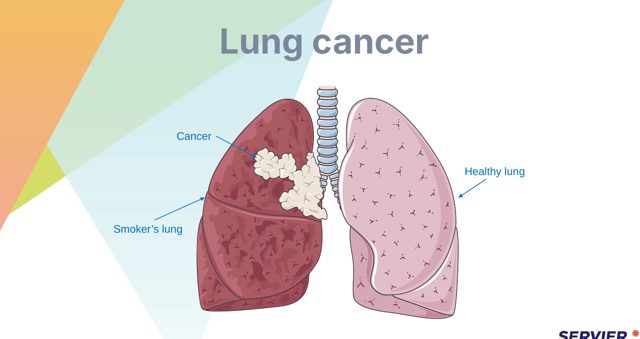
Lung cancer presents with a change in a chronic cough, haemoptysis, weight loss, chest pain, recurrent infection or hoarseness; smoking is the dominant risk. Pulmonary hypertension causes progressive breathlessness, fatigue and syncope and leads to cor pulmonale. Obstructive sleep apnoea gives snoring, witnessed apnoeas and daytime sleepiness, and is treated with weight management and CPAP.
وسرطان الرئة يتظاهر بتغيّر سعال مزمن أو نفث دم أو نقص وزن أو ألم صدر أو عدوى متكرّرة أو بحّة؛ والتدخين هو الخطر المهيمن. وارتفاع ضغط الدم الرئوي يسبّب ضيق نفس تقدّمياً وتعباً وإغماءً ويقود للقلب الرئوي. وانقطاع النفس النومي الانسدادي يعطي شخيراً وانقطاعات نفس مشاهَدة ونعاساً نهارياً، ويُعالَج بتدبير الوزن والضغط الإيجابي المستمرّ.
Occupational lung disease follows inhaled dusts and fumes — silica, asbestos, coal, grain — so the occupational history is part of a respiratory assessment, not an optional extra. Cystic fibrosis is an inherited disorder producing thick secretions in the lungs and pancreas, needing lifelong airway clearance, nutritional support and enzyme replacement.
ومرض الرئة المهني يتبع استنشاق الأغبرة والأبخرة — السيليكا والأسبستوس والفحم والحبوب — فالقصّة المهنية جزء من التقييم التنفّسي لا إضافة اختيارية. والتليّف الكيسي اضطراب موروث يُنتج إفرازات ثخينة في الرئتين والبنكرياس، ويحتاج تصريف مجرى مدى الحياة ودعماً غذائياً وتعويض إنزيمات.
2.25 · Respiratory Procedures and Drugs٢٫٢٥ · الإجراءات والأدوية التنفّسية
Bronchoscopy: fast beforehand, remove dentures, and confirm consent. Afterwards the patient stays nil by mouth until the gag reflex returns, because the throat has been anaesthetised and he will aspirate. Monitor for bleeding, laryngospasm, stridor and pneumothorax; a little blood-streaked sputum is expected after a biopsy, frank bleeding is not.
تنظير القصبات: صيام قبله، ونزع أطقم الأسنان، وتأكيد الموافقة. وبعده يبقى المريض صائماً حتى يعود منعكس التهوّع، فالحلق خُدِّر وسيحدث استنشاق. ويُراقَب النزف وتشنّج الحنجرة والصرير واسترواح الصدر؛ وقليل من القشع المخطّط بالدم متوقّع بعد خزعة، أما النزف الصريح فلا.
Pulmonary function tests distinguish obstructive from restrictive disease and track it over time. The chest radiograph remains the routine first image; ask about pregnancy before any radiograph in a woman of childbearing age.
اختبارات وظائف الرئة تميّز المرض الانسدادي من التقييدي وتتتبّعه مع الوقت. وصورة الصدر تبقى أول تصوير روتيني؛ ويُسأل عن الحمل قبل أيّ تصوير لامرأة في سنّ الإنجاب.
The drug groups. Short-acting beta agonists such as salbutamol are relievers — rapid onset, used as needed; side effects are tremor, tachycardia and hypokalaemia. Long-acting beta agonists are for maintenance and are never used alone in asthma. Anticholinergics such as ipratropium add bronchodilation, particularly in COPD. Inhaled corticosteroids are preventers — daily, not for an attack, and the mouth is rinsed afterwards.
أصناف الأدوية. فناهضات بيتا قصيرة المفعول كالسالبوتامول مسعفات — بدء سريع وتُستخدم عند الحاجة؛ وآثارها الجانبية هي الرعاش وتسرّع النبض ونقص البوتاسيوم. وناهضات بيتا طويلة المفعول للصيانة ولا تُستخدم وحدها في الربو أبداً. ومضادّات الكولين كالإيبراتروبيوم تضيف توسيعاً قصبياً، وفي الانسداد الرئوي المزمن خاصّةً. والستيرويدات المستنشقة وقائية — يومية لا لنوبة، ويُشطَف الفم بعدها.
Leukotriene receptor antagonists such as montelukast are preventers taken orally and are not rescue medication; neuropsychiatric effects have been reported and are worth asking about. Theophylline has a narrow therapeutic range: toxicity gives nausea, vomiting, tachycardia, arrhythmia and seizures, levels are monitored, and caffeine and smoking both alter them. Mucolytics thin secretions and are given alongside airway clearance rather than instead of it.
مضادّات مستقبلات اللوكوترايين كالمونتيلوكاست وقائية تُؤخذ فموياً وليست دواء إسعاف؛ وقد أُبلغ عن آثار نفسية عصبية تستحقّ السؤال عنها. والثيوفيلين نطاقه العلاجي ضيّق: فالسمّية تعطي غثياناً وتقيّؤاً وتسرّع نبض واضطراب نظم واختلاجات، وتُراقَب المستويات، والكافيين والتدخين كلاهما يغيّرها. وحالّات المخاط تخفّف الإفرازات وتُعطى إلى جانب تصريف المجرى لا بدلاً منه.
2.26 · Respiratory Health in the Saudi Setting٢٫٢٦ · الصحّة التنفّسية في السياق السعودي
MERS coronavirus is endemic to the Arabian Peninsula and presents with fever, cough and breathlessness that can progress rapidly to respiratory failure. The exposure history is what raises the suspicion: contact with camels, camel farms or racing camels, consumption of raw camel milk or undercooked camel meat, and contact with a known case — including in a healthcare setting, where transmission has occurred. Part 01 Chapter 05 sets out the isolation precautions.
فيروس كورونا المسبّب لمتلازمة الشرق الأوسط التنفّسية (ميرس) متوطّن في شبه الجزيرة العربية ويتظاهر بحمّى وسعال وضيق نفس قد يتقدّم سريعاً لفشل تنفّسي. وقصّة التعرّض هي ما يرفع الاشتباه: مخالطة الإبل أو مزارعها أو إبل السباق، وتناول حليب الإبل الخام أو لحمها غير المطهوّ جيّداً، ومخالطة حالة معروفة — بما في ذلك في بيئة الرعاية الصحية حيث حدث الانتقال. والفصل الخامس من الجزء الأول يبيّن احتياطات العزل.
Hajj and Umrah bring millions of pilgrims into dense, prolonged contact, and respiratory illness is the commonest health problem among them. Influenza, pneumonia and pertussis spread readily. Prevention rests on vaccination before travel — including the compulsory meningococcal ACWY certificate described in Part 01 Chapter 05 — hand hygiene, mask use in crowds where advised, and early presentation to the medical posts.
الحجّ والعمرة يجمعان ملايين الحجّاج في تماسّ كثيف مطوّل، والمرض التنفّسي أشيع مشكلة صحّية بينهم. فالإنفلونزا والالتهاب الرئوي والشاهوق تنتشر بسهولة. والوقاية تقوم على التطعيم قبل السفر — بما فيه شهادة المكوّرة السحائية ACWY الإلزامية الموصوفة في الفصل الخامس من الجزء الأول — ونظافة اليدين، واستخدام الكمّامة في الزحام حيث يُنصَح، والحضور المبكّر للنقاط الطبية.
Dust and sandstorms are a recognised trigger of asthma and COPD exacerbations in the region. Teach patients to check forecasts, stay indoors with windows closed during a storm, use air conditioning on recirculation, keep the reliever inhaler with them, and have a written action plan for when symptoms rise.
العواصف الترابية والرملية محفّز معروف لتفاقم الربو والانسداد الرئوي المزمن في المنطقة. يُعلَّم المرضى متابعة نشرات الطقس، والبقاء داخلاً بنوافذ مغلقة أثناء العاصفة، واستخدام التكييف على إعادة التدوير، وإبقاء البخّاخ المُسعِف معهم، ووجود خطة عمل مكتوبة تُتّبع عند اشتداد الأعراض.
Smoking, including shisha, is a major and under-recognised contributor. A shisha session delivers a large volume of smoke over a long period, and patients frequently do not consider it smoking at all — so ask about cigarettes and shisha specifically, by name, rather than asking whether the patient smokes. Tuberculosis screening is applied to expatriate workers arriving from high-prevalence countries, which is part of why the Mantoux and its interpretation appear so often in Saudi practice.
التدخين بما فيه الشيشة عامل مساهم كبير لا يحظى بالإدراك الكافي. فجلسة الشيشة تعطي حجماً كبيراً من الدخان على مدّة طويلة، وكثيراً ما لا يعدّها المرضى تدخيناً أصلاً — فيُسأل عن السجائر وعن الشيشة تحديداً بالاسم، بدلاً من السؤال عمّا إذا كان المريض يدخّن. ومسح السلّ يُطبَّق على العمالة الوافدة من بلدان عالية الانتشار، وهذا جزء من سبب تكرار ظهور مانتو وتفسيره في الممارسة السعودية.
Test yourselfالاختبار الذاتي
Loading… جارٍ التحميل…
Loading… جارٍ التحميل…
Loading… جارٍ التحميل…