اللَّهُمَّ انْفَعْنِي بِمَا عَلَّمْتَنِي، وَعَلِّمْنِي مَا يَنْفَعُنِي، وَزِدْنِي عِلْمًا“O Allah, benefit me by what You have taught me, teach me what benefits me, and increase me in knowledge.”
«رَبِّ زِدْنِي عِلْمًا»“My Lord, increase me in knowledge.” Qur’an, Ṭā-Hā 20:114 · سورة طه، الآية ١١٤
A change triggers a response that opposes it, such as blood pressure falling and heart rate rising, or glucose rising and insulin being released; it is how the body holds its internal conditions within a narrow range (homeostasis).تغيّر يُطلق استجابة تعاكسه، كهبوط ضغط الدم مع ارتفاع معدّل القلب، أو ارتفاع السكّر مع إطلاق الإنسولين؛ وبها يُبقي الجسم ظروفه الداخلية ضمن مدى ضيّق (الاتّزان الداخلي).
Compensationالمعاوضة (التعويض)
A compensating patient looks stable while working hard to stay that way; a rising respiratory rate and heart rate are the compensation, and when it fails collapse is fast.المريض المعاوض يبدو مستقراً بينما يجهد للبقاء كذلك؛ فارتفاع معدّل التنفّس ومعدّل القلب هما المعاوضة نفسها، وحين تفشل يكون الانهيار سريعاً.
Preloadالحمل القبلي
How full the ventricle is before it contracts; it is raised by fluid and venous return and lowered by bleeding, dehydration and vasodilatation.مدى امتلاء البطين قبل انقباضه؛ ويرتفع بالسوائل والعود الوريدي، وينخفض بالنزف والتجفاف وتوسّع الأوعية.
Afterloadالحمل البعدي
The resistance the ventricle must push against; it is raised by hypertension, aortic stenosis and vasoconstriction, and a failing heart is very sensitive to a rise in it.المقاومة التي يدفع البطين ضدها؛ وترتفع بارتفاع ضغط الدم وتضيّق الصمّام الأبهري وتضيّق الأوعية، والقلب الفاشل شديد الحساسية لارتفاعه.
V/Q mismatchعدم التوافق بين التهوية والإرواء (V/Q)
The commonest cause of hypoxia in hospital, in which alveoli are either ventilated but not perfused, or perfused but not ventilated (a shunt); a shunt responds poorly to oxygen.أشيع سبب لنقص الأكسجة في المستشفى، إذ تكون الأسناخ مُهوّاة وغير مُرواة، أو مُرواة وغير مُهوّاة (تحويلة)؛ وتستجيب التحويلة استجابةً ضعيفة للأكسجين.
Oncotic pressureالضغط الجرمي (الضغط الغرواني)
The pressure, mainly from albumin, that pulls water into the vessels; when albumin is low, water leaks out and oedema forms while the circulation may be underfilled.الضغط الذي يسحب الماء إلى داخل الأوعية، وأساسه الألبومين؛ وحين ينخفض الألبومين يتسرّب الماء وتتكوّن الوذمة بينما قد يكون الدوران ناقص الامتلاء.
A hormone released when the body is concentrated or volume-depleted that retains water without sodium, so too much gives a low sodium; surgery, pain, nausea and opioids all raise it.هرمون يُطلَق عند تركّز سوائل الجسم أو نقص الحجم ويحتفظ بالماء دون الصوديوم، فزيادته تعطي صوديوماً منخفضاً؛ وتزيده الجراحة والألم والغثيان والأفيونيات.
ROME (acid-base rule)قاعدة ROME (الحمض والقاعدة)
Respiratory Opposite, Metabolic Equal: in a respiratory problem the pH and the CO2 move in opposite directions, and in a metabolic one the pH and the bicarbonate move together.التنفّسي معاكس والاستقلابي متساوٍ: ففي الاضطراب التنفّسي يتحرّك الرقم الهيدروجيني وثاني أكسيد الكربون في اتجاهين متعاكسين، وفي الاضطراب الاستقلابي يتحرّك الرقم الهيدروجيني والبيكربونات معاً في الاتجاه نفسه.
Cushing responseاستجابة كوشينغ
Rising blood pressure with a widening pulse pressure, a falling heart rate and irregular breathing; it is a late, pre-terminal sign of raised intracranial pressure, not an early warning.ارتفاع ضغط الدم مع اتّساع ضغط النبض وبطء القلب وتنفّس غير منتظم؛ وهي علامة متأخرة تسبق المرحلة النهائية لارتفاع الضغط داخل القحف، وليست إنذاراً مبكراً.
Sepsisالإنتان
A dysregulated systemic response to infection causing life-threatening organ dysfunction, in which vasodilatation and capillary leak drop the pressure; an older patient may present with confusion and no fever at all.استجابة جهازية مضطربة للعدوى تسبّب خللاً مهدِّداً للحياة في وظائف الأعضاء، إذ يؤدّي توسّع الأوعية وتسرّب الشعريات إلى هبوط الضغط؛ وقد يتظاهر المريض المسنّ بتشوّش دون حمّى إطلاقاً.
First-pass metabolismاستقلاب المرور الأول
An oral drug passes through the liver before reaching the circulation and much of it may be destroyed, which is why oral and intravenous doses of the same drug differ so much, morphine being the classic example.يمرّ الدواء الفموي بالكبد قبل بلوغ الدوران وقد يُدمَّر كثير منه، ولهذا تختلف الجرعتان الفموية والوريدية للدواء نفسه كثيراً، والمورفين مثال كلاسيكي على ذلك.
Half-lifeنصف العمر
The time for a drug concentration to halve; steady state takes about four to five half-lives, which is how long a change of dose takes to show its full effect and how long a drug takes to clear.الزمن اللازم لينخفض تركيز الدواء إلى النصف؛ وتحتاج الحالة المستقرّة نحو أربعة إلى خمسة أنصاف عمر، وهي المدّة التي يستغرقها تغيير الجرعة ليُظهر أثره الكامل، والمدّة التي يستغرقها الدواء ليُطرَح من الجسم.
Explain homeostasis and negative feedback, and why compensation hides deterioration.
شرح الاتّزان الداخلي والتغذية الراجعة السالبة ولماذا تُخفي المعاوضة التدهور.
2
Describe cardiac output and the four things that change it.
وصف النتاج القلبي والعوامل الأربعة التي تغيّره.
3
Explain preload, afterload and contractility in terms a patient can be assessed by.
شرح الحمل القبلي والبعدي والانقباضية بما يمكن تقييم المريض به.
4
Describe ventilation, diffusion and perfusion, and where each can fail.
وصف التهوية والانتشار والإرواء وأين يخفق كلّ منها.
5
Interpret the oxyhaemoglobin dissociation curve and what shifts it.
تفسير منحنى تفكّك الأوكسيهيموغلوبين وما يُزيحه.
6
Explain how the kidney regulates fluid, sodium, potassium and blood pressure.
شرح كيف تنظّم الكلية السوائل والصوديوم والبوتاسيوم وضغط الدم.
7
Describe the movement of fluid between compartments and name the forces involved.
وصف حركة السائل بين الحجرات وتسمية القوى المشاركة.
8
Interpret a simple acid-base picture and name the compensating system.
تفسير صورة حمضية قاعدية بسيطة وتسمية الجهاز المعاوض.
9
Explain intracranial pressure and why a small volume change matters so much.
شرح الضغط داخل القحف ولماذا يهمّ تغيّر حجم صغير كثيراً.
10
Name the major hormones a nurse must understand and what each controls.
تسمية الهرمونات الكبرى التي ينبغي فهمها في الممارسة التمريضية وما يضبطه كلّ منها.
11
Describe first-pass metabolism, half-life and why route changes dose.
وصف استقلاب المرور الأول ونصف العمر ولماذا يغيّر الطريق الجرعة.
12
Explain the chain of infection and where nursing action breaks it.
شرح سلسلة العدوى وأين يكسرها الإجراء التمريضي.
13
Distinguish innate from adaptive immunity and the four hypersensitivity types.
تمييز المناعة الفطرية عن المكتسبة وأنماط فرط الحساسية الأربعة.
14
Describe the inflammatory response and how it becomes sepsis.
وصف الاستجابة الالتهابية وكيف تصير إنتاناً.
15
Explain wound healing and the factors that impair it.
شرح التئام الجرح والعوامل التي تعيقه.
16
Relate the physiology of ageing to the nursing risks it creates.
ربط فيزيولوجيا الشيخوخة بالمخاطر التمريضية التي تُحدثها.
2
8.1 · Homeostasis and Negative Feedback٨٫١ · الاتّزان الداخلي والتغذية الراجعة السالبة
1
HOMEOSTASIS
The body holds its internal conditions within a narrow range — temperature, pH, glucose, sodium, volume. Illness is what happens when that control fails or is overwhelmed.
الاتّزان الداخلي: يُبقي الجسم ظروفه الداخلية ضمن مدى ضيّق — درجة الحرارة والرقم الهيدروجيني والسكّر والصوديوم والحجم. والمرض ما يحدث حين يخفق هذا الضبط أو يُغلَب.
2
NEGATIVE FEEDBACK
A change triggers a response that OPPOSES it. Blood pressure falls → heart rate rises. Glucose rises → insulin is released. Most physiology works this way.
التغذية الراجعة السالبة: التغيّر يُطلق استجابة تعاكسه. فإذا هبط ضغط الدم ارتفع معدّل القلب، وإذا ارتفع السكّر أُطلق الإنسولين. ومعظم الفيزيولوجيا تعمل بهذه الطريقة.
3
COMPENSATION HIDES DETERIORATION
A compensating patient looks stable while working hard to stay that way. A rising respiratory rate and a rising heart rate ARE the compensation. When they finally fail, collapse is fast.
المعاوضة تُخفي التدهور: المريض المعاوض يبدو مستقرّاً بينما يجهد للبقاء كذلك. فارتفاع معدّل التنفّس وارتفاع معدّل القلب هما المعاوضة نفسها. وحين تخفق أخيراً يكون الانهيار سريعاً.
4
POSITIVE FEEDBACK
Rarer — the response AMPLIFIES the change. Oxytocin in labour, and clotting. Useful when it must end in an event; dangerous when it runs away, as in shock.
التغذية الراجعة الموجبة: أندر — الاستجابة تضخّم التغيّر. ومن أمثلتها الأوكسيتوسين في المخاض وتخثّر الدم. وهي نافعة حين يجب أن تنتهي بحدث، وخطرة حين تنفلت كما في الصدمة.
This is the single most useful idea in the whole of basic science for a nurse. Normal observations in a patient who is visibly working hard do not mean he is well — they mean he is compensating, and compensation has a limit.
هذه أنفع فكرة في العلوم الأساسية كلّها للممارسة التمريضية. فالقياسات الطبيعية في مريض يجهد بوضوح لا تعني أنه بخير — بل تعني أنه يعاوض وللمعاوضة حدّ.
🔑
Memory aid
مفتاح للحفظ
Normal numbers + a patient who looks unwell = compensation, not stability.
قياسات طبيعية + مريض يبدو متوعّكاً = معاوضة لا استقرار.
About 5 litres a minute in an adult at rest. If stroke volume falls, the rate rises to defend the output — which is why tachycardia is an early sign of almost everything.
النتاج القلبي = معدّل القلب × حجم الضربة، نحو ٥ لترات في الدقيقة لدى البالغ في الراحة. وإذا هبط حجم الضربة ارتفع المعدّل دفاعاً عن النتاج — ولهذا يُعدّ تسرّع القلب علامة مبكرة في كل شيء تقريباً.
2
PRELOAD — the filling
How full the ventricle is before it contracts. Raised by fluid and by venous return; lowered by bleeding, dehydration, vasodilatation and high intrathoracic pressure.
الحمل القبلي — الامتلاء: مدى امتلاء البطين قبل انقباضه. يرتفع بالسوائل وبالعود الوريدي، وينخفض بالنزف والتجفاف وتوسّع الأوعية وارتفاع الضغط داخل الصدر.
3
AFTERLOAD — the resistance
What the ventricle must push against. Raised by hypertension, aortic stenosis and vasoconstriction. A failing heart is very sensitive to a rise in afterload.
الحمل البعدي — المقاومة: ما يجب أن يدفع البطين ضدّه. يرتفع بارتفاع ضغط الدم وتضيّق الصمّام الأبهري وتضيّق الأوعية. والقلب الفاشل شديد الحساسية لارتفاع الحمل البعدي.
4
CONTRACTILITY — the squeeze
The force of contraction independent of filling. Reduced by ischaemia, acidosis, hypoxia and some drugs; increased by inotropes.
Up to a point, more stretch gives a stronger contraction. Beyond that point more filling makes things WORSE — which is why fluid can help one patient and drown another.
ستارلنغ: حتّى حدّ ما يعطي التمدّد الأكبر انقباضاً أقوى، وبعده يزيد الامتلاء الأمر سوءاً — ولهذا قد تنفع السوائل مريضاً وتُغرق آخر.
Right ventricular infarction is preload-dependent — nitrates, diuretics and morphine drop the preload and can cause profound hypotension. Check for right ventricular involvement in an inferior infarct BEFORE giving a nitrate.
احتشاء البطين الأيمن يعتمد على الحمل القبلي — فالنترات والمدرّات والمورفين تُنقص الحمل القبلي وقد تسبّب هبوطاً شديداً في ضغط الدم. ويجب التحقّق من إصابة البطين الأيمن في الاحتشاء السفلي قبل إعطاء النترات.
🔑
Memory aid
مفتاح للحفظ
Preload = how full. Afterload = how hard to push. Contractility = how strong the squeeze.
8.3 · Ventilation, Diffusion and Perfusion٨٫٣ · التهوية والانتشار والإرواء
1
VENTILATION — air moving in and out
Fails with a blocked airway, weak muscles, a depressed drive, or pain preventing a deep breath. Failure of ventilation raises the CARBON DIOXIDE.
التهوية — حركة الهواء دخولاً وخروجاً: تخفق بانسداد المجرى الهوائي أو ضعف العضلات أو تثبيط الدافع أو ألم يمنع أخذ نفس عميق. وإخفاق التهوية يرفع ثاني أكسيد الكربون.
2
DIFFUSION — gas crossing the membrane
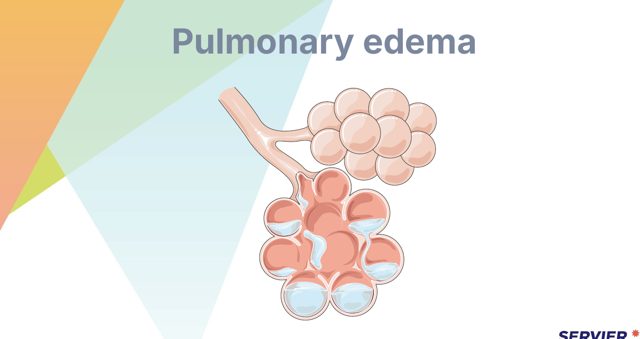
Fails when the membrane is thickened or flooded — pneumonia, oedema, fibrosis. Affects OXYGEN first, because it diffuses less readily than carbon dioxide.
الانتشار — عبور الغاز الغشاء: يخفق حين يثخن الغشاء أو يغمره السائل — كما في الالتهاب الرئوي والوذمة والتليّف. ويتأثّر الأكسجين أوّلاً لأنه ينتشر بسهولة أقلّ من ثاني أكسيد الكربون.
3
PERFUSION — blood reaching the alveoli
Fails in pulmonary embolism and in shock. Ventilated alveoli with no blood supply are dead space — air moves but no gas is exchanged.
الإرواء — وصول الدم للأسناخ: يخفق في الصمّة الرئوية والصدمة. والأسناخ المهوّاة التي لا يصلها دم هي حيّز ميت — يتحرّك الهواء دون تبادل غازي.
4
V/Q MISMATCH
The commonest cause of hypoxia in hospital. Either alveoli are ventilated but not perfused, or perfused but not ventilated (a SHUNT). A shunt responds poorly to oxygen.
عدم تطابق التهوية والإرواء: أشيع سبب لنقص الأكسجة في المستشفى. فإمّا أن تكون الأسناخ مهوّاة وغير مرواة، أو مرواة وغير مهوّاة (تحويلة). وتستجيب التحويلة للأكسجين استجابة ضعيفة.
Saturation measures oxygenation only. A patient can have a normal saturation and be failing to ventilate — retaining carbon dioxide and becoming drowsy. That is why a blood gas measures what the oximeter cannot.
التشبّع يقيس الأكسجة فقط. فقد يكون تشبّع المريض طبيعياً وهو يخفق في التهوية — يحتبس ثاني أكسيد الكربون ويصير ناعساً. ولهذا يقيس تحليل غازات الدم ما لا يستطيع مقياس التشبّع قياسه.
🔑
Memory aid
مفتاح للحفظ
Ventilation problem → CO2 rises. Diffusion or perfusion problem → oxygen falls first.
مشكلة تهوية ← يرتفع ثاني أكسيد الكربون. مشكلة انتشار أو إرواء ← يهبط الأكسجين أوّلاً.
Pulmonary oedema: a bronchiole ending in two clusters of alveoli, one seen from outside and one cut open to show fluid filling the alveoliالوذمة الرئوية: قُصيبة تنتهي بعنقودين من الأسناخ الرئوية، أحدهما يظهر من الخارج والآخر مقطوع ليُظهر السائل وهو يملأ الأسناخServier Medical Art · CC BY 4.0
5
8.4 · Oxygen Carriage and the Dissociation Curve٨٫٤ · نقل الأكسجين ومنحنى التفكّك
1
MOST OXYGEN TRAVELS ON HAEMOGLOBIN
Only a very small amount is dissolved. So anaemia reduces oxygen DELIVERY even when the saturation reads 100% — there is simply less carrier.
معظم الأكسجين ينتقل على الهيموغلوبين، وكمّية ضئيلة جداً فقط منحلّة. ولهذا يقلّل فقر الدم توصيل الأكسجين حتّى حين يقرأ التشبّع ١٠٠٪ — إذ يوجد ببساطة ناقل أقلّ.
2
DELIVERY = CONTENT x CARDIAC OUTPUT
Three ways delivery fails: not enough oxygen on the blood, not enough haemoglobin, or not enough flow. Saturation only tells you about the first.
التوصيل = المحتوى × النتاج القلبي، ويخفق بثلاث طرق: أكسجين غير كافٍ في الدم، أو هيموغلوبين غير كافٍ، أو جريان غير كافٍ. ولا يدلّ التشبّع إلا على الطريقة الأولى.
3
RIGHT SHIFT — oxygen released MORE easily
Caused by heat, acidosis, high CO2 and raised 2,3-DPG. This is the tissue during exercise or sepsis, and it is helpful — the blood gives oxygen up where it is needed.
الإزاحة يميناً — تحرّر الأكسجين بسهولة أكبر: بالحرارة والحماض وارتفاع ثاني أكسيد الكربون وارتفاع 2,3-DPG. وهذا ما يحدث في النسيج أثناء الجهد أو الإنتان، وهو مفيد — فالدم يُطلق الأكسجين حيث يُحتاج إليه.
4
LEFT SHIFT — oxygen held on MORE tightly
Caused by cold, alkalosis and low CO2, and by stored blood. The blood carries oxygen but is reluctant to release it.
الإزاحة يساراً — تشبّث أشدّ بالأكسجين: بالبرودة والقلاء وانخفاض ثاني أكسيد الكربون، وبالدم المخزّن. فالدم يحمل الأكسجين لكنه لا يُطلقه بسهولة.
5
THE STEEP PART MATTERS
Above about 90% saturation the curve is flat — big changes in oxygen make little change in saturation. Below 90% it falls steeply, so a small further drop causes a large fall in content.
الجزء الشديد الانحدار يهمّ: فوق نحو ٩٠٪ من التشبّع يكون المنحنى مسطّحاً — فالتغيّرات الكبيرة في الأكسجين لا تُحدث إلا تغيّراً طفيفاً في التشبّع. وتحت ٩٠٪ ينحدر بشدّة، فيسبّب أيّ هبوط إضافي صغير هبوطاً كبيراً في المحتوى.
Carbon monoxide binds haemoglobin far more avidly than oxygen and the pulse oximeter cannot tell them apart — the saturation reads normal or high while the patient is profoundly hypoxic.
أوّل أكسيد الكربون يرتبط بالهيموغلوبين بقوة أكبر بكثير من الأكسجين ولا يميّزهما مقياس التشبّع — فيقرأ التشبّع طبيعياً أو مرتفعاً بينما يعاني المريض نقص أكسجة شديداً.
🔑
Memory aid
مفتاح للحفظ
Hot, acid and high CO2 push oxygen OFF (right). Cold, alkaline and low CO2 hold it ON (left).
الحرارة والحموضة وارتفاع ثاني أكسيد الكربون تدفع الأكسجين للخارج (يميناً)، والبرودة والقلاء وانخفاض ثاني أكسيد الكربون تُبقيه (يساراً).
6
8.5 · Fluid Compartments and the Forces That Move Water٨٫٥ · حجرات السوائل والقوى التي تحرّك الماء
1
TWO THIRDS INSIDE THE CELLS
Total body water is about 60% of body weight. Two thirds is intracellular; of the remaining third, about a quarter is in the vessels and three quarters between the cells.
ثلثان داخل الخلايا: ماء الجسم الكلّي نحو ٦٠٪ من وزن الجسم؛ ثلثاه داخل الخلايا، ومن الثلث الباقي نحو الربع داخل الأوعية وثلاثة أرباعه بين الخلايا.
2
HYDROSTATIC PRESSURE pushes water OUT
The pressure of blood in the capillary. Raised in heart failure and fluid overload — which is why oedema forms.
الضغط الهيدروستاتيكي يدفع الماء للخارج: وهو ضغط الدم داخل الشعرية. ويرتفع في قصور القلب وفرط حجم السوائل — ولهذا تتكوّن الوذمة.
3
ONCOTIC PRESSURE pulls water IN
Mainly albumin. When albumin is low — liver disease, malnutrition, and in some patients nephrotic syndrome — water leaks out and oedema forms, and the circulation may be UNDERFILLED.
الضغط الجرمي يسحب الماء للداخل، وأساسه الألبومين. وحين ينخفض الألبومين — كما في مرض الكبد وسوء التغذية وبعض حالات المتلازمة الكلائية — يتسرّب الماء إلى الخارج وتتكوّن الوذمة، وقد يكون الدوران ناقص الامتلاء.
4
THIRD SPACING
Fluid trapped where it does no circulatory good — the gut lumen in obstruction, the peritoneum in ascites, burnt tissue. The patient is oedematous and intravascularly DRY at the same time.
الحيّز الثالث: سائل محتجز حيث لا ينفع الدوران — كلمعة الأمعاء في الانسداد والصفاق في الحبن والنسيج المحروق. ويكون المريض مصاباً بالوذمة وناقص السوائل داخل الأوعية في آنٍ واحد.
5
TONICITY
Isotonic fluid stays in the compartment it is given to. Hypotonic fluid moves INTO cells. Hypertonic fluid pulls water OUT of cells. This is why fluid choice matters.
التوتّر: السائل متساوي التوتّر يبقى في الحجرة التي يُعطى فيها، والسائل ناقص التوتّر ينتقل إلى داخل الخلايا، والسائل مفرط التوتّر يسحب الماء من الخلايا. ولهذا يهمّ اختيار السائل.
An oedematous patient is not necessarily fluid overloaded. In third spacing and in low albumin, the tissues are wet and the circulation can be empty — and the treatment for one is the opposite of the treatment for the other.
المريض الوذمي ليس بالضرورة محمّلاً بالسوائل. ففي الحيّز الثالث ونقص الألبومين تكون الأنسجة رطبة وقد يكون الدوران فارغاً — وعلاج أحدهما عكس علاج الآخر.
🔑
Memory aid
مفتاح للحفظ
Hydrostatic pushes OUT, oncotic pulls IN. Low albumin = leaky and often underfilled.
8.6 · The Kidney — Volume, Sodium, Potassium and Pressure٨٫٦ · الكلية — الحجم والصوديوم والبوتاسيوم والضغط
1
FILTER, THEN RECLAIM
The glomerulus filters a large volume; the tubule reclaims what the body needs. Almost all the filtered sodium, water and glucose is reabsorbed.
ترشيح ثم استرجاع: الكبيبة ترشّح حجماً كبيراً والنبيب يسترجع ما يحتاجه الجسم. ويُعاد امتصاص الصوديوم والماء والغلوكوز المرشَّحة تقريباً كلّها.
2
ADH — water
Released when the body is concentrated or volume-depleted. It retains WATER without sodium — so too much ADH gives a LOW sodium. Surgery, pain, nausea and opioids all raise it.
الهرمون المضادّ للإدرار — الماء: يُفرَز حين تتركّز سوائل الجسم أو ينقص الحجم. ويحتفظ بالماء دون الصوديوم — فزيادته تعطي صوديوماً منخفضاً. والجراحة والألم والغثيان والأفيونيات ترفعه جميعاً.
3
ALDOSTERONE — sodium and potassium
Retains SODIUM and water, and excretes POTASSIUM. Too much gives a high sodium and a low potassium; too little (Addison) gives the reverse.
الألدوستيرون — الصوديوم والبوتاسيوم: يحتفظ بالصوديوم والماء ويطرح البوتاسيوم. وفرطه يعطي صوديوماً مرتفعاً وبوتاسيوماً منخفضاً، ونقصه (داء أديسون) يعطي العكس.
4
RENIN-ANGIOTENSIN
Falling renal perfusion releases renin → angiotensin II → vasoconstriction and aldosterone → pressure and volume restored. ACE inhibitors and ARBs block this pathway.
الرينين-أنجيوتنسين: هبوط الإرواء الكلوي يُطلق الرينين ← أنجيوتنسين II ← تضيّق وعائي وألدوستيرون ← استعادة الضغط والحجم. ومثبّطات الإنزيم المحوّل للأنجيوتنسين (ACE) وحاصرات مستقبلات الأنجيوتنسين (ARBs) تُعطّل هذا المسار.
5
ERYTHROPOIETIN and VITAMIN D
The kidney also drives red cell production and activates vitamin D — which is why chronic kidney disease causes anaemia and bone disease.
الإريثروبويتين وفيتامين د: تحفّز الكلية أيضاً إنتاج الكريات الحمر وتفعّل فيتامين د — ولهذا يسبّب مرض الكلى المزمن فقر الدم ومرض العظام.
Urine output is the cheapest measure of renal perfusion there is — and about 0.5 mL/kg/h is the usual floor in an adult. A falling output is an early sign that the circulation is failing, well before the pressure drops.
حجم البول أرخص قياس للإرواء الكلوي — ونحو ٠٫٥ مل/كغ/ساعة الحدّ الأدنى المعتاد في البالغ. وانخفاض الحجم علامة مبكرة على إخفاق الدوران، قبل هبوط الضغط بوقت طويل.
8.7 · Acid-Base — Reading a Simple Gas٨٫٧ · الحمض والقاعدة — قراءة غازات دم بسيطة
1
THE LUNG IS FAST, THE KIDNEY IS SLOW
The lung compensates in minutes by changing ventilation; the kidney takes HOURS TO DAYS by handling bicarbonate. Which one is compensating tells you how long this has been going on.
الرئة سريعة والكلية بطيئة: الرئة تعاوض خلال دقائق بتغيير التهوية، والكلية تحتاج ساعات إلى أيام بمعالجة البيكربونات. ومعرفة أيّ منهما تعاوض تدلّ على مدّة استمرار الحالة.
2
ROME
Respiratory OPPOSITE, Metabolic EQUAL. In a respiratory problem the pH and the CO2 move in opposite directions; in a metabolic one the pH and the bicarbonate move together.
روم: التنفّسي معاكس والاستقلابي متساوٍ. ففي المشكلة التنفّسية يتحرّك الرقم الهيدروجيني (pH) وثاني أكسيد الكربون في اتجاهين متعاكسين، وفي المشكلة الاستقلابية يتحرّك الرقم الهيدروجيني والبيكربونات معاً في الاتجاه نفسه.
3
RESPIRATORY ACIDOSIS
CO2 up, pH down — the patient is not ventilating. Opioids, exhaustion, airway obstruction, neuromuscular weakness. The answer is ventilation, not oxygen alone.
الحماض التنفّسي: ثاني أكسيد الكربون مرتفع والرقم الهيدروجيني منخفض — المريض لا يهوّي. ومن أسبابه الأفيونيات والإرهاق وانسداد المجرى الهوائي والضعف العصبي العضلي. والحلّ هو التهوية لا الأكسجين وحده.
4
METABOLIC ACIDOSIS
Bicarbonate down, pH down. A RAISED anion gap means acid has been ADDED — ketones, lactate, renal failure, poisoning. A NORMAL gap means bicarbonate has been LOST — diarrhoea or renal tubular loss.
الحماض الاستقلابي: البيكربونات منخفضة والرقم الهيدروجيني منخفض. والفجوة الأنيونية المرتفعة تعني أن حمضاً قد أُضيف — كالكيتونات واللاكتات والقصور الكلوي والتسمّم. والفجوة الطبيعية تعني أن البيكربونات قد فُقدت — بالإسهال أو بالفقد النبيبي الكلوي.
5
KUSSMAUL BREATHING
Deep, rapid, sighing breaths blowing off CO2 to compensate for a metabolic acidosis. It is compensation, not the problem — do not sedate it.
تنفّس كوسماول: أنفاس عميقة سريعة متنهّدة تطرد ثاني أكسيد الكربون لمعاوضة حماض استقلابي. وهي معاوضة لا المشكلة نفسها — ولا ينبغي تهدئتها بالمهدّئات.
Lactate is the most useful single number in the deteriorating patient. It rises when tissues are not receiving enough oxygen — often before the blood pressure falls — and a rising lactate despite treatment is a warning that the treatment is not working.
اللاكتات أنفع رقم مفرد في المريض المتدهور. ترتفع حين لا تتلقّى الأنسجة أكسجيناً كافياً — غالباً قبل هبوط الضغط — وارتفاع اللاكتات رغم العلاج إنذار بأن العلاج لا ينجح.
🔑
Memory aid
مفتاح للحفظ
ROME — Respiratory Opposite, Metabolic Equal. Then ask: is anything compensating?
روم — التنفّسي معاكس والاستقلابي متساوٍ. ثم يُسأل: هل يعاوض شيء؟
9
8.8 · The Nervous System and Intracranial Pressure٨٫٨ · الجهاز العصبي والضغط داخل القحف
1
THE SKULL IS A CLOSED BOX
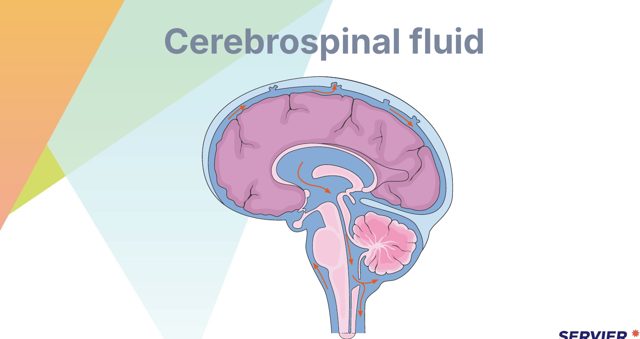
Brain, blood and cerebrospinal fluid share a fixed volume. A little extra can be absorbed by shifting CSF and blood out; after that, pressure rises very steeply for a very small further volume.
الجمجمة صندوق مغلق: يتشارك الدماغ والدم والسائل الدماغي الشوكي حجماً ثابتاً. ويمكن استيعاب قدر قليل إضافي بإزاحة السائل الدماغي الشوكي والدم إلى الخارج؛ وبعد ذلك يرتفع الضغط ارتفاعاً شديد الانحدار لأيّ زيادة صغيرة أخرى في الحجم.
2
CEREBRAL PERFUSION
Perfusion pressure = mean arterial pressure MINUS intracranial pressure. So hypotension is as dangerous as a rising ICP — both starve the brain.
ضغط الإرواء الدماغي = متوسّط الضغط الشرياني ناقص الضغط داخل القحف. ولذلك فهبوط الضغط خطر بقدر ارتفاع الضغط داخل القحف — فكلاهما يجوّع الدماغ.
3
CO2 IS A POWERFUL CEREBRAL VASODILATOR
A rising CO2 dilates cerebral vessels and raises ICP. This is why hypoventilation, a tight tube tie, coughing and neck flexion all make it worse.
ثاني أكسيد الكربون موسّع وعائي دماغي قويّ، فارتفاعه يوسّع الأوعية الدماغية ويرفع الضغط داخل القحف. ولهذا يزيده سوءاً نقص التهوية وشدّ ربطة الأنبوب والسعال وثني العنق.
4
CUSHING RESPONSE — LATE
Rising blood pressure with a WIDENING pulse pressure, a FALLING heart rate and irregular breathing.It is a pre-terminal sign, not an early warning.
استجابة كوشينغ — متأخّرة: ارتفاع الضغط مع اتّساع فرق النبض وبطء القلب وتنفّس غير منتظم. وهي علامة ما قبل النهائية وليست إنذاراً مبكّراً.
5
THE MOTOR SCORE
Carries the most prognostic weight in the Glasgow Coma Scale, and a fall of two points or more is significant. Sedation masks the whole examination.
درجة الحركة: الأثقل وزناً تنبّؤياً في مقياس غلاسكو للغيبوبة، وانخفاض نقطتين أو أكثر ذو دلالة. والتهدئة الدوائية تحجب الفحص كلّه.
Nurse the head up, the neck neutral and the tube tie loose, and treat pain, fever and hypoxia — because everything that raises venous pressure or CO2 raises the intracranial pressure with it.
يُوضَع الرأس مرفوعاً ويُبقى العنق في وضع محايد وتُترك ربطة الأنبوب مرتخية ويُعالَج الألم والحمّى ونقص الأكسجة — لأن كل ما يرفع الضغط الوريدي أو ثاني أكسيد الكربون يرفع الضغط داخل القحف معه.
🔑
Memory aid
مفتاح للحفظ
Head up, neck straight, tie loose, CO2 normal, pressure adequate.
رأس مرفوع وعنق مستقيم وربطة مرتخية وثاني أكسيد الكربون طبيعي وضغط كافٍ.
Circulation of cerebrospinal fluid, mid-sagittal section of the brain and upper spinal cord: the fluid (blue) flows from the ventricles into the subarachnoid space around the brain and spinal cord and is reabsorbed at the top of the head (arrows)دوران السائل الدماغي الشوكي في مقطع سهمي ناصف للدماغ والجزء العلوي من الحبل الشوكي: يجري السائل (بالأزرق) من البطينات إلى الحيّز تحت العنكبوتي المحيط بالدماغ والحبل الشوكي، ثم يُعاد امتصاصه في أعلى الرأس (الأسهم)Servier Medical Art · CC BY 4.0
Skin, mucous membranes, cilia, stomach acid, neutrophils and the inflammatory response. It acts within minutes and does not remember.
الفطرية — سريعة وغير نوعية: الجلد والأغشية المخاطية والأهداب وحمض المعدة والعدلات والاستجابة الالتهابية. وتعمل خلال دقائق ولا تتذكّر.
2
ADAPTIVE — slow, specific and REMEMBERS
B cells make antibody; T cells kill infected cells and direct the response. Memory is why vaccination works and why a second exposure is faster.
المكتسبة — بطيئة ونوعية وتتذكّر: الخلايا البائية تصنع الأضداد، والخلايا التائية تقتل الخلايا المصابة وتوجّه الاستجابة. والذاكرة هي سبب نجاح التطعيم وسبب أن التعرّض الثاني أسرع.
3
THE FOUR HYPERSENSITIVITIES
Type I immediate — anaphylaxis, IgE, within minutes. Type II antibody against cells — transfusion reaction. Type III immune complex — serum sickness, lupus. Type IV DELAYED, T-cell — contact dermatitis, the Mantoux test, at 48 to 72 hours.
أنماط فرط الحساسية الأربعة: النمط الأول فوري، يتوسّطه الغلوبولين المناعي E (IgE)، ويحدث خلال دقائق — كالتأق. والنمط الثاني أضداد موجّهة ضدّ الخلايا — كتفاعل نقل الدم. والنمط الثالث معقّدات مناعية — كداء المصل والذئبة. والنمط الرابع متأخّر بوساطة الخلايا التائية — كالتهاب الجلد التماسي واختبار المانتو بعد ٤٨ إلى ٧٢ ساعة.
4
INFLAMMATION
Redness, heat, swelling, pain and loss of function — the result of vasodilatation and increased permeability bringing cells and plasma to the site. Useful locally; dangerous when it becomes systemic.
الالتهاب: احمرار وحرارة وتورّم وألم وفقد الوظيفة — نتيجة توسّع الأوعية وزيادة نفوذيتها فتصل الخلايا والبلازما إلى الموضع. وهو نافع موضعياً وخطر حين يصير جهازياً.
5
SEPSIS
A dysregulated systemic response to infection causing life-threatening organ dysfunction. Vasodilatation and capillary leak drop the pressure; the older patient may present with confusion and no fever at all.
الإنتان: استجابة جهازية مضطربة للعدوى تسبّب خللاً مهدّداً للحياة في وظائف الأعضاء. ويؤدّي توسّع الأوعية وتسرّب الشعريات إلى هبوط الضغط؛ وقد يتظاهر المسنّ بتشوّش ودون حمّى إطلاقاً.
The immunosuppressed patient cannot mount the signs you rely on. Neutropenic sepsis may present with a fever and nothing else, or with no fever at all — and it is a medical emergency requiring antibiotics within the hour.
المريض المثبّط مناعياً لا يستطيع إبداء العلامات التي يُعتمد عليها. فالإنتان بنقص العدلات قد يظهر بحمّى فقط، أو بلا حمّى إطلاقاً — وهو طارئ طبي يستدعي إعطاء المضادّات الحيوية خلال ساعة.
🔑
Memory aid
مفتاح للحفظ
I immediate, II cytotoxic, III complexes, IV delayed. "ACID" — Anaphylaxis, Cytotoxic, Immune complex, Delayed.
8.10 · Microbiology and the Chain of Infection٨٫١٠ · علم الأحياء الدقيقة وسلسلة العدوى
1
THE SIX LINKS
Agent, reservoir, portal of exit, mode of transmission, portal of entry, susceptible host.Breaking ANY ONE link stops the infection — and hand hygiene breaks the commonest one.
الحلقات الستّ: العامل والمستودع ومنفذ الخروج وطريق الانتقال ومنفذ الدخول والمضيف القابل للإصابة. وكسر أيّ حلقة واحدة يوقف العدوى — ونظافة اليدين تكسر أشيعها.
2
COLONISATION IS NOT INFECTION
Organisms present without causing disease. Treating colonisation drives resistance without helping the patient — asymptomatic bacteriuria in a catheterised patient is the classic example.
الاستعمار ليس عدوى: كائنات دقيقة موجودة دون إحداث مرض. وعلاج الاستعمار يدفع المقاومة دون أن ينفع المريض — والبيلة الجرثومية اللاعرضية لدى مريض مزوّد بقسطرة بولية هي المثال الكلاسيكي.
3
TRANSMISSION ROUTES
Contact (direct and indirect), droplet (large, short range), airborne (small, remain suspended), and vehicle or vector. The route decides the precautions.
طرق الانتقال: التماس (المباشر وغير المباشر)، والرذاذ (جسيمات كبيرة قصيرة المدى)، والهوائي (جسيمات صغيرة تبقى معلّقة)، والوسيط أو الناقل. وطريق الانتقال هو الذي يحدّد الاحتياطات.
4
AIRBORNE NEEDS A RESPIRATOR
Tuberculosis, measles and varicella need a fit-tested respirator and a negative-pressure room where available. A surgical mask is not sufficient.
الهوائي يحتاج قناعاً تنفّسياً: السلّ والحصبة والحماق تحتاج قناعاً تنفّسياً مُختبَر الملاءمة وغرفة سالبة الضغط حيثما توفّرت. والكمّامة الجراحية لا تكفي.
5
ANTIMICROBIAL RESISTANCE
Driven by unnecessary prescribing, incomplete courses and shared or saved antibiotics. Nursing action — explaining, checking completion — is stewardship as much as prescribing is.
مقاومة مضادّات الميكروبات: يدفعها الوصف غير الضروري وعدم إكمال الدورات العلاجية ومشاركة المضادّات الحيوية أو ادّخارها. والإجراء التمريضي — بالشرح والتحقّق من إتمام الدورة العلاجية — يُعدّ ترشيداً لاستخدام المضادّات بقدر ما يُعدّ الوصف كذلك.
Hand hygiene is still the single most effective measure, and alcohol gel does not work against spores — Clostridioides difficile and norovirus need soap and water.
نظافة اليدين ما زالت الإجراء الأكثر فعالية، والجلّ الكحولي لا يعمل ضدّ الأبواغ — فالمطثّية العسيرة والنوروفيروس يحتاجان ماءً وصابوناً.
🔑
Memory aid
مفتاح للحفظ
Six links, break any one. Spores need soap and water, not gel.
ستّ حلقات، يكفي كسر أيٍّ منها. والأبواغ تحتاج ماءً وصابوناً لا جلّاً.
12
8.11 · Pharmacokinetics — What the Body Does to the Drug٨٫١١ · الحرائك الدوائية — ما يفعله الجسم بالدواء
1
ABSORPTION
How much reaches the circulation. Oral drugs must survive the gut and the liver; intravenous drugs are 100% available immediately, which is why IV doses are usually SMALLER.
الامتصاص: مقدار ما يبلغ الدوران. فالأدوية الفموية يجب أن تنجو من الأمعاء والكبد، أمّا الأدوية الوريدية فتتوفّر بنسبة ١٠٠٪ فوراً — ولهذا تكون الجرعات الوريدية عادةً أصغر.
2
FIRST-PASS METABOLISM
An oral drug passes through the liver before reaching the circulation and much of it may be destroyed. This is why oral and IV doses of the same drug differ so much — morphine is the classic example.
استقلاب المرور الأول: الدواء الفموي يمرّ بالكبد قبل بلوغ الدوران وقد يُدمَّر كثير منه. ولهذا تختلف الجرعتان الفموية والوريدية للدواء نفسه كثيراً — والمورفين هو المثال الكلاسيكي.
3
DISTRIBUTION
Where the drug goes. Affected by protein binding, fat solubility and organ perfusion. A low albumin leaves more FREE drug active — the same dose has a bigger effect.
التوزيع: أين يذهب الدواء. ويتأثّر بالارتباط بالبروتين وذوبانيّته في الدهون وإرواء الأعضاء. ونقص الألبومين يترك مقداراً أكبر من الدواء الحرّ فعّالاً — فيكون للجرعة نفسها أثر أكبر.
4
METABOLISM AND EXCRETION
Mostly liver and kidney. Impairment of either prolongs the drug and accumulates it — which is why doses are reduced in renal and hepatic disease and in the elderly.
الاستقلاب والإطراح: الكبد والكلية أساساً. واعتلال أيٍّ منهما يُطيل بقاء الدواء ويراكمه — ولهذا تُخفَّض الجرعات في أمراض الكلية والكبد وعند المسنّين.
5
HALF-LIFE
The time for the concentration to halve. Steady state takes about four to five half-lives — which is how long a change of dose takes to show its full effect, and how long a drug takes to clear.
نصف العمر: الزمن اللازم لينخفض التركيز إلى النصف. وتحتاج الحالة المستقرّة نحو أربعة إلى خمسة أنصاف عمر — وهي المدّة التي يستغرقها تغيير الجرعة ليُظهر أثره الكامل، والمدّة التي يستغرقها الدواء ليزول.
Naloxone has a shorter half-life than most opioids. The patient can wake, then become drowsy again as the naloxone wears off and the opioid is still present — which is why he must be observed rather than discharged.
النالوكسون نصف عمره أقصر من معظم الأفيونيات. فقد يستيقظ المريض ثم يعود ناعساً حين يزول أثره والمادة الأفيونية ما زالت موجودة — ولهذا يجب إبقاء المريض تحت المراقبة بدل تخريجه.
🔑
Memory aid
مفتاح للحفظ
ADME — Absorption, Distribution, Metabolism, Excretion. Steady state ≈ 4 to 5 half-lives.
امتصاص وتوزيع واستقلاب وإطراح (ADME). والحالة المستقرّة نحو ٤ إلى ٥ أنصاف عمر.
13
8.12 · Wound Healing and the Physiology of Ageing٨٫١٢ · التئام الجروح وفيزيولوجيا الشيخوخة
1
FOUR PHASES
Haemostasis, inflammation, proliferation, maturation. Maturation continues for months — a healed scar is not a strong scar for a long time.
أربع مراحل: إرقاء والتهاب وتكاثر ونضج. ويستمرّ النضج شهوراً — فالندبة الملتئمة ليست قويّة لوقت طويل.
2
WHAT IMPAIRS HEALING
Poor perfusion, infection, malnutrition (especially protein and vitamin C), diabetes, smoking, steroids, and age. Most are modifiable and several are nursing responsibilities.
ما يعيق الالتئام: ضعف الإرواء والعدوى وسوء التغذية (ولا سيما نقص البروتين وفيتامين ج) والسكّري والتدخين والستيرويدات والتقدّم في العمر. ومعظمها قابل للتعديل، وعدّة منها من المسؤوليات التمريضية.
3
AGEING — thinner skin, less reserve
Skin tears more easily, thirst is blunted, renal and hepatic clearance falls, and the immune and thermoregulatory responses weaken.
Confusion, falls or simply "not himself" may be the only sign of infection, myocardial infarction or a drug side effect.Fever is often ABSENT.
المريض المسنّ يظهر بصورة غير نمطية: تشوّش أو سقوط أو «ليس على طبيعته» قد يكون العلامة الوحيدة للعدوى أو احتشاء عضلة القلب أو أثر جانبي لدواء. والحمّى غائبة في الغالب.
5
POLYPHARMACY
Reduced clearance plus multiple drugs plus altered distribution. Any new symptom in an older patient should raise the question of a drug cause before a new diagnosis.
تعدّد الأدوية: انخفاض التصفية مع أدوية متعدّدة وتوزيع متغيّر. وأيّ عرض جديد لدى المسنّ ينبغي أن يثير التساؤل عن سبب دوائي قبل افتراض تشخيص جديد.
The physiology explains the nursing. Reposition because perfusion fails under pressure; feed because healing needs protein; review drugs because clearance has fallen — each action follows from a mechanism rather than a rule.
الفيزيولوجيا تفسّر التمريض. فيُقلَّب المريض لأن الإرواء يخفق تحت الضغط، ويُغذَّى لأن الالتئام يحتاج بروتيناً، وتُراجَع الأدوية لأن التصفية هبطت — فكلّ إجراء ينبع من آلية لا من قاعدة.
🔑
Memory aid
مفتاح للحفظ
New symptom in an older patient? Suspect the drug chart before a new diagnosis.
عرض جديد في مسنّ؟ يُشتبه أوّلاً بجدول الأدوية قبل افتراض تشخيص جديد.
Test yourselfالاختبار الذاتي
Loading… جارٍ التحميل…
Loading… جارٍ التحميل…
Loading… جارٍ التحميل…
Medical disclaimer. The content of this platform is for education and exam preparation only. It is not medical advice and does not replace consultation with a qualified physician or other licensed healthcare professional, or current clinical guidelines. Do not use it to diagnose or treat any person.
إخلاء المسؤولية الطبية: محتوى هذه المنصة مخصص للتعليم والتحضير للاختبار فقط، وليس نصيحة طبية، ولا يغني عن استشارة الطبيب المختص أو الممارس الصحي المرخّص، ولا عن الإرشادات السريرية الحالية. ولا يجوز استخدامه لتشخيص أي شخص أو علاجه.